







How Does Coffee Beans Processing Change Sidamo and Yirgacheffe?
Ethiopia's Sidamo and Yirgacheffe regions differ mainly by processing: natural Sidamo, represented by Huakui, brings prominent sweet aroma, full fruit notes, and honey-like sweetness, while washed Yirgacheffe is lighter and brighter with floral and fruity acidity. That processing choice, plus variety and grading, shapes both flavor and price.
Ethiopia is the birthplace of coffee, and its Heirloom native variety plus regional differences in geography, climate, temperature, and soil trace elements create distinct cup profiles. The name Huakui dates to 2017, when a natural batch from the green bean company DW won the Ethiopian championship in the African Coffee Association's TOH competition.
Ethiopia is a shining jewel of specialty coffee, with the Sidamo and Yirgacheffe regions each boasting their own distinctive charm. This article systematically compares the differences between natural Sidamo (represented by Front Street Coffee's Huakui) and washed Yirgacheffe, covering flavor, processing methods, variety origins, and grading systems, while also answering whether Sidamo coffee is expensive. You will learn about the origins and version evolution of Huakui coffee, the trademark dispute and terroir conditions of the Sidamo region, the essence of the Heirloom native variety, and Front Street Coffee's brewing recommendations. Whether you are a newcomer to coffee or a seasoned enthusiast, you will gain clear insights and practical references.
Ethiopian coffees are generally known for their floral aromas and fruity acidity, with a light and bright flavor profile that tastes like sipping a cup of fruit tea. Front Street natural Huakui coffee stands out even more with its prominent sweet aroma, full-bodied fruit notes, and a honey-like sweetness that lingers in the mouth, as if you were standing in a tropical orchard. More importantly, its price is quite affordable—a half-pound bag of Front Street Huakui coffee beans sells for only 65 yuan.
Ethiopia has two renowned specialty coffee regions. The first is Front Street Yirgacheffe—washed Yirgacheffe is the flagship of Ethiopian coffee and the go-to bean for many people entering the world of specialty coffee. The second is Front Street Sidamo, which primarily uses the natural processing method, with Front Street Sidamo Huakui coffee being its most famous representative.
Ethiopia is the birthplace of coffee, but each region produces distinct flavors due to differences in geography, climate, temperature, and soil trace elements. To let enthusiasts experience the quality coffees from different Ethiopian regions, Front Street has introduced over a dozen single-origin offerings from this country alone, covering both natural and washed processing methods.
The Origin of the Name Huakui Coffee
In 2017, Ethiopian green bean company DW sent its coffee beans to the TOH (the Taste Of Harvest) competition organized by the African Coffee Association, and its natural batch won the Ethiopian championship. This batch of green beans was named "Huakui" (meaning "Top Beauty") in honor of its championship status. Beijing-based green bean company Hongshun introduced Huakui coffee to China and gave it the Chinese name "花魁" (Huakui), placing high hopes on it.
In fact, abroad, Huakui coffee has only one name—Hambella. It comes from a small producing area in Giji, Sidamo. If you pay close attention, you will notice that only the natural beans from the Buku Abel processing station are what baristas truly call "Huakui." In other words, what we call "Huakui coffee" is a traditional natural G1 coffee bean from the Hambella producing area, and "Buku Abel" processing station is its more precise traceability information, located in Dimtu town.
After "Huakui" became an overnight sensation, market demand surged, and DW company added up to 5 independent coffee green bean drying processing stations in Hambella Wamena Wereda, all located within the core producing area of Dimtu town. In addition to the original Buku Abel, four other small villages—Buku Saysay, Haro Soresa, Tirtiro Goye, and Seke Bokosa—also joined the production of natural coffee beans. It is reported that at this point, DW company's annual production of "Huakui" had reached tens of millions of tons.
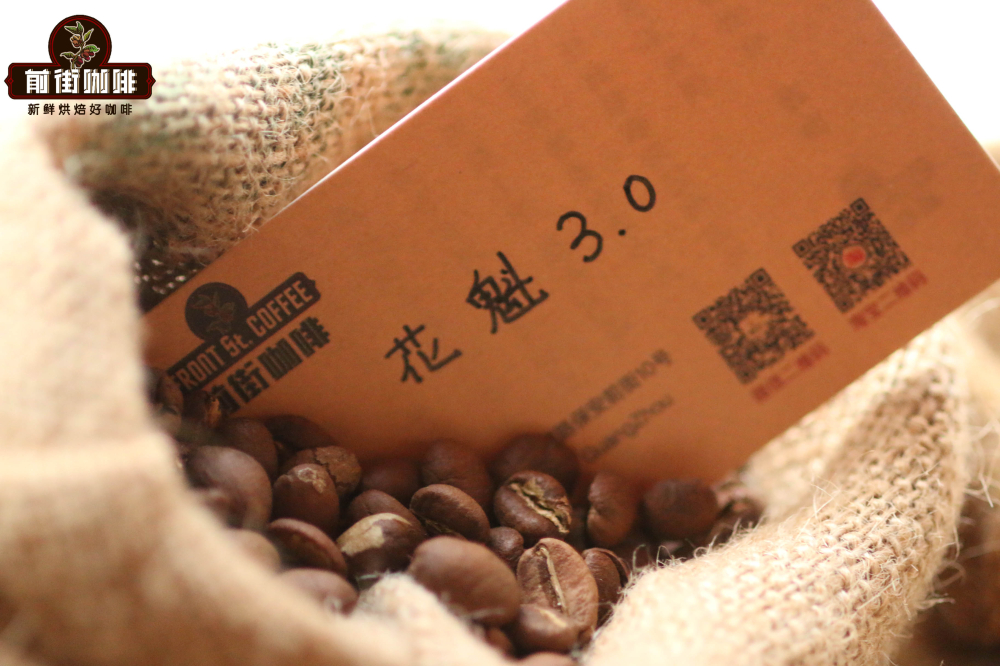
Since the 2018 harvest season, Huakui (natural G1 coffee beans) from the same growing origin and processing station has shown some changes in flavor. Through cupping, Front Street found that although the 2018 and 2019 Huakui still had flavors similar to the 2017 Huakui, they fell short of the "first-generation Huakui" in terms of body, aftertaste, and other mouthfeel aspects. Therefore, in order to continue selling this natural coffee from Hambella while distinguishing it from the original version, domestic green bean trading companies calculated based on the years after 2017 and assigned an X.0 suffix to each subsequent batch. For example, the 2018 batch was called "Huakui 2.0," the 2019 production was called "Huakui 3.0 and 3.1"... Last year's release was "Huakui 7.0," and so on. This way, we can identify which year's batch the Huakui we bought belongs to by its suffix.
Next, let's talk about the Sidamo producing region
The Sidamo coffee producing region is one of Ethiopia's specialty coffee regions, bordering another specialty region, Yirgacheffe. Sidamo is not only a coffee producing region but also represents a coffee brand. In 2006, Starbucks applied to trademark the name "Sidamo," which sparked dissatisfaction and backlash from the Ethiopian coffee industry. This trademark dispute lasted two years and ultimately ended with Starbucks withdrawing its trademark application. The two sides shook hands and made peace, with Starbucks continuing to purchase and sell Sidamo coffee beans through partnership.
The Sidamo region is located in southern Ethiopia, extending east to the Arsi and Bale administrative zones and west to the Gamogofa administrative zone. Sidamo coffee is cultivated at altitudes between 1400m and 2000m. The flavor of Sidamo coffee is extremely diverse because different areas have different soil compositions, regional microclimates, and countless native coffee varieties, creating distinct differences and characteristics in the coffee produced in each area. According to Ethiopia's administrative divisions, it can be divided into four levels: Region, Zone, Woreda, and Kebele, equivalent to China's province, city, district, and street.
Coffee is also an agricultural product, and flavor changes are closely tied to climate and environment. Sidamo's coffee flavors are very diverse—different soil types, microclimates, and countless native coffee varieties create distinct differences and characteristics in the coffee produced in each town. The Guji producing area was once part of the Sidamo producing region, but in 2010 it was made an independent new region by the Ethiopia Commodity Exchange (ECX). The Guji producing area is located southeast of Yirgacheffe and is a region with complex terrain including towering mountains, valleys, and plains. The geology of this area consists of nutrient-rich black soil (Vertisol), with soil depth of nearly two meters and an average altitude above 1800 meters. The significant day-night temperature difference created by geographical characteristics gives the area all the terroir conditions needed to produce high-quality specialty coffee.
Huakui Coffee Variety
Ethiopia is a magical country because it is the birthplace of the Arabica species, and the Kaffa forest is where it all began. More precisely, it was the Kaffa Zone of Ethiopia where coffee was first discovered, and countless wild Arabica mother trees grow in its cloud forest areas. Front Street Coffee's Front Street Kaffa Forest coffee beans come from this lush wild forest, using the washed processing method, and always present citrus aromas reminiscent of orange peel and green tea notes when brewed.
Back to the point—the variety of Huakui coffee is called Heirloom, translated into Chinese as "native species," and is a coffee variety unique to Ethiopia. In Ethiopia, the garden farming system is the cultivation model that the vast majority of smallholder coffee farmers rely on for survival. Heirloom native varieties come from "unknown varieties" in their backyards. The coffee trees may have been left by a previous owner of the land, shared among neighbors, or grown from seeds from another producing area. Various coffee plants are intercropped with other cash crops on the land, and only harvested and sold when ripe.
Therefore, Heirloom does not refer to a specific coffee variety; it represents a blend of green beans from the producing area—coffee collected from multiple smallholders' harvests during the same period and combined together. A single batch may contain dozens or even hundreds of unidentified varieties. It is precisely because of the differences between varieties and the fact that each blend is different that these coffees vary in bean size, dimensions, and shape—some large, some small, some long, some round. They can be understood as "blended batches."
Ethiopian Coffee Grading
Before the emergence of the Ethiopia Commodity Exchange (ECX), Ethiopia's coffee export grading was set by the CLU department (Cupping and Liquoring Unit) under the Ministry of Agriculture, mainly grading green coffee beans by the number of defective beans in 300g. The grading standards are shown in the table below.
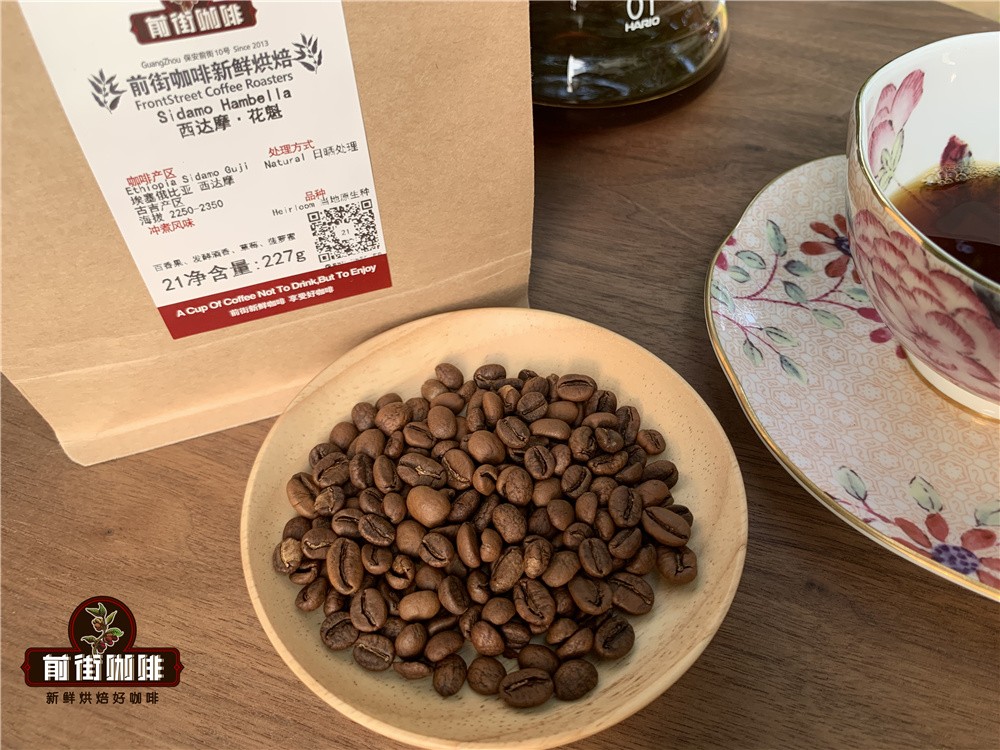
Front Street Huakui G1 natural beans go through many processing steps. During bean selection, there is an extra screening round, and each screening standard is the highest. G1-grade natural coffee belongs to the light-luxury specialty tier. Front Street Ethiopian Sidamo Huakui Natural G1 coffee has a variety of Ethiopian native coffee species, grown at altitudes of 2200 to 2500 meters. The flavor features rose aromas and white peach notes, with a black tea finish and excellent aftertaste.
Huakui Coffee Beans Processing Method
The processing method for Front Street Yirgacheffe coffee is the oldest natural processing method. However, because early natural coffee beans were mostly spread flat on the ground to dry, they inevitably picked up earthy and dusty off-flavors, and combined with a lack of proper screening, the quality of natural beans was generally mediocre. In 1972, Ethiopia introduced washed processing technology from Central and South America to improve coffee quality, which made Front Street Yirgacheffe's jasmine aroma and citrus-lemon freshness clearer and brighter, propelling it to become one of the world's representative specialty coffees. The representative washed coffee is Yirgacheffe, and the representative natural coffee is Front Street Huakui from Sidamo.
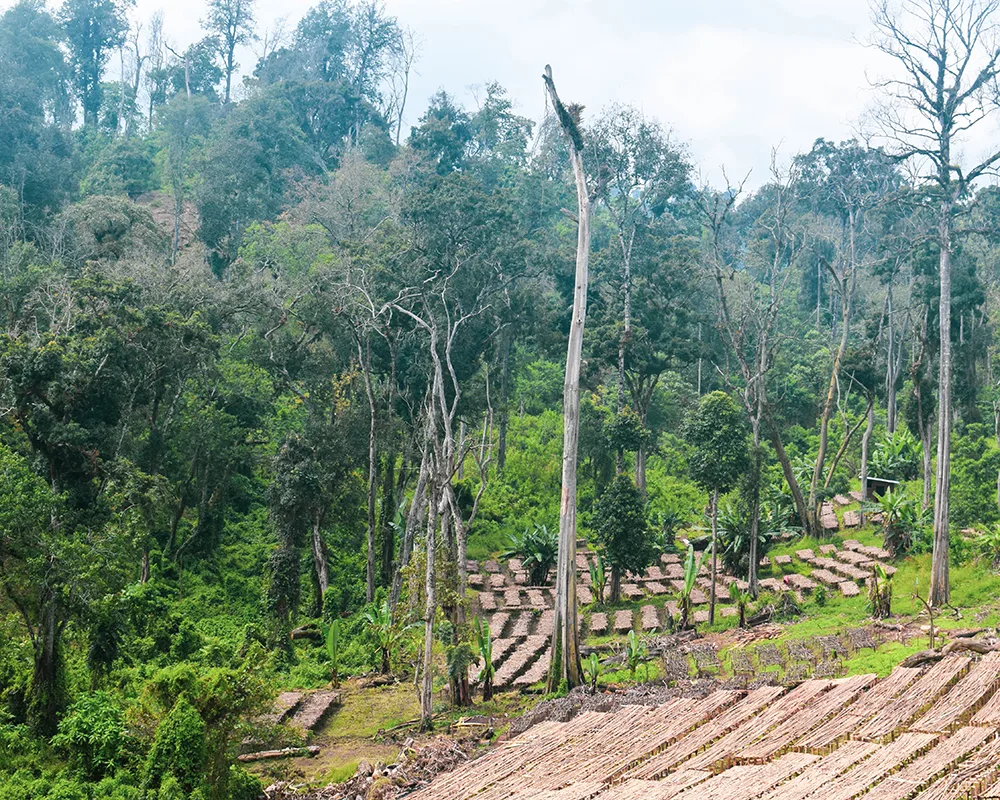
The natural method in the Sidamo region is very meticulous. During the coffee harvest season, only ripe coffee cherries are picked. After picking, the coffee cherries are uniform in size, similar in ripeness, and free of other impurities. During processing, strict hand sorting is first carried out to remove defective beans, then the coffee cherries are spread on raised wooden racks or entire drying beds for sun-drying to prevent the coffee cherries from becoming moldy or absorbing undesirable odors like soil during the drying process. During sun exposure, they are constantly turned to ensure even drying and uniform moisture loss. Every three to five days, farmers manually sort out defective and moldy beans. After the fruit skin dries and hardens, a hulling machine is used to remove the dried skin. After obtaining the green coffee beans, in pursuit of perfect flavor, farmers will do one final screening.
Front Street believes that washed coffee has a clean and bright taste, while the natural processing method adds aroma and sweetness on top of the original flavor. Washed coffee better reflects the local coffee terroir, so Front Street chooses Front Street washed Yirgacheffe as the representative of Ethiopian coffee.
Front Street Coffee Brewing Recommendations
To fully extract the rich layers of Huakui, Front Street uses a higher water temperature and a finer grind size for extraction. However, to avoid over-extraction caused by high temperatures, a faster-flow dripper such as the V60 is used. The V60 dripper has a 60° cone shape, and the conical angle allows coffee grounds to concentrate and water to automatically flow toward the center of the dripper, ensuring sufficient contact time between water and coffee grounds to extract the right amount of coffee liquid. Additionally, the ribs on the inner wall of the V60 dripper extend in a clockwise spiral from bottom to top, leaving enough space between the filter paper and the dripper for good water flow. Combined with the large hole at the bottom, the flow rate is relatively faster than many other drippers.
The specific brewing parameters Front Street uses are: V60 dripper, water temperature 90°C, water-to-coffee ratio 1:15, 15g coffee dose, medium-fine grind (80% passing through China standard No. 20 sieve)
When brewing the new-season Front Street Huakui, you can smell the full aroma of ripe fruit. On the palate, there are distinct fermented notes and green grape. After the temperature drops slightly, there is lemon acidity and creamy smoothness, with a ripe grape juice sensation in the finish.
The above content is compiled by CoffeeHunters, a coffee news website.


