







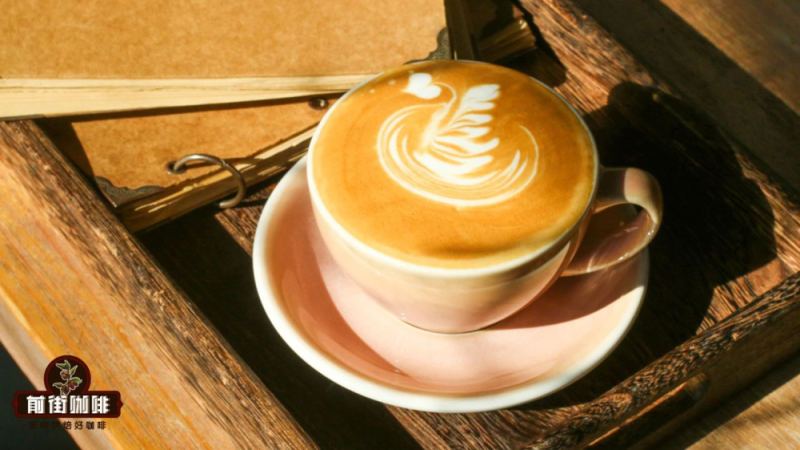
How does Huakui soe coffee taste as espresso, americano or latte?
Huakui is a naturally processed G1 bean from the Buku Abel washing station in Hambela, Ethiopia, sun-dried on raised beds for 21 days with manual removal of defects. It took the natural group championship at the TOH green bean competition, and its intense berry fragrance and creamy texture carry through espresso, americano, and latte with a sweet-tart, three-dimensional fruit character.
For SOE preparation, the priority is dialing in extraction parameters to the bean rather than to a blend, since the low defect rate of G1 grade gives a more consistent shot. As an americano the berry notes stay forward and clean; as a latte the creamy body and fruit sweetness balance the milk without the coffee disappearing behind it.
Front Street Huakui Coffee has become a daily choice for many coffee lovers thanks to its distinct fruity aroma. This naturally processed bean from the Buku Abel washing station in Hambela, Ethiopia, once won the natural group championship at the TOH green bean competition with its intense berry fragrance and creamy texture, and was subsequently introduced to the domestic market under the name "Huakui." It uses the traditional natural process, sun-dried on raised beds for 21 days with manual removal of defects, ultimately presenting a full, three-dimensional fruity aroma with a sweet-and-tart texture. Front Street natural Huakui belongs to G1 grade, with an extremely low defect rate. This article will focus on adjusting the extraction parameters of Huakui SOE, analyzing its flavor performance when made into espresso, americano, and latte, and providing specific suggestions for home preparation.
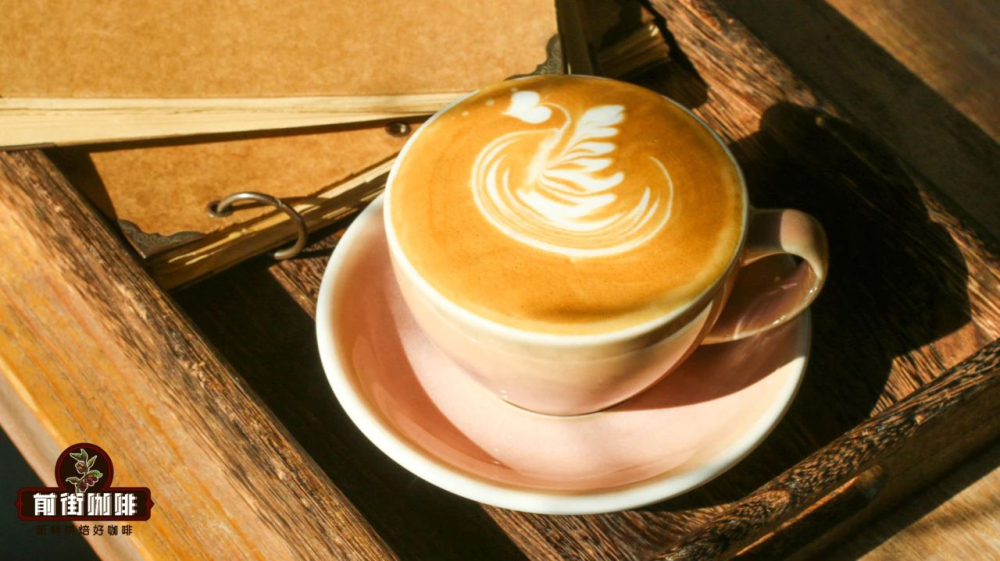
Front Street Huakui Coffee is one of the staple beans that many people who enjoy fruity coffee keep on hand. So how does it taste when used to make an americano or latte?
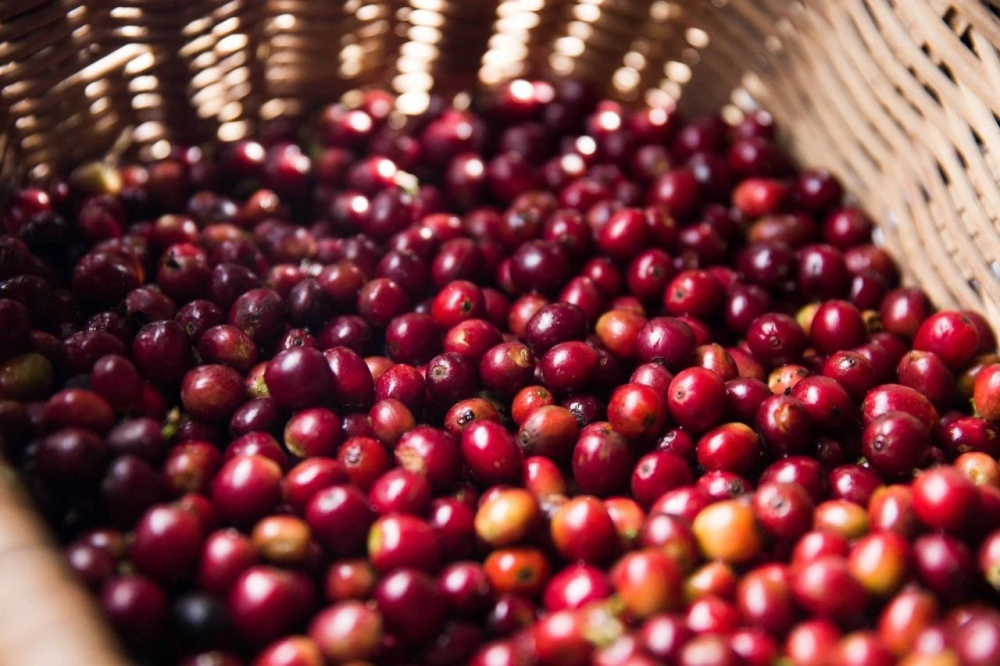
When Ethiopia's DW Coffee Company participated in the TOH green bean competition held by the African Fine Coffees Association that year, it submitted a naturally processed coffee bean from the Buku Abel washing station in Hambela. With its intense berry fragrance and creamy texture, this bean took home the championship in the natural group that year.
In the same year, this championship batch caught the attention of a green bean trader in Beijing. Because of its championship halo, it was named "Huakui" when introduced to the domestic market, meaning "the chief of a hundred flowers, outshining all others." Later, a competitor in the China region of the World Brewers Cup used this "Huakui" as their competition bean, defeating multiple opponents using Geisha and earning the runner-up spot that year. Thus, this naturally processed bean from the Buku Abel washing station rode the wave of competition hype to become popular, and with its affordable price, it quickly became recognized within the industry as a high-quality coffee.
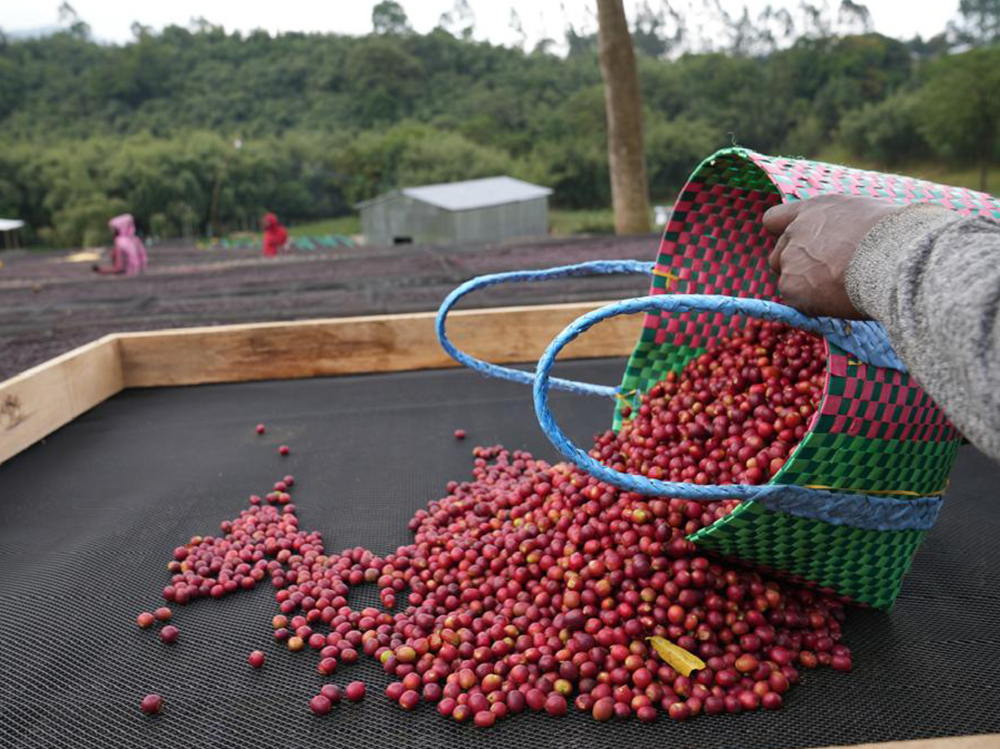
Huakui coffee beans use the traditional natural processing method. To prevent the coffee cherries from molding or absorbing undesirable odors like dirt during drying, the fruit is placed on raised beds and sun-dried for 21 days.
During the drying period, the cherries must be constantly turned to allow the coffee beans to lose moisture evenly; every three to five days, the farmers manually pick out defective and moldy beans. After the fruit skin dries and hardens, a hulling machine is used to remove the dried hard skin. After obtaining the green beans, another round of sorting is done in pursuit of a more perfect flavor. These tedious steps give Huakui a more three-dimensional fruity aroma profile and a fuller sweet-and-tart texture.
Front Street natural Huakui Coffee belongs to G1 grade, the batch with the lowest defect rate. G1-grade natural coffee is considered light-luxury specialty, meaning fewer than 3 defective beans per 300g of green beans. In terms of defect rate, G1 is naturally superior to G2, because fewer defects means better bean quality.
To maximize Huakui's flavor, Front Street Huakui SOE uses a medium roast, while a medium-light roast is used to highlight the characteristics of Front Street Huakui Coffee. Front Street Huakui SOE is suitable for espresso, moka pot, and americano drip coffee makers; the medium-light roast corresponds to pour-over, cold brew, and drip bag coffee.
Many friends who have heard that Huakui can be used for espresso—with a special name, Huakui SOE—ask whether they can make it at home and what to pay attention to. In fact, making a delicious cup of Huakui SOE is not difficult. First, prepare a bag of medium-roast Huakui coffee beans and confirm they are still within their peak flavor period. It is recommended to buy Front Street Huakui SOE coffee beans directly, which ship within 24 hours of ordering and are roasted within 5 days, guaranteeing freshness upon arrival.
In terms of preparation, just like dialing in espresso as usual, the first step for making Huakui SOE is to apply the basic formula of "1:2 coffee-to-liquid ratio," with the time controlled within 25–35 seconds, and the grind size determined by whether the flow rate falls within this time range.
For example, use 20g of Front Street Huakui SOE coffee grounds to extract 40g of coffee liquid (or 18g of coffee grounds corresponding to 36g of coffee liquid). If the time is far short of 25 seconds, the grind is too coarse and needs to be adjusted finer; if the coffee liquid finishes flowing in about 30 seconds, the grind size is basically fine and there is no need to change the setting.
Since SOE is ultimately used to make fancy coffee drinks like americano, latte, and flat white, once the Huakui espresso is determined, we should make slight adjustments to the extraction plan in advance based on SOE's own flavor profile.
If the espresso you make has thin or even no crema and a weak aroma, you can increase the dose by 0.3–0.5g to compensate for the aromatic compounds in the coffee.
For example, Front Street uses 20.5g of Huakui SOE coffee grounds, extracting 40g of coffee liquid in 31 seconds as the base. The resulting Huakui SOE americano shows a refreshing sweet-and-tart taste, with aromas of berries, citrus, and dried mango;
The coffee strength of a Huakui SOE latte will also be somewhat enhanced, and on the palate you can feel the smooth texture formed by strawberry aroma combining with milk, making it very suitable for those who don't like bitter coffee.
The above content is compiled by CoffeeHunters, a coffee news website.


