







Search Results for: ripe
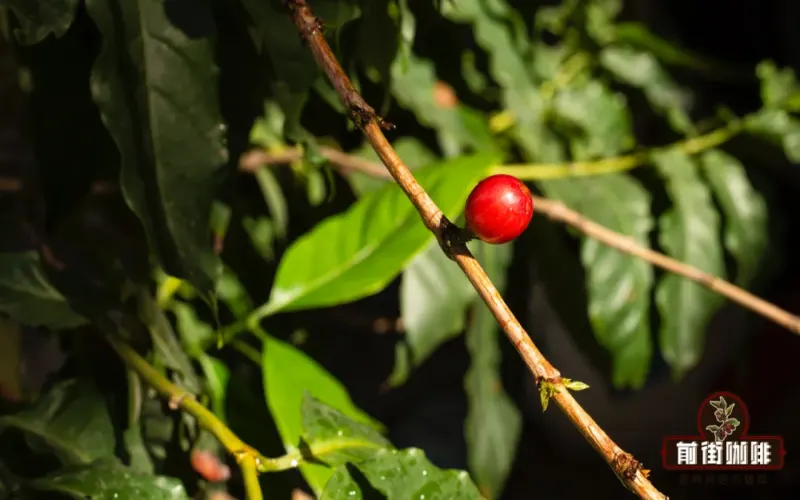
What Is Whole-Ripe-Cherry Picking? How the Red Cherry Project Drives Quality Improvement in Specialty Coffee
In coffee bean promotions, we often see phrases like "all-red cherry sun-dried," but all-red cherry is not actually the name of a processing method; rather, it refers to the practice of picking coffee cherries when they are fully red. So why is all-red cherry picking so important? What story of industrial transformation lies behind it? This article will analyze, from the perspective of Front Street, the impact of all-red cherry picking on coffee quality, review the evolution of harvesting methods in the early days of specialty coffee, and introduce the "Red Cherry Project" launched in 2007 by the Dutch green bean trader Trabocca, examining how it broke the vicious cycle between coffee farmers and green bean traders by raising the purchase price for high-quality coffee, ultimately achieving a win-win-win for farmers, merchants, and consumers. [more…]

How Does the Red Cherry Project Improve Ethiopian Coffee Quality? A Flavor Analysis of Natural Yirgacheffe Red Cherry
The flavor of coffee depends not only on the altitude, soil, and climate of its origin—the harvesting method also has a key impact on quality. Although machine picking is highly efficient, it struggles to distinguish the ripeness of the fruit; manual harvesting, by contrast, allows selection by ripeness, and is especially more reasonable in high-altitude mountainous areas. In 2007, the Dutch green bean trader Trabocca launched the "Red Cherry Project," requiring 100% fully ripe red cherries to be picked entirely by hand, with strict quality control through two rounds of cupping, and using high prices to incentivize coffee farmers to produce with care, breaking the previous vicious cycle of "valuing weight over quality." This article will walk you through how the Red Cherry Project operates and recommend a Front Street Coffee sun-dried Red Cherry coffee bean—a Yirgacheffe G1 grade bean, processed by the traditional sun-dried method, with full fruit aromas and a black tea finish, suitable for pour-over, cold brew, espresso SOE, and many other extraction methods. [more…]
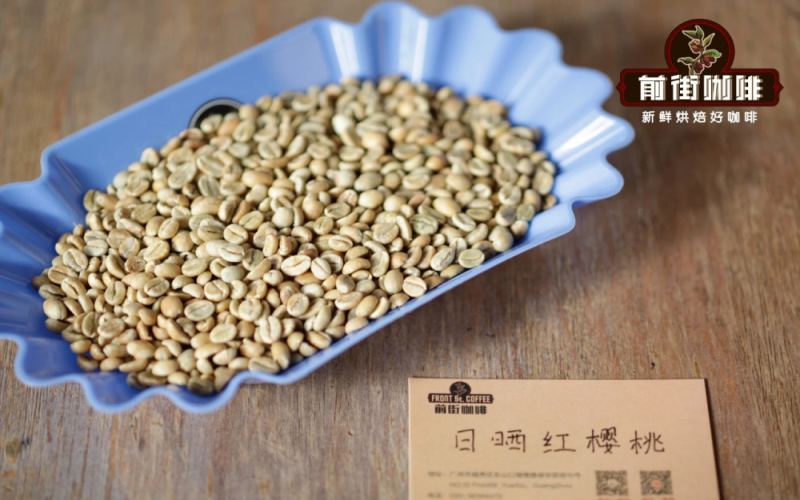
Front Street Yirgacheffe Red Honey Fully Ripe Cherry Flavor Analysis and Pour-Over Parameter Guide
Yirgacheffe, as one of Ethiopia's most representative regions, has always been loved for its bright floral and fruity notes. The introduction of the red honey process allows this classic region to retain its cleanliness while gaining fuller sweetness and body. This article focuses on the Front Street Coffee Yirgacheffe Gersi red honey processed lot, tracing its flavor sources one by one—from the all-red cherry picking standard, 58-hour anaerobic pre-fermentation, and extended sun-drying of more than 15 days, to the process of depulping while retaining more mucilage. This G1 lot, custom-made by DWD for China Tea, shares the same region, same bean variety, and same processing plant as Aodibei Yirga Cherry. After light roasting, flavors of jasmine, elderflower, oolong tea, strawberry, orange, nectarine, pineapple, and mango interweave, with high sweetness and a strong finish, combining the cleanliness of a washed coffee with the smoothness of juice. [more…]
The Path to Refinement for Specialty Coffee Beans: Key Processes from Branch Red Cherry to Aromatic Cup
For a coffee bean to become specialty coffee is by no means easy. From variety, origin, microclimate, to the careful cultivation by the coffee farmer, every step affects the final flavor. But even if plump red cherries are produced, not every single one can advance to become specialty coffee. Picking, judging ripeness, removing defects, and green bean processing—no stage can be missing. This article takes you through the complete journey of this magical fruit, seeing how it goes from branch to cup, and helping you better understand how hard-won that cup of coffee in your hands really is. [more…]

Bawang Chaji's "Return to Yunnan" ripe pu'er series launches: air-dried beef in tea sparks discussion, 350ml small cup pricing draws controversy
After lying dormant for most of the year, Chagee has finally launched a new product line, the "Return to Yunnan" ripe pu'er series, bringing three drinks at once. Among them, "Clouds Rolling with Pine Wind" boldly adds dried beef flakes and black truffle, breaking away from the brand's previous light milk tea direction. However, after launch, consumer feedback has been polarized: some praise its innovation, while others bluntly say the combination of beef and black truffle tastes like barbecue dipping sauce. What surprised longtime users even more is that the new packaged cup is only about 350ml, a considerable reduction from the regular medium cup, yet the price is higher than the classic "Boyya Juexian," sparking discussion about value for money. This article sorts through the new product lineup, taste reviews, and cup-size controversy, and includes related recommendations from Front Street Coffee for coffee and tea beverage enthusiasts to reference. [more…]
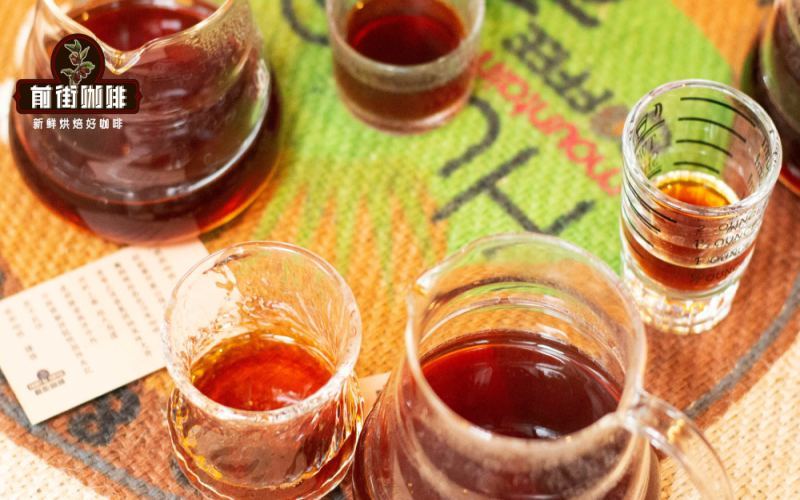
Front Street Coffee Yirgacheffe Garse Gersi Red Honey Process Brewing Guide: Flavor Profile and Pour-Over & Iced Brew Parameter Analysis
Yirgacheffe has always been known for its bright floral aroma and citrus notes, but the red honey processing method brings a completely different taste experience to this classic region. Front Street Coffee Yirgacheffe Garse Red Honey is made using fully ripe red cherry picking and a 58-hour anaerobic pre-fermentation, combined with shade-dried slow drying and a depulping process that retains the mucilage, ultimately presenting a rich layering of jasmine, elderflower, and various ripe fruits intertwined. This article will break down the processing details and flavor origins of this bean in detail, and provide two complete parameter schemes—a regular pour-over and a Japanese-style iced pour-over—to help you consistently reproduce its clean, crystal-clear yet full, sweet, and smooth cup performance at home. [more…]
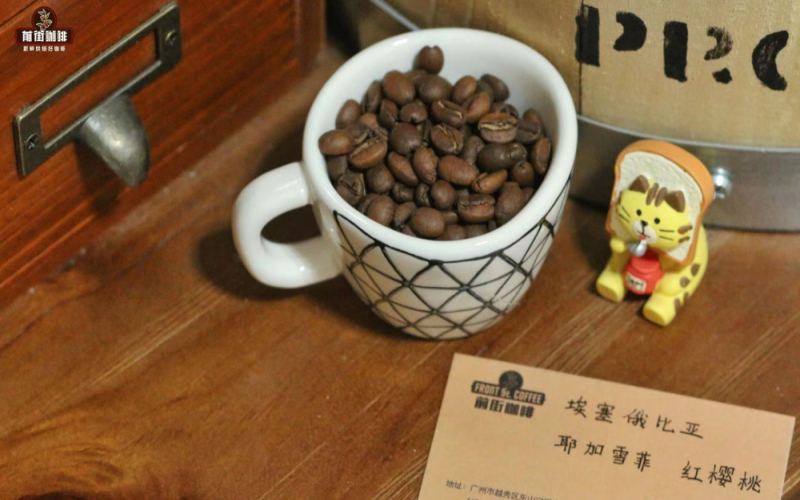
The Red Cherry Project and the Flavor Story of Yirgacheffe Natural Beans, Plus Pour-Over Parameter Analysis
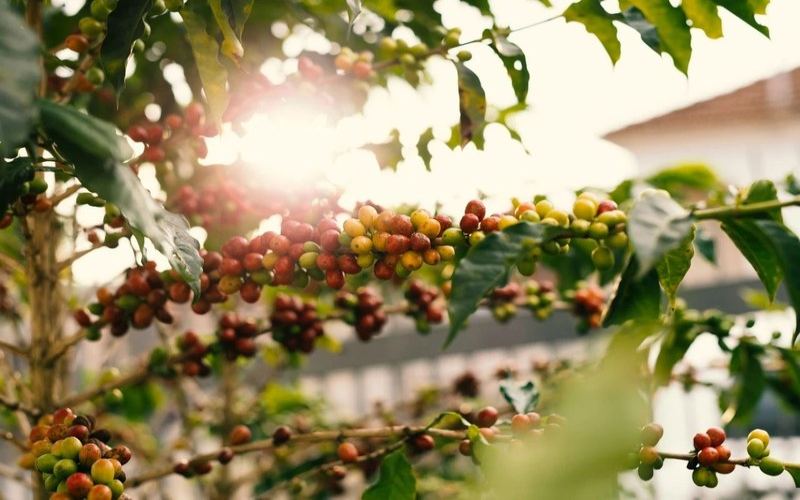
In the specialty coffee world, "Red Cherry" has become synonymous with high-quality Ethiopian beans. The name comes from the appearance of ripe coffee cherries, which closely resemble cherries, and behind it is Operation Cherrie Red, initiated by the Dutch company Trabocca, aimed at encouraging smallholder farmers to harvest only fully ripe cherries to improve flavor. This article will guide you through the origins, operating mechanism, and covered producing regions of the Red Cherry project, and focus on the flavor performance of Front Street Yirgacheffe Natural Red Cherry coffee beans—from light roast notes of peach, cocoa, honey, and lemon, to the fermented fruit aromas and citrus sweetness of medium-roast SOE, along with recommended pour-over extraction parameters and brewing techniques. [Image 1] [more…]
Noticeably sweet and rich in fruity aromas—choose pour-over beans by roast level
If you want to drink pour-over coffee with clear sweetness and a noticeable fruity aroma, the roast level is a very practical screening clue. Light roasts more easily retain floral, citrus, and berry notes, medium-light roasts bring fruity aromas and sugary sweetness closer together, and medium roasts add roundness and caramel associations. Based on whether you prefer a bright, soft, or full-bodied taste, [more…]

What Exactly Is Coffee Fermentation? Analyzing the Differences Between Aerobic, Anaerobic, and Double Anaerobic Fermentation
In coffee tasting, "fermentation" is a term that is often mentioned but easily misunderstood. It does not mean that the coffee contains alcohol; rather, it describes an aroma and mouthfeel reminiscent of ripe fruit or even overripe fruit. Coffee itself is a fermented food, and its flavor is deeply influenced by the way it is processed. This article starts from everyday conversations at Front Street stores and systematically explains the essence and sources of fermenty notes, as well as the differences between aerobic fermentation, anaerobic fermentation, and double anaerobic fermentation. At the same time, we will also explore how the fermentation process shapes coffee's aroma and complexity, and recommend Front Street's natural, honey-processed, and anaerobic-processed coffee beans for different preferences, helping you find the cup that suits you best in your everyday purchases. [more…]
Choosing Americano coffee beans with prominent sweetness by roast level
If you want a noticeably sweet Americano, the roast level of the coffee beans directly shifts the balance in the cup. Light roasts tend to show fruit, florals, and bright acidity, feeling crisp and lively in an iced Americano; medium roasts balance caramel, ripe fruit, and tea-like notes, going down smoothly whether hot or over ice; medium-dark or dark roasts bring cocoa, nuts, and a roasty sweetness. [more…]
Yirgacheffe Red Cherry Natural Coffee: Terroir, the Red Cherry Project, and Flavor Analysis
Yirgacheffe is one of the highest-altitude specialty coffee regions in Ethiopia, and its unique terroir cultivates a coffee flavor woven with floral and fruity notes. The Red Cherry Project was launched in 2007 by the Dutch green bean trader Trabocca, aiming to improve the quality of smallholder farms by hand-picking 100% ripe red cherries. Front Street Coffee's Natural Red Cherry performs in a balanced way in terms of ripeness and cleanliness, using a light-medium roast to highlight floral notes, fruity acidity, and fermented sweetness. This article will sort out the background of the Yirgacheffe production area, the working method of the Red Cherry Project, and introduce the specific flavor characteristics of Front Street Natural Red Cherry. [more…]
Flavor Analysis of Colombia Granja El Roble Rose Valley Anaerobic Double Enzyme Washed Coffee and Front Street Coffee Recommendation
In the Santander region of Colombia, there is a Large Tree Estate run by the Vargas family for twenty years, producing a coffee named "Rose Valley," which undergoes a unique anaerobic double enzyme washed processing method. The estate only picks fully ripe, bright red cherries, which after washing enter the anaerobic fermentation stage, with a special enzyme blend added for a second fermentation, and finally are dried slowly at low temperatures to preserve delicate flavors. This coffee presents a complex layering of rose, strawberry jam, ripe peach, melon, magnolia, and wine-like aromas. Front Street Coffee particularly recommends this bean, and this article will take you into a deeper understanding of its origin background, processing techniques, and flavor characteristics. [more…]
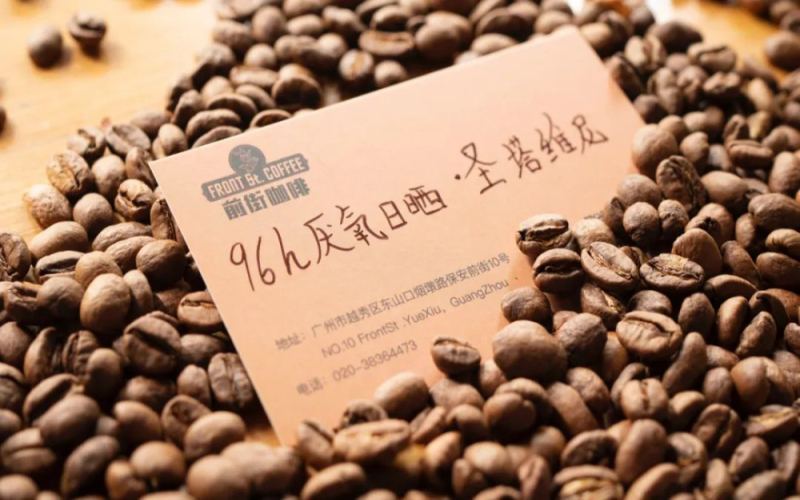
Front Street Coffee Explains Ethiopia Sidamo Santa Vini 74158: A Flavor Analysis of Fully Ripe Cherry 96-Hour Anaerobic Natural
In the landscape of Ethiopian specialty coffee, the Sidamo region has always held a unique position. The 74158 variety produced by the Santa Vini processing station, with whole red cherry harvesting combined with 96-hour anaerobic natural processing, delivers a highly distinctive flavor profile. This bean not only reaches G1 grade, but also matures slowly at a high altitude of 2,050 meters, giving it rich and clearly layered flavors. Front Street Coffee's Sidamo Santa Vini this time presents bright fruit notes of citrus, pineapple, and guava, accompanied by a long red wine finish. This article will analyze the unique qualities of this coffee bean one by one, from origin information and processing methods to flavor characteristics, providing coffee lovers with a complete tasting reference. [more…]
An Analysis of the Pros and Cons of Natural Process Coffee Beans: Flavor Characteristics, Processing Risks, and Price Factors
As one of the oldest methods of primary coffee processing, the natural method still dominates in producing regions such as Ethiopia and Yemen. This processing method places ripe coffee cherries directly under sunlight to dry naturally, then removes the skin and pulp, placing extremely high demands on climate and labor throughout the entire process. Properly processed natural beans can present outstanding sweetness, body, and ripe fruit notes, but if poorly managed, they are prone to mold and over-fermentation, causing drastic fluctuations in quality. This article will analyze the natural process from the perspectives of its workflow, climate requirements, flavor characteristics, advantages and disadvantages, and cost structure, and introduce the high-value natural single-origin beans under the Front Street brand, helping coffee enthusiasts fully understand the value and risks of this processing method. [more…]
Coffee beans with strong sweetness: how to choose based on roast level
To find coffee beans with a pronounced sweetness, start by looking at the roast level, then decide which type of sweetness you prefer. Light roasts are more like fruit, floral nectar, and juice; medium roasts tend to show caramel, brown sugar, and ripe fruit notes; medium-dark roasts rely on cocoa, nuts, and roasty aromas to create a deep, weighty sweetness. Sweetness does not mean a sugary, syrup-like taste, but rather [more…]

Red Bourbon, Yellow Bourbon, and Pink Bourbon: A Comparative Analysis of the Origins, Differences, and Flavor Profiles of Three Major Bourbon Varieties
Bourbon is a long-standing and pivotal variety in the Arabica family. Based on the color of ripe fruit, it is mainly divided into Red Bourbon, Yellow Bourbon, and the rare Pink Bourbon. These three share genetic connections while each exhibiting unique characteristics in flavor and growing conditions. This article will systematically sort out the origins and differences of Red Bourbon, Yellow Bourbon, and Pink Bourbon, and include product information and flavor descriptions from Front Street Coffee for the corresponding Brazil Red Bourbon, Brazil Queen Estate Yellow Bourbon, and Colombia Paraiso Estate Pink Bourbon, helping coffee enthusiasts gain a clearer understanding of this classic variety family. [more…]

Light, Medium, and Dark Roasts: Espresso Flavor Differences in SOE Beans
SOE usually refers to espresso made from single-origin or single-batch coffee beans, bringing the characteristics of the region directly into a small cup of coffee. When choosing SOE, the roast level is a very practical starting point: it affects the balance of acidity and sweetness, the direction of the aroma, the sense of intensity, and the aftertaste, and also determines whether the beans are better suited for [more…]

How to choose coffee beans with strong sweetness: pick flavors by roast level
To drink coffee with a more pronounced sweetness, roast level is a very practical starting point. Light roasts lean toward fruity, floral, and honeyed notes; medium roasts commonly show caramel, nutty, and ripe-fruit sweetness; medium-dark roasts are more like dark chocolate, roasted nuts, or syrup. Sweetness doesn't mean there's no acidity—rather, it's what lingers in the mouth both as you sip and after you swallow. [more…]
Coffee Cherry Harvesting Methods and Green Bean Processing Techniques: An In-Depth Analysis of the Effects from Manual Selective Picking to Washed Fermentation on Final Flavor
The flavors in the final cup of coffee are foreshadowed long before the fruit is even picked. The picking method determines the ripeness and uniformity of the fruit, while the subsequent green coffee processing further shapes the trajectory of acidity, sweetness, and cleanliness. This article will systematically sort out the applicable scenarios and pros and cons of mechanical picking versus manual picking, and take a deeper look at how the two mainstream processing paths—the dry method (non-washed) and the washed method (wet processing)—actually affect coffee quality. Whether you are a beginner just getting into specialty coffee or a processing-method enthusiast hoping to refine your understanding, you can gain a clear understanding of this key stage from fruit to green coffee. At the end, we also draw on Front Street Coffee's product practices to explain the specific differences in how different processing methods present flavor. [more…]

Where Does Coffee Fruit Aroma Come From? Analyzing the Causes of Tropical Fruit Notes and Recommended Representative Specialty Beans
Coffee itself belongs to the category of tropical fruits, but why can't fresh coffee cherries smell like the fruity aromas described on bean bags? The key to truly unlocking tropical fruit aromas in coffee lies in the aromatic compounds stored within the green beans and the chemical reactions that occur during roasting. Drawing on Front Street Coffee's cupping experience, this article will outline the logic behind the formation of tropical fruit flavors and their common types, and recommend several specialty coffees with intense ripe mango, distinct passion fruit sweetness and acidity, and pineapple notes. It will also explain why those lighter, harder-to-catch tropical fruit aromas appear less frequently. [more…]