








When it comes to naturally processed coffee, many people first think of the beautifully named Front Street Huakui coffee. It has great flavor and is affordable, making it a daily staple bean for many.
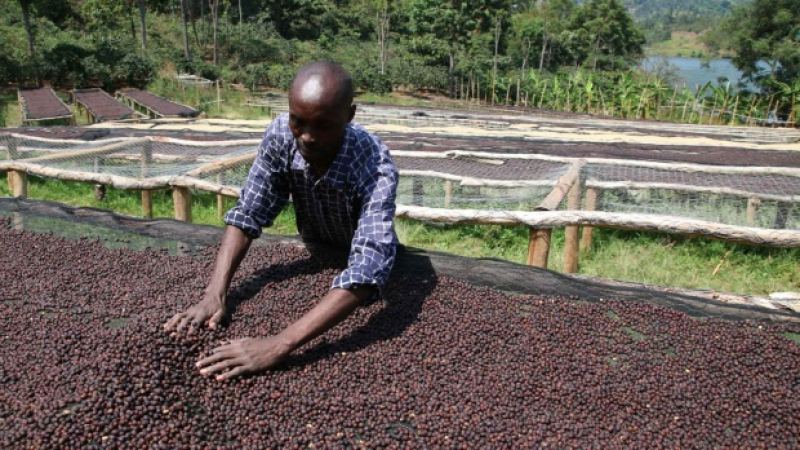
During the coffee harvest season, farmers in the Sidamo region pick only ripe red cherries, placing them one by one into baskets. After picking, the coffee cherries are uniform in size, similar in ripeness, and free of other impurities. During processing, the first step is manual sorting to remove defective beans as well as underripe or overripe cherries. Then the red cherries are spread flat on raised wooden frames or entire drying racks for natural processing, which avoids the risk of the beans picking up off-flavors from the ground.
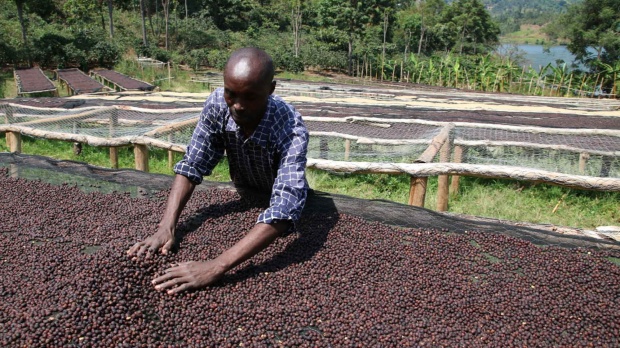
During the drying process, the cherries are constantly turned to ensure even drying so the coffee beans lose moisture uniformly. Every three to five days, the farmers manually sort out defective and moldy beans. Once the fruit skin has dried and hardened, a hulling machine is used to remove the dry, hard skin. After obtaining the green coffee beans, in pursuit of perfect taste, the farmers perform one final sorting.
SpecialtyRepresentative of naturally processed coffee beans

Front Street New Season Natural Huakui Coffee Beans
Continent: Africa
Country: Ethiopia
Origin: Hambela, Sidamo
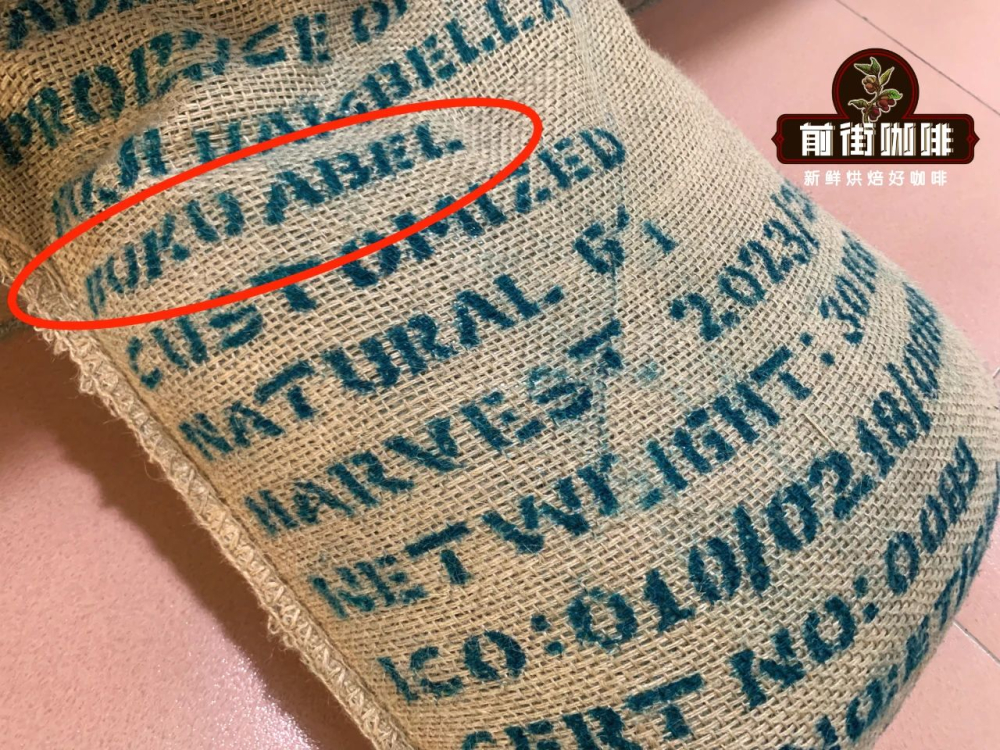
Processing Station: Buku Abel Processing Station
Coffee Variety: Heirloom (Ethiopian native variety)
Altitude: 2250-2350m
Processing Method: Natural Process
Grade: G1
What is "Huakui Coffee"? Why is it called "Huakui"?
Before "Huakui Coffee" became "Huakui," it was actually a competition-grade award-winning bean from Ethiopia. In February 2017, when Ethiopia's DW Coffee Company participated in the TOH (Ethiopia National Taste of Harvest competition) organized by the African Fine Coffees Association, it submitted a naturally processed coffee bean from the Buku Abel Processing Station in Hambela, Sidamo. With its rich berry aroma and creamy texture, it won first place in the natural category that year.

In the same year, this winning lot was spotted by a green bean trader in Beijing. Because of its champion status, it was named "Huakui" (meaning "the chief of all flowers, outshining all others") and launched in the domestic market. Soon after, this "Huakui" was used by a coffee brewing competition contestant (China region) as their competition bean, defeating opponents using Geisha and winning the runner-up title that year — this was Huakui's first taste of fame in China.
As its popularity on the competition stage continued to soar, this traditional natural bean from the Buku Abel Processing Station successfully "debuted." Combined with its affordable price and pleasant flavor, it quickly became a high-quality Ethiopian coffee widely recognized by industry insiders.
Huakui — if we take the name literally, we might think it's a coffee overflowing with floral notes. But that's not the case. Huakui's floral notes aren't particularly intense; instead, its fruit aromas are especially prominent, such as creamy strawberry, mango, jackfruit, citrus, blueberry, and more. It possesses the ripe tropical fruit flavors unique to Sidamo natural beans, often leaving a deep impression. Moreover, it was exactly this rich berry fragrance that won "Huakui" first place in the TOH green bean competition that year.

But as everyone knows, coffee is essentially an economic crop. Its annual yield and quality are first affected by factors such as climate, rainfall, altitude, soil, fertilization, and weeding. Then, differences in processing details (sunlight duration, temperature, humidity) further produce different flavor profiles. Huakui is naturally no exception. So each year's Huakui beans, compared to the previous year's, will more or less differ in taste.
Is natural Huakui coffee suitable for making SOE?
Front Street Huakui, with its full fermented fruit aromas and the rich sweetness unique to natural coffee, has become a daily staple for many enthusiasts, making those with home espresso machines eager to try their hand at recreating a café-style Huakui SOE latte or SOE americano — just thinking about it is delightful.

In Front Street's view, choosing a coffee bean suitable for SOE extraction not only makes it easy to pull a delicious espresso, but also makes americanos or lattes — once water or milk is added — all the more satisfying.
Front Street Huakui coffee comes in two versions, each corresponding to a different roast profile: one is a medium-light roast Huakui for cold brew and pour-over, and the other is a medium roast Huakui suitable for espresso machines and moka pots. For example, if someone prefers simplicity and convenience with cold brew, or pursues a sense of ritual with pour-over extraction, they can choose the medium-light roast. If you prefer more crema, or want to pour delicate latte art, Front Street recommends the SOE roast profile.

SOE Huakui Espresso Extraction Parameters
Coffee Beans: Ethiopia·Huakui 8.0
Dose: 20g
Yield: 40g
Brew Ratio: 1:2
Extraction Time: 26~32 seconds
Grind Setting: Galileo 2.0
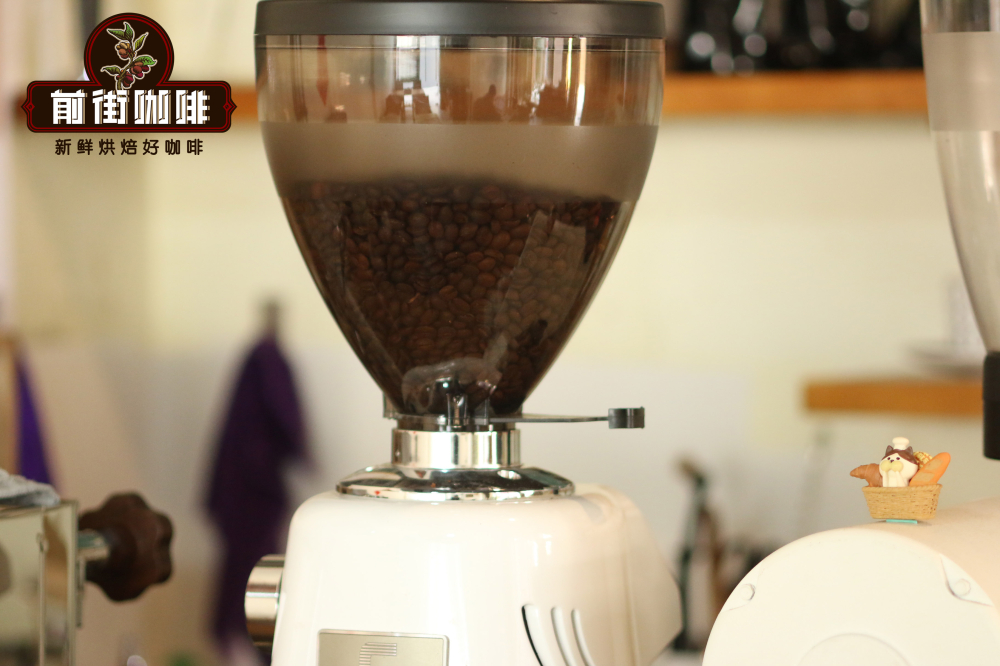
The espresso machine used by Front Street has a double basket capacity, requiring 20 grams of coffee powder each time. The brew ratio is 1:2, meaning 40 grams of coffee liquid is extracted within a reasonable time. Generally, a single extraction is controlled between 20 and 35 seconds.
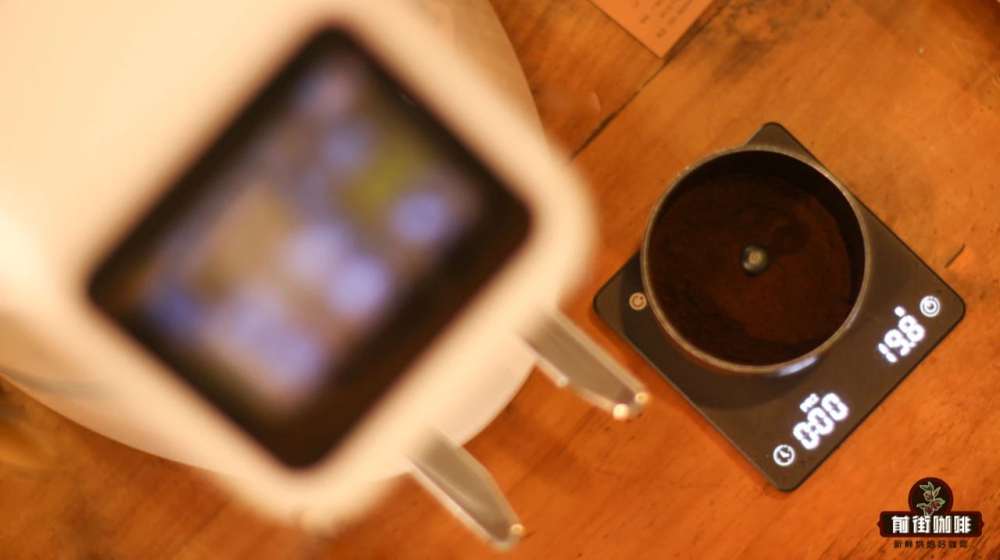
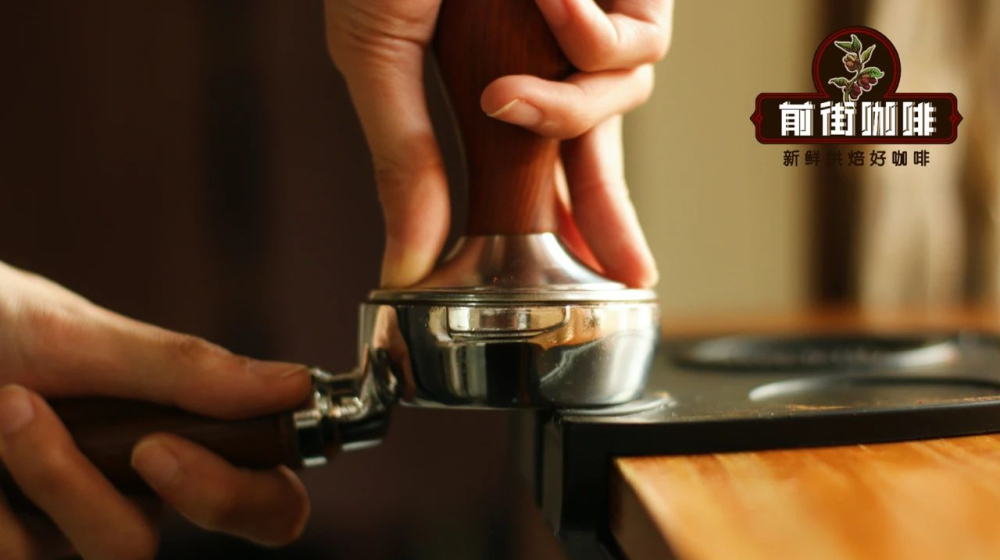
Before extraction, we need to first wipe the portafilter basket dry, turn on the grinder, and grind a double dose of coffee powder. Place it on an electronic scale and measure, adding or removing until it reaches exactly 20 grams. Then use a distribution tool to level the coffee powder, and use a tamper to press straight down firmly, compacting the coffee puck to ensure more stable extraction.
Then turn on the extraction switch and let water run for 1-2 seconds to wet the group head, which also washes away any stuck coffee grounds. Place an electronic scale under the cup that will catch the espresso, and tare it to zero. During extraction, place it together under the group head.

Gently lock the portafilter onto the group head and flip the extraction switch to start. Observe the changes in the extracted liquid. When the electronic scale shows 40 grams of coffee liquid extracted, at around 30 seconds, flip the extraction switch off.

The extracted HuakuiThe SOE espresso has dense crema on top and a rich tropical fruit sweet-tartness in the coffee liquid below, along with gentle light floral notes.Add 160g of ice water or warm water at a 1:4 ratio to make a refreshing SOE Huakui americano; if you like milk coffee, you can also add 240g of steamed warm milk at a 1:6 ratio to soften the espresso's mouthfeel, and finally you get a cup of SOE Huakui latte that tastes like creamy strawberry cookies.
The above content is compiled by CoffeeHunters, a coffee news website.


