







Search Results for: Milk Foam Incorporation

A Complete Analysis of Latte Art Techniques: Key Steps and Considerations from Pouring Technique to Milk Foam Handling
Many coffee enthusiasts encounter the same confusion when practicing latte art: the milk foam seems finely textured and smooth, and the espresso's crema looks normal, yet once it comes to the actual latte art pour, they fail repeatedly. The problem often lies in an easily overlooked step—the integration of milk and coffee. Whether the integration is even not only directly determines whether the latte art pattern can form smoothly, but also affects the balance of taste in the entire latte. This article will focus on the criteria for judging even integration, the appropriate thickness of espresso crema, milk frothing and anti-separation handling, as well as practical details such as circling direction, pouring height, flow rate control, and integration volume, breaking down one by one the key techniques to master in the latte art process, helping you make latte coffee with clear patterns and harmonious taste at home. [more…]

How Is Stirred Integration Different from Pre-Integration? An Analysis of Two Integration Techniques Every Latte Art Enthusiast Must Know
Before creating latte art, there is an often-overlooked yet crucial preparatory step—incorporation. The quality of incorporation directly determines whether the latte art pattern is neat and beautiful, as well as whether the flavor is balanced and unified when the coffee is tasted. For milk coffees that require milk foam, mastering the correct incorporation method can greatly reduce the difficulty of operation. This article will focus on two mainstream incorporation techniques: the classic stirring incorporation, and the recently emerging pre-incorporation. The former suits most scenarios but demands a high level of skill proficiency, while the latter can effectively handle tricky situations such as poor crema quality or latte art in takeaway cups. The article will also combine Front Street Coffee's espresso bean recommendations to explain the impact of coffee bean selection on incorporation and latte art, helping coffee enthusiasts flexibly choose the appropriate incorporation method based on actual conditions. [more…]

The Key to Latte Art Success or Failure: From Milk Fusion Techniques to Practical Steps, Front Street Coffee Teaches You to Improve Latte Quality
Many coffee enthusiasts long to pour beautiful patterns, yet overlook a more fundamental step—incorporation. Incorporation determines whether the latte's flavor is balanced, and it also affects whether the latte art can be presented smoothly. In this article, Front Street will guide you through a deeper understanding of the definition of incorporation, its evaluation criteria, and specific techniques, from controlling the quality of espresso and milk foam to the choice of pitcher spout height, incorporation technique, and incorporation volume, helping you overcome this challenge step by step. Whether you are a beginner just starting out or a barista looking to refine your skills, this content can take your latte art technique to the next level. [more…]

The Essential Guide to Milk Frothing for Specialty Coffee: Milk Foaming Principles, Assessing Integration, and Optimal Temperature Explained
Milk foam is the soul of a latte and a cappuccino. In a proper latte, the milk foam should be thin and fine-textured, with a glossy surface, and go down smoothly. Drawing on Front Street Coffee's hands-on experience, this article systematically sorts out the basic principles of milk steaming, answers the most common questions when steaming milk—why the foam doesn't incorporate, and why the foam floats on the surface during latte art—and gives criteria for judging the degree of incorporation. At the same time, through comparison experiments at different temperatures, the article explains what temperature is most suitable for heating milk and why the foam rapidly collapses after exceeding 70°C. Whether you are a complete beginner or an enthusiast hoping to refine your latte art skills, you will find practical reference here. [more…]

Latte Art Beginner Tutorial: Detailed Guide to Milk Foam Requirements, Pouring Techniques, and Step-by-Step Instructions for the White Heart Pattern
Latte art is one of the techniques that many coffee enthusiasts are most eager to master after stepping into the world of espresso. Common patterns include the solid white heart, multi-layered heart, swan, tulip, and rosetta, among which the solid white heart is regarded as the most basic yet most skill-testing design. Based on the latte art teaching experience of Front Street Coffee, this article systematically explains the two major prerequisites for making a solid white heart—a qualified espresso and milk foam suitable for pouring—and breaks down in detail the key steps such as the amount of milk used for incorporation, the pouring point for forming the pattern, and the injection technique. It also introduces how espresso beans such as Front Street Classic Blend perform in latte art practice, helping beginners stably produce espresso with golden crema at home and laying a solid foundation for subsequent latte art. [more…]
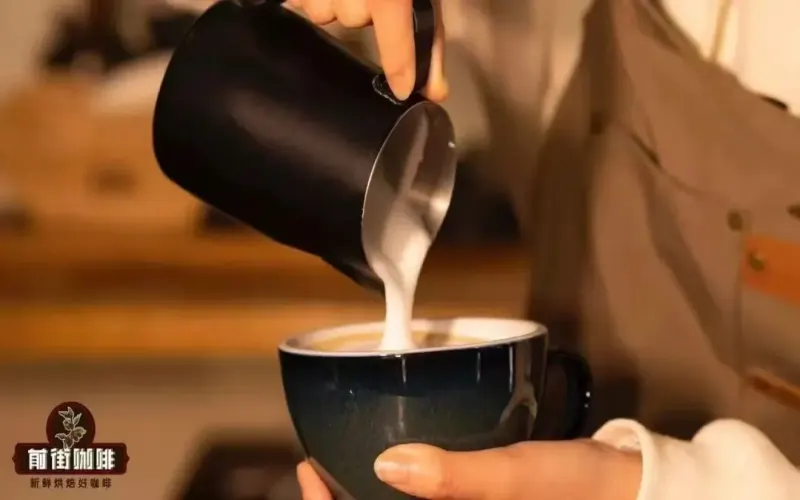
The Complete Guide to Steaming Milk for Latte Art: The Three Stages of Aeration, Texturing, and Pouring, and Thickness Control for the Multi-Layer Heart and Swan Patterns
To pour a thousand-layer heart, a leaf, or a swan, the condition of the milk foam is often the key to success or failure. Frothing milk may seem complicated, but it can actually be broken down into three stages: aeration, texturing, and integration. Aeration determines thickness, texturing eliminates large bubbles, and integration improves flow. This article starts from the principles of steaming and frothing, explains the foam thickness and thinness required by different latte art patterns, and details vortex formation, steam wand depth control, and how to fix the foam when it separates after steaming. It also covers the effect of espresso crema on latte art and recommends Front Street Coffee's classic espresso blend to help you systematically master the practical techniques for producing fine, glossy milk foam. [more…]

Simple Latte Art Illustrated Guide | What is the principle behind coffee latte art? Which kind of milk is used to make latte art? Is it hard for coffee beginners to learn latte art?
Many people ask Front Street, how long does it take to learn latte art? If we're just talking about producing a good-looking pattern, with a bit of luck it only takes one day. If we're talking about truly mastering a pattern, it takes at least 4 days. So many people ask, where do these 4 days come from? It's simple: Day one, read this article from Front Street; day two, practice; day three, [more…]

Why Is Latte-Making a Key Part of Barista Assessments? A Full Breakdown of Milk Foam Quality and Latte Art Techniques
In the skill assessment of baristas, making a hot latte is often regarded as a key evaluation component. From grinding and extraction to milk frothing and latte art, every step reflects whether a barista's basic skills are solid. A high-quality latte not only requires standardized and smooth operation, but also fine, dense milk foam with moderate thickness and good fluidity, so that it can support delicate latte art patterns. In addition, controlling the milk temperature between 60°C and 65°C can bring out the sweetness of lactose, while the quality of integration directly affects the taste and the cleanliness of the latte art background. Front Street Coffee often shares that by observing the overall performance of a latte, a barista's core abilities can be comprehensively evaluated, which is also an assessment method that other coffee drinks cannot easily replace. [more…]

From Milk Frothing to Heart Patterns: A Complete Beginner's Guide to Latte Art and Practical Tips
Many people who are just getting into coffee are drawn in by latte art, thinking that a casual pour will produce a heart or a tulip, but once they actually try it, they discover the milk always floats on the surface in clumps. In reality, latte art isn't as mysterious as it seems—the key lies in whether the milk foam's condition, the pouring technique, and the pitcher-holding posture are all on point. Today, Front Street Coffee will start with milk steaming and break down the entire latte art process step by step, including the steam wand's position and depth, the appropriate steaming temperature, methods for practicing pouring, the details of holding the pitcher and the cup, and finally a discussion on how to practice efficiently. Whether you're a complete beginner or someone who just can't seem to pour a pattern, this article will help you find where the problem lies. [more…]

The Principles of Latte Art | What Is the Key to Making Latte Art? Why Is There No Pattern When Making Latte Art?
“Why can't my latte produce a beautiful pattern? Why is it that when others casually wiggle the milk pitcher, they can make a heart or leaf with lines! But when I wiggle, it always just looks like a blob… Is there something wrong with my hands?” No! Maybe it's your pitcher-holding posture that's wrong~ What is the principle behind latte art? Why can wiggling produce a pattern? Espresso [more…]
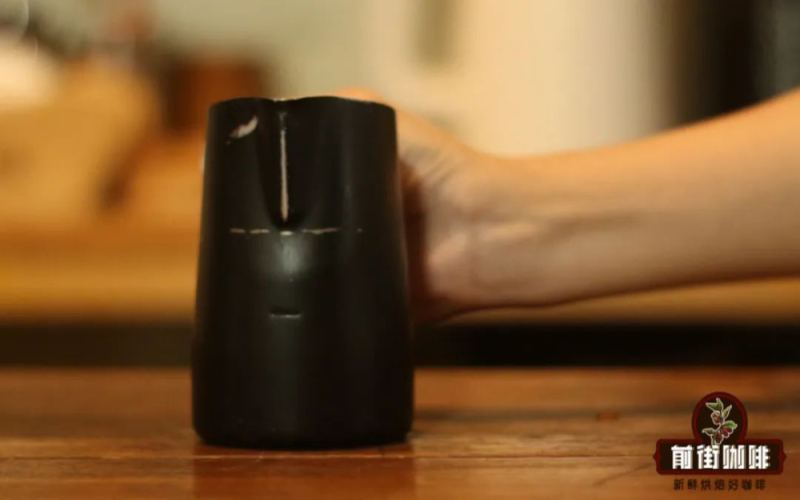
Frequent bubbles in milk foam hard to eliminate? Master the three stages of steaming and key techniques to make fine latte art milk foam
Many coffee enthusiasts encounter the same frustration when practicing latte art: the surface of the milk foam is covered with a large number of tiny bubbles that simply won't break up no matter how much you tap the pitcher, seriously affecting the formation of latte art. The root of the problem often lies not in luck, but in the control of details during the steaming process. From the perspective of Front Street, this article systematically breaks down the three core stages of milk frothing—aeration, texturing, and integration—and analyzes one by one the three major causes of excess bubbles: insufficient texturing, repeated aeration during the integration stage, and milk that starts at too high a temperature. It also shares practical tips on steam wand angle, pitcher selection, and temperature management to help you consistently produce dense, smooth milk foam at home. [more…]

Front Street Coffee shares a complete latte art tutorial: the principles behind the design, pouring and drawing techniques, and practice suggestions
Many coffee enthusiasts step into the world of coffee precisely because of latte art, hoping that one day they will be able to casually sketch out delicate and refined patterns. So how long does it actually take to master latte art? In fact, if you just want to make a good-looking figure, it can be achieved in as quickly as one day, or as slowly as two or three days; if you want to challenge difficult combination patterns, you need to understand the principles and practice accordingly. This article is compiled and shared by Front Street Coffee on the drawing principles of latte art, the key techniques of integration and drawing, finishing considerations, and practice suggestions. It also reminds you of the impact of cup diameter and bottom curvature on drawing, helping you get started with latte art more smoothly. [more…]

Latte Art Coffee Ratio Guide: A Full Breakdown of Espresso Dosage, Milk Frothing, and Pitcher Handling Techniques
To make a beautiful and delicious latte art, having good equipment alone is not enough. The choice of ingredients, espresso extraction ratio, milk foam condition, and pitcher-holding technique all directly affect the final result. Based on Front Street's hands-on experience, this article explains in detail the matching ratio of espresso to milk when making a latte, recommends espresso blend beans suitable for latte art, and breaks down the principles of integration and pattern formation in latte art. At the same time, addressing the common pitcher-holding posture problems of beginners, it provides two practical gripping suggestions to help you develop stable muscle memory through repeated practice, gradually improving your success rate in latte art and the fineness of your patterns. [more…]

Latte Art from Beginner to Advanced: A Full Breakdown of Pouring and Design Techniques Plus Practice Tips
Latte art is what draws many people into the world of coffee, but how long does it actually take to master? In this article, Front Street Coffee shares the core principles and practical details of latte art, starting from the two main actions of integration and drawing, breaking down key elements such as height control, the timing of returning the cup, the use of force, the offset of the landing point, and the finishing technique, and offering four practical practice tips to help enthusiasts avoid detours and quickly get the hang of basic patterns like hearts, leaves, and tulips, and even take on more difficult combination patterns. [more…]

Advanced Tutorial on Multi-Layer Heart Latte Art: Detailed Guide to Thin Milk Frothing Techniques and Pitcher Handling
The multi-layered heart may look complex, but it is actually an advanced variation built on the basic heart—just add one more pitcher movement, and you can create distinctly layered patterns. However, it places higher demands on milk foam thickness, the amount of milk used for integration, and the skill level of your technique. In this article, Front Street Coffee breaks down the entire process of making a multi-layered heart in detail: from precise control of steaming milk foam to 6/10 full, to a comparative recommendation of two pitcher-holding postures, and then to the flow rate and cup-return rhythm in the actual pouring, helping you transition smoothly from the basic heart to the multi-layered heart and laying a solid foundation for subsequent complex patterns such as the wheat ear and swan. [more…]

Detailed Guide to Latte Art Techniques: Key Points on Coffee Bean Selection, Milk Frothing, and Latte Art Integration
Latte coffee may seem simple, but it involves multiple steps such as coffee bean roast level, milk frothing, and pouring and latte art. This article traces the historical origins of the latte, analyzes the impact of coffee beans at different roast levels on latte flavor, and recommends several Front Street espresso blends suitable for making lattes. It also breaks down in detail the capacity, position, stages, and temperature control of steaming milk foam, as well as the basic process of pouring and latte art. Whether you are a beginner just starting out or an enthusiast looking to refine your flavor, you will find practical references here. [more…]

Master Latte Art from Scratch: A Complete Breakdown of Hand Gestures and Steps, Plus Efficient Practice Methods for Beginners
To make a hot latte with beautiful latte art at home, drinking coffee alone is not enough—the key lies in mastering milk frothing and latte art techniques. From the perspective of Front Street, this article first introduces the origins and proportions of latte coffee, then gradually breaks down the two major stages of latte art: integration and pouring, and explains in detail the air intake and texturing steps of milk frothing. The article also includes efficient practice tips to help you transition from practicing with water to working with real milk, so you can avoid detours and quickly pour basic patterns like hearts and tulips. [more…]

Caramel Macchiato Sweetness Analysis: From Espresso Macchiato to the Starbucks Classic – Preparation and Tasting Guide
Is Caramel Macchiato Actually Sweet? This classic milk coffee, introduced to the world by Starbucks in the 1990s, actually traces its roots to the traditional Italian macchiato. From the perspective of Front Street Coffee, this article explores the origins of the macchiato and the meaning of its markings, explains espresso extraction parameters, milk foam steaming techniques, and the layering method for making a caramel macchiato, and compares the differences between a macchiato and a latte in terms of ratio and taste. Whether you prefer the rich intensity of espresso or the smoothness of milk, you'll find the cup that suits you here. [more…]
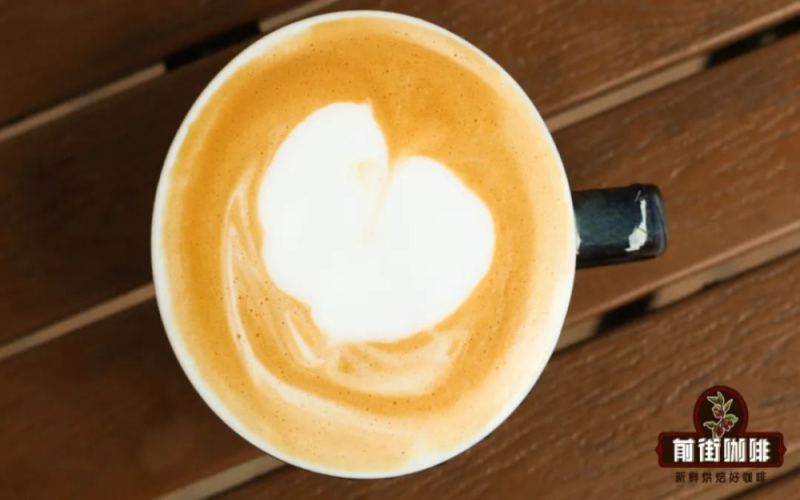
Latte art milk foam always clumps? Understand the causes of separation and practical solutions
When latte art is being poured, the milk foam always goes into the cup in a single blob, neither blending with the coffee nor forming any pattern. This is usually caused by foam separation. This article analyzes why milk foam turns into a blob from two angles, frothing technique and standing time, and gives specific, actionable solutions, including controlling the depth of the steam wand, coordinating the timing of extraction and frothing, and using pitcher-to-pitcher transfer to mitigate separation. Store information for Front Street Coffee is included at the end, making this a useful reference for coffee enthusiasts practicing latte art. [more…]
From Heart to Swan: An Advanced Coffee Latte Art Tutorial, Mastering the Shaping Techniques of Multi-Layer Heart, Rosetta, and Tulip
Want to make coffee-shop-quality latte art at home? This tutorial will take you from the basics to advanced techniques. The article first emphasizes the importance of steaming milk, and points out that integration is the key step that determines whether the milk coffee has an even texture. Then, we break down the specific techniques for five classic patterns—heart, layered heart, rosetta, tulip, and swan. From choosing the pour point and controlling the flow to the timing of bringing the cup back and the finishing motion, every step is explained in detail. Whether you are a complete beginner or an advanced player looking to break through a plateau, you will find practical tips and practice directions here. [more…]