







“Why can't my latte produce beautiful patterns?Why can others just wiggle the milk pitcher casually and get a heart or leaf with clear lines! But when I wiggle, it always looks like a blob... Is there something wrong with my hand?” No! Maybe it's your pitcher-holding posture that's wrong~
What is the principle of latte art? Why can wiggling create patterns?
The crema of espresso and the milk foam produced during milk steaming have lower density, so they float freely on the surface of the liquid. When the two blend, the milk and coffee liquid sink, while the crema and milk foam float on the upper layer. With the sharp contrast between the two colors, beautiful patterns are formed.

Latte art has two main stages: incorporation + pattern formation. With the same pitcher of milk foam, during the incorporation stage, you need to appropriately raise the pitcher spout to pour in the milk liquid, and the milk foam is pushed into the coffee with force, so white will not appear on the surface. When it comes to forming the pattern, you need to lower the pitcher spout, so the milk foam lands gently on the upper layer. Combined with different pouring techniques, it can form varied white lines.
Beginners should choose one fixed posture for practice,
and form muscle memory~
I believe many friends, when learning latte art, watch videos online. In the videos, the instructors' pitcher-holding postures are all different, so everyone keeps changing their pitcher-holding posture while learning. In the end, they find that no matter how they practice, the pattern in every cup is still very unstable, and their wrist is very sore.
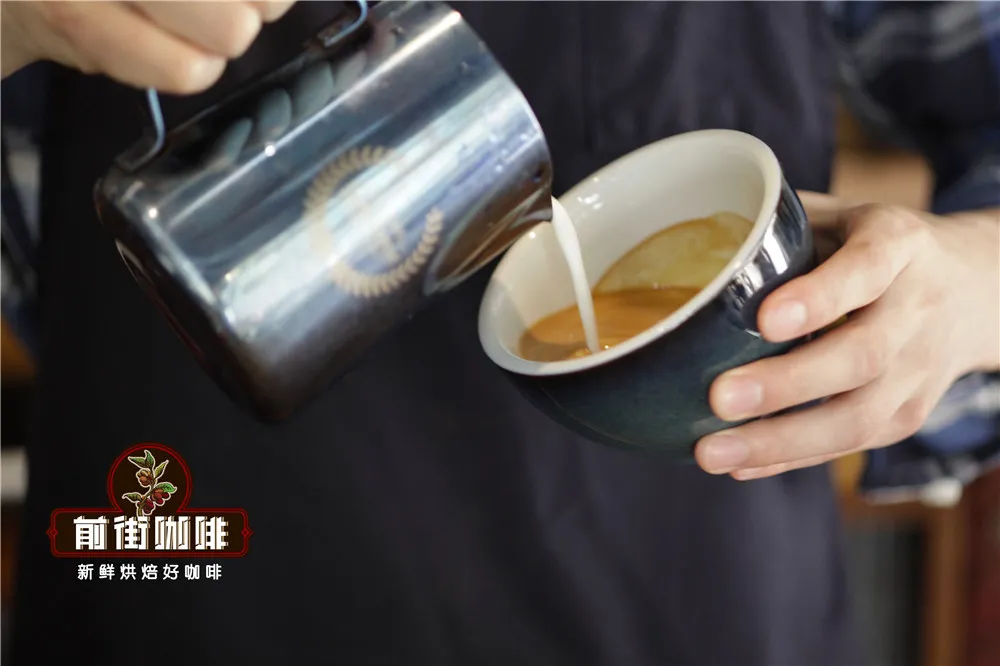
In fact, no matter which pitcher-holding posture it is, the goal is only one: while holding the latte art pitcher steadily, the wrist can move flexibly.One thing to note is that you should hold the latte art pitcher steadily, not grip it desperately. If you hold the milk pitcher too tightly, your wrist won't be able to move flexibly! The net weight of a latte art pitcher is about 180-280g. After adding milk, the weight will multiply several times. At this point, if you haven't chosen a comfortable posture and practiced for a long time, then no matter how hard you try later, the pattern will not be stable~
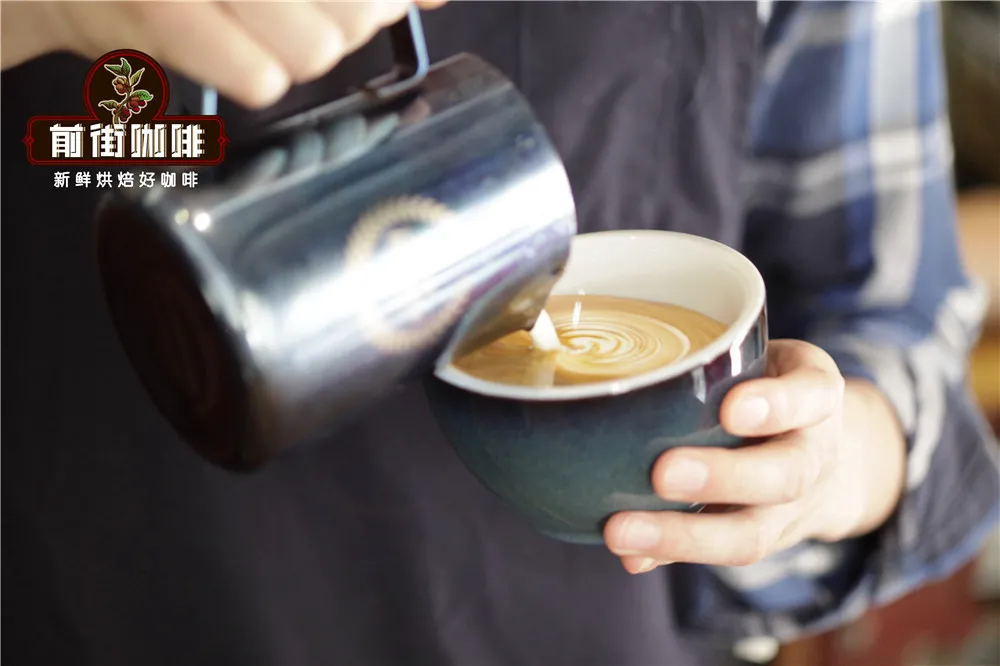
When you fix one posture and practice for more than 20 days, it will become your habit.After it becomes a habit, you will find that your wrist can flexibly control the movement of the milk pitcher and the flow rate of the milk foam, and muscle soreness causing hand tremors will no longer occur. The stability of pattern formation will also be greatly improved.
How do you hold the latte art pitcher steadily?What are the pitcher-holding postures?
Everyone's wrist strength is different, so in many cases we need to use the finger grip position as assistance. It is very important to choose a pitcher-holding posture that suits you! Do not force yourself to practice a posture that even you find awkward~
The first grip: fist grip pitcher style (suitable for friends with less wrist strength)
Suitable for making basic patterns such as hearts, tulips, and leaves
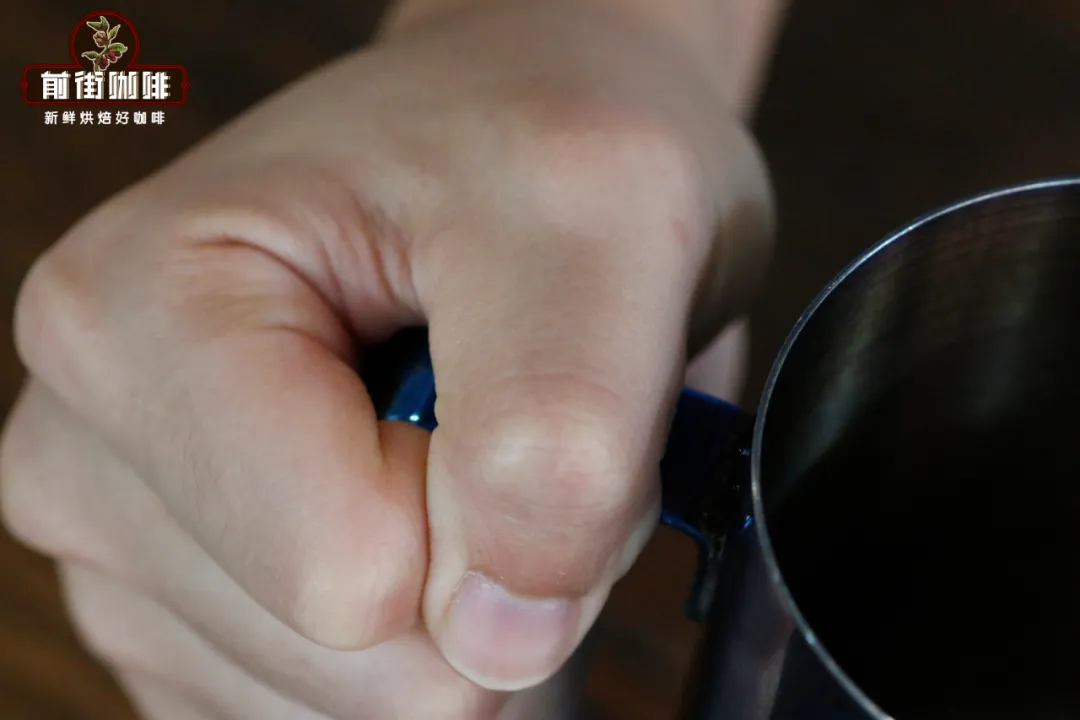
The fist grip pitcher style is to hold all fingers around the milk pitcher handle. In this case, the hand strength is very sufficient~But note, do not grip the handle desperately! Also do not just casually hold it with your fingers, letting the handle shake freely in the space between your fingers! The former means you are holding it with excessive force, which will affect the flexibility of your wrist;
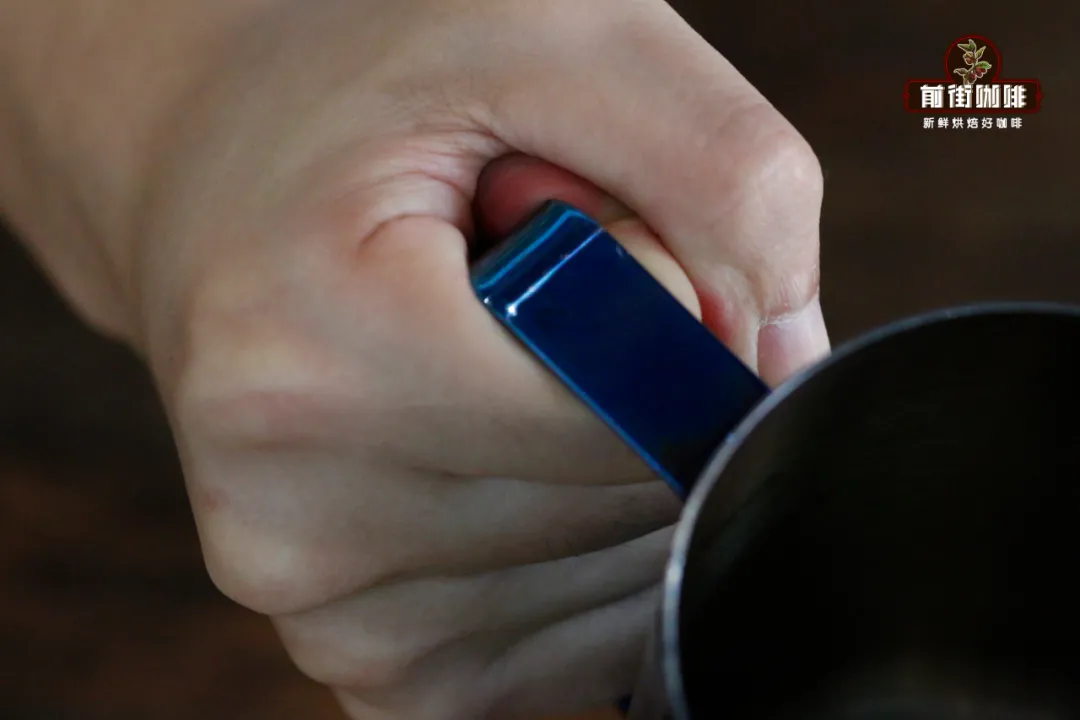
(holding too tightly)
The latter means you are not holding it with force, so the milk pitcher will not release milk foam according to the rhythm of your wrist's swinging. It may even seem like the milk pitcher has its own ideas and casually shakes out milk foam by itself, and the pattern produced this way easily turns into a blob...

(holding too loosely)
The second grip: thumb and index finger pinching the handle style (suitable for friends with greater wrist strength)
Suitable for making patterns with obvious lines and combined patterns
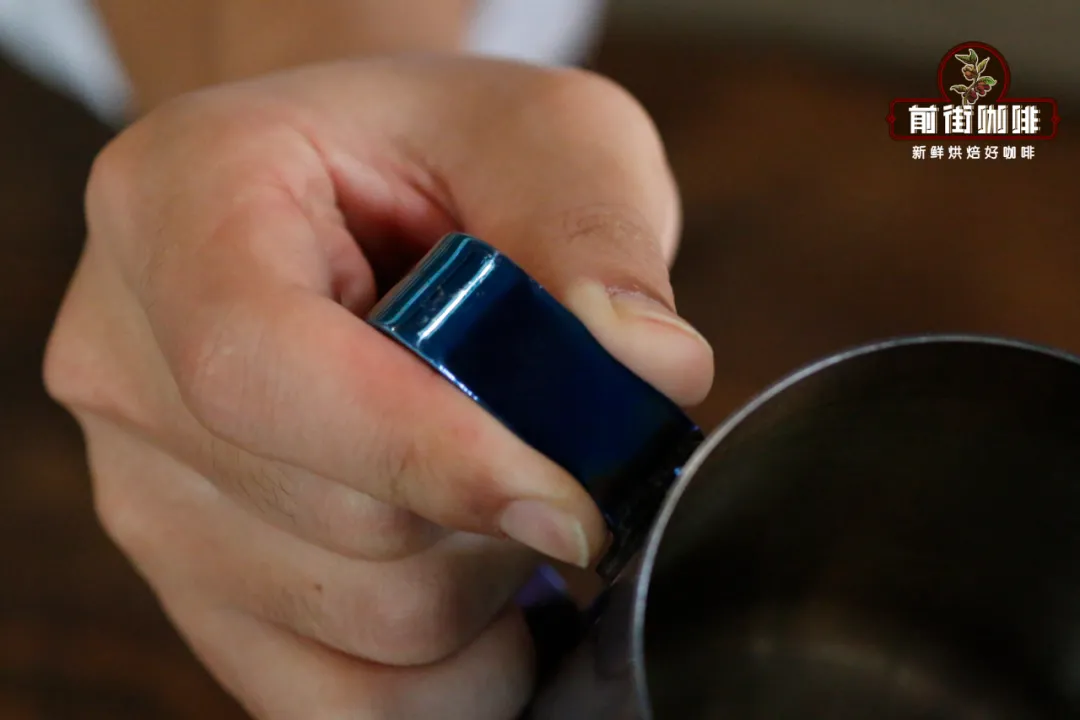
This grip is similar to the first one, except that you pinch the two sides of the top of the handle with your thumb and index finger, concentrating hand strength into these two fingers, and then the middle finger, ring finger, and little finger assist in steadily gripping the rest of the handle. This grip can better control the flow rate of the milk foam. Many baristas use it when practicing etched/combined patterns~
Why is it that my milk foam is steamed pretty well, and my pitcher-holding posture is also correct!
But I often still can't producea pattern?
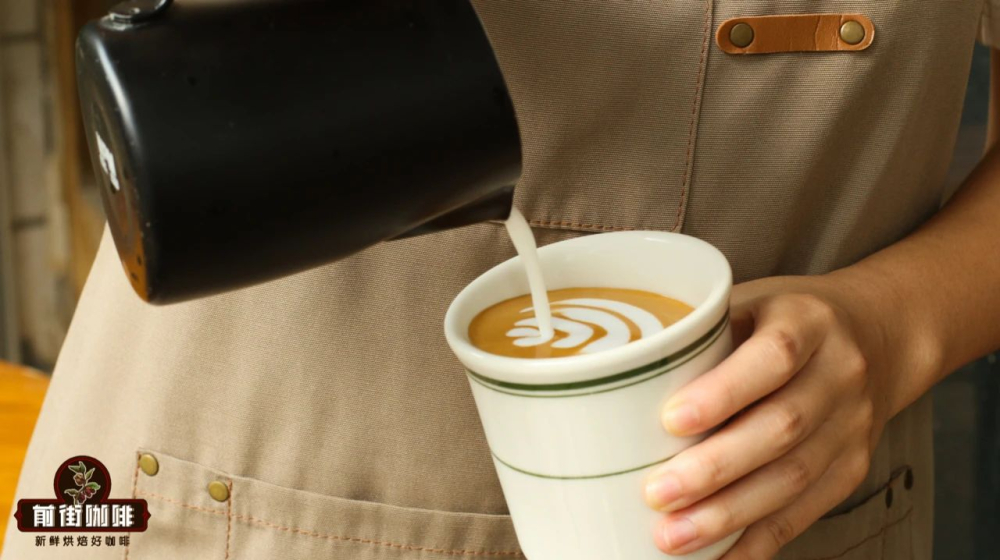
First of all, for a cup of latte, whether it has latte art or not is not important! What matters is incorporation~ Because poor incorporation not only affects pattern making, but also affects the expression of the coffee's flavor and mouthfeel.
To incorporate evenly, keep a distance of 5-8cm between the milk pitcher and the coffee surface, then hold the cup at an angle and incorporate at a low flow rate. During incorporation, choose to rotate only one of the milk pitcher or coffee cup, not both at the same time, because this easily makes the milk foam and coffee fight and create bubbles. When incorporation reaches seven or eight tenths full, you can start making the pattern~
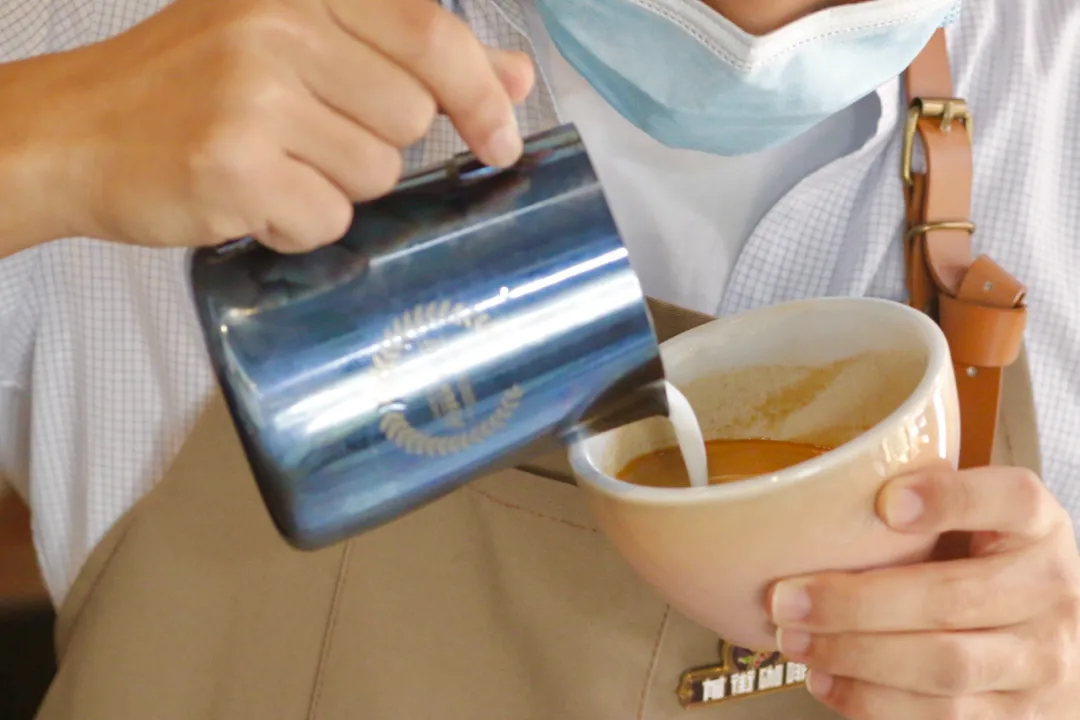
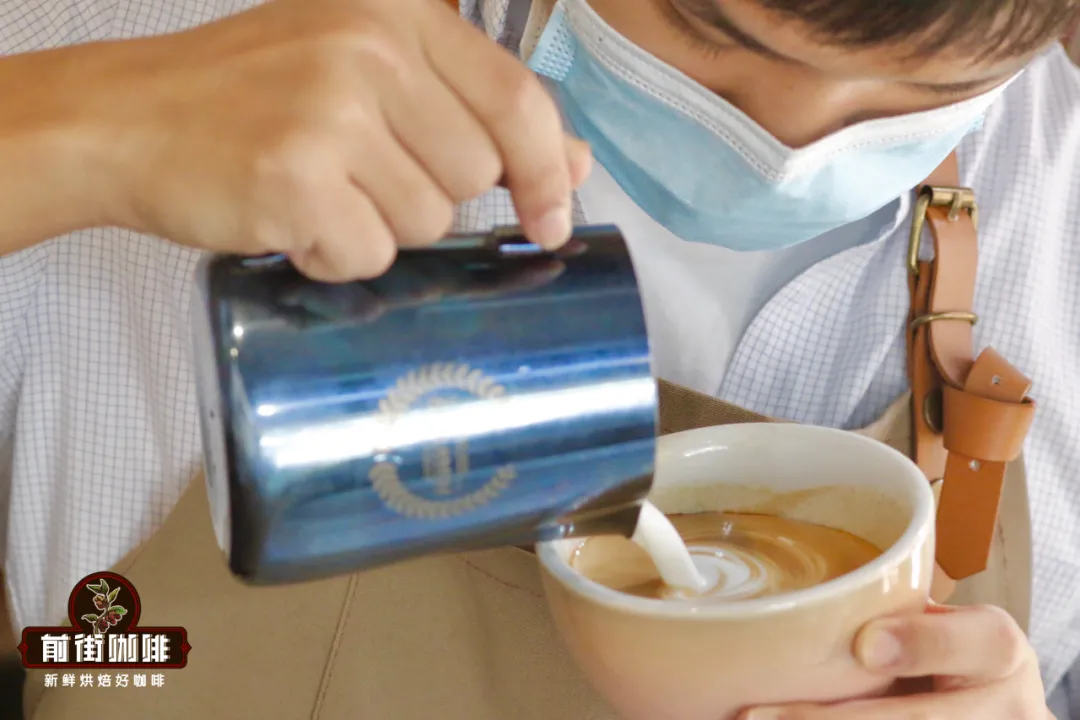
After incorporation is complete, we can pause briefly (no more than 3 seconds; if it exceeds that, the milk foam begins to separate, causing the mixed milk foam to lose fluidity). The purpose of the pause is to stabilize the still-swirling flow and avoid the subsequent pattern drifting. When it is time to form the pattern, we need to straighten the cup at the same time, so that the milk foam can flow into the cup as the angle changes~
The above content is compiled by CoffeeHunters, a coffee news website.


