







Why Does Cappuccino Foam Separate During Latte Art?
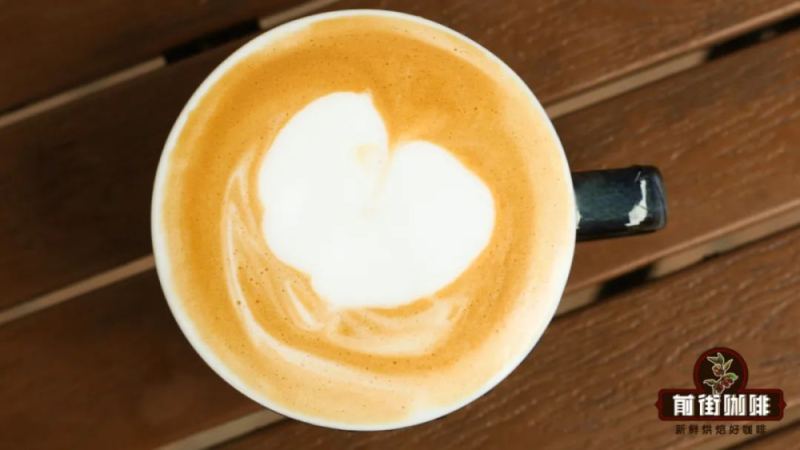
Clumpy milk foam during a pour is almost always separation: the foam and the milk have split into two separate bodies. It is not the intentionally thick foam of a cappuccino. The usual causes are steaming technique and standing time, and the fix is to control steam wand depth, time extraction and steaming together, and pour pitcher to pitcher to keep the foam incorporated.
Steaming has three overlapping steps: aeration, texturing, and incorporation. If the steam wand sits too deep during texturing, large surface bubbles never get cut into fine ones, so the foam cannot merge back into the milk. As heating continues, the temperature gap keeps them apart. Keeping the wand just at the surface during aeration and creating a steady vortex afterward holds the cappuccino foam and milk together.
When latte art is being poured, the milk foam always goes into the cup in clumps, and it neither blends with the coffee nor allows any pattern to be made. This is usually caused by milk foam separation. This article analyzes why milk foam turns clumpy from two angles: steaming technique and standing time, and gives specific, actionable solutions, including controlling the depth of the steam wand, scheduling extraction and steaming in sync, and using pitcher-to-pitcher pouring to reduce separation. At the end is Front Street Coffee store information, suitable for coffee lovers who are practicing latte art.
Or this situation:
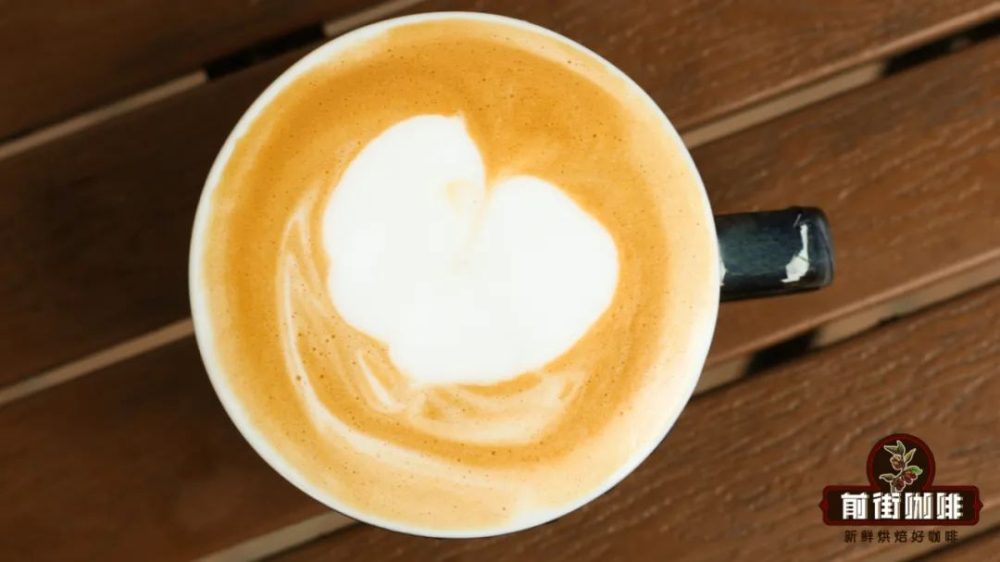
Everything is ready, but during the actual pour the milk foam keeps falling into the cup in whole clumps. It cannot blend with the coffee, and it cannot draw a decent pattern. During the steaming stage everything looked normal, so why does it turn clumpy as soon as latte art begins?
Why does milk foam turn clumpy?
The clumpy state mentioned here is not the intentionally thick foam of a cappuccino, but rather foam that, during the pour, comes out like a separate lump and is not at all one integrated body with the milk.

There is only one explanation that can cause this state: "separation." Milk foam and milk were originally one body, but later split into two things. So the question is, what exactly caused this situation?
1. Incorrect steaming method
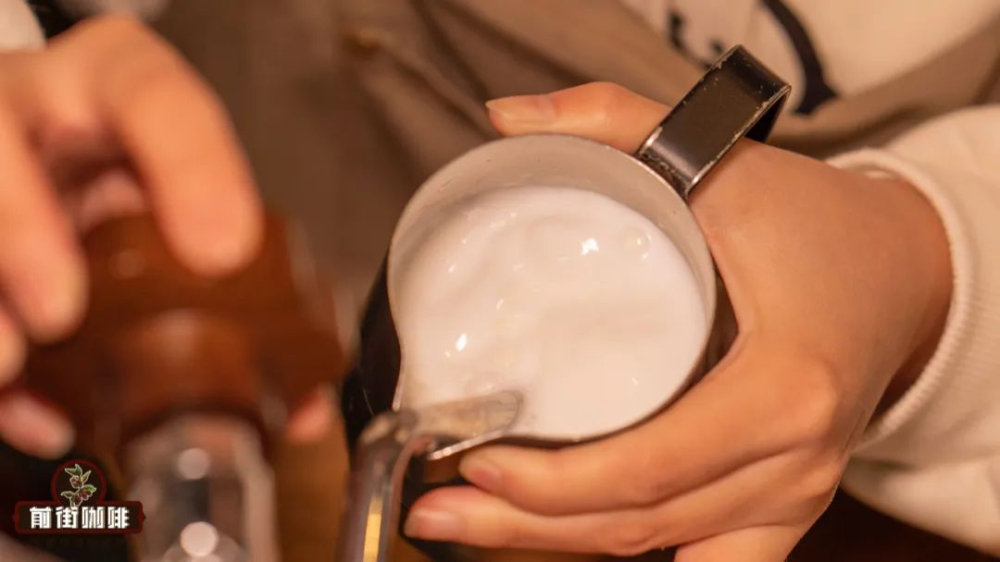
Milk foam steaming is usually divided into three steps: aeration, texturing, and incorporation. First, use the steam wand at the surface of the milk to introduce air and form large bubbles wrapped in protein; then bury the steam wand in the milk to chop the large bubbles into fine bubbles; finally, create a vortex so the milk foam and milk mix evenly. When the temperature is right, steaming is finished. (Texturing and incorporation basically happen at the same time.)
The problem often lies in the texturing step. If the steam wand is inserted too deep, although it can create a vortex, those large bubbles floating on the surface are hard to cut into. If the bubbles cannot be cut, then afterward the milk foam cannot be incorporated into the milk, so as heating continues, the steam wand is merely raising the temperature of the milk, while the milk foam, because of the temperature difference from the milk, cannot merge with it and eventually separates.
The solution is actually very simple: do not let the steam wand go too deep. It is enough for the milk to just cover the steam wand's air hole. Foam steamed this way is both fine and dense and is less likely to separate.
2. Leaving it for too long
This is a high-risk area for milk foam separation. Some friends, when they first start practicing latte art, worry that the espresso will lose its flavor if left too long, so they steam the milk foam first and extract the espresso afterward; others clean the machine right after steaming and leave the latte art sitting there. Both practices let the milk foam stand too long and separate from the milk.
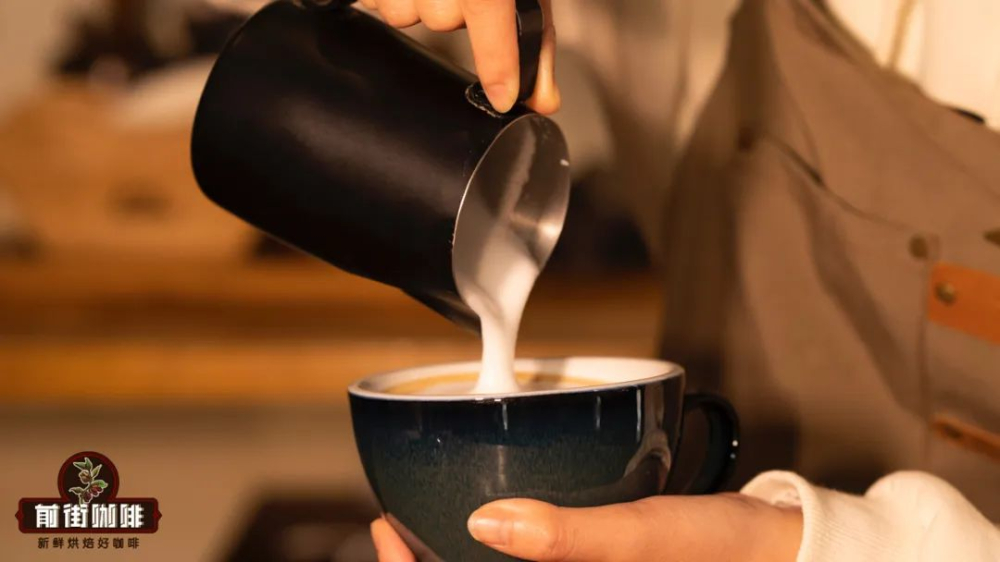
Front Street's suggestion is to avoid this problem by preparing both at the same time. Taking a regular latte as an example: espresso extraction takes about 30 seconds, while milk foam steaming time depends on the steam strength of the coffee machine, roughly between 15 and 20 seconds; here we calculate it as 20 seconds.
If they are to be completed in sync, the timing on both sides must be controlled well. Start extraction first, and begin steaming the milk foam only when the espresso has run for about 11 seconds. In this way, when the espresso finishes, the milk foam is just ready too. (For some espresso machines without an automatic extraction function, you can allow a 1 to 2 second time difference and stagger the moment you press the stop extraction button.)
If, due to special circumstances, the milk foam still sits for a relatively long time after steaming, another method can be used to reduce the impact of separation: "pitcher-to-pitcher pouring."
Pitcher-to-pitcher pouring can help eliminate some of the large bubbles that were originally present, and at the same time, by pouring back and forth, let the milk and milk foam merge again and reduce some of the thickness. So, if the milk foam separation is not caused by a technical problem, we can rely on pitcher-to-pitcher pouring to ease the negative effects of separation. (After pouring, remember to swirl the pitcher clockwise again; this can effectively improve the incorporation of milk and milk foam.)
Front Street Coffee (FrontStreet Coffee)
No. 10, Bao'an Qian Street, Yandun Road, Dongshankou, Yuexiu District, Guangzhou, Guangdong Province
The above content is compiled by CoffeeHunters, a coffee news website.


