







Search Results for: Highlands Province Producing Region
A Complete Guide to Papua New Guinea Coffee Regions: Grading and Flavor from the Highlands to the Bird of Paradise Varieties
Papua New Guinea is an archipelago nation in the southwestern Pacific, with a coffee-growing history dating back to the late 19th century. Today, 95% of its production comes from smallholders, and all of it is Arabica. The country's coffee is mainly distributed across highland regions such as the Eastern Highlands, Western Highlands, Jiwaka, and Chimbu Provinces, with Bourbon, Typica, and Mundo Novo as the primary varieties. The coffee beans from Paradise Bird Estate, which Front Street Coffee has sourced, come from the Western Highlands Province, are washed-processed, and present flavors of caramel, cocoa, and almond. This article will provide a detailed introduction to the altitude, varieties, and flavor characteristics of each producing region, and break down its grading standard based on defect counts, giving you a comprehensive understanding of this coffee-producing country known as the "Little Blue Mountain." [more…]
Pichincha Province, Ecuador: A Specialty Coffee Region Nurtured by the Andean Volcanic Highlands
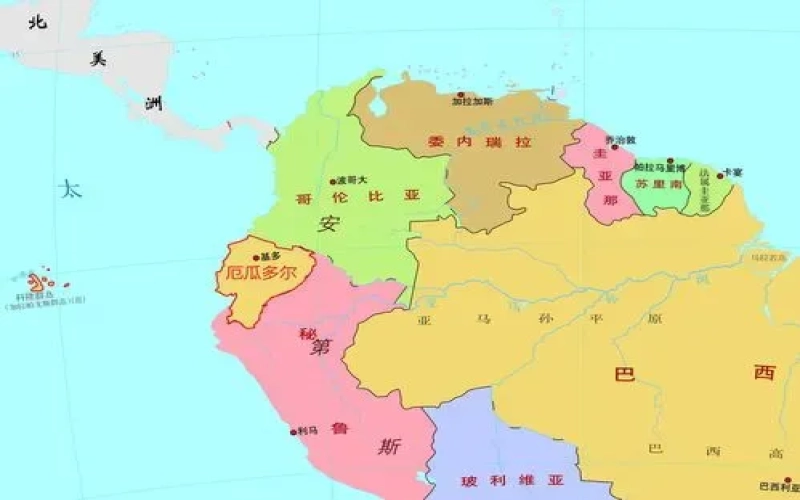
In northwestern South America, Ecuador—traversed by the equator—has become an ideal place for coffee cultivation thanks to the volcanic soils and diverse climates of the Andes. Although cocoa and oil long dominated the country’s economy, the coffee industry, after vicissitudes, is gradually reviving. Among them, Pichincha Province in the northern highlands, with an average elevation of 2,800 meters, volcanic-rich soil, and pure water sources, has nurtured the well-known Sidra variety and brought together representative specialty coffee estates such as Meridian Estate and Sacred Hill Estate. Front Street Coffee has noted that this producing region performed impressively in the 2023 Ecuador Cup of Excellence (COE), demonstrating the unique potential of highland coffee in the Andes. This article will take you into Pichincha Province to learn about its terroir conditions, variety cultivation, and estate stories. [more…]
Kontum Province in Vietnam experienced 32 consecutive earthquakes within 24 hours, putting the main coffee-growing region at risk of reduced production.
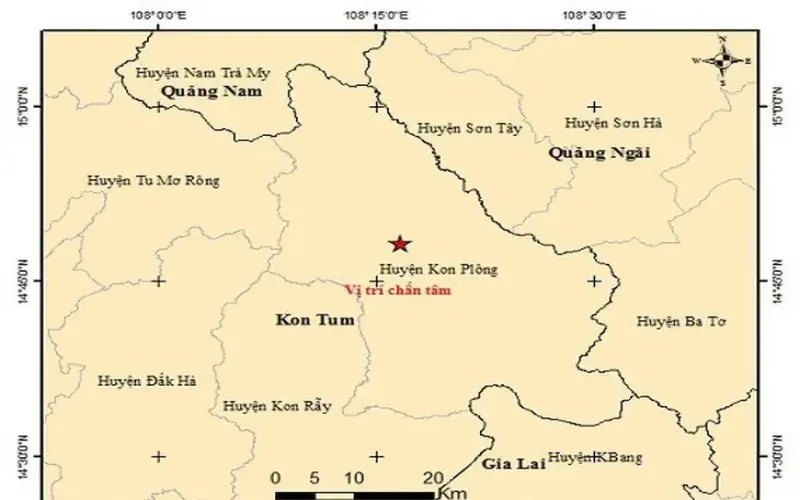
Vietnam's core coffee-producing region—Kon Plong District in Kon Tum Province—recorded 32 earthquakes within just 24 hours, the strongest reaching magnitude 5.0, triggering tremors across the Central Highlands, several surrounding provinces, and even parts of Thailand. Experts say the quakes are linked to reservoir-induced activity and may continue in the future. As a key part of Vietnam's Central Highlands coffee belt, Kon Tum Province and neighboring provinces account for about 70% of the country's robusta coffee output. The earthquakes could cause farmland subsidence, fluctuations in groundwater levels, and shortages of irrigation water. Combined with this year's severe drought and shrinking cultivation area, the risk of a decline in Vietnam's coffee production is further intensifying. Front Street Coffee will continue to monitor developments in the producing region and their impact on the coffee market. [more…]
An In-Depth Analysis of the Variety Characteristics of Papua New Guinea's Coffee Regions and Bird of Paradise Coffee Beans
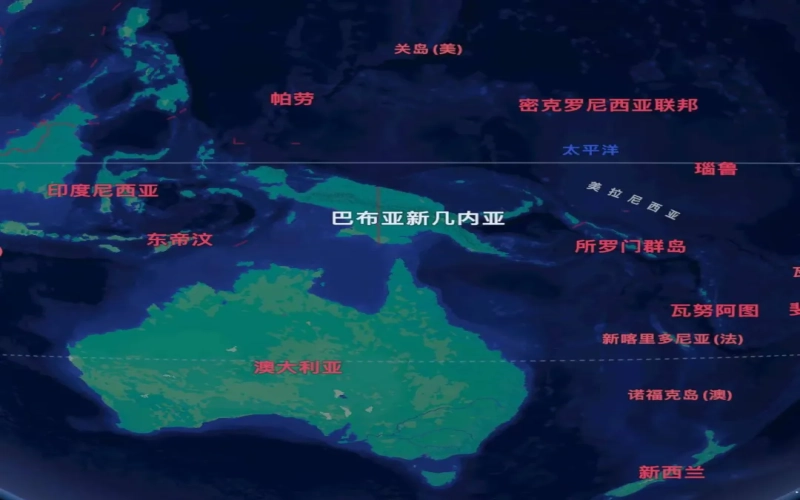
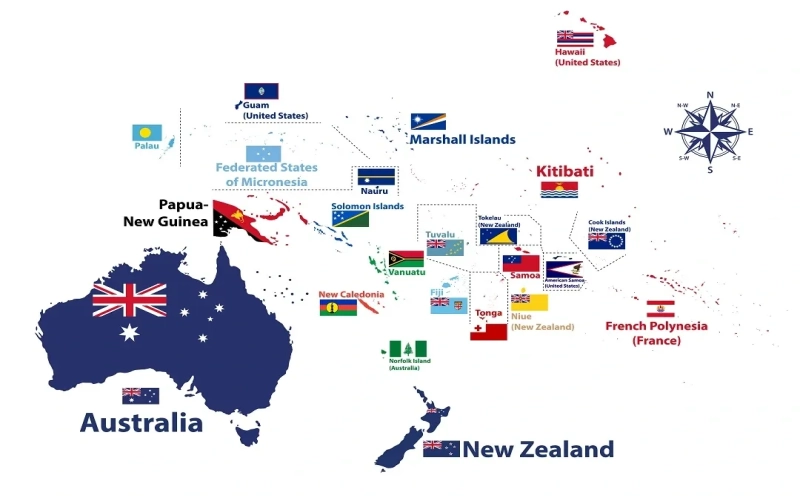
Located in the southwestern Pacific, Papua New Guinea is an island nation made up of over six hundred islands, bordering Indonesia to the west and facing Australia to the south. It boasts high-altitude mountains, volcanic soil, and abundant rainfall, providing exceptional natural conditions for coffee cultivation. Coffee across the country is mainly distributed in four major producing regions: the Western Highlands, Eastern Highlands, Chimbu, and Jiwaka, with the Typica variety standing out in particular, earning the nickname "Little Blue Mountain" for its terroir resembling Jamaica Blue Mountain. The Sigri Estate Bird of Paradise coffee beans brought to you by Front Street Coffee are a quintessential example of washed Typica from this region, offering a balanced flavor of caramel, cocoa, and almond under a medium-dark roast, with a soft citrus-like acidity emerging as the coffee cools. [more…]
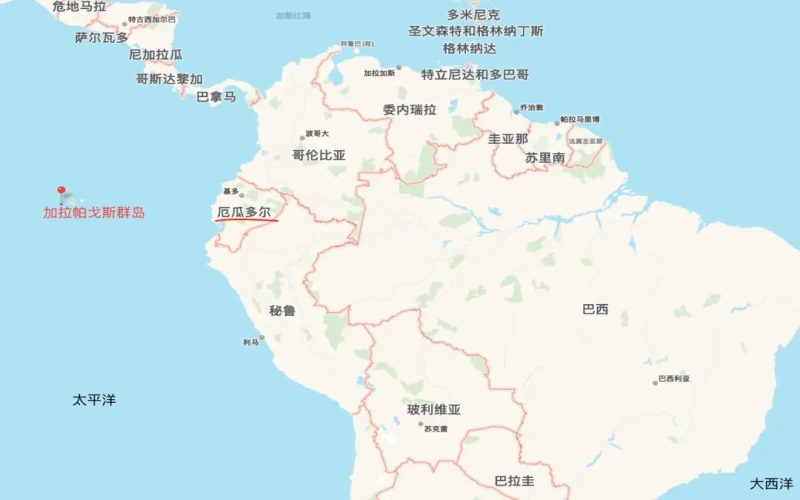
Ecuador Coffee Overview: An Analysis of Producing Regions, Cultivated Varieties, and Processing Methods in the Andes
On the South American coffee belt, besides well-known producing countries like Brazil and Colombia, Ecuador also produces surprisingly good coffee. This country, bisected by the equator, nurtures Arabica beans with a balanced profile of acidity, sweetness, and bitterness thanks to the high-altitude volcanic soils and diverse microclimates of the Andes. From the northern highlands to Loja Province in the south, from Pichincha's Sidra to the organic Bourbon of the Galápagos Islands, Ecuadorian coffee is steadily moving toward specialty status. This article will guide you through the distribution of the country's coffee-growing regions, the main cultivated varieties, and the evolution of processing from traditional natural to modern washed methods, along with Front Street Coffee's recommended perspective. [more…]
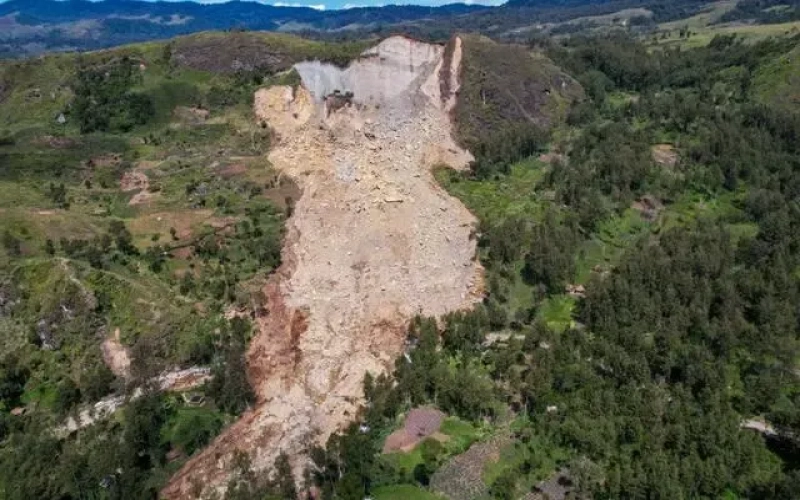
A massive landslide in Enga Province, Papua New Guinea, has buried more than two thousand people, dealing a severe blow to the coffee harvest season.
Recently, the Oceanian nation of Papua New Guinea has been hit by a series of severe natural disasters. A massive landslide occurred in the early hours of the 24th in the Mulitaka area of Enga Province in the north, burying more than 2,000 people, with the death toll now exceeding 670. Months of heavy rainfall that loosened the soil was the main cause of the disaster. The disaster area, Mount Enga, is adjacent to the Western Highlands Province, Papua New Guinea's core coffee-producing region, where coffee is mostly grown in the Waghi Valley. As the coffee harvest season is currently underway, emergency evacuations have left the coffee cherries unpicked, and production is certain to be affected. At least 15 landslides had already occurred in the country previously, and the coffee-producing region of Chimbu Province in the central region was also affected. Several countries have dispatched rescue teams to assist with search and rescue efforts. [more…]
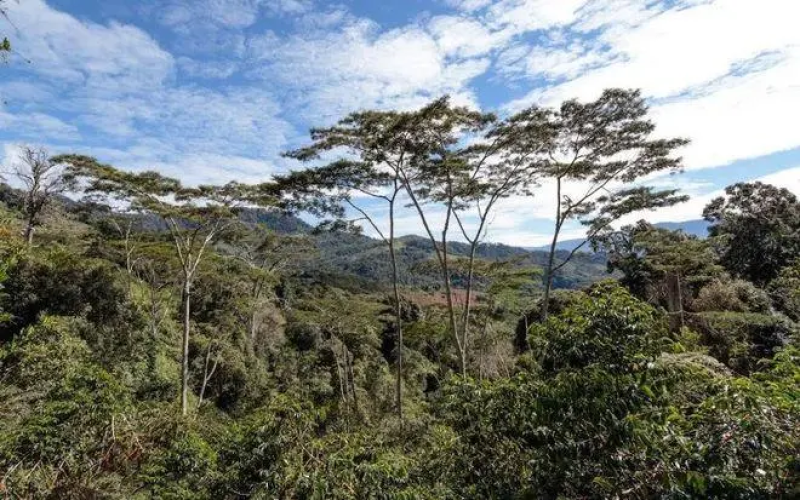
Analysis of the Origin and Flavor of Bird of Paradise Coffee Beans from Sigri Estate, Western Highlands, Papua New Guinea
Coffee produced in Papua New Guinea has long been known as "Little Blue Mountain," and among its origins, the Sigri Estate in Western Highlands Province stands out as a benchmark for the local coffee industry. This article begins with the country's coffee-growing history, tracing the origins of its island climate, volcanic soil, and Typica variety, then focuses on the Western Highlands growing region and the cultivation and processing system of Sigri Estate, and finally introduces the flavor profile and brewing suggestions of Front Street Coffee's this Bird of Paradise coffee bean, giving you a comprehensive understanding of this island coffee that combines richness with fruity acidity. [more…]
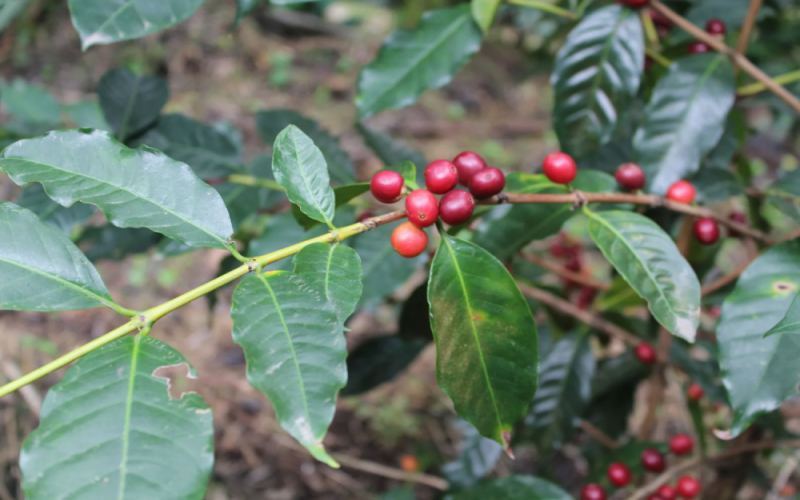
An Analysis of the Development History and Major Producing Regions of Papua New Guinea Coffee: A Full Overview of the Sigri Estate Bird of Paradise Coffee Beans
Papua New Guinea is located in the South Pacific and enjoys a typical island climate and volcanic plateau. Its mountains, at elevations between 1,200 and 2,500 meters, offer natural advantages for growing coffee. Since coffee was introduced at the end of the 19th century, the country has gone through stages including estate establishment, variety introduction, and cooperative transformation. Today, more than 90% of producers are smallholder farmers, and Arabica is overwhelmingly dominant. Five highland provinces make up the main producing regions, among which Sigri Estate in the Western Highlands Province is especially well known. Front Street Coffee has also introduced this estate’s Bird of Paradise coffee beans, which are washed and present a balanced flavor of caramel, cocoa, and almond. [more…]
Analysis of Papua New Guinea Coffee Region Characteristics and HOAC Cooperative Bird of Paradise Bean Flavor
Papua New Guinea is located in the Pacific Ring of Fire, with fertile volcanic soil and high-altitude growing conditions, making it an emerging Arabica coffee origin. Local coffee is mainly produced by smallholders, with a solid flavor profile, low acidity, and a clean cup that suits Asian taste preferences well. Among them, the HOAC cooperative in the Eastern Highlands Province, by joining the Fair Trade organization, uses community development funds to build roads, improve healthcare and education, and upgrade wet-processing equipment, which not only improves coffee quality but also enhances market competitiveness. This article will walk you through the overall characteristics of Papua New Guinea coffee and take a deeper look at the flavor and mouthfeel of HOAC cooperative's Bird of Paradise coffee beans, along with recommendation information from Front Street Coffee. [more…]
Papua New Guinea Kimel Estate: Terroir and Heritage of Oceania's "Little Blue Mountain" Coffee Region
Although Oceania is the smallest continent by land area, its unique volcanic island terrain and diverse climate have given rise to Papua New Guinea coffee, known as the "Little Blue Mountain." From trial plantings in the late 19th century, to the introduction of Typica from Jamaica's Blue Mountain in 1931, and then to the unexpected development opportunity brought by Brazil's frost in 1975, Papua New Guinea coffee gradually moved toward scale and specialty production. This article focuses on the five highland provinces in the central region, with particular attention to the Kimel Estate in the Eastern Highlands Province—a private cooperative owned by smallholder farmers of the Opais people, equipped with a washed-processing facility and stable quality control, combining terroir advantages with cultural character. At the same time, the article also mentions the Sigri Estate Bird of Paradise coffee beans recommended by Front Street Coffee, offering a flavor reference for coffee enthusiasts. [more…]
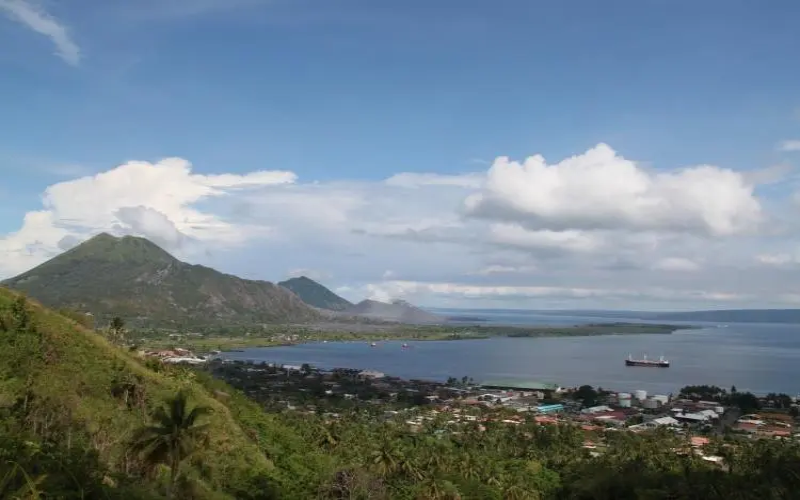
Papua New Guinea Coffee: Why Is It Called the "Little Blue Mountain"? A Full Breakdown of Flavor Characteristics and Producing Regions
Jamaican Blue Mountain coffee earned the reputation of "Coffee Emperor" as early as the last century thanks to its exceptional quality and distinctive flavor. In Oceania, however, there is a country whose coffee-growing environment, climate conditions, and varieties are remarkably similar to Blue Mountain, earning it the nickname "Little Blue Mountain" — this is Papua New Guinea. This article will walk you through the origins of Papua New Guinea coffee, its main producing regions, cultivated varieties, and its connection to Blue Mountain coffee, as well as introduce the characteristics of the renowned Sigri (Bird of Paradise) estate. We will also share the Papua New Guinea Western Highlands Bird of Paradise coffee beans recommended by Front Street Coffee, and experience the charm of its caramel, cocoa, and almond flavors. [more…]
Analysis of Coffee Growing Regions in Ecuador: Which Representative Estates Are There in Chimborazo Province?
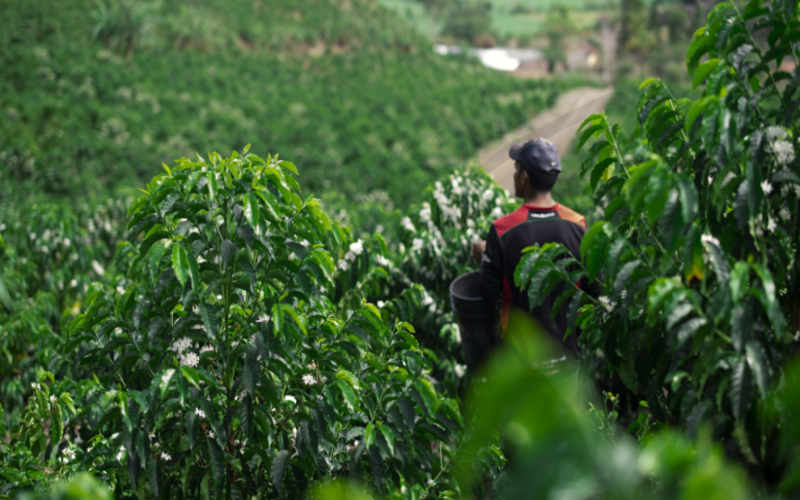
Along the Andes Mountains in western South America, volcanic ash soils and a mild, humid climate have given rise to many major coffee-producing nations. Although Ecuador's output is less than that of Brazil and Colombia, its unique terroir has helped it gradually emerge onto the scene. The country's specialty coffee is mainly concentrated in the mid-mountain zones of the Andes, forming two major distribution patterns, north and south. Among these, Pichincha Province and Loja Province have long enjoyed high recognition, while Chimborazo Province has also begun to attract attention in recent years. This article will review Ecuador's coffee-growing history and geographical advantages, focus on the characteristics of Chimborazo Province's production areas, and introduce the province's most representative estate, Loma Pata, taking readers through the coffee map of this "Equatorial Country." [more…]
A Complete Analysis of the Bird of Paradise Coffee Beans from Sigri Estate in the Western Highlands of Papua New Guinea
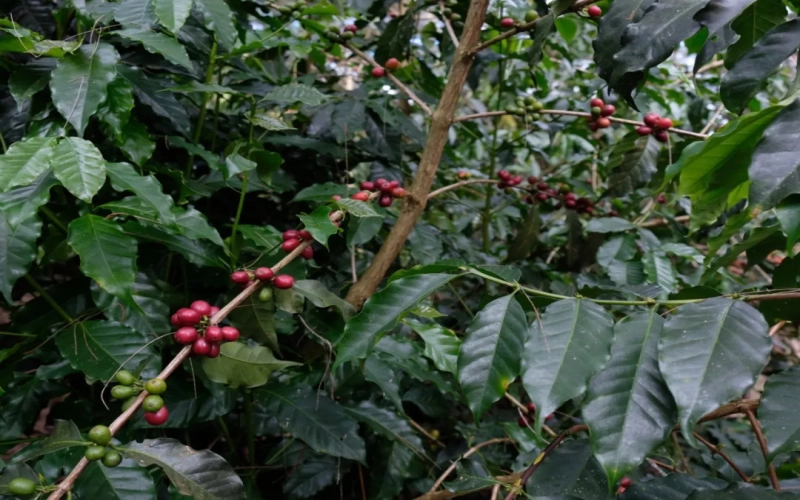
Papua New Guinea is known as "Little Blue Mountain" because it introduced Jamaican Blue Mountain Typica, and its Western Highlands production area is the core of the country's coffee industry. Since its establishment in 1950, Sigri Estate has relied on the volcanic soil and cool climate above 1,500 meters in the Waghi Valley, insisting on pesticide-free cultivation and hand-picking, and since 1957 it has introduced the Blue Mountain Typica variety, using the national bird, the bird of paradise, as its burlap sack mark. This washed Typica launched by Front Street Coffee presents caramel, cocoa, almond notes and citrus acidity after medium-dark roasting, with a mellow and balanced taste. This article will systematically introduce the country's coffee-growing conditions, the terroir advantages of the Western Highlands, and the history and pursuit of quality of Sigri Estate. [more…]

A Complete Analysis of Papua New Guinea Coffee Flavors: Are Bird of Paradise Estate Beans Considered Dark Roast?
Papua New Guinea has frequently appeared in coffee enthusiasts' field of vision in recent years. This land with volcanic soil and an island climate nurtures coffee beans with a distinctive flavor. The Front Street Papua New Guinea Bird of Paradise coffee beans launched by Front Street Coffee come from the Bird of Paradise Estate in the Waghi Valley, and with the Typica variety, AA grade, and a three-time washed fermentation process, they present layers of toasted bread sweetness, nutty notes, and bright fruit acidity. This article will comprehensively break down the flavor code of these beans, from the producing region's environment, cultivation history, and processing methods to brewing parameters, and answer a common question: is Bird of Paradise actually a dark roast coffee? The answer will be revealed in the roast level and brewing suggestions. [more…]
An Analysis of Coffee-Producing Regions in Sumatra, Indonesia, the Flavor of Mandheling Varieties, and the Characteristics of the Wet-Hulling Method
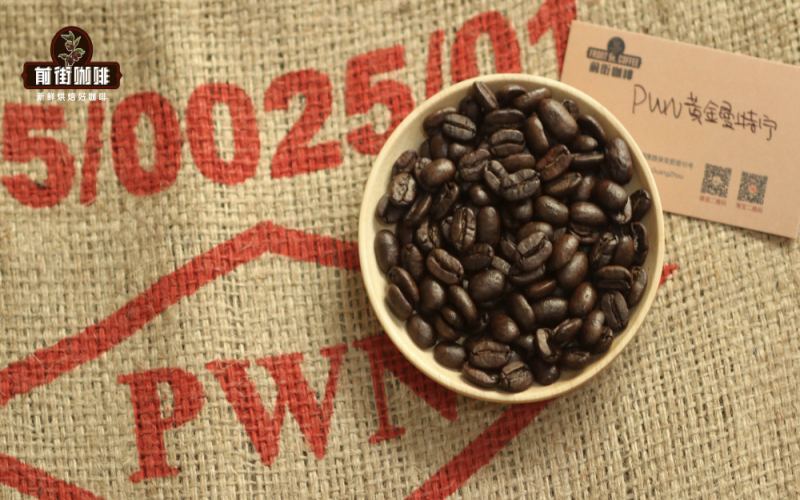
Sumatra is Indonesia's most important coffee-producing region and the birthplace of Mandheling coffee. The coffee produced here is known for being rich, smooth, and carrying herbal and earthy notes, while the unique wet-hulling method gives rise to the signature "sheep's hoof" bean shape. From Lintong and Lake Toba to the Gayo highlands of Aceh, Mandheling from different origins each has its own character, and among them the Golden Mandheling from the Gayo highlands is the finest representative. This article walks you through the cultivation history, main producing areas, varietal composition, and flavor characteristics of Sumatran coffee, and introduces two classic Mandheling beans that Front Street Coffee supplies daily, as well as how to use a blend to make a cup of espresso with rich layers. [more…]
Finca El Molino in Loja Province, Ecuador: The Coffee Journey from a Seedling Nursery to a COE Champion
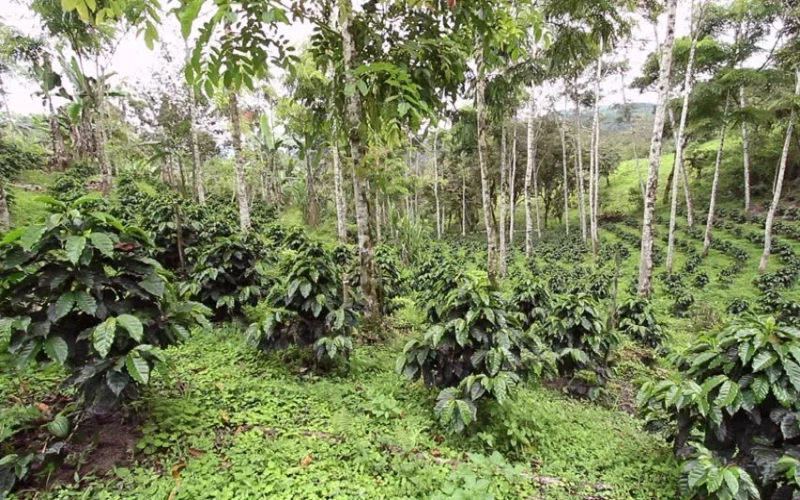
In Ecuador, where the Andes Mountains run the length of South America, the diverse climate and volcanic soil give rise to unique coffee flavors. Loja Province, an important producing region in the south of the country, is known for its high-altitude cultivation, and it is here that La Noria estate is located. Established by CVM, this estate grew from an initial seedling nursery into a coffee harvesting and processing center, and in both 2022 and 2023 it achieved excellent results in Ecuador's COE competition. This article will guide you through the ups and downs of Ecuador's coffee industry, take a deep look at the terroir of Loja Province, and analyze how La Noria estate rose to the championship with varieties such as Geisha. [more…]
Terroir Characteristics of Papua New Guinea Coffee Regions and an Analysis of Sigri Bird of Paradise Estate
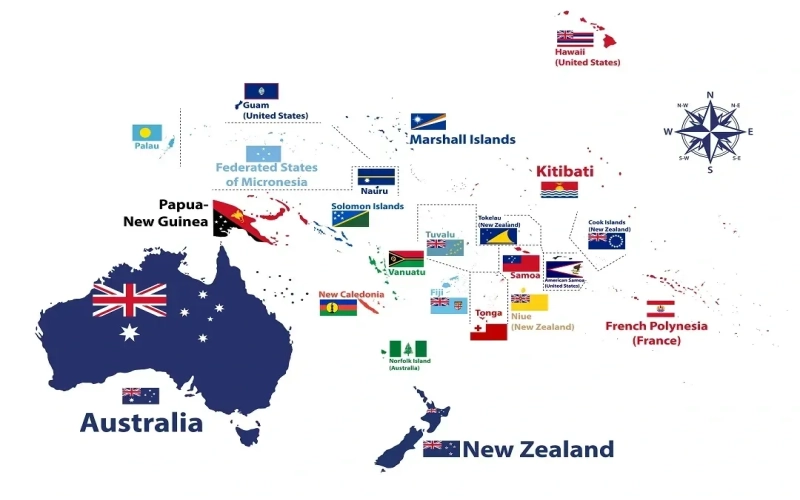
Papua New Guinea is located in Oceania, where widespread volcanic terrain, a high-altitude mountain climate, and fertile volcanic soil provide ideal conditions for coffee cultivation. Since coffee was introduced to the country in the late 19th century, it once imported Typica from Jamaica and, because of the similar environment, came to be known as "Little Blue Mountain." Today, coffee is mainly produced in the four major highland provinces of the central region, and the Sigri Bird of Paradise Estate in Western Highlands Province is a representative estate. Front Street Coffee also selects washed Typica beans from this producing region, whose flavor presents caramel, cocoa, and almond, with a rich and balanced mouthfeel, distinguishing it from the spicy and herbal tonalities of Indonesian coffee. [more…]
An Analysis of Papua New Guinea Coffee Acidity and a Full Overview of the Tailora Tribe Cherry Project's Flavor Quality
In the Asian market, most consumers prefer coffee flavors that are not acidic but full-bodied, and Papua New Guinea is a potential producing region that combines the solid mouthfeel of Mandheling with low acidity and clean flavors. This country, located in the volcanic belt of the southwestern Pacific, accounts for only 0.7% of global production, yet supports the livelihoods of more than 2 million smallholder families. Its coffee is mainly 95% Arabica, processed by a method of initial washing followed by sun-drying, and the main varieties include Bourbon, Arusha, and Mundo Novo. The Kolbrun family of Baroida Estate has been cultivating this land since the 1960s, and the third-generation operator even launched the Tairora Clan Cherry Project in 2005, dedicated to improving transaction transparency and improving the purchasing process for smallholders. This article will provide an in-depth analysis of the acidity performance of Papua New Guinea coffee, the characteristics of the producing region, and the variety composition and quality pursuit of the Tairora Clan Cherry Project. [more…]
A Complete Analysis of the Yirgacheffe Coffee Region: Altitude, Varieties, and Processing Methods of Front Street Coffee's Ethiopian Production Area
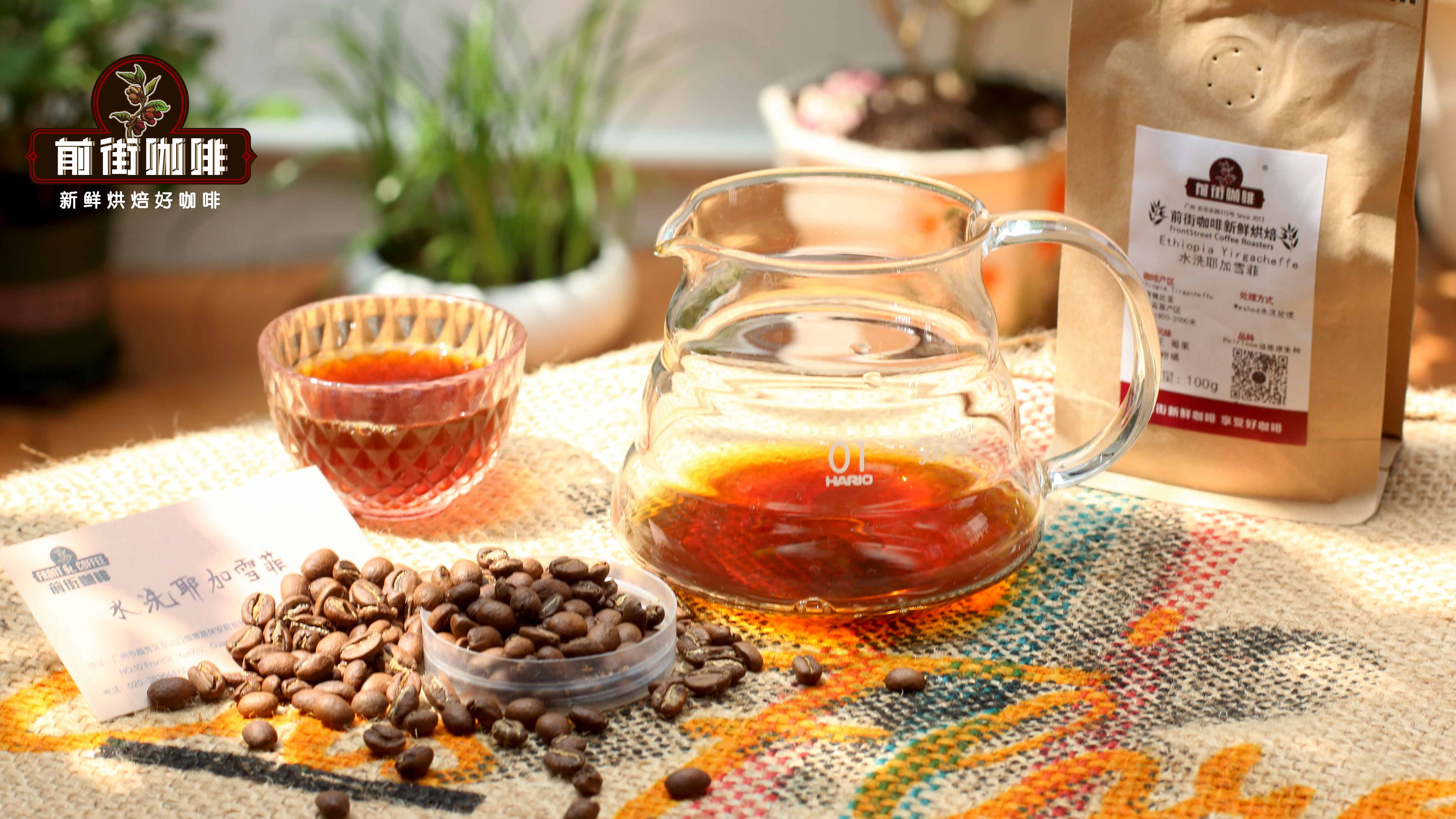
Yirgacheffe is an outstanding representative of African washed coffee, produced in the highlands of Ethiopia's Sidama Province at an altitude of about 2,000 meters, and is world-renowned for its fresh citrus fruit aromas, elegant white floral notes, and tea-like finish. Front Street Coffee's Yirgacheffe overturns many people's preconceptions about coffee with its bright, delicate flavors. This article will systematically introduce Yirgacheffe's producing region environment, variety characteristics, and processing methods, and extend to the higher-grade Front Street washed Gedingding—fine processing brings complex layers of honey, green tea, and ripe plum, while cold brew iced drinks are sweet, sour, and clear, making them especially suitable for summer tasting. [more…]
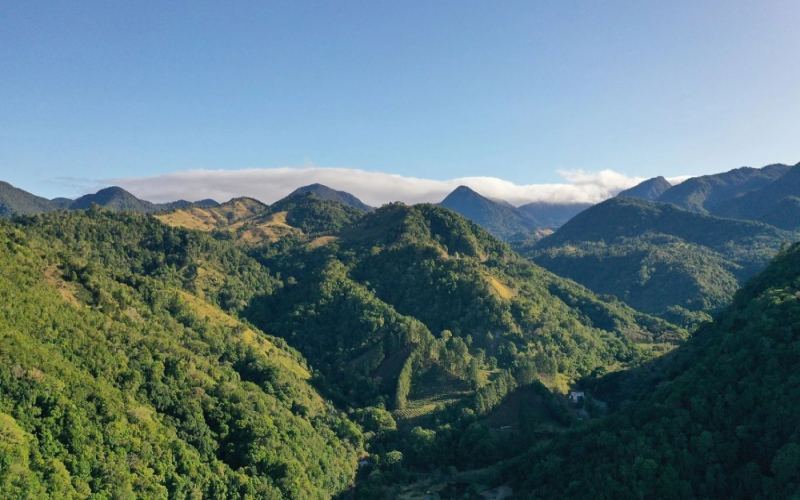
Panama's Boquete Region and Barú Volcano: The Flavor Code of Geisha Coffee and Pour-Over Techniques
Panamanian coffee is world-famous for Hacienda La Esmeralda's Geisha, and the starting point of it all is the Boquete production region in Chiriquí Province. This land at the foot of Barú Volcano, with its fertile volcanic soil, high altitude and unique microclimate, has given rise to many world-class specialty coffees. Front Street Coffee brings you a range of Boquete beans, from Esmeralda Red Label to the high-value Butterfly, and on to Elida Estate's Typica. This article will walk you through the terroir of the Boquete production region, its main coffee varieties, and how to brew a great cup with washed Butterfly and natural Elida. [more…]