







How does coffee cultivation shape Sigri Estate's Bird of Paradise beans?
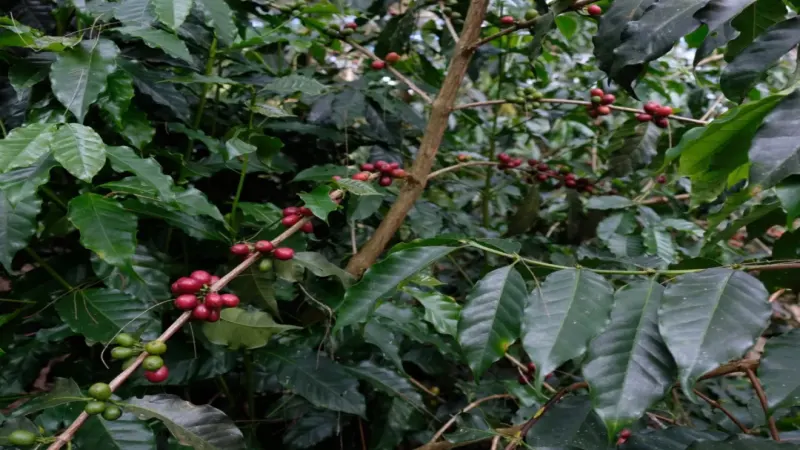
Sigri Estate sits in the Waghi Valley of Papua New Guinea's Western Highlands, above 1,500 meters, where volcanic soil and a cool mountain climate support coffee cultivation. Established in 1950, the estate plants pesticide-free Blue Mountain Typica, introduced in 1957, and hand-picks its crop, marking burlap sacks with the country's bird of paradise.
Washed Typica from the estate is roasted medium-dark and shows caramel, cocoa, almond and citrus acidity with a mellow, balanced body. Papua New Guinea earned the nickname Little Blue Mountain after adopting Jamaican Typica. The Western Highlands remains the center of the national industry, and the green coffee beans carry that volcanic terroir into the cup.
Papua New Guinea is known as "Little Blue Mountain" because it introduced Jamaican Blue Mountain Typica, and its Western Highlands production area is the core of the country's coffee industry. Since Sigri Estate was established in 1950, it has relied on the volcanic soil and cool climate above 1,500 meters in the Waghi Valley, insisted on pesticide-free cultivation and hand-picking, and introduced the Blue Mountain Typica variety in 1957, using the national bird, the bird of paradise, as its burlap sack mark. This washed Typica launched by Front Street Coffee presents caramel, cocoa, almond, and citrus acidity after medium-dark roasting, with a mellow and balanced taste. This article will systematically introduce the country's coffee-growing conditions, the terroir advantages of the Western Highlands, and the history and quality pursuit of Sigri Estate.
Asia is home to several coffee-producing countries, such as Papua New Guinea, Yunnan in China, Vietnam, and Indonesia. Because Papua New Guinea introduced the Blue Mountain Typica variety from Jamaica for cultivation, it earned the title "Little Blue Mountain."
Papua New Guinea
Papua New Guinea is located in the southwestern Pacific Ocean and belongs to the Melanesian archipelago. The entire country is made up of more than 600 islands, borders Indonesia to the west, and faces Australia across the sea to the south. The country has a coastline of 8,300 kilometers, and many volcanoes are found on its islands. The southern region is mainly plains and lowlands, the central part is the Central Range, and the northern mountains run parallel to the Central Range and are composed of several independent mountain ranges.
In Papua New Guinea, areas above 1,000 meters above sea level have a mountain climate, while lower-altitude areas show tropical rainforest climate characteristics. The dry season runs from May to October each year, and the rainy season runs from November to April of the following year. Temperatures in coastal areas usually range from 21°C to 32°C, while mountain temperatures are 5 to 6°C lower than coastal areas, with average annual rainfall of about 2,500 millimeters. The country is close to the equator, has excellent climatic conditions, abundant rainfall, and volcanic soil, making it an ideal place for coffee cultivation.
Western Highlands Production Area
Currently, coffee cultivation in Papua New Guinea is concentrated in five highland provinces, including Western Highlands, Eastern Highlands, Chimbu, Morobe, and East Sepik. Among them, Eastern Highlands and Western Highlands are the main production areas for Typica, and a small amount of Catimor and Bourbon varieties are also grown. Coffee beans produced in other regions are relatively inferior in quality and are mostly Robusta varieties.
Western Highlands Province is the largest and most important province for coffee production in Papua New Guinea, with an altitude ranging from 1,000 to 1,800 meters. The region has an ancient dormant volcano, and the soil is sufficiently fertile, providing a good foundation for growing high-quality coffee. The well-known Sigri Estate is located here.
Sigri Estate
Sigri Estate was established in 1950 and is a pioneer in Papua New Guinea's coffee industry. Its parent company, WR Carpenter company-PNG, has about 1,000 hectares of Arabica coffee planting area in the country, and is also the country's largest producer and exporter of tea and coffee beans, accounting for 80% of the country's total coffee bean and tea exports, exporting 1.6 million kilograms of high-quality Arabica coffee beans each year.
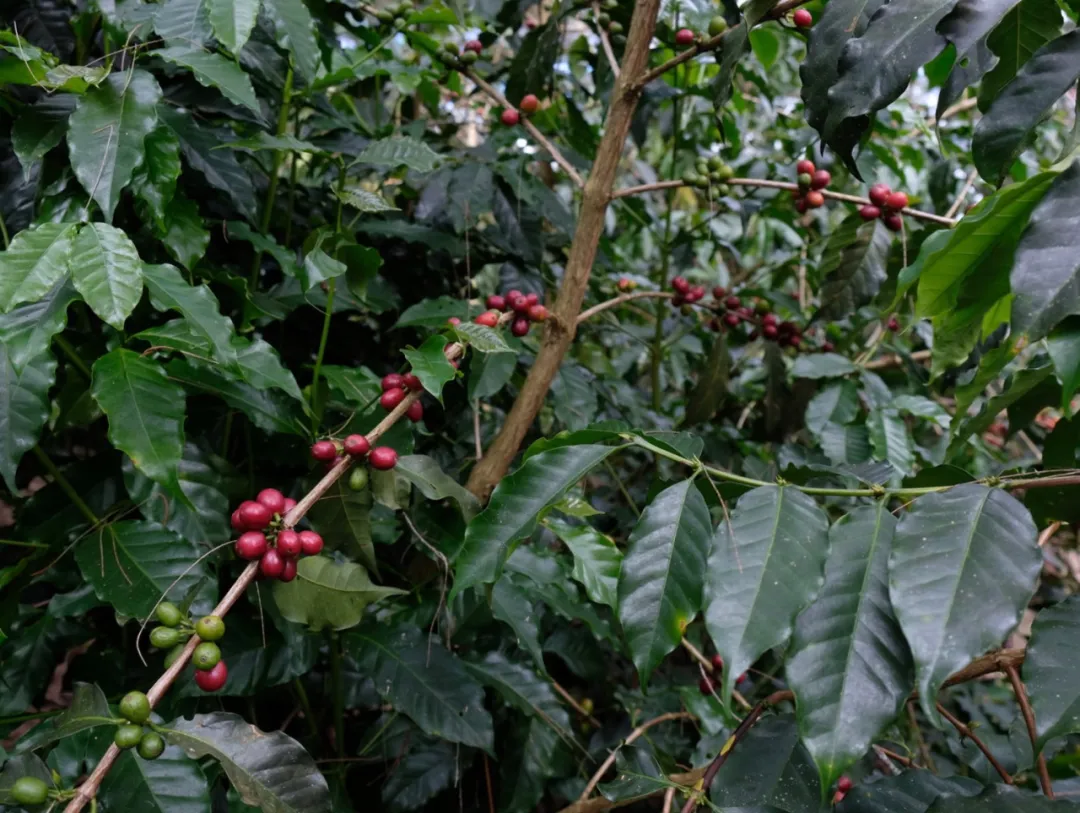
Sigri Estate is located in the Waghi Valley of Western Highlands Province, in a mountainous area above 1,500 meters above sea level, where the volcanic soil is rich in minerals, the climate is cool, and rainfall is abundant. Over the years, the estate has always implemented high-standard cultivation and processing practices, and places great importance on ecological protection. To protect the soil and water sources, it prohibits the use of pesticides and insecticides. The estate is equally strict about green coffee beans, hand-picking only fully ripe red cherries and completing processing on the same day as harvest. In addition, since 1957, the estate has introduced a special Typica variety from Jamaica's Blue Mountain production area, and uses Papua New Guinea's national bird, the bird of paradise, as its mark on coffee burlap sacks.
Front Street Coffee Papua New Guinea Sigri Estate Bird of Paradise Coffee Beans Region: Western Highlands Production Area Estate: Sigri Estate Altitude: 1,500m+ Variety: Typica Processing Method: Washed Flavor: Caramel, cocoa, almond, balanced, citrus acidity at low temperature
This Bird of Paradise coffee bean from Front Street Coffee is washed and medium-dark roasted. Front Street uses a KONO dripper, a coffee-to-water ratio of 1:15, and a water temperature of 91°C for brewing. It presents caramel, cocoa, and almond flavors on entry, with a mellow and silky mouthfeel, and after the temperature drops it has citrus-like acidity, making the overall cup soft and balanced.
The above content is compiled by CoffeeHunters, a coffee news website.


