







Which coffee producing regions define Papua New Guinea?
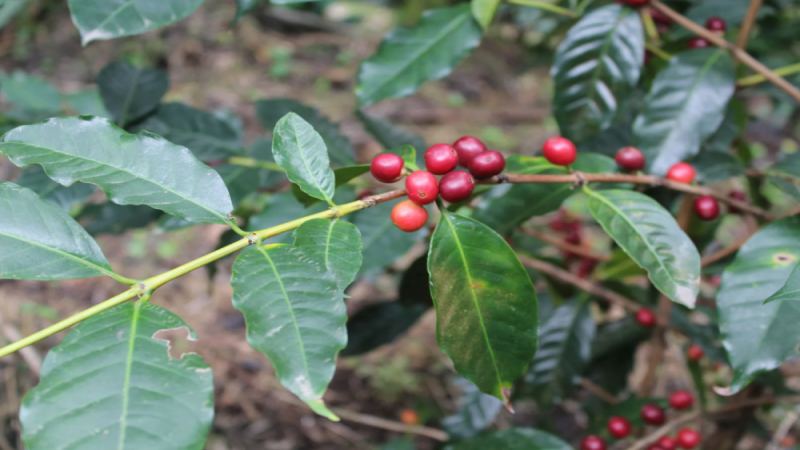
Papua New Guinea grows coffee on volcanic plateaus and highlands at 1,200 to 2,500 meters, conditions suited to Arabica. Cultivation is concentrated in five highland provinces: Western Highlands, Eastern Highlands, Chimbu, Morobe, and East Sepik. More than 90 percent of producers are smallholder farmers, and Arabica dominates the crop, with Sigri Estate in Western Highlands among the recognized names.
Coffee arrived in the 1890s, and by 1926 there were 18 estates, with Typica introduced from Jamaica, which earned the country the nickname Little Blue Mountain. Government measures in the late 1970s pushed small farms toward cooperative models, and although falling prices hurt many estates, smallholder dominance limited the damage. Today about 95 percent of producers remain smallholders.
Papua New Guinea is located in the South Pacific and enjoys a typical island climate with volcanic rock plateaus. Its mountainous terrain at elevations of 1,200 to 2,500 meters provides natural advantages for growing coffee. Since coffee was introduced at the end of the 19th century, the country has gone through stages including estate establishment, variety introduction, and cooperative transformation. Today, more than 90% of producers are smallholder farmers, and Arabica is overwhelmingly dominant. Five highland provinces form the main producing regions, among which Sigri Estate in Western Highlands Province is especially well known. Front Street Coffee has also introduced this estate's Bird of Paradise coffee beans, which are washed-processed and present a balanced flavor of caramel, cocoa, and almond.
Papua New Guinea is located in the South Pacific and is the largest island country in the region, as well as the second-largest island in the world. It has a typical island-type climate, with generally high temperatures and high humidity year-round. Its terrain includes tropical rainforests, volcanic rock, and highlands, with elevations mostly between 1,200 and 2,500 meters, providing excellent natural conditions for growing coffee.
Planting History
As early as the 1890s, coffee was already being planted locally, though at the time it was not regarded as a commercial crop. In 1926, 18 estates were established within the country, and the Typica variety was introduced from Jamaica. Commercial coffee production subsequently increased, and Papua New Guinea thus earned the nickname "Little Blue Mountain."
By the late 1970s, the government introduced a number of measures to promote the transformation of small farms into cooperative models. After that, coffee prices declined, and many estates encountered financial difficulties. However, because smallholder farmers predominated locally, the impact of market shocks was relatively limited, allowing coffee production to continue. To this day, 95% of the country's producers are still smallholder farmers, and 95% of the coffee they grow is Arabica.
Coffee Producing Regions
Currently, coffee cultivation in Papua New Guinea is concentrated in five highland provinces: Western Highlands, Eastern Highlands, Chimbu, Morobe, and East Sepik. Eastern Highlands and Western Highlands are the main producing areas for Typica, and also grow a small amount of Catimor and Bourbon; coffee beans from the remaining areas are relatively inferior in quality and are mostly Robusta varieties.
Western Highlands Province is the largest and most important province for coffee production in Papua New Guinea, with elevations ranging from 1,000 to 1,800 meters. Within the region lies an ancient dormant volcano, and the soil is fertile, producing coffee of relatively outstanding quality. The well-known Sigri Estate is located in this region. Front Street Coffee has also purchased Bird of Paradise coffee beans from Sigri Estate.
Sigri Estate
The bird of paradise, also known as the lesser bird of paradise, is a bird unique to Papua New Guinea, symbolizing freedom and happiness. The green bean sacks from Sigri Estate are printed with a "bird of paradise" motif, so domestically these coffee beans are customarily called Bird of Paradise.
Sigri Estate was founded in 1950 and is a pioneer in the local coffee industry. The estate is located in the Waghi Valley of Western Highlands Province, on mountainous land at an elevation of 1,500 meters, with mineral-rich volcanic soil, a cool climate, and ample rainfall. For many years, Sigri Estate has consistently implemented high-standard cultivation and processing practices and places great importance on ecological protection. To protect soil and water sources, it explicitly refuses to use pesticides and insecticides. Its requirements for green beans are equally strict: only fully ripe red cherries are hand-picked, and processing is completed on the same day. As a result, coffee produced by Sigri Estate has built a global reputation. Front Street Coffee has also introduced Sigri Estate Bird of Paradise coffee beans. This coffee is washed-processed, and when brewed with a Kono dripper at a 1:15 ratio, it presents flavors of caramel, cocoa, and almond on the palate, with citrus acidity emerging as the temperature drops slightly, showing an overall balanced performance.
Front Street Coffee Sigri Estate Bird of Paradise Coffee Beans Region: Western Highlands Estate: Sigri Estate Altitude: 1,500 meters+ Variety: Typica Processing Method: Washed Flavor: Caramel, Cocoa, Almond, Balanced, Citrus Acidity at Low Temperature
The above content is compiled by CoffeeHunters, a coffee news website.


