







How Did the Enga Landslide Affect Coffee Trees?
A landslide in Enga Province, Papua New Guinea, on May 24 buried more than 2,000 people, with the confirmed death toll above 670. The disaster hit near the Western Highlands, where coffee trees are mainly planted in the Wahgi Valley, and it struck during harvest season. Evacuations left coffee cherries unpicked, which will cut production in one of the country's core growing regions.
Months of heavy rain loosened the soil, the main trigger. Between May 20 and 24, rainfall reached 10 to 40 millimeters in the affected area and 70 millimeters in the northwest. The village had 3,895 residents, and the landslide covered ground roughly the size of three to four football fields. Coffee plantings in Chimbu Province were also affected, and several countries have sent rescue teams.
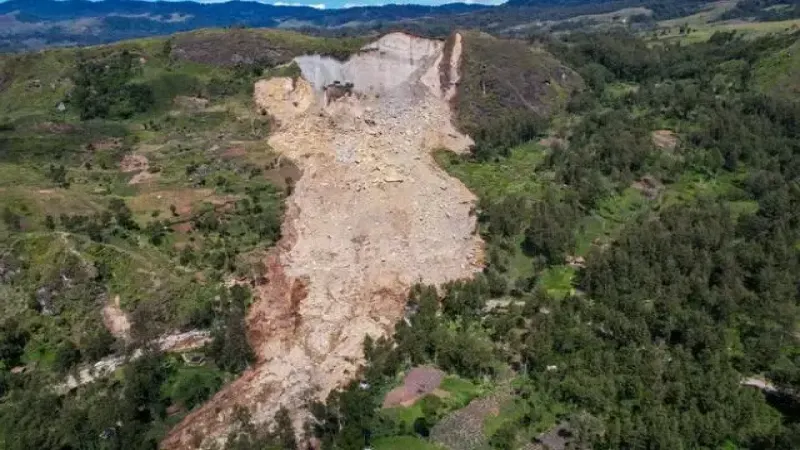
Recently, the Oceanian country of Papua New Guinea has been hit by a series of severe natural disasters. A massive landslide occurred in the early hours of the 24th in the Mulitaka area of Enga Province in the north, burying more than 2,000 people, with the death toll now exceeding 670. Months of heavy rainfall had loosened the soil, which was the main trigger for the disaster. The disaster site, Mount Hagen in Enga, is adjacent to Papua New Guinea's core coffee-producing region, the Western Highlands Province, where coffee is mostly grown in the Wahgi Valley. It is currently the coffee harvest season, and the emergency evacuation of personnel has left coffee cherries unpicked, which will inevitably hit production. At least 15 landslides had already occurred in the country previously, and the coffee-producing region of Chimbu Province in the central region was also affected. Several countries have dispatched rescue teams to assist with search and rescue efforts.
Recently, the Oceanian country of Papua New Guinea has been struck by a series of disasters, with heavy losses of both life and property. According to media reports, on May 24, a severe landslide occurred in the Mulitaka area of Enga Province in the north of the country, burying more than 2,000 people under mud, with the confirmed death toll now exceeding 670.
It is understood that before this large-scale landslide occurred, the area had experienced continuous rainfall since March. According to meteorological monitoring data from the World Meteorological Center, between May 20 and 24, cumulative rainfall in the affected area reached 10 to 40 millimeters, while the northwestern area recorded 70 millimeters.
The soil became soft due to excessive rain, ultimately triggering this severe landslide. According to statistics, the village involved had a total of 3,895 residents, and the area covered by the landslide was roughly equivalent to 3 to 4 football fields. Because the disaster occurred in the early hours of the morning and struck suddenly, it caused severe casualties.
At the same time, this disaster has also affected Papua New Guinea's coffee-producing regions. This landslide occurred on Mount Hagen in Enga Province, which is adjacent to Papua New Guinea's main coffee-producing region—the Western Highlands Province. In this producing region, coffee trees are basically all planted in the Wahgi Valley of Mount Hagen.
Satellite comparison image of the landslide area
However, more than 2,000 people are still buried under the mud, and the government is making every effort to carry out search and rescue, so no official report on damage to farmland has yet been released.
According to forecasts from the World Meteorological Center, Enga Province will still be dominated by cloudy and rainy weather over the next week, with cumulative rainfall of 30 to 50 millimeters, and up to 50 to 80 millimeters in some areas, accompanied by light to moderate rain. In addition, local reports say the landslide mass is still moving slowly and may affect more villages.
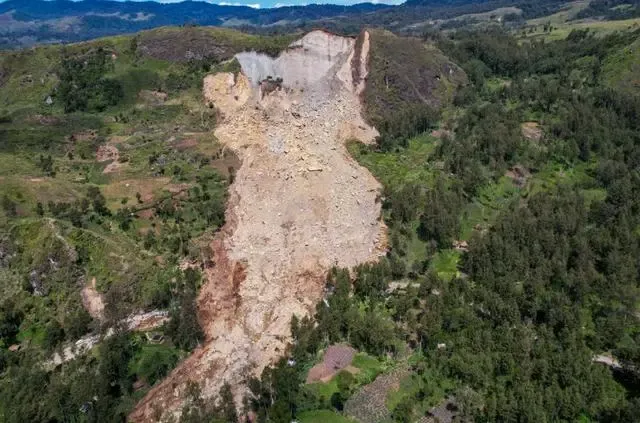
In order to prevent the continuous heavy rain from further worsening the disaster situation and to avoid another landslide, the local government is organizing the emergency evacuation of about 7,900 people in nearby areas.
It is currently the coffee harvest season in Papua New Guinea. As people in the area are evacuated, coffee cherries on the estates will face a situation where no one is available to harvest them, ultimately affecting the progress of coffee harvesting in this region and causing production to decline.
Prior to this, at least 15 landslides had already occurred in Papua New Guinea. In addition, the main coffee-producing region of Chimbu Province in the central region was also hit by a severe landslide, causing at least 21 deaths and damage to many farmland areas.
However, Papua New Guinea has also received some good news. Some countries have already sent rescue teams to the country to assist with rescue efforts.
The above content is compiled by CoffeeHunters, a coffee news website.


