







How Do Growing Conditions of Coffee Shape PNG Beans?
Papua New Guinea coffee is grown mainly in the four central highland provinces, where volcanic soil, mountain climate and roughly 2,500 mm of annual rainfall support the crop. Above 1,000 meters, average temperatures sit between about 16 and 27 degrees Celsius, conditions that suit Typica trees brought from Jamaica in the late 19th century.
The Sigri Bird of Paradise estate in the Western Highlands is a representative producer, and washed Typica from the region shows caramel, cocoa and almond notes with a mellow, balanced body, distinct from the spicy, herbal profile of Indonesian coffee. Coffee cultivation here earned the country the nickname Little Blue Mountain.
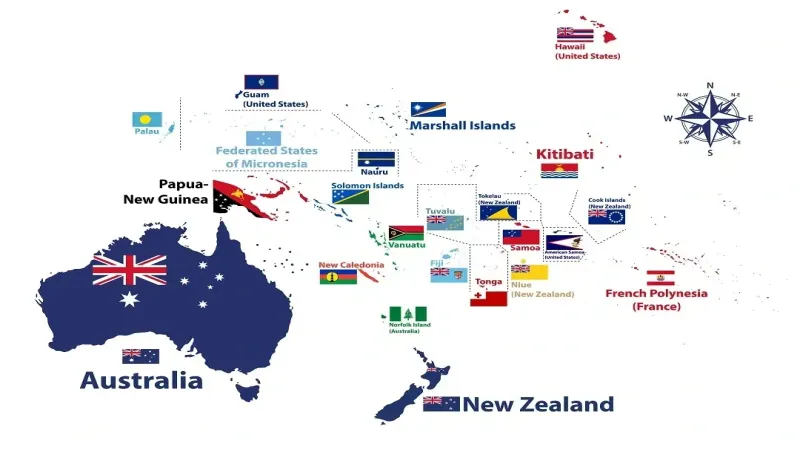
Papua New Guinea is located in Oceania, where widespread volcanic terrain, a high-altitude mountain climate, and fertile volcanic soil provide ideal conditions for coffee cultivation. Since coffee was introduced in the late 19th century, the country imported Typica from Jamaica, and because of the similar environment, it became known as "Little Blue Mountain." Today, coffee is mainly produced in the four central highland provinces, with the Sigri Bird of Paradise estate in the Western Highlands being a representative estate. Front Street Coffee also selects washed Typica beans from this region, whose flavor presents caramel, cocoa, and almond notes, with a mellow and balanced mouthfeel, distinguishing it from the spicy and herbal character of Indonesian coffee.
Oceania is the smallest continent in the world by area, made up of the Australian mainland together with tens of thousands of islands scattered across the Pacific Ocean. The islands here are mostly related to volcanic activity, so volcanic terrain is quite common and highly varied in form. Most of the region consists of hills and plateaus at elevations of 200 to 600 meters, though some mountains rise above 2,000 meters.
Because it spans a wide range of latitudes, the climate across Oceania varies markedly from place to place and is highly diverse. Thanks to high-altitude mountainous areas, volcanic soil, and variable climate conditions, many countries in this region rely on agriculture as a pillar industry, and some countries and regions are known for producing coffee, such as Papua New Guinea and Hawaii.
Papua New Guinea consists of two parts: New Guinea in the north and Papua in the south. Its main body is located in the eastern part of the island of New Guinea, and it also includes more than 600 surrounding islands. These islands are mostly mountainous, with many volcanoes. The southern part of the country is mostly plains and lowlands with low elevations, so coffee cultivation is mainly concentrated in the central mountain system. The Central Range is dominated by the Bismarck Range, densely dotted with volcanoes and numerous rivers, and is very rich in natural resources.
In Papua New Guinea, areas above 1,000 meters in elevation have a mountain climate, with average temperatures of about 16 to 27°C and average annual rainfall of 2,500 millimeters. High-altitude mountainous areas, fertile soil brought by volcanic ash, abundant natural resources, and suitable climate and rainfall give Papua New Guinea superior natural conditions for coffee cultivation.
According to historical records, coffee cultivation in Papua New Guinea can be traced back to the 1890s, though at the time it was not developed as a commercial product. By the 1930s, the country was under Australian trusteeship, while Jamaica was a British colony. Because Britain and Australia had close ties, Papua New Guinea introduced the Blue Mountain Typica variety from Jamaica for cultivation. In addition, since Papua New Guinea and Jamaica both share an island-type geographical environment and climate, the introduced Typica quickly adapted to local conditions, earning it the title "Little Blue Mountain."
Afterward, the country also introduced Bourbon from Kenya and Mundo Novo and Caturra from Brazil to improve coffee quality and yield.
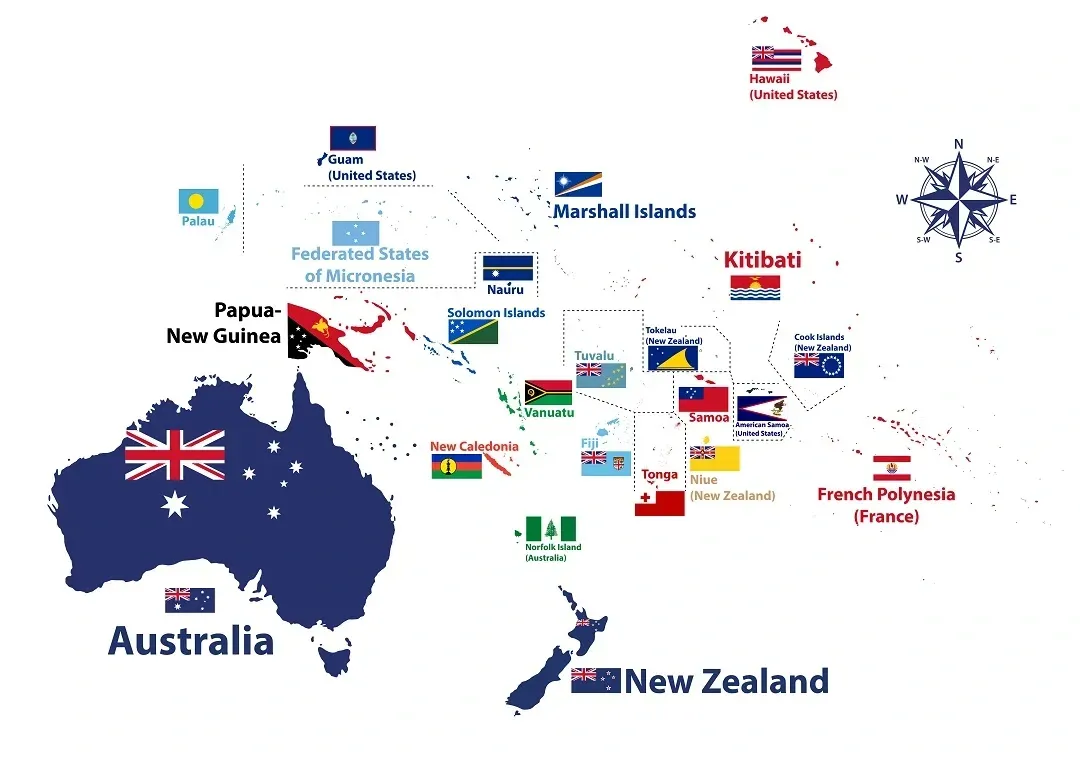
At present, coffee cultivation in Papua New Guinea is mainly concentrated in four central highland provinces: Western Highlands, Eastern Highlands, Chimbu, and Jiwaka Province.
Western Highlands is the country's largest coffee-producing region, with its capital at Mount Hagen. This city lies in the Wahgi Valley, and its name comes from the nearby famous extinct volcano Mount Hagen. The local elevation is high, the volcanic soil is fertile, and rainfall and temperature are both moderate, making it very suitable for agriculture. Around it are many coffee and tea plantations, and the well-known Sigri estate is located here.
The Sigri estate was founded in 1950 and was the earliest pioneer of local coffee cultivation. The estate is located in the Wahgi Valley at an elevation of about 1,500 meters. Its parent company is WR Carpenter company-PNG, which owns about 1,000 hectares of coffee-growing land in Papua New Guinea and is also the country's largest coffee exporter, accounting for 80% of the nation's coffee bean and tea exports.
In addition, the Sigri estate places great importance on ecological protection and does not use pesticides or insecticides in order to safeguard water sources and soil. Over the years, the estate has consistently adhered to high standards of cultivation and processing to provide customers with coffee of stable quality.
At FrontStreet Coffee, there are also Sigri coffee beans from the well-known Western Highlands producing region of Papua New Guinea. These beans use Typica and a washed processing method; when brewed, they carry flavors of caramel, cocoa, and almond, show slight acidity at low temperatures, and have a mellow mouthfeel with overall balance. FrontStreet Coffee believes that although Papua New Guinea is located in Oceania and neighbors Indonesia in Asia, its higher elevation means its coffee flavor differs from the spice and herbal notes of Indonesia, and on the basis of a mellower mouthfeel, it is overall more balanced.
To learn more about coffee origin information, please scan the code to follow: Coffee Review
Long-press the QR code to follow:
The above content is compiled by CoffeeHunters, a coffee news website.


