







What makes Pichincha Province suited to coffee cultivation?
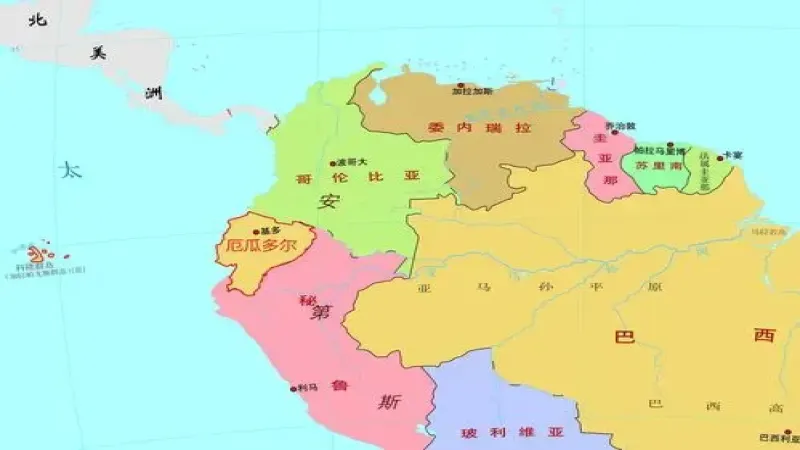
Pichincha Province in northern Ecuador sits at an average altitude of 2,800 meters, with volcanic soil and pure water sources that support coffee cultivation. The region is known for the Sidra variety and is home to estates such as Meridiano and Cruz Loma, which performed well at the 2023 Ecuador Cup of Excellence, showing the potential of Andean highland coffee.
Ecuador straddles the equator, and the Andes run its full length, giving the country four distinct climate zones. The central highlands see a tropical savanna climate with rain from December to June, while higher slopes turn cooler and subtropical. Ecuador's output is small among world coffee producing countries, yet its terroir and estate work keep drawing industry attention.
In northwestern South America, Ecuador, bisected by the equator, has become an ideal place for coffee cultivation thanks to the volcanic soils of the Andes and its diverse climates. Although cocoa and oil long dominated the country's economy, the coffee industry is gradually reviving after years of ups and downs. Among them, Pichincha Province in the northern highlands, with an average altitude of 2,800 meters, volcanic-rich soil, and pure water sources, nurtures the well-known Sidra variety and brings together specialty coffee representatives such as Meridiano Estate and Cruz Loma Estate. Front Street Coffee has noted that this producing region performed impressively at the 2023 Ecuador Cup of Excellence (COE), demonstrating the unique potential of Andean highland coffee. This article will take you into Pichincha Province to learn about its terroir, variety cultivation, and estate stories.
South America is rich in natural resources, with the Andes running almost the entire length of the continent's west, and it is also one of the continents with denser volcanic activity in the world. The climate here is mainly tropical, warm and humid with ample rainfall, providing a favorable growing environment for crops such as coffee. Brazil, Colombia, and Ecuador are all important coffee-producing countries on the continent. Among them, Ecuador's total coffee production does not account for a high share globally, but it is gradually gaining industry recognition due to its unique natural conditions.
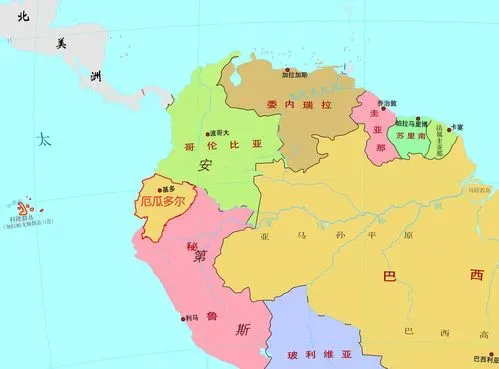
Ecuador is located in northwestern South America and enjoys both maritime and land advantages. The equator crosses the northern part of its territory, and the Andes run from south to north across the entire country, with many volcanoes and frequent earthquakes. The country can be divided into four parts: the western coastal region, the central mountainous region, the eastern Amazon River basin, and the Galapagos Islands.
The climates of these four regions differ markedly. The western coastal area has a tropical rainforest climate, with an average annual temperature of about 23 to 25 degrees Celsius. The basins of the central Andes have a tropical savanna climate, while the mountains show characteristics of a subtropical forest climate, with areas above 4,000 meters covered in snow year-round. The rainy season runs from December to June of the following year, and the dry season from July to November.
The eastern Amazon region has a tropical rainforest climate, hot and humid with rain throughout the year, and average annual precipitation of about 2,000 to 3,000 millimeters. The rich and varied climate, abundant rainfall, volcanic soil, and river resources make Ecuador an ideal place for coffee cultivation.
Coffee was introduced to Ecuador in the 19th century. Although the growing conditions are excellent, the coffee industry was long overlooked because cocoa was the country's main cash crop. It was not until the 20th century, when the cocoa industry was threatened by disease, that coffee gradually rose to become a major industry in Ecuador.
However, the coffee price crisis that broke out in the 1990s caused production to fall sharply. After that, Ecuador shifted to developing its oil industry, and agricultural development therefore slowed compared with some neighboring countries. In recent years, through the joint efforts of local farmers and roasters, Ecuador's coffee industry has begun to recover and develop.
Ecuador produces both Arabica and Robusta coffee varieties. Arabica-producing areas are mainly concentrated in the highland volcanic regions of the central Andes and are roughly divided into two major highlands, north and south, with the harvest period usually from March to October each year. The northern producing areas include Carchi, Imbabura, and Pichincha; the southern ones are mainly Loja, Azuay, and Zamora Chinchipe.
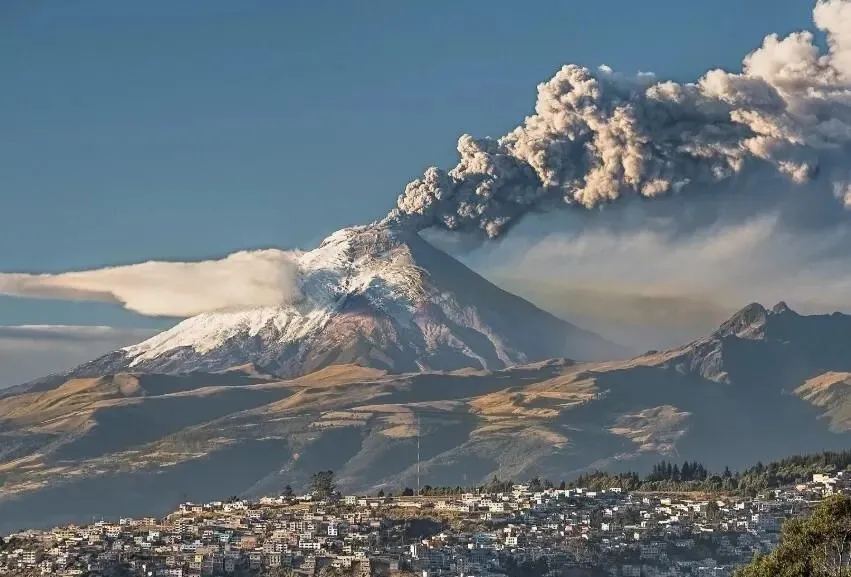
Pichincha Province is located in the northern highlands of Ecuador, and the province is named after the Pichincha Volcano. Its average altitude is about 2,800 meters, and the province contains many volcanoes, hills, and mountain ranges. The volcanoes bring fertile soil, the Alambi River provides pure water, and together with ample sunshine throughout the day, this creates a high-quality ecological environment for coffee growth.
For this reason, some coffee companies once set up factories or breeding centers here, and Nestle was one of them. At that time, Nestle's local breeding center developed the Sidra variety, which has attracted much attention in recent years, through crossbreeding. At present, the area is also home to many well-known coffee estates, such as Meridiano Estate and Cruz Loma Estate.
Cruz Loma Estate is owned by the Morales Rivera family, which also operates Tulipe Estate. Both estates are located at an altitude of 1,800 meters in Pichincha Province. For a long time, the estates have used precisely controlled cultivation and processing techniques to continuously produce high-quality coffee.
At the same time, the estates value employee development, providing ongoing training and continuously optimizing production processes. Years of accumulated experience and knowledge have been recognized by coffee industry experts at home and abroad, and therefore they won third place in the 2023 Ecuador Cup of Excellence (COE).
For coffee lovers, Pichincha Province is demonstrating the distinctive terroir expression of the Andean volcanic highlands. Front Street Coffee will also continue to follow developments in this producing region and bring enthusiasts more information and choices about Ecuadorian specialty coffee.
The above content is compiled by CoffeeHunters, a coffee news website.


