







Search Results for: Gold level
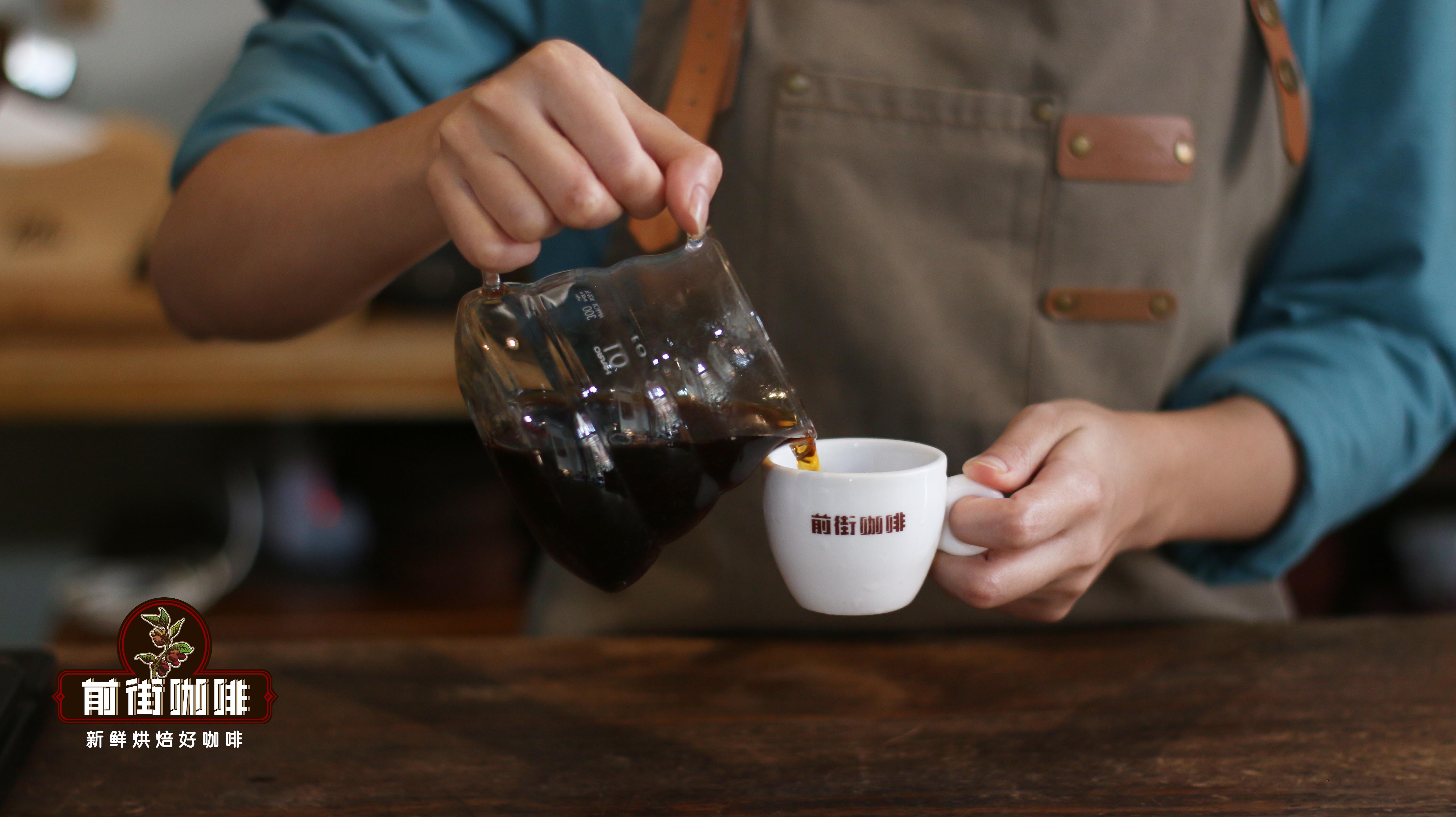
How much is a cup of Golden Mandheling? A full breakdown of Front Street PWN freshly ground pour-over flavor and brewing
Indonesian Mandheling has won the favor of many pour-over enthusiasts with its thick, full-bodied mouthfeel, but richness does not equal bitterness—when extraction is just right, a sugarcane-like sweetness emerges on the palate. The Front Street Golden Mandheling on CoffeeHunters' bean list is exactly such a representative example, priced at 30 yuan per cup, with rich layers that have given many people new to single-origin coffee a fresh understanding of the word "rich." This article focuses on Front Street PWN Golden Mandheling, sorting through the origins and flavor expression of this bean one by one, from the producing region's background, PWN Company's screening standards, variety and wet-hulling process, to the roasting curve and Kono dripper brewing parameters. [more…]

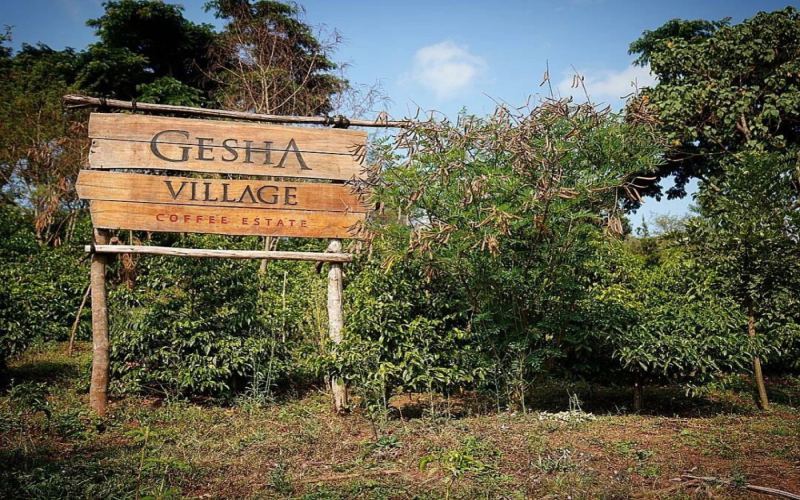
What grade do Gesha Village Gold Label Gesha coffee beans belong to? An analysis of the flavor characteristics of Ethiopian Gold Label Gesha
Deep in the Kafa forests of Ethiopia, there is a coffee estate operated along the lines of Panama's Hacienda La Esmeralda model—Gesha Village. It overturned Ethiopia's tradition of being dominated by cooperatives, running as a large 500-hectare farm, growing only the Geisha variety, and establishing a strict grading system. Among these, the Gold Label lot accounts for only 5% of annual production, with quality nearly on par with the auction lot, making it a frequent choice for competitors in coffee events around the world. The Gold Label Geisha that Front Street Coffee has acquired this time comes from the Oma 114 lot, using the Gesha 1931 variety, naturally processed. This article will outline Gesha Village's grading system and variety background, and share Front Street's roasting and brewing insights. [more…]
Ethiopia Gesha Village Gold Label Gesha Coffee Flavor Analysis: How Is It Different from Panama Geisha?
Although Geisha coffee is famous for its association with Panama, its roots can be traced back to Ethiopia in Africa. For this review, Front Street Coffee is evaluating a Gold Label Geisha from the Gesha Village Estate in Ethiopia, produced in the Oma block, of the Geisha 1931 variety, and processed using a refined natural method. What exactly are the differences between this African Geisha and its American counterpart? The idea for Gesha Village Estate was first conceived in 2007 by documentary filmmaker Adam Overton and his photographer wife Rachel Samuel. In 2009, inspired by Willem Boot, the owner of Finca骡子, they found the Gori Gesha forest and ultimately established this large 500-hectare farm. The estate's product line is divided into Gold Label, Red Label, Green Label, and Chaka. The Gold Label accounts for only 10% of annual production, with quality second only to the auction lot. This article will present the unique charm of this Gold Label Geisha in full, from the estate's story, variety characteristics, processing methods, and roasting curve to the cupping flavors. [more…]
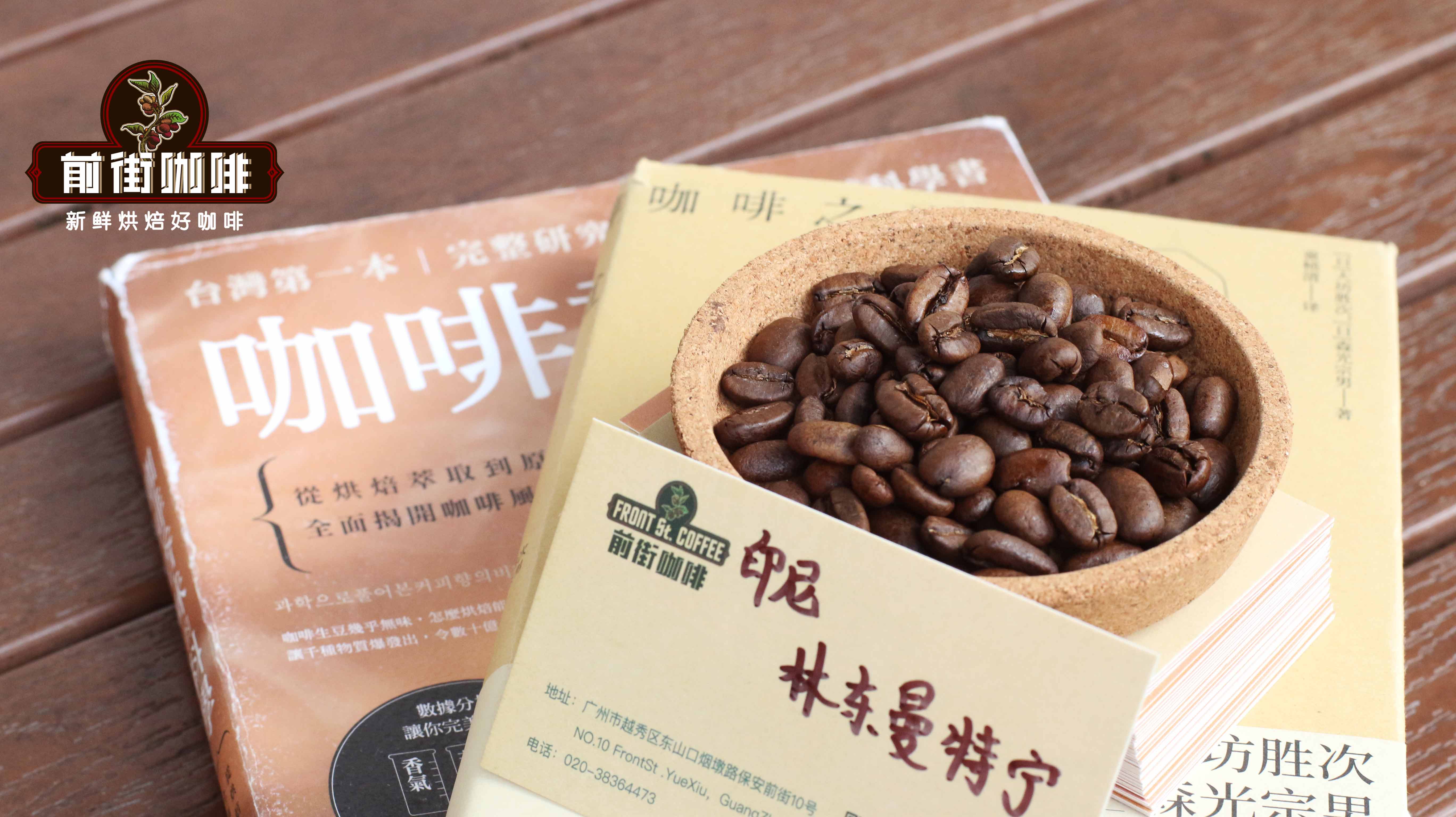
Complete Guide to Mandheling Coffee: From the Origin of the Name to Front Street Golden Mandheling Brewing and Flavor Characteristics
Mandheling is a highly recognizable name in the coffee world, but its origin is actually a "double misunderstanding." This article will sort through the story behind the Mandheling name, its varietal classifications, and why Front Street Gold Mandheling is regarded as the standout among them. We will also discuss PWN Green Bean Company's exclusive registration of the "Gold Mandheling" trademark, its strict screening process, the flavor foundation brought by the wet-hulling method, and provide specific parameters and staged extraction techniques for brewing Front Street Gold Mandheling at home. Whether you want to understand the characteristics of Mandheling or want to brew a cup of rich, solid black coffee, this content can give you clear reference. [more…]
A Detailed Analysis of Gesha Village Gold Label Geisha: From Grade Markings to the Flavor Origins of Variety 1931
In the world of specialty coffee, Gesha Village's "Gold Label" often leaves enthusiasts both longing and confused—what exactly is the difference between it and Hacienda La Esmeralda's Red Label? And why is Gesha Village able to produce such expensive coffee? This article will begin with the Chinese-language context of "label" naming, sorting out the English product names and grading logic behind labels such as Gold Label, Red Label, and Green Label, then take a deeper look at Gesha Village's geographical location, growing conditions, and variety selection history, and break down in detail the variety origin, plot management, and cupping performance of Gold Label Gesha. Finally, Front Street Coffee will share a complete brewing recipe for a Gold Label Gesha to help you extract the rich layers of this rare treasure at home. [more…]
A Detailed Guide to Coffee Grades from Gesha Village, Ethiopia: How to Distinguish Auction, Gold, Red, Green, and Chaka Lots
The Geisha coffee produced in Ethiopia's Gesha Village has its own distinctive flavor compared to Panama Geisha, and it also has a strict grading system. This article will guide you through the characteristics and distinguishing methods of Gesha Village's Auction, Gold, Red, Green, and Chaka lots. Through actual cupping and pour-over experiences, Front Street Coffee compared the flavor performance of different grades of Geisha and shared roasting and brewing suggestions. Whether you're looking for a high-value everyday bean or are interested in top auction lots, this article will help you sort things out. [more…]
What are the differences between the various batches of coffee from Gesha Village in Ethiopia? A full breakdown of the Auction Lot, Gold, Red, Green, and Chaka
Ethiopia's Gesha Village Coffee Estate produces coffee with a style distinctly different from Panama Geisha, and has established a five-tier system: Auction, Gold, Red, Green, and Chaka. Front Street Coffee has long tracked and cupped these lots, and this article will go through the characteristics of each lot, from grading standards and flavor expression to natural processing and three-stage pour-over parameters. This year, the Gold Label shows a Panama-style profile of citrus, jasmine, honey, and tea notes; the Red Label is balanced with prominent nutty notes; the Green Label is full-bodied with berry acidity and vinous notes; and Chaka has a lower entry threshold with soft citrus and grapefruit acidity. It is suitable reading for coffee enthusiasts who want a systematic understanding of the Gesha Village product line. [more…]
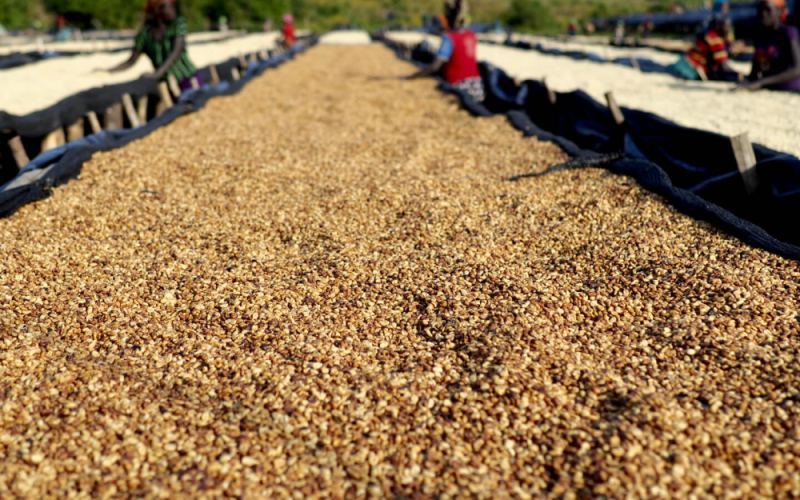
Ethiopia Gesha Village Estate Gold Label Natural Geisha: A Full Analysis of Plot Varieties, Production Grading, and Flavor & Brewing
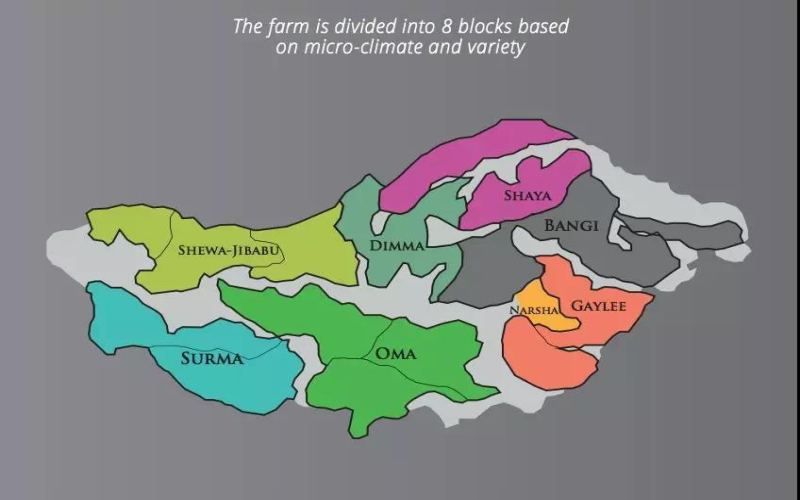
Located in the Bench Maji region of Ethiopia, Gesha Village Coffee Estate has risen to prominence in the specialty coffee world in recent years, with its various grades of Geisha beans frequently appearing on the stage of world-class coffee competitions. The estate divides its growing areas into eight blocks, planted respectively with varieties such as Gori Gesha, Illubabor, and Gesha 1931, and establishes a five-tier system based on cupping quality: Auction, Gold, Red, Green, and Chaka. This article will guide you through the geographical environment of Gesha Village Coffee Estate, the varieties and flavor characteristics of each block, analyze the definition and value of the Gold tier, and use Front Street Coffee's this season's sun-dried Gold selection from the Oma block as an example to share the varietal background, brewing parameters, and cupping performance of Gesha 1931. [more…]
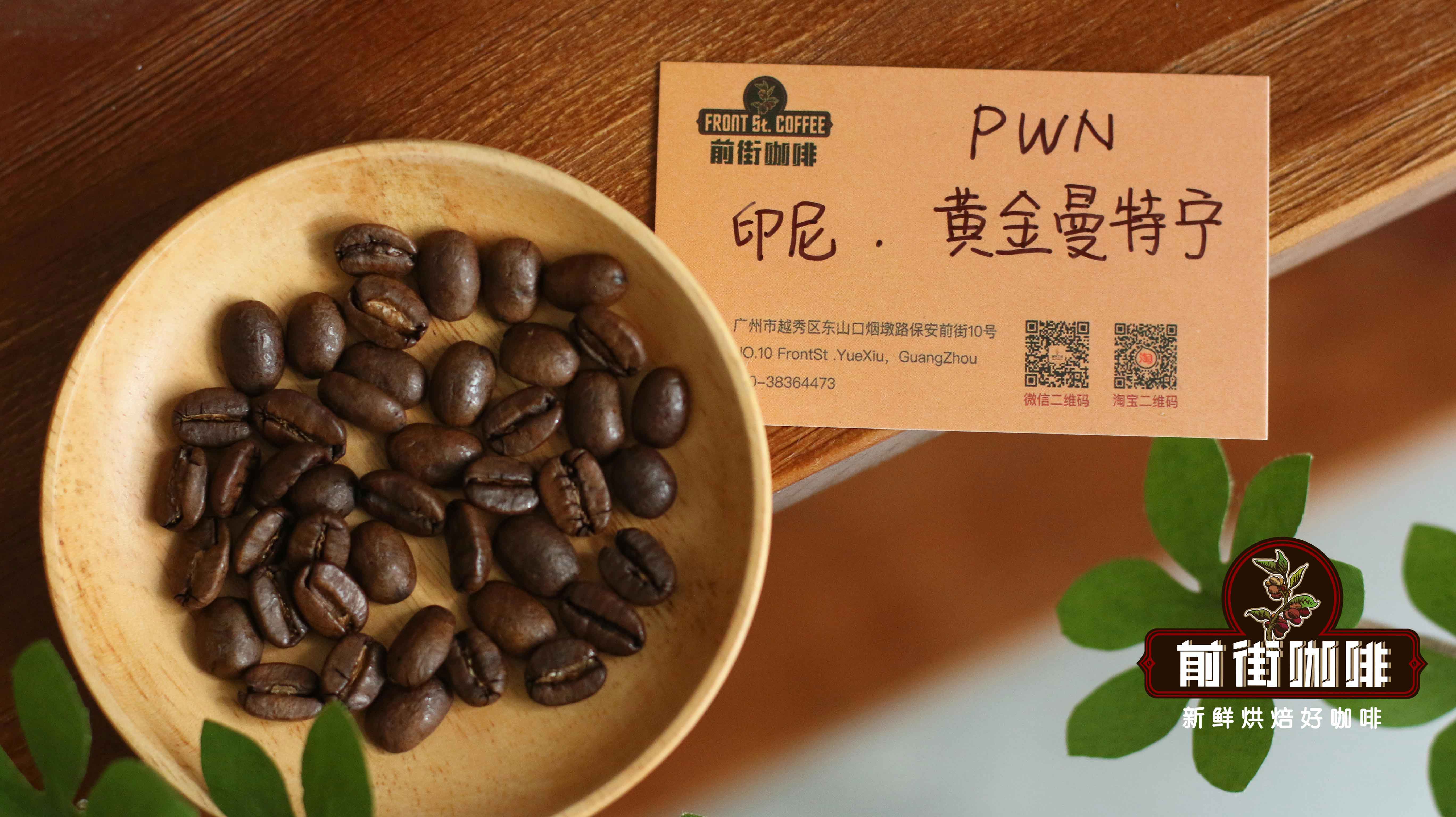
The Complete Guide to Indonesian PWN Golden Mandheling Pour-Over: Parameters, Technique, and Flavor Analysis
The Golden Mandheling produced by Indonesia's PWN company has always been the benchmark among Mandheling coffees, yet many coffee enthusiasts find it difficult to replicate the taste they enjoy in cafés after buying the beans. Drawing on Front Street Coffee's hands-on experience, this article systematically breaks down the seven key elements of pour-over brewing for Golden Mandheling, covering bean freshness, grind size, water temperature, water quality, dripper selection, coffee-to-water ratio, and brewing time, while detailing each step of the three-stage pouring technique. It also provides Front Street's specific brewing parameters and flavor description for this medium-dark roasted bean, helping you brew a cup of Golden Mandheling that is rich, clean, and layered with complexity. [more…]

Starbucks Rewards upgrades to Diamond tier membership, new benefits spark heated discussion among users
Since Starbucks launched its Rewards program in 2008, membership tiers had maintained a three-level structure: Green, Gold, and Silver. However, starting June 20, this system, which had been in use for over a decade, underwent a major change—a new Diamond tier was added, and Gold members who accumulate 100 registered stars within the past year can automatically upgrade. The new tier brings benefits such as priority preparation for Mobile Order & Pay, birthday-exclusive gifts, and free Roastery experiences, and also launches a joint membership with Hilton. However, some loyal users have questioned the practicality of these new benefits, believing the threshold is too high and the reach is limited. This article will comprehensively review the details of this adjustment and the feedback from various parties. [more…]
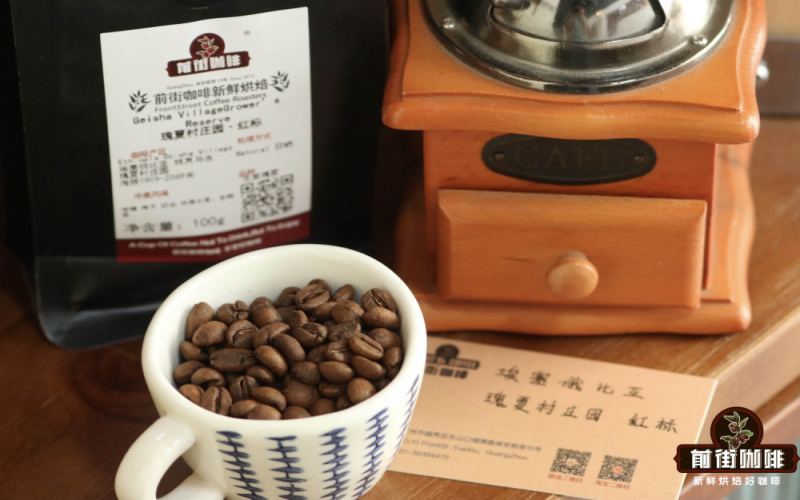
Exploring Ethiopia's Gesha Village Estate: From Plot Terroir to Gold Label Grading and Brewing Guide
Located in the Bench Maji region of Ethiopia, Gesha Village Coffee Estate has in recent years become a name impossible to overlook in the specialty coffee world. The Ethiopian Gesha coffees of various grades produced by this estate appear frequently in world-class coffee competitions, bringing this coffee kingdom of Ethiopia back into the spotlight. From the entrepreneurial story of Adam and Rachel, to the variety and flavor differences among the eight blocks, and to the strict grading systems such as Gold Label and Red Label, Gesha Village interprets its pursuit of quality with近乎苛刻 standards. This article will also present the cupping performance and brewing parameters of Front Street Coffee's new-season Gold Label Gesha for coffee enthusiasts' reference. [more…]
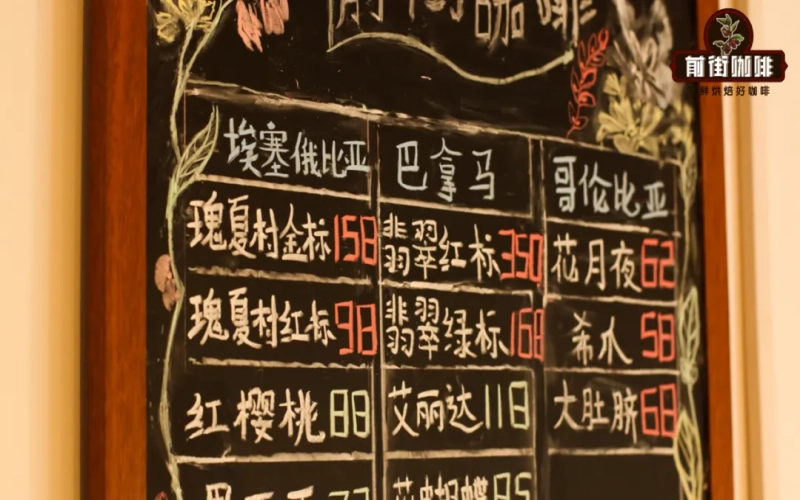
What is the difference between Gold Label and Red Label from Gesha Village? Do Gesha 1931 and Gori Gesha belong to the Gesha variety?
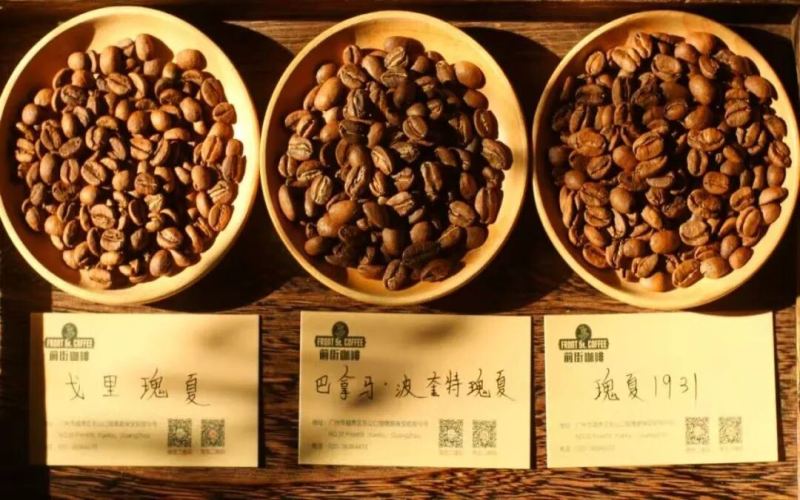
The Gold Label and Red Label coffees produced by Gesha Village Estate are a focal point for many enthusiasts. What exactly are the differences between these two products in terms of variety, grading, and flavor? And do the Gesha 1931 used for the Gold Label and the Gori Gesha used for the Red Label truly belong to what we commonly call Gesha? In this article, Front Street Coffee will sort out Gesha Village's grading system for you, from geographical divisions and variety tracing to cupping performance, and bring a specific brewing comparison of two natural-process lots, helping you more clearly understand the differences between these two lots. [more…]

Gesha Village Estate Gesha Bean Grading: A Detailed Explanation of Auction, Gold, Red, Green, and Chaka Lots
Ethiopia's Gesha Village is one of the few estates dedicated to growing Gesha on a large scale, and its product line is divided into five grades: Auction, Gold, Red, Green, and Chaka. This article provides a detailed analysis of the flavor characteristics, production proportions, and cupping performance of each grade, and also includes Front Street Coffee's roasting and brewing parameters for each batch of Gesha, helping coffee enthusiasts gain a comprehensive understanding of Gesha Village's grading system and purchasing direction. [more…]
Flavor Analysis of Various Geisha Coffee Bean Lots from Gesha Village, Ethiopia, and Gold Label Pour-Over Parameters Sharing
Located on the southwestern frontier of Ethiopia, bordering Sudan, Gesha Village Coffee Estate is named after the local nomadic Surma people. Its elevation ranges from 1909 to 2063 meters, and its primary variety is Gesha 1931. The coffee produced here is renowned for its delicate aromas of jasmine and pale red roses, accompanied by the sweetness of strawberry, ripe watermelon, and apple, along with a refined and soft spicy finish. Drawing on the Panamanian business model, the estate classifies its Geisha into different grades such as Gold Label, Red Label, Green Label, and Chaka. This article will systematically review the flavor characteristics and product information of each grade, and include a complete pour-over guide for Front Street Coffee's Gold Label Geisha, including dripper, water temperature, coffee-to-water ratio, and three-stage pouring details, for coffee enthusiasts' reference. [more…]
Gesha Village Coffee Grades | What Are the Differences in Flavor and Mouthfeel Between Ethiopia's Gesha Village Gold Label and Red Label Coffee?
Besides Hacienda La Esmeralda's Red Label and Green Label Geisha, there is another group of somewhat well-known "labeled" Geishas on Front Street Coffee's bean menu board. These are the Gold Label Geisha and Red Label Geisha from Ethiopia's Gesha Village. Front Street Coffee has previously shared the grading system of Hacienda La Esmeralda, and has also shared about two estates. [more…]
Gesha Village Estate Gesha Bean Grading Explained: Differences Between Auction, Gold, Red, Green, and Chaka Lots
Ethiopia's Gesha Village is the only estate that cultivates Geisha on a large scale exclusively, and its product line, modeled after Hacienda La Esmeralda, is divided into five grades: Auction, Gold, Red, Green, and Chaka. This article will analyze each grade one by one in terms of its definition, share of production, cupping performance, and flavor characteristics, and will also include Front Street Coffee's actual cupping records and brewing parameters for each grade, helping coffee lovers gain a comprehensive understanding of Gesha Village's grading system and how to choose. [more…]
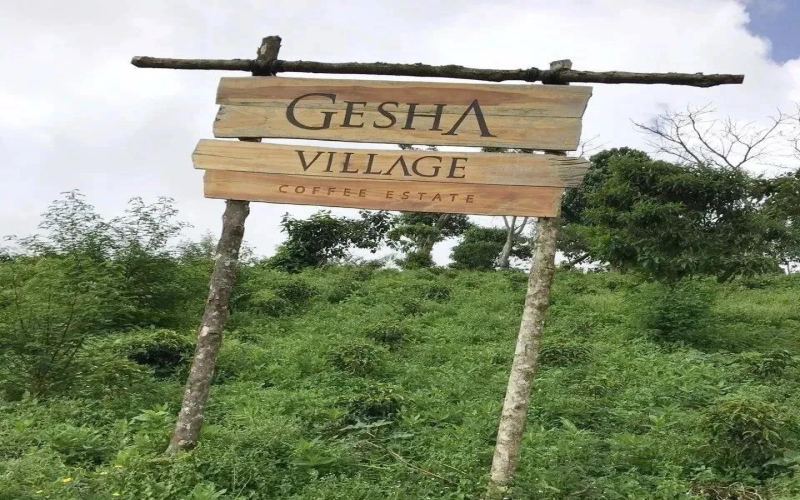
Ethiopia Gesha Village Gold Label Gesha Coffee Beans: A Complete Guide to Gori Gesha and Gesha 1931 Varieties
Although Geisha coffee became famous at Hacienda La Esmeralda in Panama, its roots can be traced back to the Geisha forest in southwestern Ethiopia. Gesha Village Coffee Estate, as a rare estate-level coffee producer in Ethiopia, follows the grading model of Hacienda La Esmeralda in Panama and classifies its Geisha coffees into five grades: Auction, Gold, Red, Green, and Chaka. This article will provide an in-depth introduction to the origin story of Gesha Village, its plot divisions, variety characteristics, and the brewing performance of Front Street Coffee's Gold Label Geisha from this year's new harvest season, giving you a comprehensive understanding of this Geisha 1931 coffee bean from the Oma plot, sun-dried for 32 days. [more…]

Panama Emerald Red Label vs. Gesha Village Gold Label: A Side-by-Side Comparison—Which of the Two Top Geshas Is More Worth Buying?
Geisha coffee has always been a top-topic in the specialty coffee world, and on Front Street Coffee's bean list, Hacienda La Esmeralda's Red Label and Gesha Village's Gold Label are exactly the two that many enthusiasts find themselves torn between when first encountering Geisha. These two beans each represent the highest grade of their respective estates, yet because of the "red" and "gold" in their Chinese names, many people can't tell which is which. They differ not only in price, but also in variety origin, growing terroir, and flavor performance. This article systematically sorts out the similarities and differences between these two top Geishas for Front Street Coffee's customers—from naming logic and variety tracing to origin environment and actual cupping comparison—to help you find the cup that suits you best. [more…]

Exploring Ethiopia's Gesha Village Estate: Flavor Grading and Brewing Analysis of Gold, Red, and Green Labels and Chaka Gesha
Located in the Bench Maji region of Ethiopia, Gesha Village Coffee Estate is home to the Gori Gesha forest, where the Gesha variety was first discovered. With the assistance of consultant Willem Boot, estate owner Adam selected and bred varieties from wild Gesha trees that are closest to Panama Geisha, and established a strict grading system, including Auction, Gold, Red, Green, and Chaka. This article will introduce you to the three varieties of Gesha Village—Gori Gesha, Gesha 1931, and Illubabor—analyze the yield proportions, flavor characteristics, and traceability information of each grade lot, and share Front Street Coffee's cupping experience with the Gold, Red, Green, and Chaka lots. Finally, we will demonstrate the pour-over parameters and three-pour extraction steps for Red Label Geisha, helping you recreate Gesha Village's signature floral and complex fruity notes at home. [more…]
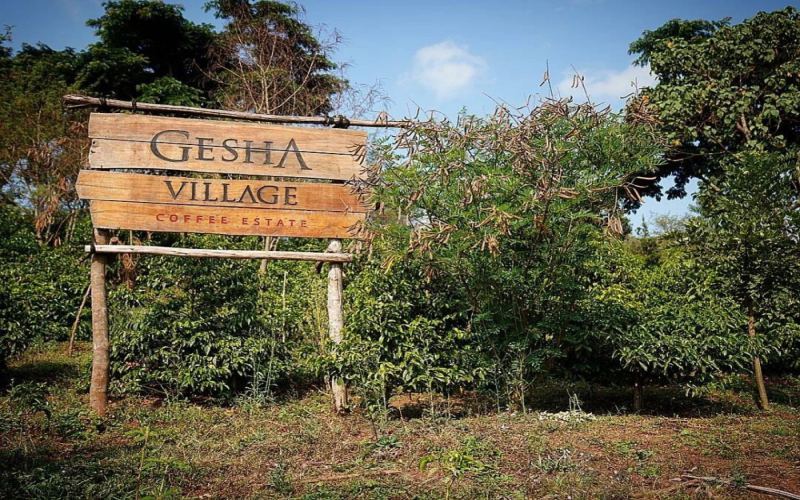
Gesha Village Estate Gold, Red, and Green Label Chaka Grade Comparison: Ethiopian Gesha Coffee Variety and Cupping Flavor Analysis
In the world of specialty coffee, Geisha is undoubtedly one of the most talked-about varieties in recent years. And when it comes to Geisha, one cannot fail to mention Gesha Village Coffee Estate, located in the Bench Maji region of Ethiopia. This estate is not only the original collection site of the Panamanian Geisha variety, but is also renowned for its strict grading system and multi-variety planting system. This article will systematically introduce the variety composition of Gesha Village Coffee Estate—Gori Gesha, Gesha 1931, and Illubabor—and analyze one by one the grading standards, production proportions, and flavor characteristics of the Gold Label, Red Label, Green Label, Chaka, and auction lots. At the same time, Front Street Coffee will combine the specific origin information, altitude data, and processing methods of each lot to share the cupping performance and brewing suggestions for Gold Label, Red Label, and Green Label Geisha, helping coffee lovers gain a comprehensive understanding of this legendary estate's flavor landscape. [more…]