








What Sets Ethiopia Gesha Village Gesha Coffee Apart?
Gesha coffee from Ethiopia's Gesha Village Estate carries the variety's African roots, while Panama Geisha built its reputation in Central America. The Gold Label lot reviewed here comes from the Oma block, grown at 1,900 to 2,040 meters as the Geisha 1931 variety and processed using a refined natural method, which shapes its fruit-forward cup.
Gesha Village Estate was founded after Adam Overton and Rachel Samuel found the Gori Gesha forest in 2009, building a 500-hectare farm. Its Gold Label accounts for only about 10 percent of annual production, with quality second only to auction lots. By comparison, Panama geisha coffees such as those from Finca La Mula show how the same variety shifts with terroir.
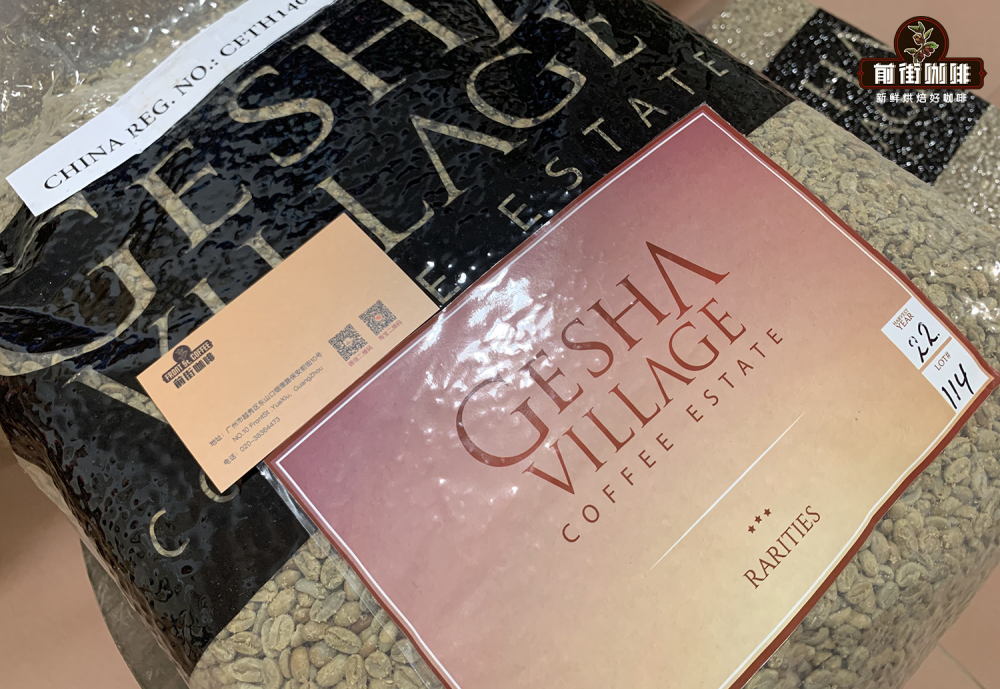
Although Geisha coffee is famous for its association with Panama, its roots can be traced back to Africa, specifically Ethiopia. In this review, Front Street Coffee is evaluating a Gold Label Geisha from Ethiopia's Gesha Village Estate, grown in the Oma block, of the Geisha 1931 variety, and processed using a refined natural method. What exactly are the differences between this African Geisha and its American counterpart? The idea for Gesha Village Estate was conceived in 2007 by documentary filmmaker Adam Overton and his photographer wife Rachel Samuel. In 2009, inspired by Willem Boot, owner of Finca La Mula, they found the Gori Gesha forest and ultimately established this 500-hectare large farm. The estate's product lines are divided into Gold Label, Red Label, Green Label, and Chaka. The Gold Label accounts for only 10% of annual production, with quality second only to the auction lots. This article will present the unique charm of this Gold Label Geisha in full, from the estate's story, variety characteristics, and processing methods to the roasting curve and cupping flavors.
When it comes to Geisha coffee, most people first think of Panama, and Costa Rica, which borders Panama, also produces Geisha with impressive results. But if we trace its origins, the Geisha variety actually comes from Africa on the other side of the ocean — Ethiopia, the birthplace of Arabica coffee. Front Street Coffee has tested the Geisha coffee from Ethiopia's Gesha Village Estate this time, hoping to clarify exactly what differences exist between African Geisha and American Geisha.
Front Street Coffee Ethiopia Gesha Village Estate Gold Label Geisha
Region: Ethiopia, Bench Maji region
Estate: Gesha Village Estate, Oma block
Altitude: 1,900–2,040 meters
Variety: Geisha 1931
Processing method: Natural processing
The Legendary Story of Gesha Village Estate
In 2007, documentary filmmaker Adam Overton and his photographer wife Rachel Samuel were filming a documentary about coffee for the Ethiopian government when they came into contact with the Gera coffee forest in the Bench Maji region. This experience gave them the idea of creating their own coffee estate and brand.
In 2009, they were fortunate enough to meet the famous Finca La Mula owner and BOP judge Willem Boot. Willem Boot's vision happened to open a door for the Overton couple: return to Ethiopia and search for the birthplace of Geisha.
Eventually, they arrived at Bench Maji — an area in southwestern Ethiopia, near South Sudan. Many places there are called Gesha village, and it is also considered the most likely place to find the original Geisha.
Adam followed Willem Boot on an "expedition" into the forests around the estate. In a jungle magically enveloped by dense forest, they discovered multiple wild tree species, and the most delightful find was wild Geisha.
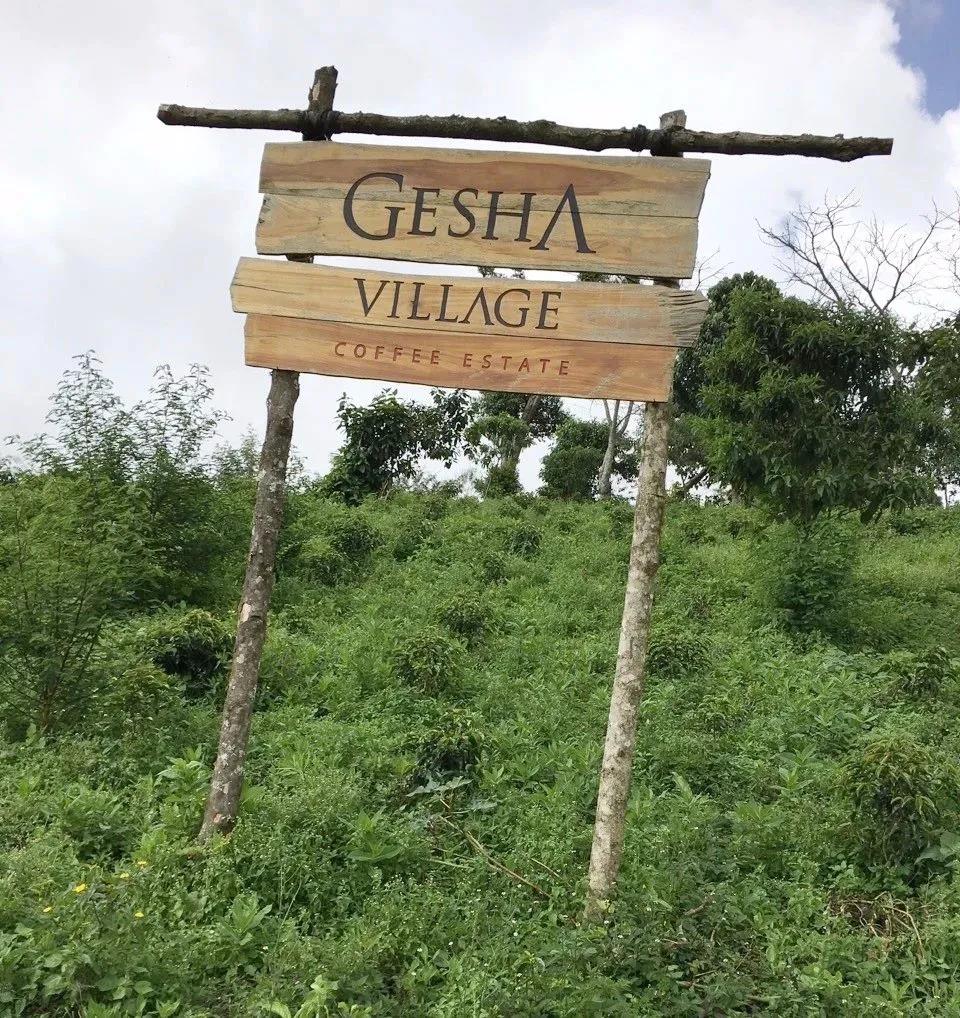
Only later did they learn that this was the Gori Gesha forest, the very place where the Geisha variety was first discovered. So they collected seeds from the native Geisha trees, selected them, and planted them at Gesha Village. They decided to build the estate there, naming it Gesha Village Coffee Estate, located about 12 miles from the Gori Gesha forest and covering 475 hectares.
Completely different from the vast majority of Ethiopian farms, Gesha Village is not a small-scale farm but a 500-hectare large farm with its own washing station and laboratory. The entire farm grows only the Geisha variety, rather than the Ethiopian heirloom varieties whose specific identities usually cannot be determined.
The Coffee Varieties of Gesha Village
Gesha Village grows three varieties in total, each named after members of the expedition team when the coffee was discovered: Gesha 1931, Gori Gesha, and Illubabor, which was provided by the Ethiopian Coffee Research Center.
Gesha 1931 was identified by observing plant morphology, bean shape and size, and combining this with cupping performance. It is considered the variety closest to the mother plant of Panamanian Geisha. Gori Gesha, on the other hand, was collected by the estate owner during a personal expedition in 2011 from the wild Gori Gesha coffee forest 20 kilometers from the current Gesha Village farm, and no duplicate samples have been found elsewhere.
Gold Label Geisha Coffee
Gesha Village Estate adopted a product line structure similar to that of Hacienda La Esmeralda, divided into RARITIES (Gold Label), GROWERS RESERVE (Red Label), SINGLE-TERROIR (Green Label), and CHAKA.
The official name of the Gold Label Geisha is RARITIES. The Gold Label accounts for only 10% of Gesha Village's annual production and can almost be regarded as being on the same level as the auction lots. Competitors around the world typically choose this lot — for example, at the 2018 WBC World Championship held in the Netherlands, the champion competitors from Australia and Japan both selected Gold Label lots for competition. Roasters with high quality standards also purchase it. The Gold Label has complete traceability, with each lot offering outstanding flavor and high complexity. It is the estate's finest grade after the auction lots.
Gesha Village Estate has strict block divisions, with each area planted with different coffee varieties. This Gold Label Geisha comes from the Oma block, located in the central-southern part of Gesha Village, planted with the Geisha 1931 variety, which is genetically the most similar coffee variety to Panamanian Geisha.
The Estate's Refined Natural Processing
Front Street Coffee's Gesha Village coffee uses natural processing. First, floating matter and impurities are removed, then the cherries are dried in thin layers on African raised beds covered with plastic sheeting. During the drying process on the drying beds, a second round of sorting is done to pick out insect-damaged beans and green-colored coffee beans. The total drying time is 18 to 30 days. Front Street believes that naturally processed coffee has pronounced sweetness, soft acidity, and a flavor profile that presents complex fruity notes.
Front Street Coffee Roasting Analysis
Since this lot is from the new 2020 crop season, it has a higher moisture content, so the dehydration time is extended during roasting. The final roast level was determined to be medium-light to highlight the fruity sweetness.
Yangjia 800N, 500g batch size: charged at 175°C, heat setting 130, damper opened to 3; the turning point was at 1'36", at 92.8°C. At 3 minutes, the damper was opened to 4 and the heat was increased to 140; at 152.6°C (6'26"), the bean surface turned yellow, the grassy smell completely disappeared, and the dehydration phase began, so the heat was lowered to 100; at 8'20", ugly wrinkles and dark patches appeared on the bean surface, and the toast-like aroma clearly turned into coffee aroma, which can be defined as the prelude to first crack. At this point, one must listen carefully for the sound of first crack. First crack began at 9'55", the damper was opened to 5, and after 1'30'' of development after first crack, the beans were dropped at 193.5°C.
Front Street Coffee Cupping Report
Brewing Parameters
Dose: 15 grams
Coffee-to-water ratio: 1:15
Grind size: fine grind for pour-over (78% passing through a No. 20 standard sieve)
Water temperature: 90°C
Front Street brewing method: First rinse the filter paper and preheat the dripper and the coffee pot. Use 30 grams of water for a 30-second bloom. Pour in a slow circular stream up to 125 grams, then pause. When the water level is about to expose the coffee bed, continue pouring in a circular motion up to 225 grams and stop. When the water level is about to expose the coffee bed again, remove the dripper. (Timing starts at the beginning of the bloom.) Total extraction time is exactly 2 minutes.
Brewed flavor: Intense jasmine aroma. Flavors of peach, apricot, candied fruit, melon, and mandarin, plus honey sweetness.
For more specialty coffee beans, please add the private WeChat of Front Street Coffee. WeChat ID: kaixinguoguo0925
The above content is compiled by CoffeeHunters, a coffee news website.


