







Search Results for: Front Street Mirazu
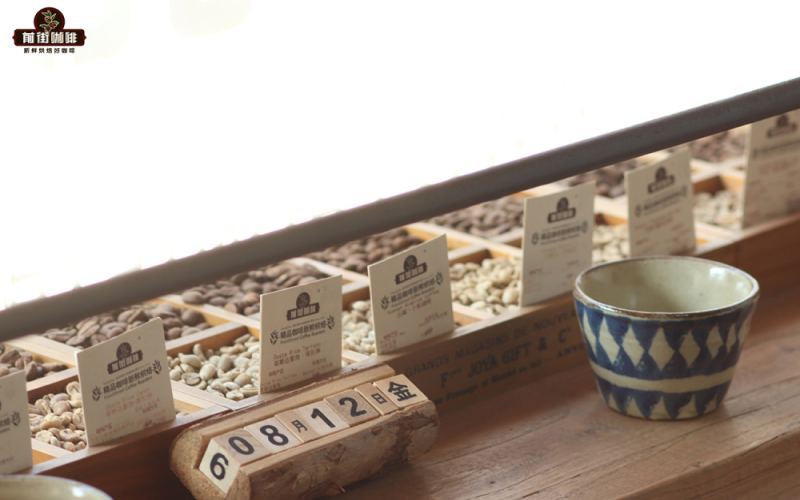
Analysis of the Variety Composition and Cupping Flavor Profile of Costa Rica Tarrazú Mirazu Estate Geisha Blend Coffee Beans
The Geisha variety gained fame because of Panama, but its path of spread actually began in Costa Rica. This article focuses on Hacienda Miramonte in the Tarrazú region of Costa Rica, analyzing a Front Street Coffee Geisha blend made up of multiple varieties: Geisha, ET47, SL28, and MAICO. From the estate’s background and the traceability of the varieties to the raisin honey processing method, and then to the cupping performance after a medium-light roast, it fully presents its flavor layers of roses, strawberry gummies, raisins, and almonds. It also shares Front Street’s brewing parameters and extraction approach for this bean, helping coffee lovers better appreciate its floral aroma and berry sweetness. [more…]
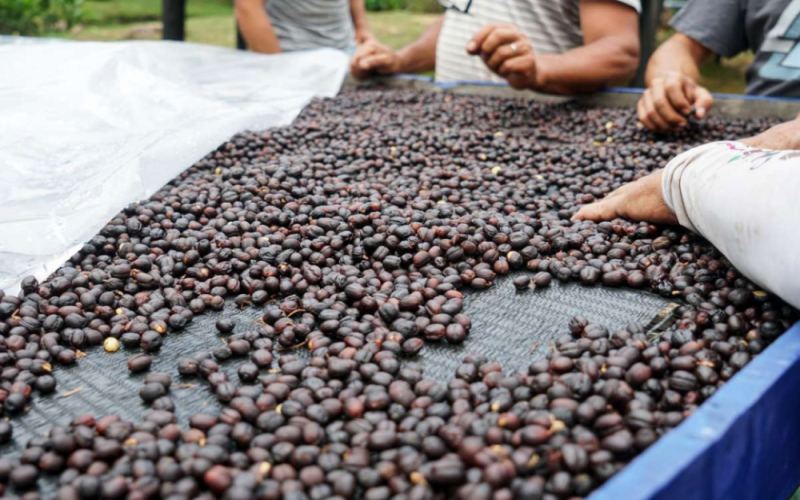
Costa Rica Mirazu Estate Geisha Blend Pour-Over Guide: Strawberry Candy Flavor Extraction Parameters Explained
Costa Rica is renowned for its honey-processed coffee, whose parchment beans are golden in color, mellow in body, and remarkably sweet. This article focuses on the Strawberry Candy coffee beans from the Mirazu Estate, launched by Front Street Coffee. These beans are a Geisha blend, grown at an elevation of 1,700 meters in the Tarrazú region and processed using the honey method. The article first reviews the terroir characteristics of Costa Rica's seven major coffee regions, then takes a deeper look at the background of the Mirazu Estate and the history of the Geisha variety, and finally shares the pour-over recipe designed by Front Street Coffee's baristas for this bean—93°C water temperature, V60 dripper, and a 1:15 coffee-to-water ratio, using staged pouring to highlight the floral and fruity aromas along with a strong sweetness. [more…]
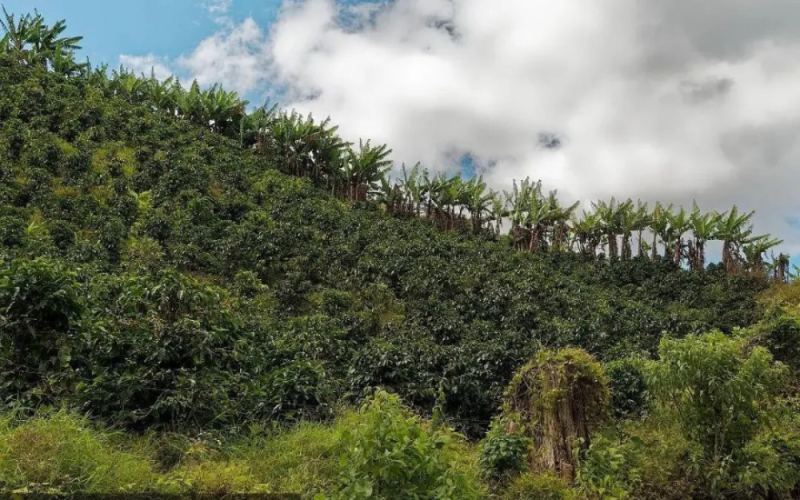
Exploring Costa Rica Tarrazú Mirazu Estate: An Analysis of the Strawberry Candy Coffee, a Geisha and ET47 Hybrid
Costa Rica, as the first country in Central America to cultivate coffee, has bred many specialty coffees thanks to its volcanic soil and microclimates. Among them, the Tarrazú region is the country's largest and first region to obtain denomination of origin certification. The Mirazu Estate located here is independently run by Esteban Sanches, who has a formal academic background, and is known for its meticulous processing and innovative variety combinations. This article will provide an in-depth introduction to Mirazu Estate's Strawberry Candy coffee beans, analyzing its blend of Geisha, ET47, SL28, and MAICO, as well as the unique flavors brought by its raisin honey process. At the same time, brewing suggestions from Front Street Coffee will also be presented, taking you to experience this coffee's rose aroma and strawberry sweetness. [more…]
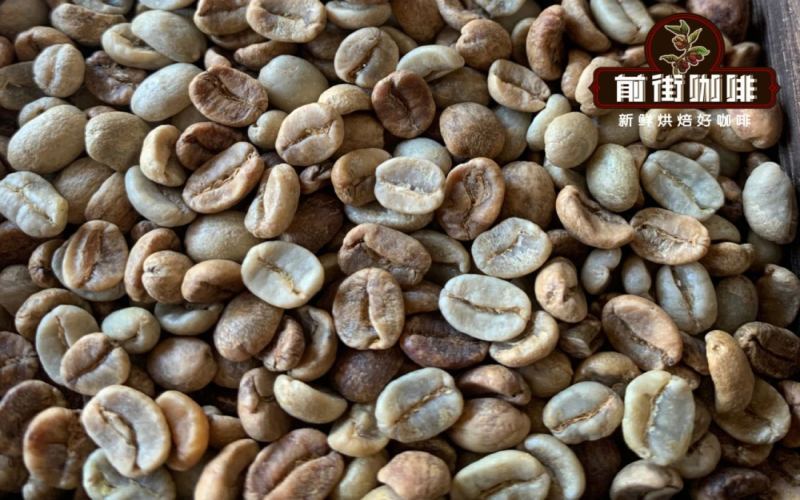
Costa Rica Geisha Double Estate Comparison: Flavor Stories and Variety Characteristics of Little Candle and Mirazu
Geisha originated in Ethiopia, rose to prominence in Panama, and today the high-altitude volcanic regions of Costa Rica also produce Geisha with a distinctive character. Front Street Coffee is bringing two beans this time: a washed Geisha from La Candelilla Estate and a Geisha blend from Mirazu Estate. The former is known for its jasmine fragrance, citric acidity, and honey green tea finish, while the latter presents raisin sweetness, strawberry gummy, and nutty creamy notes. Both beans come from the Tarrazú region, yet each has its own charm due to differences in estate microclimate, variety composition, and processing method. The following sections will go through the estate backgrounds, variety origins, green bean processing methods, roasting curves, and brewing comparisons one by one, helping coffee lovers find the cup they prefer. [more…]
Flavor Analysis of Costa Rica Geisha Blend Coffee Beans: Mirazu Estate Raisin Honey Processing and Brewing Suggestions
Costa Rica, as a neighboring country of Panama, was also an important transit point for the Geisha variety's introduction into Panama. After Geisha shone brightly at Panama's BOP, Costa Rica also began to attach importance to this variety. This time, Front Street Coffee introduces a Costa Rican Geisha blend coffee bean from Mirazu Estate. The estate is located in the Tarrazu region and was independently founded by Esteban Sanches, a member of the original La Candelilla Estate family. This blend contains 50% Geisha, along with ET47, SL28, and MAICO, and is processed using the raisin honey method, with a medium-light roast. The cupping flavors are rose, strawberry gummy, raisin, and almond, and Front Street Coffee calls it "Strawberry Candy." The following sections will provide a detailed analysis of its variety background, processing method, roasting approach, and brewing parameters. [more…]
Flavor Analysis and Estate Story of Costa Rica Mirazu Estate Geisha Coffee Beans
Costa Rica, with its high altitude, fertile volcanic ash soil, and pleasant temperatures, has become a representative origin of high-quality Arabica coffee in Central America. The country is divided into multiple producing regions, each presenting unique flavors. This article focuses on Mirazu Estate in the Tarrazu region, telling the story of estate owner Esteban Sanches leaving La Candelilla to build his own estate, and provides a detailed analysis of Front Street Coffee Costa Rica Strawberry Candy, a Geisha coffee—its variety composition, raisin honey processing method, and brewing strategy of medium roast, high water temperature, and fast flow rate—to give you a complete experience of rich fruit aromas and strong sweetness. [more…]

Costa Rica Geisha Flavor Analysis: Brewing Parameters and Origin Story of the Mirazu Strawberry Candy Blend
Although Geisha coffee is famous for its connection to Panama, its varietal lineage entered Central America through Costa Rica. This article traces the spread of Geisha from Ethiopia to Costa Rica and then to Panama, and focuses on the Costa Rica Mirazu Estate Strawberry Candy Geisha blend introduced by Front Street Coffee. This blend is composed of 50% Geisha and 50% ET47, SL28, and MAICO, undergoes raisin honey processing, and presents jasmine floral aromas, raisin sweetness, and strawberry gummy candy flavors. The article explains in detail the estate's varietal background and processing methods, and includes Front Street's V60 pour-over parameters and brewing technique, providing a complete reference for coffee enthusiasts. [more…]

Costa Rica Mirazu Estate Geisha Coffee: Flavor, Taste, Aroma of the Tarrazu Region and the Estate's Story
Costa Rica, with its high altitude, fertile volcanic soil, and distinct dry and rainy seasons, has become one of the representative origins of specialty coffee in Central and South America. The country is divided into multiple growing regions, each presenting unique aroma and acidity profiles. Among them, the Tarrazú region is known for its citrus acidity, dried-fruit sweetness, and chocolate notes. This article will take you into Mirazu Estate, learn about the founding story of its owner Esteban Sanches, and analyze this Geisha blend bean recommended by Front Street Coffee—using raisin honey processing to bring a richer sweetness and lasting aroma. At the same time, we will share Front Street's roasting and brewing parameters to help coffee lovers recreate this cup of "sweet honey" flavor at home. [more…]
Flavor Analysis and Pour-Over Method for Costa Rica Mirazu Estate Geisha Strawberry Honey Process Coffee Beans
Costa Rica is renowned for its honey-processed coffee beans, whose parchment beans have a golden hue, a thick body, and outstanding sweetness. As the only country in the world with legislation restricting cultivation to Arabica varieties alone, Costa Rica's pursuit of quality is evident. This article starts from the terroir differences among Costa Rica's seven major coffee-producing regions, with a focus on the Geisha blend bean from Mirazu Estate in the Tarrazú region—Strawberry Candy. This bean uses raisin honey processing, blending the floral and fruity aromas of Geisha with intense sweetness. CoffeeHunters' roaster uses a medium roast, higher water temperature, and a faster-flow dripper for brewing, striving to bring out its aroma and sweetness. The article includes complete pour-over parameters and staged pouring steps, suitable for coffee enthusiasts to reference and practice. [more…]
What Are the Differences Between Costa Rican Geisha and Panamanian Geisha? Mirazu Strawberry Candy Flavor and Front Street Brewing Recommendations
Geisha journeyed from the forests of Ethiopia to the world, and Panama's Hacienda La Esmeralda made it famous, while Costa Rica, as a major coffee hub in Central America, has also produced Geisha with a distinctive style of its own. This article traces Geisha's path of dissemination, compares the producing regions' terroir, variety composition and processing methods of Panamanian and Costa Rican Geisha, and focuses on the blended Geisha from Mirazu Estate that Front Street Coffee uses. The article also shares Front Street's roasting approach and three-pour brewing parameters, helping coffee lovers understand how to bring out sweet, rich flavors such as rose, strawberry and raisin. [more…]
Costa Rican Honey-Processed Coffee Flavor Analysis: A Brewing and Tasting Guide to the Mirazu Estate Geisha Blend
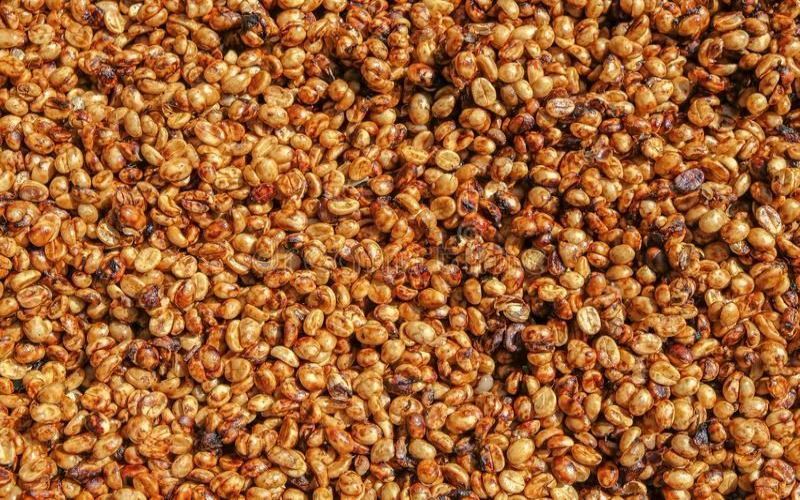
Costa Rican coffee has always been known for its balanced and smooth character, chocolatey notes, and honey-like sweetness. The Strawberry Candy Geisha blend from Mirazu Estate, newly launched by Front Street Coffee, uses the raisin honey processing method to cleverly combine the floral aroma of Geisha with the berry sweetness of ET47, SL28, and MAICO, presenting jasmine floral notes, strawberry, raisin, and a creamy mouthfeel. This article, from Front Street's origin perspective, will outline the main coffee-producing regions of Costa Rica and the terroir characteristics of Tarrazú, explain in detail Mirazu Estate's cultivation philosophy, the varietal composition of the Geisha blend, and the key points of the raisin honey processing method, and include Front Street roasters' medium-light roast profile, cupping report, and pour-over parameters, so you can fully understand and enjoy this Costa Rican honey-processed coffee with its standout sweetness. [more…]
Costa Rica Tarrazú Mirazú Estate: A Complete Guide to Strawberry Candy Coffee Beans and Raisin Honey Processing
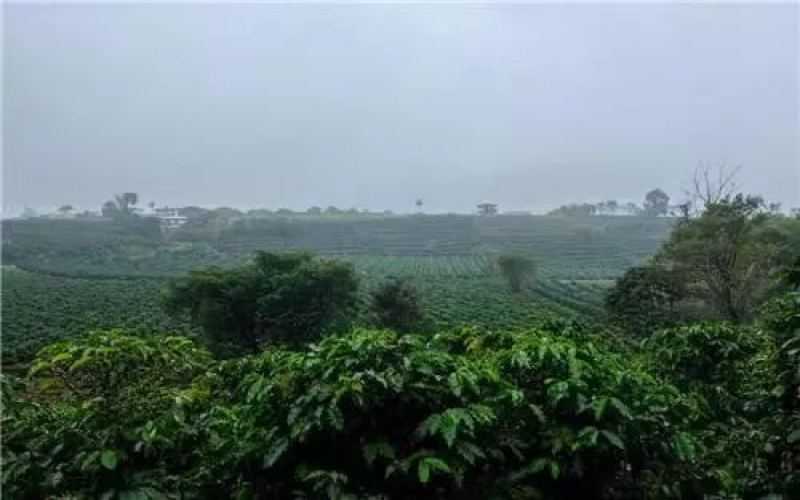
Costa Rica is located in Central America and, with its volcanic soil and excellent climate, has become an important producer of high-quality Arabica coffee. Among its many producing regions, Tarrazú is known for its designation of origin and hard-bean flavor, and Mirazu Estate is one of its small but exquisite gems. The estate owner, Esteban Sanches, has a formal professional background and is both a coffee expert and a machine doctor. He applies raisin honey processing to the extreme, creating strawberry candy coffee beans with abundant sweetness and a unique flavor. Front Street Coffee selects these beans from Mirazu Estate in Tarrazú. Brewed with a V60, they present rich layers of rose fragrance, strawberry, raisin, and almond, with a silky mouthfeel and full sweetness. This article will introduce Costa Rica's coffee-growing background, the terroir of the Tarrazú producing region, the story of Mirazu Estate, and the secrets of raisin honey processing, while also sharing Front Street Coffee's brewing experience. [more…]
Costa Rican Geisha Coffee Flavor Analysis: Is the Mirazu Estate Strawberry Candy Geisha Blend a Single-Origin Bean?
Geisha coffee captivates countless coffee lovers, and most people first think of Panama, but Panama's Geisha variety was actually introduced from Costa Rica. So how does Geisha perform in its "previous stop," Costa Rica? And does a Geisha blend coffee bean count as single-origin coffee? From the perspective of Front Street Coffee, this article compares the characteristics of Geisha from the two major producing regions and provides an in-depth analysis of Front Street Costa Rica Mirazu Estate Strawberry Candy Geisha Blend's variety composition, raisin honey processing method, roasting curve, cupping performance, and brewing parameters, giving you a comprehensive understanding of this distinctive Geisha blend coffee. [more…]
Tracing the Origins of Costa Rican Geisha and Its Blend Expression: Analyzing the Strawberry Candy Flavor of Mirazu Estate
The origin of Geisha's fame actually lies in Costa Rica, and the Panamanian variety was introduced from there. This article starts from the history of variety dissemination, compares the differences between Costa Rican and Panamanian Geisha, and focuses on the strawberry candy Geisha blend from Mirazu Estate launched by Front Street Coffee. The beans come from the Tarrazu region, at an altitude of 1700 meters, and are a half-and-half blend of four varieties: Geisha, ET47, SL28, and MAICO. They are processed as raisin honey and cup with jasmine floral notes, raisin sweetness, and strawberry gummy flavors. The article also outlines the background of each variety, processing details, and includes Front Street's V60 brewing parameters and technique for coffee enthusiasts' reference. [more…]
From 40% to 70% Geisha in Butterfly, Does It Really Count as a Blend? An Analysis of the Definition of Single-Origin Coffee
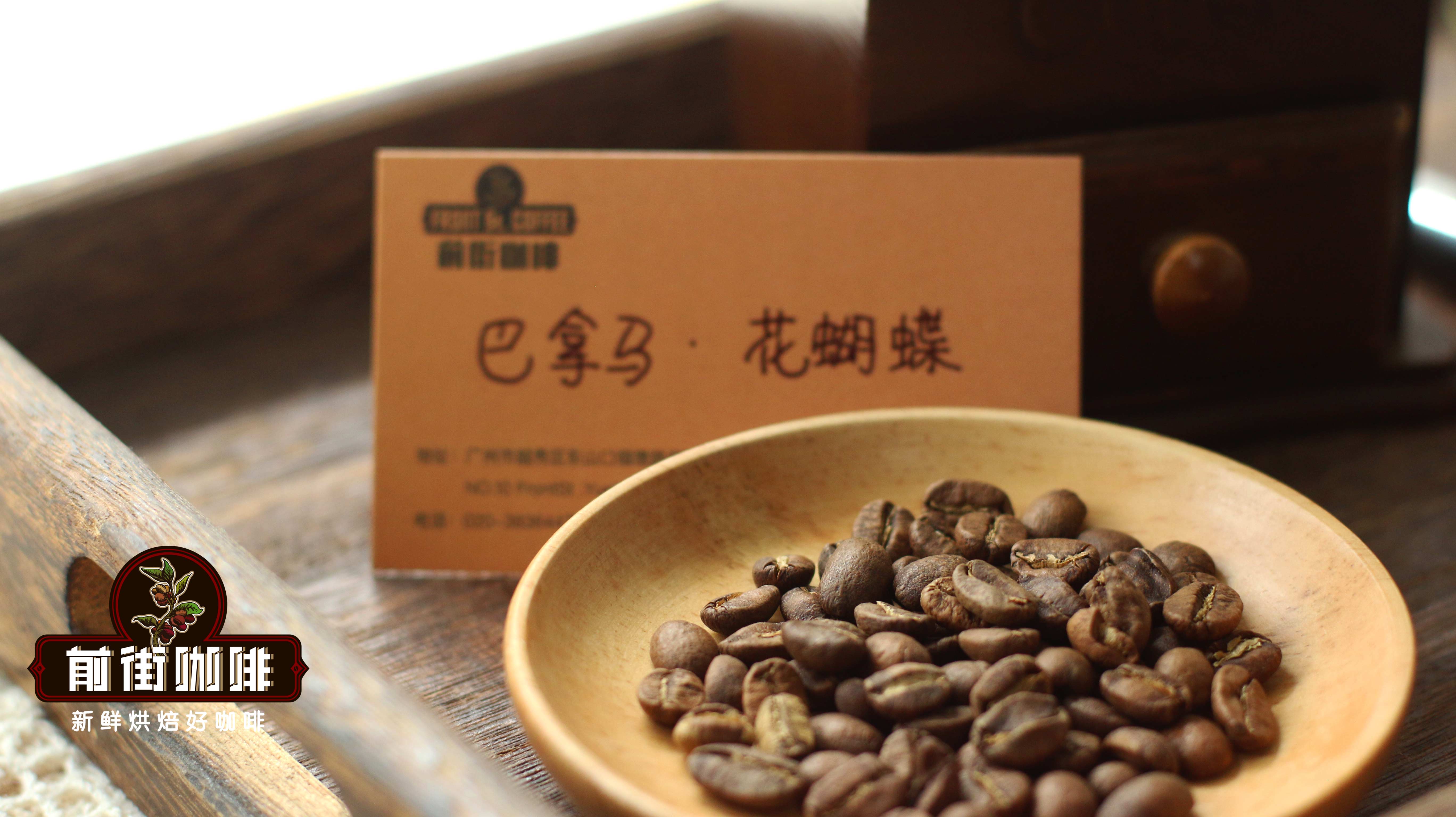
Front Street Coffee currently sells two Geisha blends—Panama Butterfly and Costa Rica Mirazu Strawberry Candy. Although their names contain the word "blend," they are essentially single-origin coffees. This article traces Geisha's journey from the forests of Ethiopia to its rise to fame in Panama, analyzes the varietal composition and terroir conditions behind Butterfly's 70% Geisha ratio, and compares the blending logic of multiple varieties at Mirazu Estate. It also explains the differences between washed and raisin honey processing, and includes Front Street's roasting curve and brewing parameters, helping readers understand why Geisha blend beans still qualify as single-origin. [more…]

Sources of Sweetness in Costa Rican Geisha Coffee and Brewing Key Points: A Comparative Analysis of Candelilla and Miramonte Estates
The Geisha variety traveled from Ethiopia to the world, rose to prominence in Panama, and then took root in the high-altitude growing regions of Central America. Costa Rica, with the volcanic soil and microclimate of the Tarrazu region, has become an important stronghold for Geisha cultivation. Front Street Coffee this time focuses on two Geisha products, from Finca Sabanilla and Mirazu Estate, respectively using washed and raisin honey processing, with completely different flavor directions. This article will systematically sort out the causes of the sweetness and the key brewing points of Costa Rican Geisha, from origin terroir, variety composition, green bean processing, and roasting curve to the V60 three-pour brewing method, to help you make a choice according to your taste preference. [more…]
Why Is Costa Rican Geisha So Sweet? Key Brewing Tips for the Mirasu Blend
Geisha traveled from Ethiopia to the world, shining brightly in Panama before taking root in the high-altitude growing regions of Central America. Costa Rica, with Tarrazú's volcanic soil and large day-night temperature swings, has cultivated a Geisha coffee that boasts both sweetness and floral aromatics. In this comparison, Front Street Coffee pits La Candelilla Estate washed Geisha against Mirazu Estate raisin honey-processed Geisha blend, breaking down the flavor differences between the two beans step by step—from varietal composition and green bean processing to roast profiles and the V60 three-pour brewing method—to help coffee lovers find the cup that suits their taste better. [more…]
Analysis of Costa Rican Specialty Coffee Bean Origins, Mirazu Geisha Blend Flavor, and Brewing Key Points
Costa Rica is located in southern Central America, and the coffee it produces is similar in quality to Colombian coffee, often used in coffee blends. This article will walk you through the bean size, acidity, and aroma characteristics of Costa Rican coffee, as well as the impact of high-altitude cultivation on flavor, with a special focus on the flavor profile of Mirazu Geisha blend coffee beans. At the end of the article, we've also compiled nine key points to note when brewing coffee, including water temperature, water quality, grind size, and recommended dosage, to help you consistently extract a delicious cup at home. If you're a fan of specialty coffee, this bean recommended by Front Street Coffee is a great place to start. [more…]
Costa Rica Tarrazu Coffee Region Analysis: Raisin Honey Process Mirasu Flavor, Brewing Parameters, and Growing Advantages
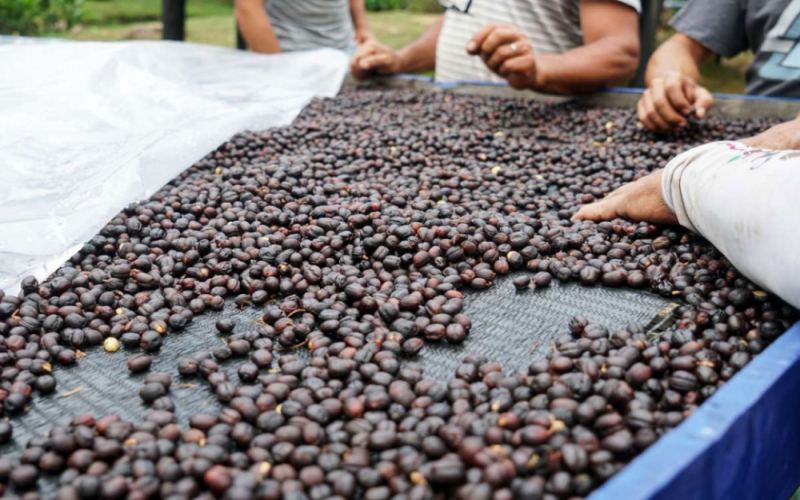
Costa Rica is world-renowned for its honey-processed coffee, and the Tarrazú region is among the very best. This article focuses on Front Street Coffee's Costa Rica Mirazu coffee, tracing the history of coffee cultivation in Costa Rica and the birth of the honey process, explaining in detail the difference between raisin honey processing and traditional honey processing, and introducing the terroir conditions, grading standards, and variety composition of the Mirazu estate in the Tarrazú region. It also includes Front Street's V60 pour-over extraction parameters to help coffee lovers gain a comprehensive understanding of this Costa Rican coffee that combines floral aromas with berry sweetness. [more…]

Can Geisha blend beans be classified as single-origin coffee? An analysis of Front Street Butterfly and Mila Su Strawberry Candy Geisha blends
Geisha coffee has long been renowned for its floral and citrus notes, but when it comes to the many Geisha products on the market labeled as "blends," do they still count as single-origin coffee? This article takes two representative Geisha blends from Front Street Coffee—the Panama Boquete Butterfly and the Costa Rica Mirazu Estate Strawberry Candy Geisha Blend—as examples, examining everything from the history of Geisha's spread, the origin and variety composition of these two beans, the washed and raisin honey processing methods, the roasting curve design, to the actual brewing parameters and flavor performance. After reading, you will understand why the concepts of "Geisha blend" and "single-origin coffee" are not actually in conflict, and you will master the complete brewing approach for these two beans. [more…]