







What is coffee blending and when is a blend single-origin?
Panama Butterfly and Costa Rica Mirazu Strawberry Candy carry the blend label, yet both are single-origin coffees. Butterfly holds 70 percent Geisha alongside Caturra and Catuai, all grown at about 1,600 meters in Boquete, so the beans share one origin and one terroir despite the mixed varieties.
That distinction matters when asking what is coffee blending means for Gesha. Mirazu Estate combines multiple varieties under one farm and one processing style, while washed and raisin honey methods separate the lots. Front Street roasting profiles then shape how much citrus and floral character survives in the cup.
Two Geisha blends currently sold by Front Street Coffee—Panama Butterfly and Costa Rica Mirazu Strawberry Candy—though labeled as "blends," are essentially single-origin coffees. This article traces Geisha's journey from Ethiopian forests to fame in Panama, analyzes the varietal composition and terroir behind Butterfly's 70% Geisha ratio, and compares the multi-variety blending logic of Mirazu Estate. It also details the differences between washed and raisin honey processing, with Front Street roasting profiles and brewing parameters, helping readers understand why Geisha blend beans still meet the single-origin definition.
For more specialty coffee news, follow our WeChat official account: Front Street Coffee (FrontStreet Coffee)
In Front Street Coffee's product line, there are two Geisha-centric blends: Front Street Panama Butterfly Coffee and Front Street Costa Rica Mirazu Estate Strawberry Candy Geisha Blend. Although both are categorized as "blend coffees," in terms of origin they are genuine single-origin coffee beans.
Geisha's Brilliant Debut in Panama and Costa Rica The Geisha variety was first discovered in 1931 in the Geisha forest of Ethiopia, then sent to the Coffee Research Institute in Kenya, introduced to Uganda and Tanzania in 1936, and arrived in Costa Rica in 1953.
In 1963, Don Pachi Serracin brought Geisha trees from Costa Rica to Panama. Due to low yields, which directly affected farmers' income, willingness to plant remained low. The turning point came at Panama La Esmeralda, where owner Daniel Peterson偶然 discovered that coffee beans from Geisha trees originally used as windbreaks at the highest point of his estate carried the citrus and floral notes iconic of African beans. He separated them and sent them to the 2004 Panama coffee cupping competition, where they shot to fame. Since then, Geisha has been unstoppable, winning the Panama coffee cupping competition for consecutive years. In the eyes of today's global specialty coffee enthusiasts, Geisha coffee beans are considered top-tier treasures.
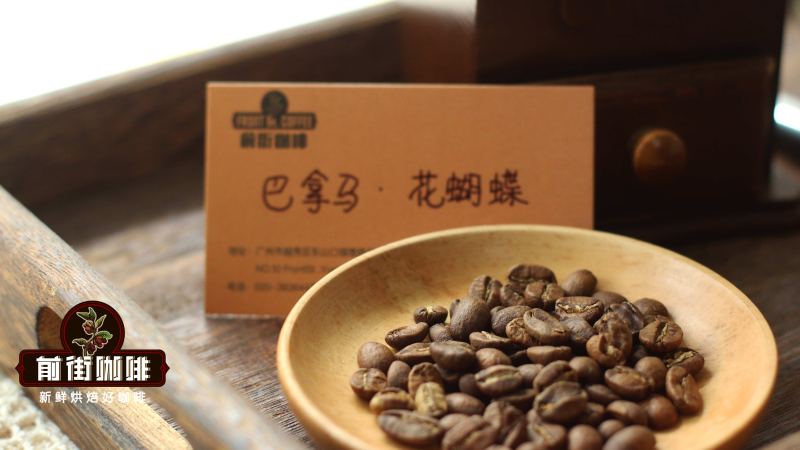
Front Street Panama Boquete Butterfly Coffee Beans Region: Panama · Boquete Altitude: 1600m Varieties: 70% Geisha, Caturra, Catuai Processing: Washed
Front Street Panama Boquete Butterfly's Geisha variety accounts for 70%, composed of three varieties—Geisha, Caturra, and Catuai—planted in the Baru Volcano area of Boquete at about 1600 meters. The processing station uses a fine washed process. The local unique microclimate brings abundant rainfall, significant day-night temperature differences, and with the addition of volcanic soil, combined with meticulous harvesting and processing, this Front Street Panama Butterfly performs remarkably in body, acidity, and floral notes.
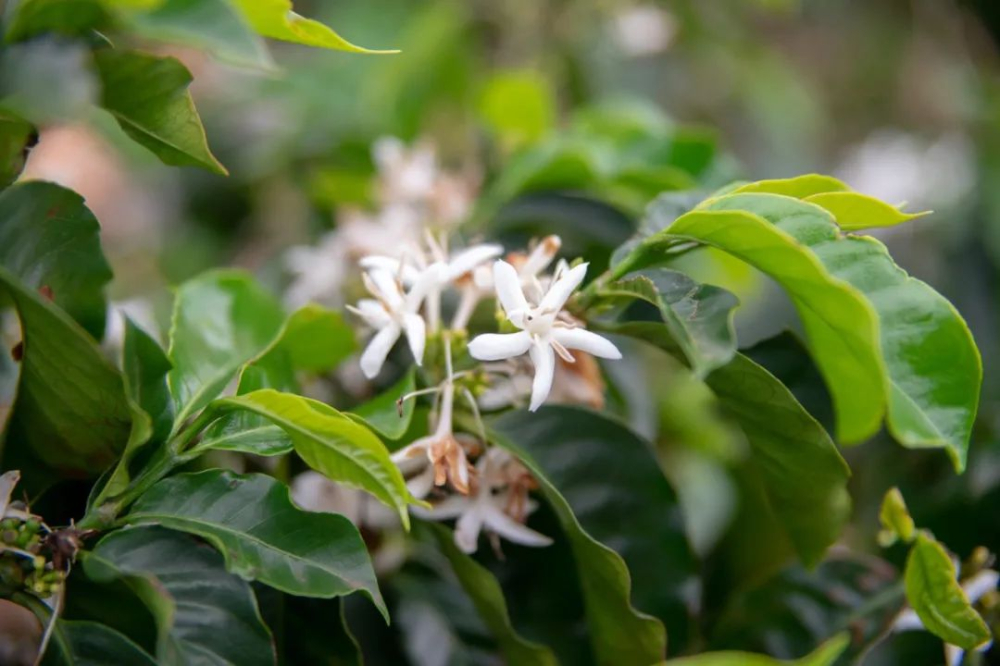
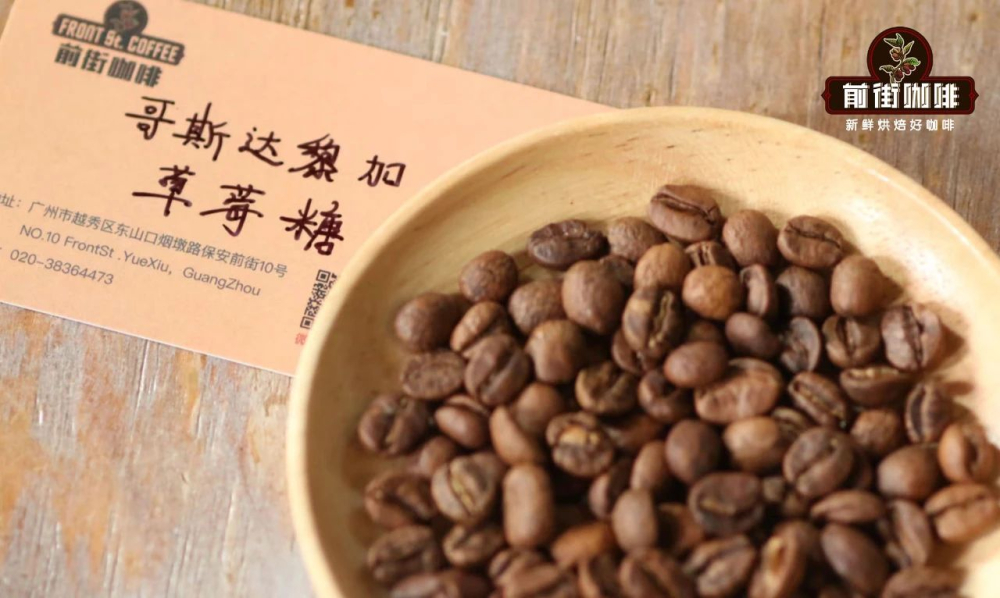
Front Street Costa Rica Mirazu Estate Strawberry Candy Geisha Blend Coffee Beans Region: Costa Rica Tarrazu Estate: Mirazu Estate Altitude: 1700m Varieties: Geisha, ET47, SL28, MAICO Processing: Raisin Honey
Similarly, the Front Street Mirazu Estate Strawberry Candy Geisha Blend from Costa Rica is composed of Geisha, ET47, SL28, and MAICO—all from the same estate, planted then blended, making it a single-origin coffee. Worth noting are ET47 and SL28. ET47 is an Ethiopian native variety; in the 1990s, the Costa Rica Coffee Institute gave large quantities of leaf-rust-resistant research trees to farmers in the Tarrazu region to plant. SL28 was initially bred with the goal of producing coffee beans with both high quality and pest resistance, but in some regions, the breeding direction focused on high yield without considering disease resistance. With Bourbon genetics, SL28, though yields fell short of expectations, its bronze leaf color and fava-bean-shaped beans give it excellent sweetness, balance, and complex varied flavors, with distinct citrus and smoked plum characteristics.
So do these two blend coffee beans fall under the single-origin category? Front Street believes the common definition of single-origin coffee is coffee from a single origin, specifically a certain estate or small region. By this measure, Front Street Panama Butterfly comes from smallholder farms in the even smaller Boquete area, and Front Street Costa Rica Strawberry Candy Geisha Blend is entirely from Mirazu Estate—both fully meet the single-origin definition. The reason they're called Geisha blend coffee is because the bean varieties are not singular: Geisha beans are the main component, blended with other varieties from the estate.
Coffee Bean Processing Methods Front Street Panama Butterfly Coffee Uses washed processing: screened coffee cherries go into a depulper to remove skin and pulp first; green beans with residual pulp and mucilage are placed in water to ferment for about 24 hours; after fermentation, beans with parchment are washed in flowing water channels to remove remaining pulp and mucilage; after washing, they are sun-dried or machine-dried to reduce moisture content to about 12%. Finally, the parchment is removed. Washed processing gives Front Street Butterfly brighter acidity and highlights the floral characteristics of Geisha coffee beans.
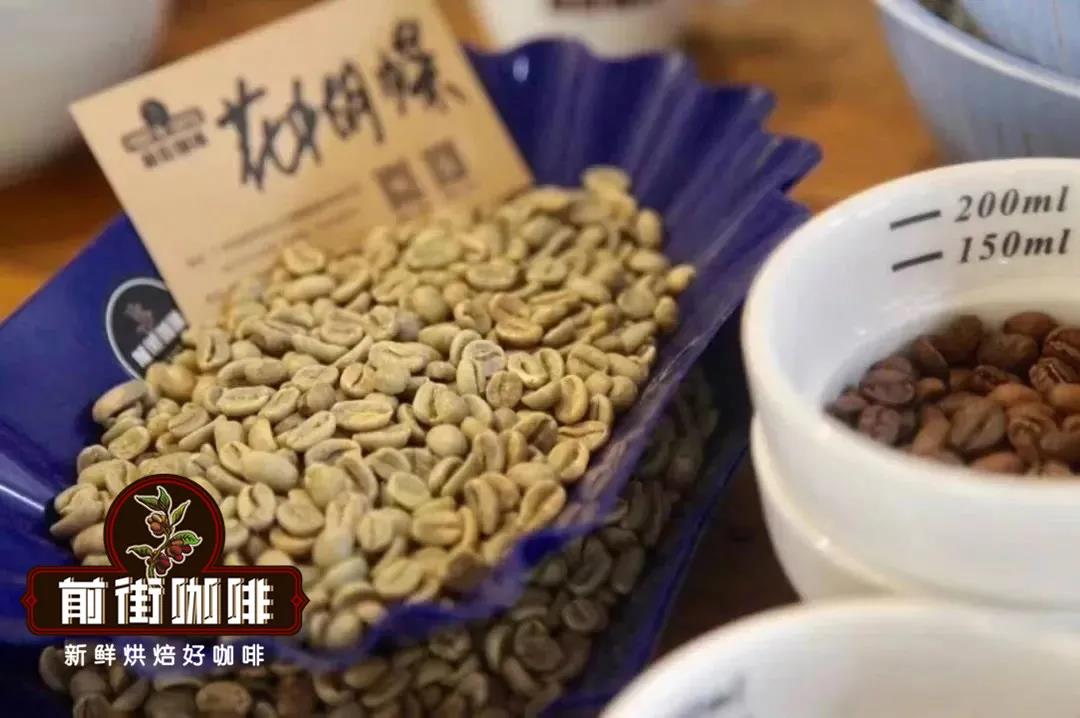
Front Street Mirazu Strawberry Candy Geisha Blend uses raisin honey processing, retaining 100% mucilage with zero water processing throughout. This method is more difficult and demands extremely strict timing control. On harvest day, coffee cherries are poured into a large water tank; ripe, full fruits sink; underdeveloped or overripe fruits float and must be removed. The screened coffee cherries are dried on raised beds for at least three days, then the skin is removed, keeping the mucilage to continue drying. At this stage, climate conditions are key to honey processing success. During drying, the fruits must be constantly turned for even moisture loss, but the frequency must be just right—slow drying ensures proper fermentation but must not be so slow as to over-ferment. Raisin processing enhances the sweetness of this Front Street Mirazu Strawberry Candy Geisha Blend.
Front Street Coffee (FrontStreet Coffee) Roasting Analysis Given the varietal uniqueness of Front Street Panama Butterfly, Front Street roasters decided on a medium-light roast. The beans are dense and hard, so a high flame is used initially for dehydration, then the flame is reduced before first crack to lower the rate of rise entering first crack, minimizing the loss of floral and other small-molecule aromatic compounds, avoiding damage to Geisha's signature floral, white grape, caramel, honey, and black tea aromas.
Roast batch 550g: preheat to 200°C, charge, after 30 seconds adjust flame to 160, open airflow to 3, turning point at 1'31", maintain flame; at 4'50" turn yellow, grassy smell disappears, entering dehydration stage, at 165°C reduce flame to 130°C, keep airflow at 4. At 7'50" dehydration complete, bean surface shows wrinkles and dark patches, toasty aroma turns to coffee aroma, a prelude to first crack—listen carefully for first crack sounds. At 8'31" first crack begins, open airflow fully to 5, adjust flame to 70°C. Post-first-crack development time 1'28", drop at 193°C.
Front Street Coffee (FrontStreet Coffee) Brewing Suggestions Brewing Parameters Water temperature: 90-91°C Grind size: 80% passing No. 20 standard sieve (fine sugar size) Coffee-to-water ratio: 1:15 Dose: 15g
Front Street brewing method: First pour 30g water for 30-second bloom, then pour 95g (scale reads about 125g), finish pouring in about 1 minute; when water level drops to 2/3 of the coffee bed, pour the remaining 100g (scale reads about 225g), finish pouring in about 1 minute 40 seconds. Drip completes at 1'55"-2'00", remove the dripper, extraction complete.
[Front Street Panama Butterfly] Brewed flavor: floral, black tea, berry, citrus, with a slight nutty finish, smooth mouthfeel, low bitterness, moderate acidity, medium aftertaste.
[Front Street Costa Rica Mirazu Estate Strawberry Candy Geisha Blend] Brewed flavor: jasmine fragrance, soft fruit acidity, almond aftertaste, pronounced sweetness.
The above content is compiled by CoffeeHunters, a coffee news website.


