








Is Costa Rica Geisha Coffee a Single-Origin Bean?
Geisha was discovered in Ethiopia's Geisha forest in 1931, reached Costa Rica in 1953, and was carried to Panama in 1963, so Costa Rica is the variety's earlier stop. A Geisha blend is not single-origin in the strict sense, because it combines Geisha with other lots. Cupping shows citrus and floral aromas typical of African beans.
Panama's fame came after 2004, when Daniel Peterson of La Esmeralda separated Geisha trees used as a windbreak, found citrus and floral notes, and entered the lot in the national cupping competition. Costa Rica's Mirazu Estate offers a Strawberry Candy Geisha blend with raisin honey processing, a defined roast curve, and brewing parameters that shape its cup.
Geisha coffee captivates countless coffee enthusiasts, and most people first think of Panama, but Panama's Geisha variety was actually introduced from Costa Rica. So how does Geisha perform in its "previous stop," Costa Rica? And is Geisha blend coffee bean considered single-origin coffee? From the perspective of Front Street Coffee, this article compares the Geisha characteristics of the two major producing regions, and provides an in-depth analysis of Front Street Costa Rica Mirazu Estate Strawberry Candy Geisha Blend's variety composition, raisin honey processing method, roasting curve, cupping performance, and brewing parameters, giving you a comprehensive understanding of this unique Geisha blend coffee.
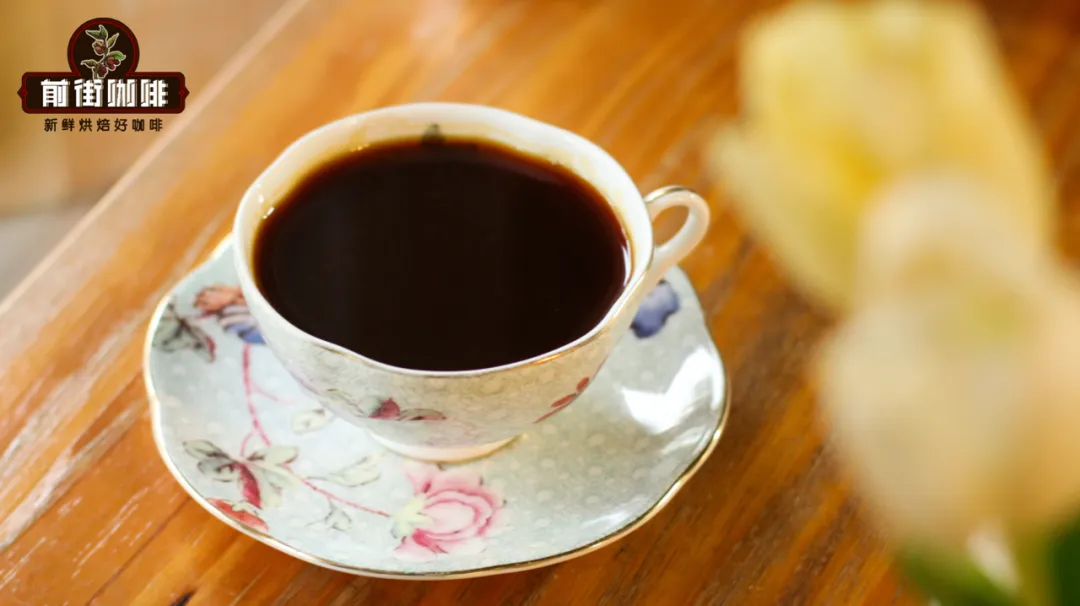
When Geisha coffee is mentioned, the first name that comes to most people's minds is Panama. However, few people know that Panama's Geisha coffee tree species was introduced from neighboring Costa Rica. That being the case, what different characteristics do the Geisha coffees of these two countries each present? Front Street Coffee will explore this by comparing the Geisha from these two producing regions.
The story of Geisha began in 1931, when this variety was discovered in the Geisha forest of Ethiopia, and it was subsequently sent to the coffee research institute in Kenya. In 1936, Geisha was introduced to Uganda and Tanzania; in 1953, it arrived in Costa Rica. In 1963, Don Pachi Serracin brought Geisha tree species from Costa Rica to Panama. Due to low yield, which directly affected harvest volume, local coffee farmers were not very enthusiastic about planting it.
The turning point came at Panama La Esmeralda. The estate owner, Daniel Peterson, accidentally discovered that the coffee beans produced by the Geisha coffee trees at the highest point of his estate, originally used as a windbreak, actually carried the citrus and floral aromas unique to African beans. So he separated these beans and sent them to the 2004 Panama coffee bean cupping competition, where they became famous overnight. Since then, Geisha beans have advanced irresistibly, winning the championship of the Panama coffee cupping competition for many consecutive years. In the minds of today's global specialty coffee enthusiasts, Geisha coffee beans are regarded as the supreme treasure. So, as the "previous stop" on Geisha's path to fame, how does Costa Rica's Geisha perform?
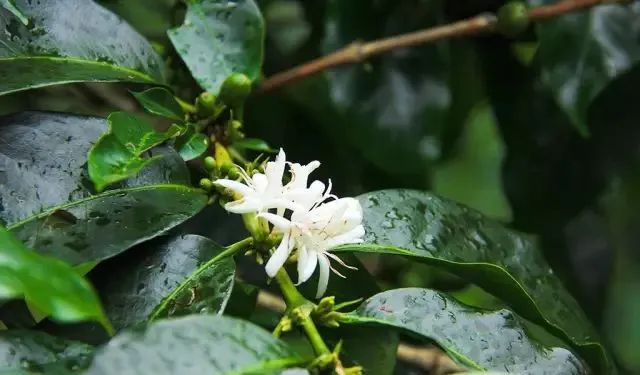
Front Street Costa Rica Mirazu Estate Strawberry Candy Geisha Blend Region: Tarrazu, Costa Rica Estate: Mirazu Estate Altitude: 1700m Varieties: Geisha, ET47, SL28, MAICO Processing method: Raisin honey processing
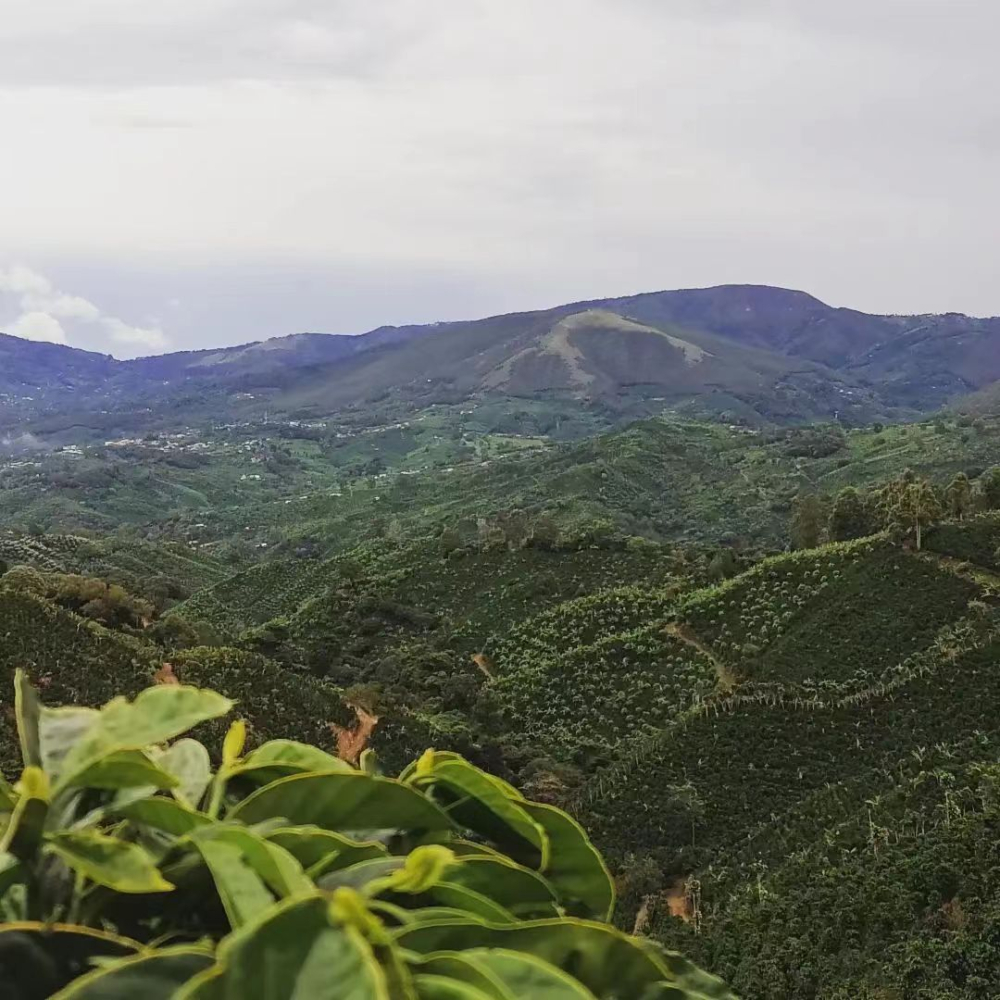
Mirazu Estate is located in the Tarrazu producing region of Front Street Costa Rica specialty coffee. Tarrazu is located in the fertile volcanic zone of Central America, with a humid climate, nutrient-rich volcanic soil, abundant rainfall throughout the year, high altitude, and natural shade provided by dense forests, creating extremely favorable conditions for coffee growth. Although there are many coffee estates in the Tarrazu producing region, each estate's own microclimate, soil conditions, and variety differences are quite fully reflected in the subtle characteristics in the cup. It is precisely these wonders bestowed by nature that drive Front Street to continuously seek different coffee beans within the same producing region for comparison.
The estate owner, Esteban Sanches, graduated from the coffee department of the University of Costa Rica, is truly professionally trained, and is also a person with a strong spirit of scientific experimentation. On the one hand, the estate tries planting varieties such as ET47 Ethiopian heirloom and experiments with multiple processing methods; on the other hand, the small-scale wet processing equipment at the estate's processing plant was entirely designed and assembled by Esteban Sanches himself.
Coffee bean varieties Geisha, ET47, SL28, Maico
The Geisha variety is surely familiar to everyone. It was initially collected from the coffee forests of Ethiopia in the 1930s. In 1953, Geisha was brought to the Tropical Agricultural Research and Higher Education Center (CATIE) in Central America, where it was registered as T2722. However, this plant's branches break easily, making it unpopular with farmers, so it was not widely planted.
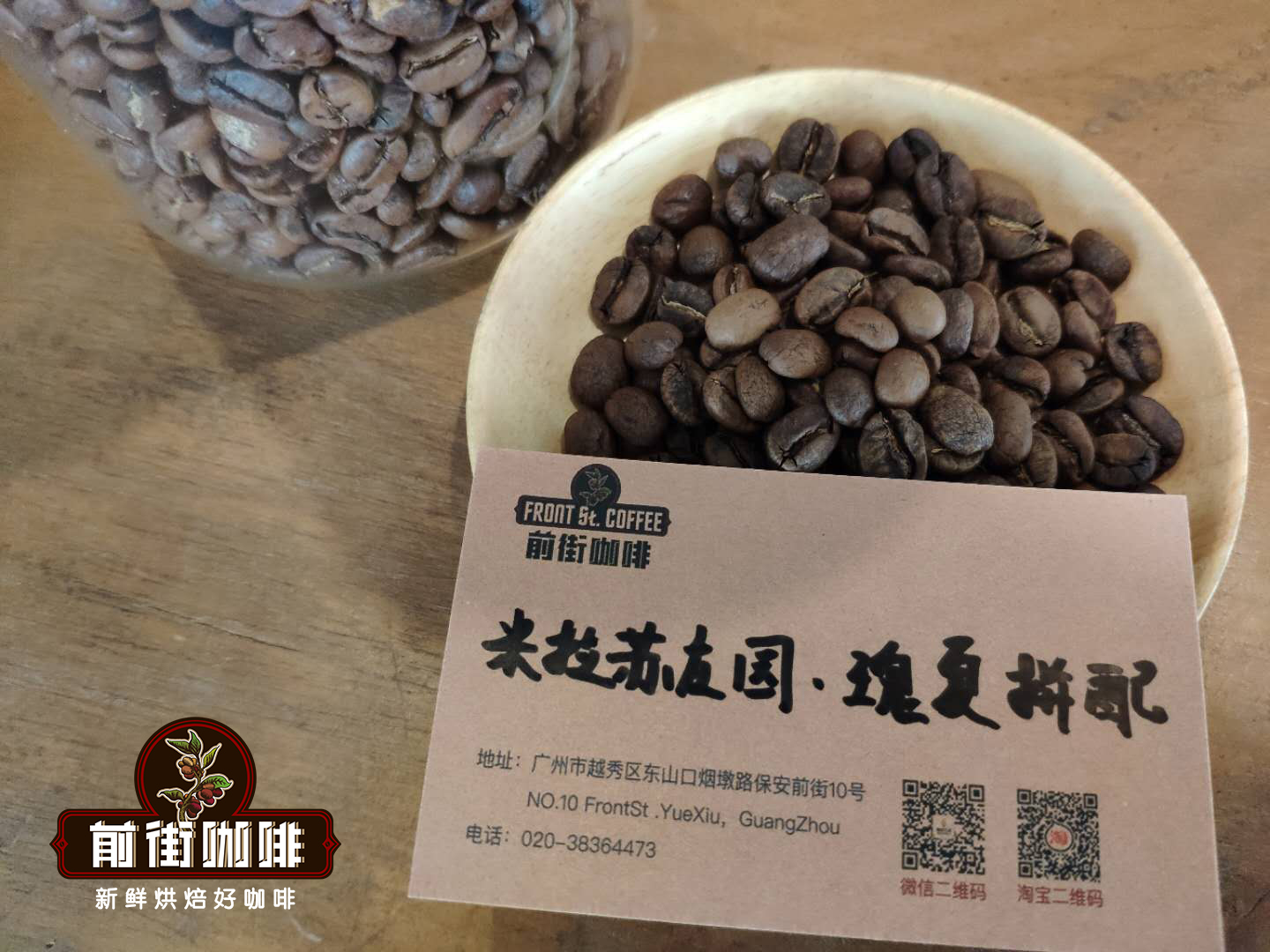
The origin of ET47 can be traced back to the 1990s, when the Costa Rican Coffee Institute gave many introduced varieties to farmers in the Tarrazu producing region to plant as research trees for leaf rust resistance. ET47 is the variety numbered 47 in the laboratory, and because many varieties were introduced during the same period, most were distinguished and identified by numbers. After obtaining ET47, estate owner Esteban Sanches began dedicating himself to studying this variety. It can be said to be a complex composite, carrying many excellent flavors, such as fruity sweetness, a round and clean mouthfeel, and elegant, pleasant acidity.
SL28 has clear historical documentation. A senior coffee official at the Scott Laboratories (A.D. Trench) noticed that a variety growing in the Modì area of Tanzania seemed tolerant to drought, disease, and pests. The seeds were collected and brought back to the Scott Laboratories, where their drought resistance was verified. In recent years, genetic testing has also confirmed that SL28 belongs to the Bourbon genetic group, so the appearance of SL28 coffee beans is also close to the Bourbon variety, round and plump.
There is currently no officially published variety-related information for Maico. This Front Street Costa Rica Mirazu Strawberry Candy Geisha Blend coffee bean introduced by FrontStreet Coffee is composed of 50% Geisha coffee beans and 50% a mixture of ET47, SL28, and MAICO. The Geisha coffee beans contribute jasmine aroma to this Front Street Mirazu Strawberry Candy, while the other varieties give it richer strawberry berry flavors, and the raisin honey processing method further enhances the sweetness of this Front Street Costa Rica Mirazu Strawberry Candy.
Processing method The raisin honey processing method uses a method that retains 100% pectin and involves zero water processing. This approach increases the difficulty of honey processing and requires strict control of timing. The estate owner first screens the harvested coffee cherries, places the screened coffee cherries on raised beds to dry for at least three days, and then removes the fruit skin. Interestingly, the pulping machine independently developed by the estate owner is different from others and can process two different types of beans at once.
After removing the fruit skin, the pectin is retained and then dried. At this stage, climate factors are the key to the success or failure of honey processing. During drying, the coffee beans need to be constantly turned to ensure even drying, but the frequency of turning must be handled just right—drying must be slow to ensure the coffee undergoes fermentation, yet not so slow that it over-ferments. Through cupping, FrontStreet Coffee found that after raisin honey processing retains 100% pectin for sun drying, the coffee flavor is full in sweetness and also carries a preserved-fruit-like fermented sweetness.
FrontStreet Coffee Roasting Analysis This Front Street Mirazu Estate Geisha blend coffee is composed of 4 bean varieties, and combined with the raisin honey processing technique, Front Street's roaster observed when examining the green beans that the fermentation degree of the Geisha variety was noticeably lower than the other three beans. After trying three roasts with different curves, although the general flavors could be expressed, Front Street's roaster still felt it was not clear and bright enough. So after several fine adjustments, ensuring stable heat delivery in terms of firepower, and using high heat during the development phase to gather heat, storing energy until first crack and then opening the airflow fully, this bean was presented in this way.
Yangjia 800N, charge amount: 480g. Preheat the roaster to 200°C, lower to 175°C for charging, adjust firepower to 120, open airflow to 3, turning point at 1'32", maintain firepower; at 114°C keep firepower unchanged, open airflow to 4.
At 6'15" it turns yellow, the grassy smell disappears, and it enters the dehydration phase. At 140°C lower firepower to 100, keep airflow at 4. At 9'00" dehydration is complete, the bean surface shows wrinkles and dark streaks, and the toasted bread smell turns into coffee aroma. This is the prelude to first crack, and at this time you should listen carefully for the sound of first crack. At 10'25" first crack begins, open airflow fully to 5, keep firepower unchanged. Development time after first crack is 1'30", and drop at 193.5°C.
FrontStreet Coffee Cupping Report FrontStreet Coffee's cupping is conducted within 8 to 24 hours after the coffee beans are roasted, using a 200ml ceramic cupping bowl, an anti-static metal standard cupping spoon, and a cupping water temperature of 94 degrees Celsius. The grind size of the cupping coffee powder is controlled so that 70%-75% passes through a No. 20 standard sieve (0.85 mm). The ratio is 1:18.18 (11.1 grams of coffee powder plus 200 milliliters of hot water), so that the extracted concentration falls exactly within the golden cup range of 1.15%-1.35%. First grind for dry aroma, then pour water to fill the bowl for wet aroma confirmation, and after 4 minutes break the crust and skim, then conduct flavor evaluation.
Dry aroma: floral Wet aroma: dried fruit, berries Flavor: raisins, berries, nuts, cream
FrontStreet Coffee Brewing Recommendation Dripper: V60# 01 Dose: 15g Coffee-to-water ratio: 1:15 Water temperature: 90 degrees Celsius Grind size: medium-fine grind (80% passing through China standard No. 20 sieve)
Front Street brewing method: First rinse the filter paper, and preheat the dripper and coffee pot. Use 30 grams of water for a 30-second bloom, then pour in a small stream in circles until 125 grams for a stage break, and when the water level drops and is about to expose the coffee bed, continue pouring until 225 grams and stop. When the water level drops and is about to expose the coffee bed, remove the dripper. (Timing starts at the beginning of the bloom.) The extraction time is 2'01".
[Front Street Strawberry Candy Geisha Blend] Brewed flavor: jasmine aroma, with raisin sweetness on the entry, strawberry gummy sweetness, and a nutty, creamy mouthfeel.
The above content is compiled by CoffeeHunters, a coffee news website.


