








How Does Panamanian Geisha Differ From Costa Rican Geisha?
Panamanian Geisha seed stock came from Costa Rica, which in turn received the variety from Ethiopia by way of Kenya and Uganda. Costa Rica got Geisha in 1953, and Don Pachi Serracin carried trees to Panama in 1963. The variety stayed obscure until Hacienda La Esmeralda separated a batch and won the 2004 Panama cupping competition.
Costa Rican Geisha is grown at estates such as Mirazu in Tarrazu, at 1,700 meters. Its strawberry candy blend mixes Geisha with ET47, SL28 and MAICO in equal parts and is processed as raisin honey, giving jasmine, raisin and strawberry gummy notes. Brewing parameters for a V60 are included for reference.
The origin of Geisha's fame actually lies in Costa Rica, and the Panamanian variety was introduced from there. This article starts from the history of variety dissemination, compares the differences between Costa Rican and Panamanian Geisha, and focuses on the Front Street Coffee's Mirazu Estate Strawberry Candy Geisha Blend. The beans come from the Tarrazu region, at an altitude of 1700 meters, and are a half-and-half blend of four varieties: Geisha, ET47, SL28, and MAICO. They undergo raisin honey processing, and in the cup, they display jasmine floral notes, raisin sweetness, and strawberry gummy flavors. The article also outlines the background of each variety, processing details, and includes Front Street's V60 brewing parameters and techniques for coffee enthusiasts' reference.
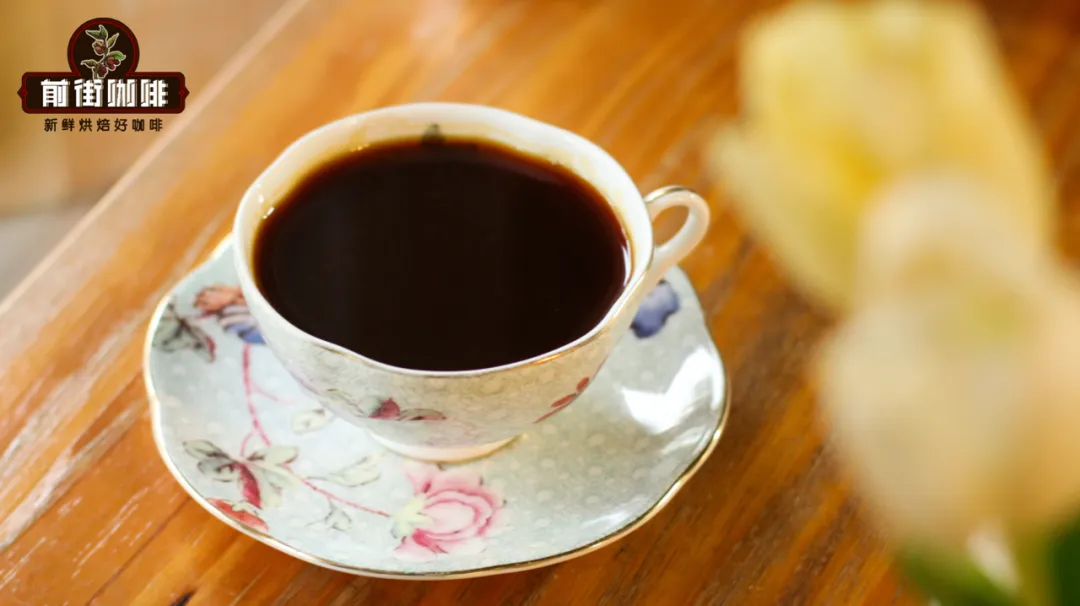
When Geisha is mentioned, most people first think of Panama. But Panama's Geisha seed source was actually introduced from neighboring Costa Rica. So, what exactly are the flavor differences between Geisha from these two origins? This time, Front Street Coffee has put Geisha from both places side by side for comparison.
Geisha was first discovered in 1931 in the Geisha forest of Ethiopia, then sent to the Coffee Research Institute in Kenya, introduced to Uganda and Tanzania in 1936, and brought to Costa Rica in 1953. In 1963, Don Pachi Serracin brought Geisha trees from Costa Rica to Panama. Due to the variety's low yield, which directly affects harvests, local farmers were not very enthusiastic about planting it.
The turning point came at Hacienda La Esmeralda in Panama. The estate owner, Daniel Peterson, discovered at the highest point of his farm that the beans from Geisha trees originally used as windbreaks actually had the citrus and floral notes characteristic of African beans. He then processed this batch separately and sent it to the 2004 Panama coffee cupping competition, where it became famous overnight. After that, Geisha went from strength to strength, winning the Panama cupping championship for many consecutive years. In the eyes of today's global specialty coffee enthusiasts, Geisha is undoubtedly a top-tier treasure. So, as the previous stop before Geisha's rise to fame, how does Costa Rican Geisha perform?
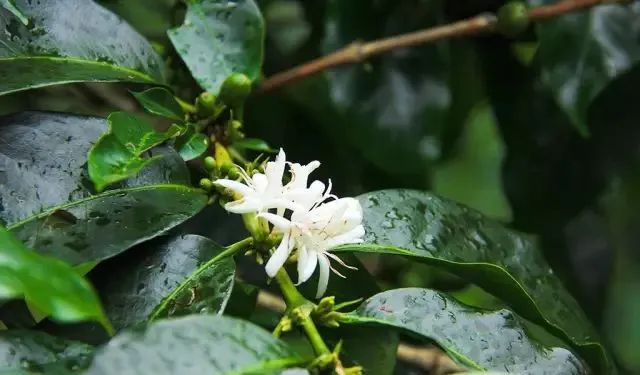
Front Street Costa Rica Mirazu Estate Strawberry Candy Geisha Blend Region: Costa Rica Tarrazu Estate: Mirazu Estate Altitude: 1700m Varieties: Geisha, ET47, SL28, MAICO Processing Method: Raisin Honey Processing
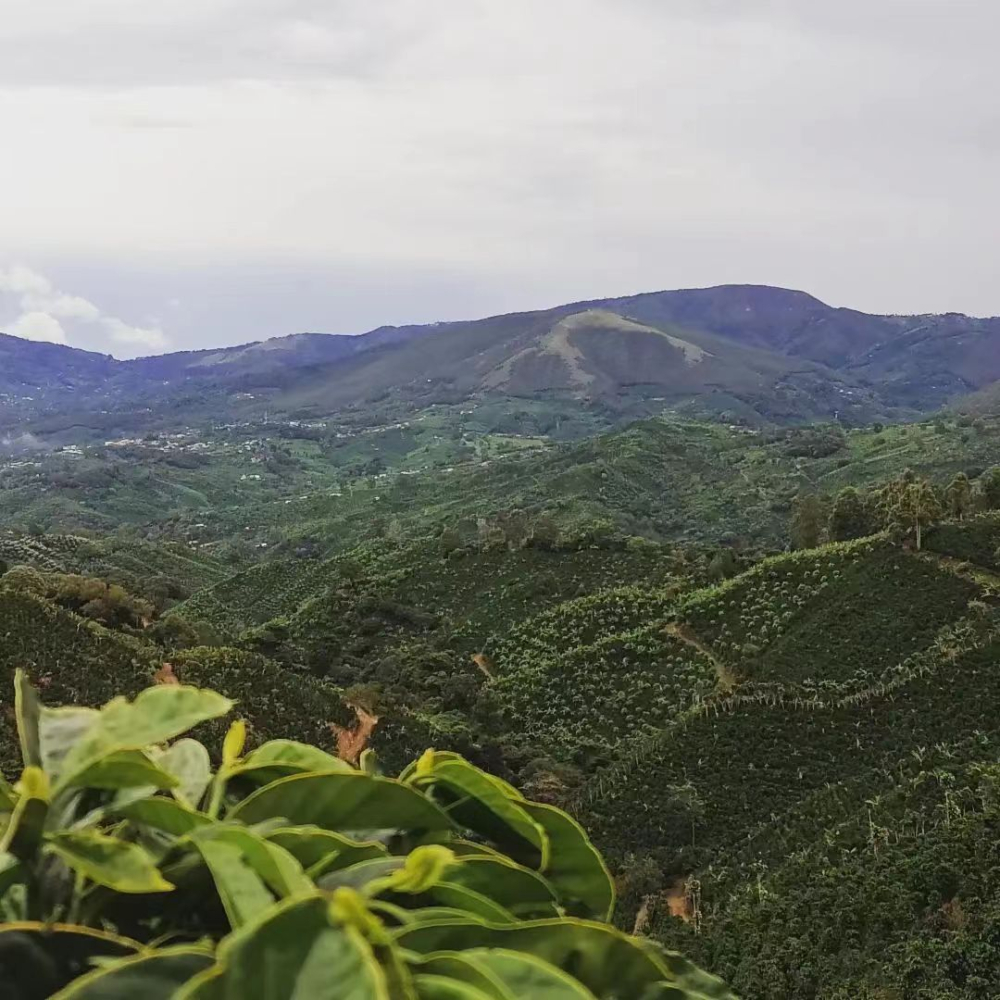
Mirazu Estate is located in the Tarrazu region, which is part of Front Street Costa Rica's specialty coffee areas. Tarrazu is situated in the fertile volcanic zone of Central America, with a humid climate, fertile volcanic soil, abundant rainfall year-round, high altitude, and dense forests, providing natural shade and excellent growing conditions for coffee. Although there are many estates in Tarrazu, the microclimate, soil, and variety differences of each estate are fully expressed in the cup. It is precisely these subtle differences bestowed by nature that attract Front Street to continuously seek different beans from the same region for comparison.
The estate owner, Esteban Sanches, graduated from the University of Costa Rica with a degree in coffee studies, is professionally trained, and has a strong spirit of scientific experimentation. On the one hand, the estate experiments with planting Ethiopian native varieties such as ET47 and explores various processing methods; on the other hand, the small wet-processing equipment at the processing station, from design to assembly, was all completed by Esteban Sanches himself.
Coffee Bean Varieties Geisha, ET47, SL28, Maico
The Geisha variety should be familiar to everyone. It was first collected from the coffee forests of Ethiopia in the 1930s, brought to the Tropical Agricultural Research and Higher Education Center (CATIE) in Central America in 1953, where it was recorded as T2722. However, this plant's branches are prone to breaking, making it unpopular with farmers, so it was not widely planted.
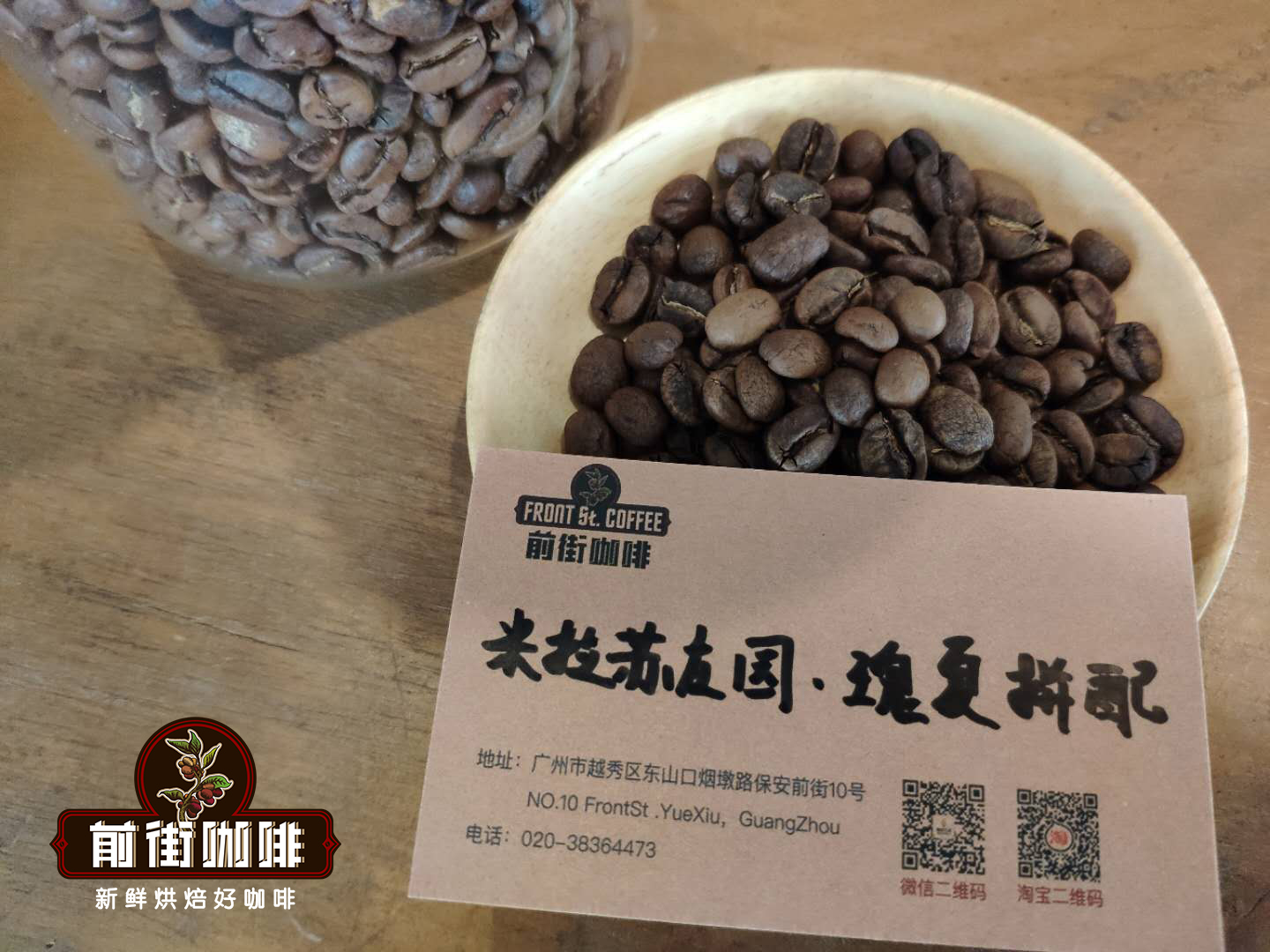
ET47 is one of the many tree varieties introduced by the Costa Rican Coffee Institute in the 1990s for research on resistance to leaf rust, and was given to farmers in the Tarrazu region to plant. ET47 is laboratory number 47, because most varieties introduced during the same period were distinguished by numbers. After obtaining ET47, estate owner Esteban Sanches has been dedicated to studying this variety. It can be said to be a complex综合体, carrying many excellent flavors, such as fruity sweetness, a round and clean mouthfeel, and an elegant and pleasant acidity.
According to historical documents, a senior coffee official from the Scott Laboratories (A.D. Trench) noticed a variety in the Mod region of Tanzania that seemed drought-tolerant and resistant to pests and diseases. Seeds were collected and brought back to the Scott Laboratories, and their drought resistance was confirmed. In recent years, genetic testing has also confirmed that SL28 belongs to the Bourbon genetic group, so SL28 coffee beans are also similar in appearance to Bourbon varieties, with a round and thick shape.
There is currently no officially published variety information for Maico. The Front Street Costa Rica Mirazu Strawberry Candy Geisha Blend introduced by Front Street Coffee is composed of 50% Geisha and 50% of a mix of ET47, SL28, and MAICO. The Geisha provides the jasmine aroma for this Front Street Mirazu Strawberry Candy, while the other varieties bring richer strawberry berry flavors; the raisin honey processing further enhances the sweetness of this Front Street Costa Rica Mirazu Strawberry Candy.
Processing Method The raisin honey processing method retains 100% mucilage and uses zero-water processing. This approach increases the difficulty of honey processing and requires strict control of timing. The estate owner first sorts the harvested coffee cherries, then places the sorted cherries on raised beds to dry for at least three days, and then removes the skin. Interestingly, the de-pulper researched by the estate owner himself is different from other equipment, as it can process two different types of beans at once.
After removing the skin, the mucilage is retained, and then drying is carried out. At this stage, climatic factors are key to the success of honey processing. During drying, the coffee beans must be constantly turned to ensure even drying, but the turning frequency must be well controlled, drying slowly to ensure the coffee undergoes fermentation processing, but not too slowly to cause over-fermentation. Front Street Coffee has found through cupping that after raisin honey processing with 100% mucilage retained and sun-dried, the coffee has a full sweetness and also carries a fermented sweetness reminiscent of candied fruit.
Front Street Coffee Brewing Recommendations Dripper: V60# 01 Dose: 15g Coffee-to-water ratio: 1:15 Water temperature: 90°C Grind size: Medium-fine (80% passing through China standard No. 20 sieve)
Front Street brewing technique: First rinse the filter paper, preheat the dripper and coffee pot. Use 30 grams of water for a 30-second bloom, then pour in a small stream in a circular motion until 125 grams, pause, and when the water level drops and is about to expose the coffee bed, continue pouring until 225 grams and stop. When the water level drops again and is about to expose the coffee bed, remove the dripper. Start timing from the bloom; the extraction time is 2'01".
[Front Street Strawberry Candy Geisha Blend] Brewing flavor: jasmine aroma, raisin sweetness on the entry, strawberry gummy sweetness, and a nutty, creamy mouthfeel.
The above content is compiled by CoffeeHunters, a coffee news website.


