








What growing conditions make Costa Rican geisha coffee so sweet?
Costa Rican geisha draws its sweetness from the Tarrazu region, where humid weather, fertile volcanic soil, steady rainfall, high altitude, and forest shade combine. Geisha began in Ethiopia, gained attention in Panama, and then spread to Central American highlands. The variety's floral aroma and layered fruity acidity carry through when the growing site and processing are handled well.
Estate differences show up clearly in the cup. La Candelilla's washed geisha and Mirazu's raisin honey blend, grown near 1,700 meters, differ in variety makeup, green bean processing, roast curve, and brewing. A V60 with a three-pour method keeps the floral top notes intact while letting the honeyed sweetness come forward.
Geisha traveled from Ethiopia to the world, shone brilliantly in Panama, and then took root in the high-altitude production areas of Central America. Costa Rica, with Tarrazu's volcanic soil and large day-night temperature differences, has cultivated Geisha coffee that combines sweetness and floral aroma. In this comparison, Front Street Coffee examines La Candelilla Estate washed Geisha and Mirazu Estate raisin honey processed Geisha blend, breaking down the flavor differences between the two beans one by one—from variety composition and green bean processing to roasting curves and V60 three-pour brewing—to help coffee lovers find the cup that suits their taste better.
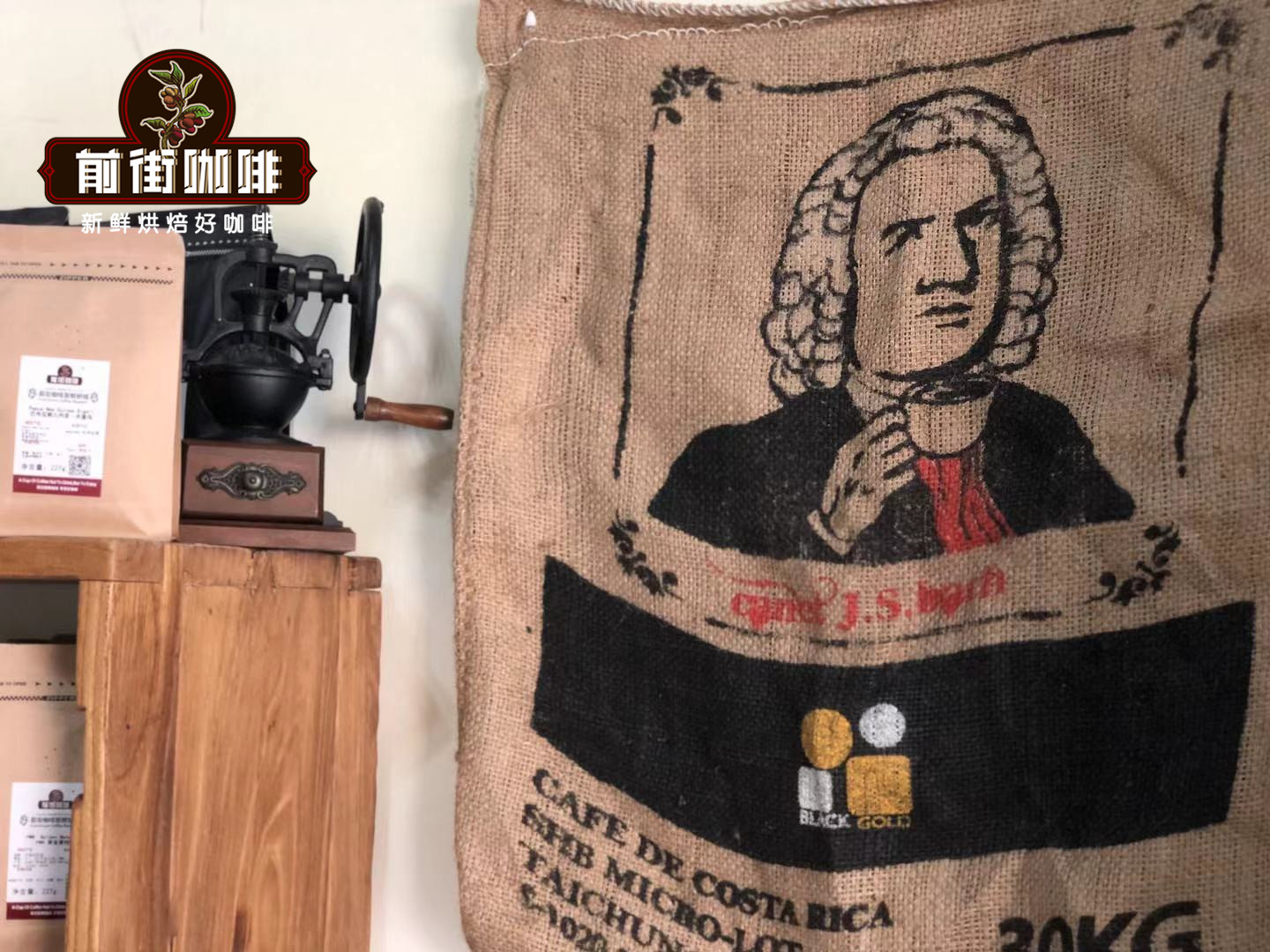
For more specialty coffee knowledge, please follow the WeChat official account: Front Street Coffee (FrontStreet Coffee)
Geisha coffee beans started in Ethiopia and later rose to fame in Panama. Its fascinating floral aroma and layered fruity acidity have always been at the forefront of the specialty coffee trend. Today, many countries with high-altitude conditions have begun introducing Geisha, whether it is its place of origin, Ethiopia, or Costa Rica, which is rich in volcanic soil resources, and they continue to carry out cultivation trials of the Geisha variety. Front Street Coffee (FrontStreet Coffee) has also purchased several Costa Rican Geishas, among which the more representative ones include La Candelilla Estate Geisha and the Mirazu Estate Geisha blend. Next, let's take a look at what makes Costa Rican Geisha so outstanding.
Costa Rica's Geisha is mainly grown in the Tarrazu region
Tarrazu is located in this volcanic-active zone of Central America, with a humid climate, fertile volcanic soil, abundant rainfall throughout the year, relatively high altitude, and natural shade provided by large forests, allowing coffee trees to grow in an extremely ideal environment. Although many estates are located within the Tarrazu region, the subtle differences in microclimate, soil conditions, and varieties among them are all reflected quite fully in the cup. It is precisely these wonderful variables bestowed by nature that drive Front Street to constantly seek different beans from the same region for horizontal comparison.
Let's first talk about Mirazu Estate
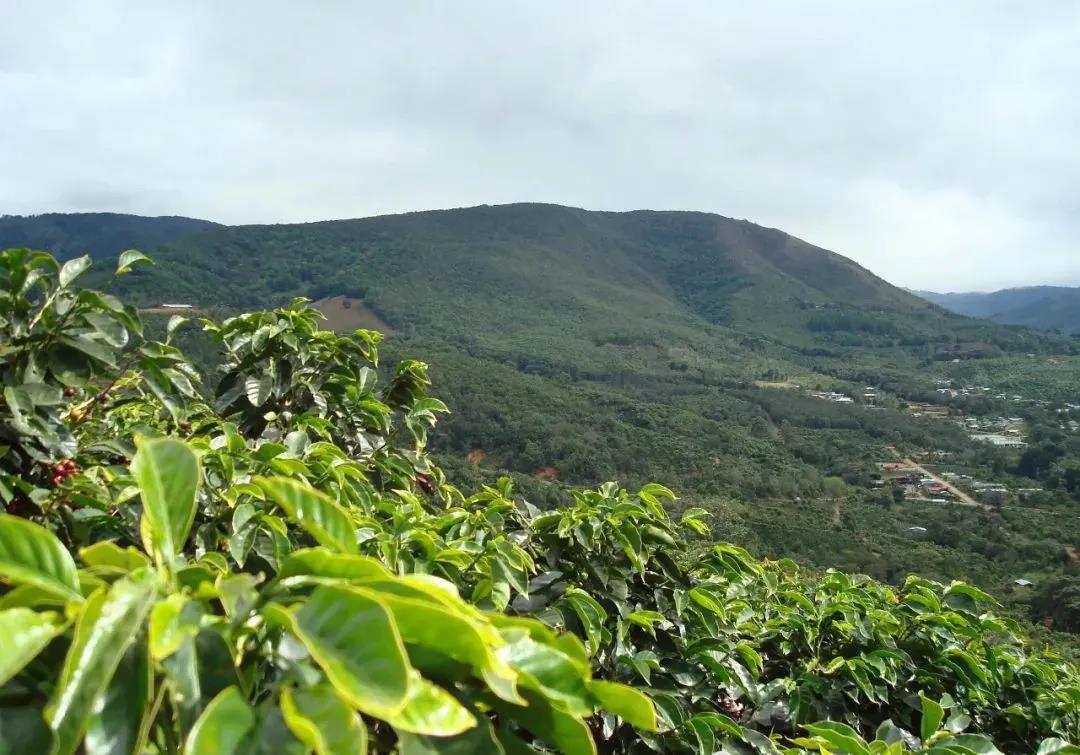
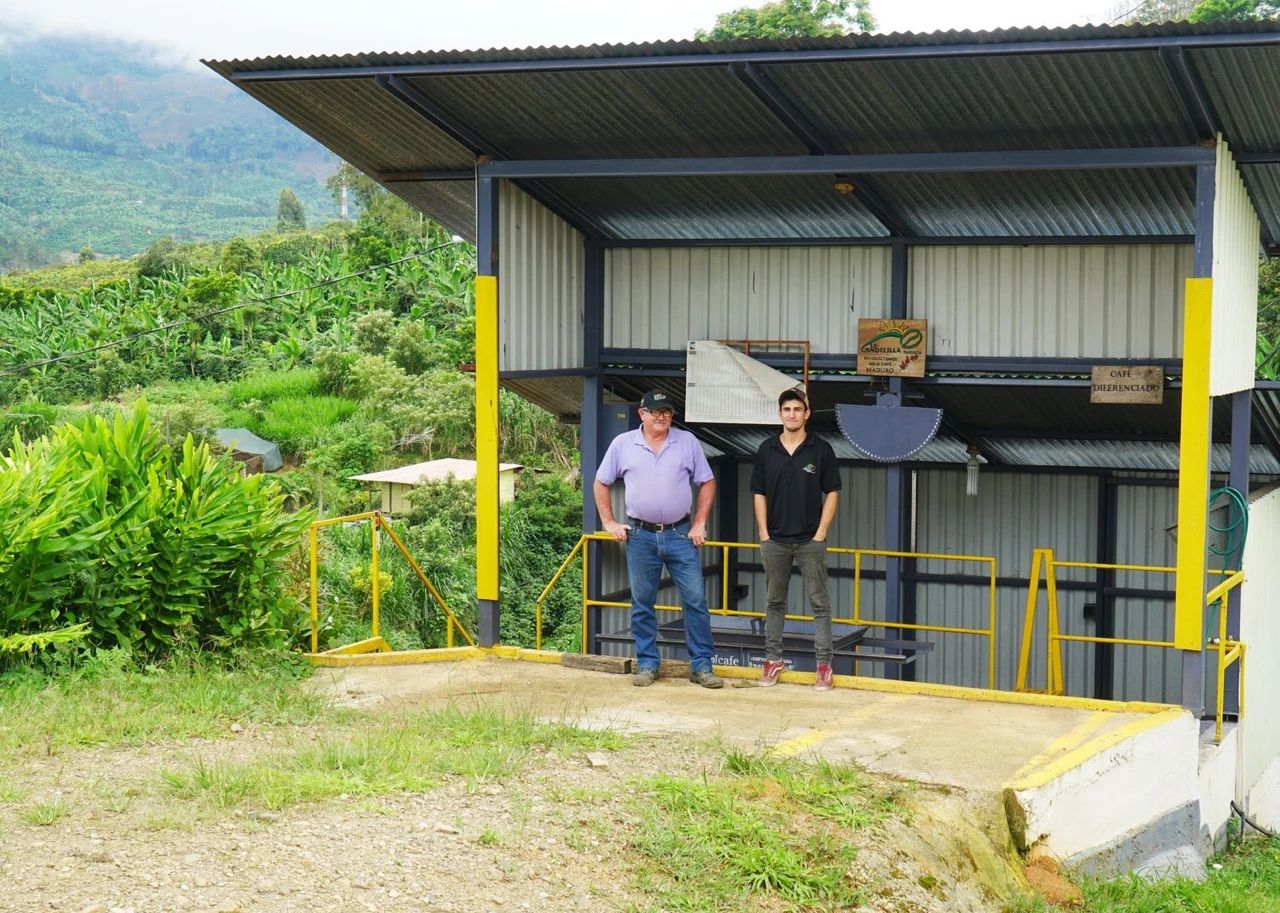
The name Mirazu means "overlooking Tarrazu," and the estate is located at about 1,700 meters above sea level in Tarrazu. The scenery of Mirazu Estate can only be described as stunning. The owner deliberately chose the microclimate conditions here at the time, laying a solid foundation for future coffee quality. Mirazu is not far from La Candelilla Estate, and the owner Esteban Sanches was actually one of the founding members involved in creating La Candelilla Estate. He himself has a formal academic background and a strong spirit of scientific experimentation, and he has a deep interest in coffee variety research, so he established Mirazu Estate nearby to trial-plant Ethiopian landraces such as ET47 and explore various processing methods. It is worth mentioning that the small wet-processing equipment in the estate's processing plant was designed and assembled entirely by Esteban Sanches himself.
Now let's talk about La Candelilla Estate
The name La Candelilla comes from a group of shining fireflies. The area around La Candelilla Estate has abundant water and high humidity, and the coffee trees in the estate provide fireflies with well-shaded habitats. The estate is located in Costa Rica's Tarrazu region at about 1,750 meters above sea level. Tarrazu's volcanic soil is fertile, the temperature is mild and pleasant, and the rainfall is stable and abundant, creating very superior growing conditions for coffee trees. The microclimate of La Candelilla Estate is very favorable for coffee growth. The large day-night temperature difference helps the fruit accumulate more nutrients, thereby forming more refined flavors. Front Street believes that this high-altitude environment combined with a large temperature difference is exactly what Geisha coffee trees prefer. The temperature difference slows the growth of the coffee trees, prolonging the time for flavor compounds to form, and ultimately the brewed coffee tastes richer. The clear aroma of high-altitude Geisha is difficult to replicate in Geisha grown at low altitudes.
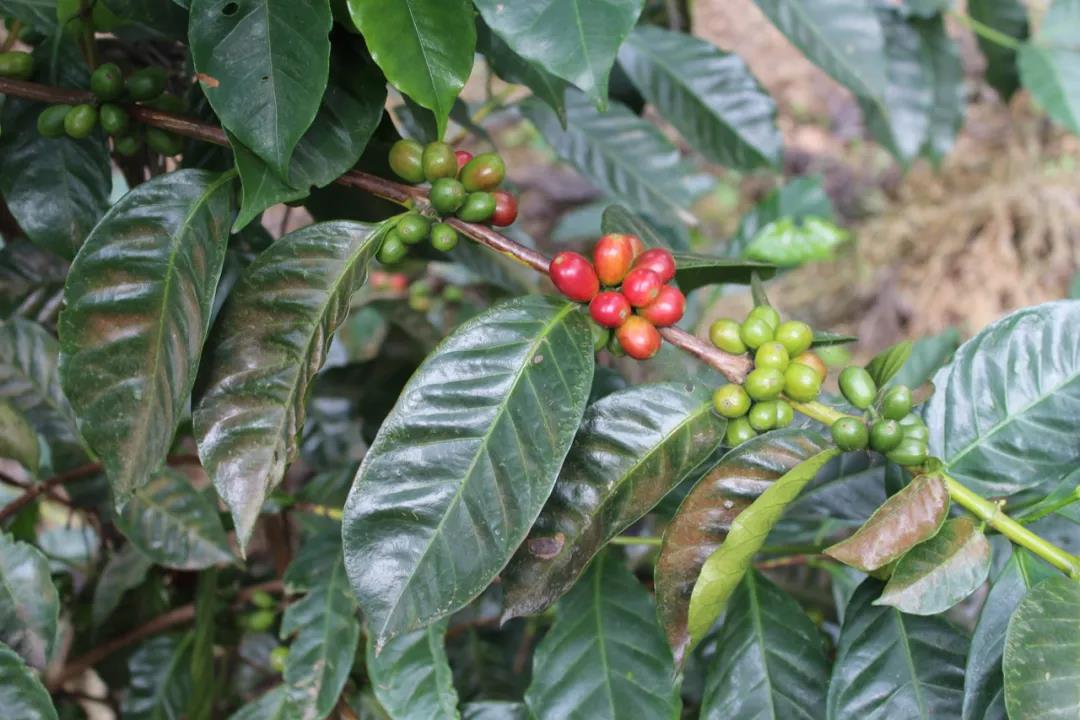
Coffee variety
Front Street has already mentioned earlier that Mirazu Estate produces a Geisha blend. As long as the beans come from the same origin, the same estate, or a cooperative, it can be defined as single-origin coffee. This Mirazu Estate Geisha blend that Front Street purchased consists of Geisha, ET47, SL28, and Maico. ET47 deserves special mention here: its laboratory number is 47, because many varieties were introduced around the same time, and most were distinguished and identified by numbers. After estate owner Esteban Sanches obtained ET47, he devoted himself to studying it. This variety can be said to be a complex aggregate, carrying many excellent flavors, such as fruity sweetness, a round and clean mouthfeel, and elegant, pleasant acidity. As for what exactly ET47's "ancestors" are, the Costa Rican Coffee Institute has still not made that public.
Since the theme of this article is Costa Rican Geisha, the origin of the Geisha variety itself naturally cannot be skipped. Geisha was first collected from the coffee forests of Ethiopia in the 1930s, and in 1953 it was sent to the Tropical Agricultural Research and Higher Education Center (CATIE) in Central America, where it was registered as T2722. However, the branches of this plant break easily, so farmers did not like it, and at that time it was not planted on a large scale.
Green coffee bean processing methods
Front Street's La Candelilla Estate Geisha uses the washed processing method. In order to highlight this bean's bright acidity and floral characteristics, the estate owner chose the washed method to process the green beans. First, the selected coffee cherries are sent to a depulper to initially remove the skin and pulp; then the green coffee beans, still with a small amount of pulp and mucilage, are soaked in water and allowed to ferment for about 24 hours; after fermentation is complete, the green coffee beans with parchment are placed in a flowing water channel to be washed, removing the remaining pulp and mucilage; after washing, they are dried, or a dryer is used to dry the coffee beans until the moisture content drops to about 12%. Finally, the parchment layer on the outside of the green beans is removed.
Front Street's Mirazu Geisha blend uses the raisin honey processing method. The estate owner first sorts the harvested coffee cherries, places the selected coffee cherries on raised beds to dry for at least three days, and then removes the skin while retaining the mucilage before drying. During drying, the coffee beans must be constantly turned to ensure even drying, but the frequency of turning must be handled properly, and the drying speed must be slow to ensure that the coffee undergoes fermentation without fermenting excessively. Front Street Coffee (FrontStreet Coffee) found through cupping that raisin honey processing retains 100% of the mucilage for sun drying, the coffee's sweetness is very high, and it carries a preserved-fruit-like fermented sweetness.
Front Street Coffee roasting record
Mirazu Geisha blend coffee beans: Yangjia 800N, charge amount: 480g. Preheat the roaster to 200°C, lower to 175°C for charging, adjust the gas to 120, open the damper to 3, turning point at 1'32", maintain the gas; at 114°C keep the gas unchanged and open the damper to 4. At 6'15" it turns yellow, the grassy smell disappears, and it enters the dehydration stage. At 140°C lower the gas to 100 and keep the damper at 4. At 9'00" dehydration is complete, wrinkles and dark streaks appear on the bean surface, and the toast aroma turns into coffee aroma, which is the prelude to first crack. At this time, pay attention to listening for the sound of first crack. At 10'25" first crack begins, open the damper fully to 5, and keep the gas unchanged. After first crack, develop for 1'30" and drop at 193.5°C.
La Candelilla Estate Geisha coffee beans: Yangjia 800N, charge amount 480g. Charge at 180°C, gas 130, damper set to 3; turning point at 1'32", when the roaster temperature is 130°C open the damper to 4, keep the gas unchanged; when the roaster temperature is 151.6°C the bean surface turns yellow, the grassy smell completely disappears, and it enters the dehydration stage. At 7'56", ugly wrinkles and dark streaks appear on the bean surface, and the toast aroma clearly turns into coffee aroma, which can be defined as the prelude to first crack. At this time, listen clearly for the sound of first crack. At 8'30" first crack begins, open the damper to 5, and after first crack develop for 1'28", dropping at 190°C.
Front Street Coffee (FrontStreet Coffee) brewing comparison
In order to compare the flavor performance of the two beans more clearly, Front Street uniformly used a V60 dripper during brewing, 15g of coffee grounds, a coffee-to-water ratio of 1:15, a water temperature of 90°C, and a medium-fine grind.
Front Street's three-pour brewing method:
First preheat the dripper and server. Add 15 grams of coffee grounds and tap gently so the surface of the coffee bed is level. Begin the first pour, circling from the center outward while pouring 30 grams of water, and let it bloom for 30 seconds. The ideal state is that the coffee grounds are evenly wet and a small "coffee burger" rises. After 30 seconds, begin the second pour. Keep the height of the water stream at 3-5 cm, and pour 95 grams of water in concentric circles from the center outward. At this point, the total amount of water poured is 125 grams. Observe the liquid surface; it should be covered with golden coffee foam. When the liquid level is about to expose the coffee bed, begin the final pour. In this stage, pour 100 grams, slowly circling in concentric circles, keeping the flow steady. After all the coffee liquid in the dripper has flowed into the server, remove the dripper and end extraction. The total time is 1 minute 55 seconds.
After brewing, Front Street's Strawberry Candy Geisha blend shows jasmine aroma, with raisin sweetness and strawberry gummy candy sweetness on the palate, and a nutty, creamy mouthfeel, while La Candelilla Estate is much fresher, with the clear fragrance of jasmine, lemon acidity, and a honey green tea finish. If you want something with obvious sweetness, you can choose Mirazu Estate Geisha blend coffee beans; if you want something a bit brighter, you can choose La Candelilla Estate Geisha coffee beans.
The above content is compiled by CoffeeHunters, a coffee news website.


