







Search Results for: Foam Coffee
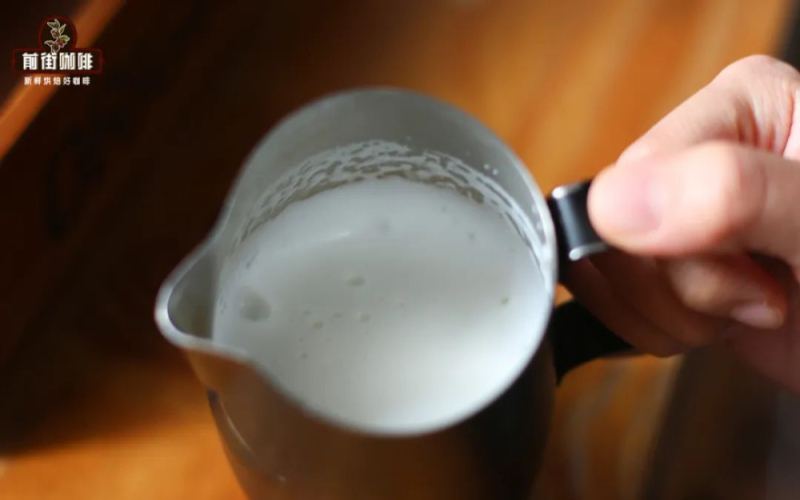
How to Fix Milk Foam That's Too Coarse or Too Thick? Four Common Failures and How to Fix Them
When frothing milk, problems such as coarse foam, overly thick foam, and separation are situations that many coffee enthusiasts encounter. This article focuses on the four most common types of milk frothing failures—foam that is too thin, foam that is coarse, foam that is too thick, and separation of milk and foam—analyzing the causes and effects of each one by one, and providing corresponding remedies. Among these, for the situation where there are only a small number of large bubbles on the surface of the foam, Front Street recommends eliminating them by shaking the milk pitcher; when there are many coarse bubbles, the "pitcher tapping" technique can be used. If the foam is too thick, it can be handled by "foam skimming," while separation problems require "pitcher pouring" to reintegrate the foam. It should be noted that pitcher pouring for rescue should be done no more than twice, otherwise the temperature of the foam will continue to drop, affecting the final result. [more…]
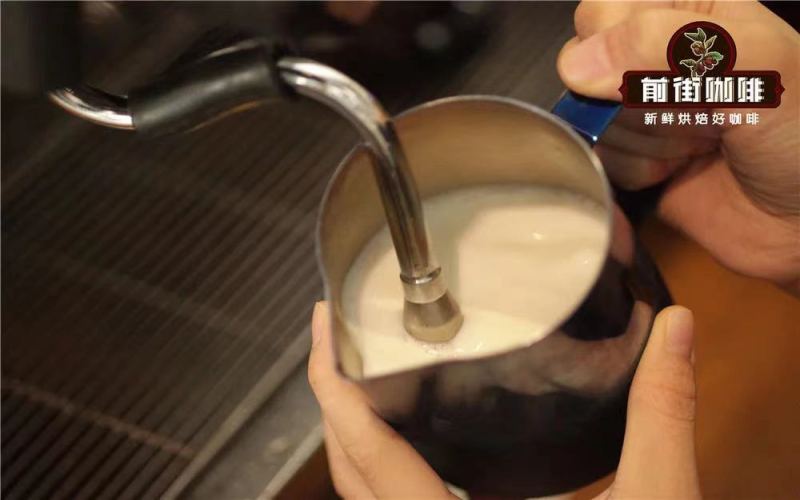
Milk Frothing Tutorial for Beginners | Why Does Milk Foam? How to Froth Milk for a Latte? What Are the Steps and Techniques for Latte Art Pouring and Integration?
At FrontStreet Coffee, steaming milk can be said to be a basic and core skill for every barista. Whether one can steam perfect milk is one of the factors used to judge whether a barista's level is up to standard. For example, the milk foam in a latte is on the thinner side, making it smooth and delicate to drink. The [more…]
Latte art tutorial | Why does milk foam? How can coffee beginners make latte art? What are the techniques for steaming milk for a latte?
Guide to Getting the Best Milk Foam, Why Does Milk Foam? Front Street Coffee (FrontStreet Coffee) - it can be said that steaming milk is a fundamental and core skill for every barista; whether one can steam perfect milk is a factor in judging whether the barista's skill level is up to standard. [more…]

Why Does Milk Frothing Always Go Wrong? A Full Guide to Analyzing Five Common Misconceptions and Practical Tips
Steaming milk is a fundamental skill every barista must master, but many people run into problems during the process, such as milk foam not incorporating, separating into layers, or dissipating quickly. Drawing on the hands-on experience of Front Street Coffee, this article systematically explains the principles of milk foaming, the key factors affecting incorporation, how milk foam performs at different temperatures, and the differences between steaming milk and frothing it by hand. It also compiles the five most common mistakes made when steaming milk, along with detailed steps for a tulip latte art pour, to help you comprehensively improve your milk foam quality and latte art skills. [more…]

The Principles of Milk Foaming and Latte Milk Frothing Techniques: A Complete Guide from Integration to Latte Art Patterns
Steaming milk is a fundamental skill that every barista must master, and the quality of the milk foam directly affects the taste of a latte and the result of latte art. Drawing on the practical experience of Front Street Coffee, this article explains in detail the physical principles of milk frothing, answers common problems such as foam that won't incorporate, separation, and surface bubbles, and explains how steam pressure and foam fineness determine incorporation. The article also compares the stability of milk foam at different temperatures, provides two frothing methods—manual and steam—summarizes five common mistakes, and finally includes a step-by-step tutorial on tulip latte art. Whether you are a beginner or a coffee enthusiast looking to refine your skills, you will find practical guidance here. [more…]

How to Steam Milk Foam for Latte | Latte Milk Foam Beginner Tutorial: How do you steam milk foam suitable for latte art?
Front Street Coffee has previously shared detailed knowledge about steaming milk foam. However, recently a friend sent some videos of steaming milk foam and asked Front Street Coffee for some advice. These problems happen to be quite common among beginners steaming milk foam, so we'll specifically discuss a few points to pay attention to when steaming milk foam. First category, after steaming. [more…]

Specialty Coffee Knowledge: A Complete Guide to Latte Milk Frothing Principles, Integration Assessment, and Optimal Temperature
The key to an ideal latte lies not only in the quality of the espresso, but also in the fineness of the steamed milk and temperature control. Front Street Coffee will start from the basic principles of milk frothing to answer common questions such as why the milk foam does not blend and why it floats on the surface during latte art, and will also take an in-depth look at how steam pressure and foam fineness affect blending. At the same time, through experimental comparisons at different temperatures, we reveal why the 50 to 70°C range is the golden zone for long-lasting, stable milk foam, helping you master the core techniques for steaming perfect milk foam. [more…]
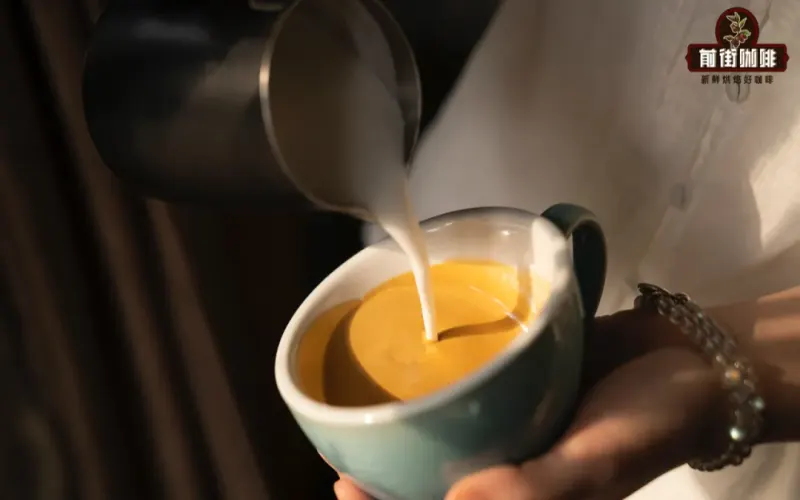
What to Do When Milk Foam Is Too Thick, Separated, or Too Thin? Practical Fixes for Pouring Pitcher and Pre-Mixing in Latte Art
Mistakes when steaming milk foam are occasionally unavoidable—foam that is too thick, too coarse, too thin, or milk and foam that have separated will all make latte art difficult. This article compiles several practical milk foam repair methods, including shaking and tapping the pitcher, using a spoon to scoop out excess foam, pouring the milk into another pitcher, and pre-blending techniques, and explains in detail the principle and points to note for each method. It also explains why pouring into another pitcher can improve milk foam fluidity, and how pre-blending helps thin milk foam successfully complete patterns. At the end, Front Street Coffee-related recommendations and further reading are retained, making it suitable for coffee enthusiasts who want to improve their latte art skills. [more…]

Espresso Milk Drinks | How to make a standard latte, cappuccino, and flat white? What are the differences between the three?
Even with the same few ingredients, as long as the proportions differ, we can create infinite possibilities—coffee is a perfect example. Take the "three milk coffee musketeers" that Front Street Coffee often shares: latte, flat white, and cappuccino. Their only ingredients are milk and coffee, yet when you drink them, whether in taste [more…]

Latte Art Tutorial | What to Pay Attention to When Steaming Milk Foam for Latte Art with a Semi-Automatic Espresso Machine, and How to Rescue Milk Foam That's Not Suitable for Latte Art
As we all know, if we want to create a beautiful latte art pattern, then in addition to having masterful latte art skills, a delicate milk foam is also essential! But even those who have already reached the pinnacle of expertise will occasionally have times when they fail to froth the milk well, perhaps because a momentary lapse makes the milk foam become [more…]
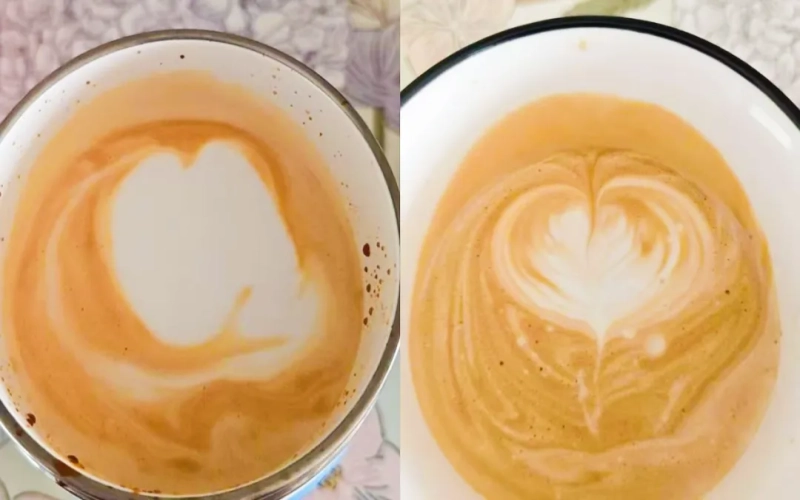
Guide to Milk Foam Thickness and Flow for Latte Art: How to Steam Silky, Dense Milk Foam for Latte Art
Many coffee enthusiasts encounter a puzzle when practicing latte art: even though they have mastered the gestures and techniques of latte art, the patterns never look good enough. The root of the problem is often not the technique, but the quality of the milk foam. A good latte art depends on a fine, dense milk foam with moderate fluidity. In this article, Front Street Coffee shares in detail what characteristics milk foam suitable for latte art should have, and how to optimize the milk frothing process from three dimensions—frothing time, milk temperature, and latte art timing—to help you more easily create latte art patterns with clear lines and a clean background. [more…]

To what extent should milk foam be steamed for latte art? Analyzing the key causes of foam blurring and rapid defoaming
The quality of milk foam has a far greater impact on a latte than one might imagine—it not only determines the success or failure of latte art patterns, but also directly shapes the mouthfeel and flavor expression when the coffee is sipped. Fine, delicate milk foam brings a smooth texture and clean latte art lines, while rough, unstable foam easily leads to blurry lines, rapid deflation, and foggy patterns. From the perspective of Front Street, this article systematically sorts out the specific effects of milk foam thickness on mouthfeel, analyzes why rough foam ruins latte art results and the drinking experience, and points out several core aspects to focus on when steaming quality milk foam, helping coffee enthusiasts more accurately grasp the ideal degree of milk frothing. [more…]

Where does the foam on the surface of pour-over coffee come from? Baking degree and freshness clues behind color and amount
When brewing pour-over coffee, a layer of foam often floats on the surface of the liquid in the dripper, sometimes rich and golden, sometimes thin and whitish. What exactly makes up this layer of foam? What can its color depth and quantity tell us about the brewing? From the perspective of Front Street, this article analyzes the sources of the foam's components, explains how large coffee particles affect the foam's color, and further reveals how the degree of roasting and the freshness of the coffee beans determine the richness of the foam, helping you adjust your pouring technique and judge the characteristics of the beans by observing the state of the foam. [more…]
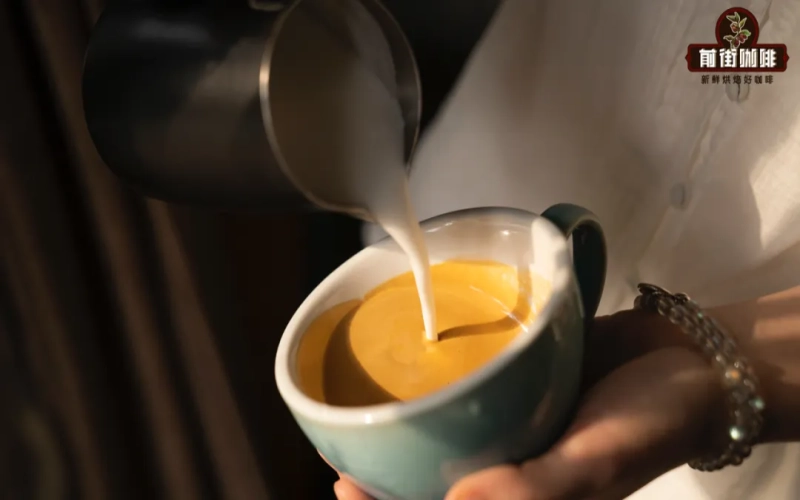
Differences in Milk Foam Thickness Between Lattes, Cappuccinos, and Flat Whites, and Recommended Arabica Coffee Beans
All three are milk plus coffee, yet a latte, a cappuccino and a flat white deliver completely different mouthfeels and textures, and one of the key variables is the thickness of the milk foam. Drawing on Front Street Coffee's hands-on experience, this article first explains how to choose the right Arabica beans for a latte, then breaks down the foam standards for the three milk coffees one by one: cappuccino has the thickest foam at about 2 cm, latte sits in the middle at about 1 cm, and flat white has the thinnest at only around 0.3 mm. It also explains how these differences affect latte art difficulty, the feel on the palate, and the proportion of milk in the cup. Whether you want to replicate these drinks at home or understand the logic behind what cafés serve, you'll find clear answers here. [more…]
Optimal Flavor Temperature Analysis for Milk Coffee: Latte Milk Foam Steaming Principles and Fusion Degree Assessment Standards
The key to a delicious latte lies in the fusion state of milk and coffee and the temperature when it enters the mouth. This article will systematically explain the scientific principles of milk foaming, the factors affecting the fusion degree of milk foam and coffee, and reveal the differences in milk foam durability at different frothing temperatures through experimental data. At the same time, it provides cause analysis and solutions for common problems in daily operation, such as milk foam not fusing and milk foam floating up during latte art. The article also combines the practical experience of Front Street Coffee to explain why around 60°C is the optimal flavor temperature range for milk coffee, and how to judge whether the milk foam fusion degree is up to standard. [more…]

Why Does Latte Milk Foam Dissipate Quickly? A Detailed Explanation of the Factors Affecting Stability and Frothing Techniques
A freshly made latte has a silky smooth surface, but after sitting for a moment it develops a rough, uneven texture—this is the process of milk foam collapsing. Milk foam is essentially foam formed when air is injected into milk, and when left to stand, it separates due to density differences, with small bubbles gradually merging and bursting. The speed of collapse depends on foam stability, which is affected by multiple factors such as steaming technique, milk temperature, and coffee bean freshness. Drawing on Front Street Coffee's store experience, this article systematically analyzes the major reasons behind rapid latte foam collapse and offers practical improvement suggestions to help coffee enthusiasts enhance their latte art quality and taste experience. [more…]
The Essential Guide to Milk Frothing for Specialty Coffee: Milk Foaming Principles, Assessing Integration, and Optimal Temperature Explained
Milk foam is the soul of a latte and a cappuccino. In a proper latte, the milk foam should be thin and fine-textured, with a glossy surface, and go down smoothly. Drawing on Front Street Coffee's hands-on experience, this article systematically sorts out the basic principles of milk steaming, answers the most common questions when steaming milk—why the foam doesn't incorporate, and why the foam floats on the surface during latte art—and gives criteria for judging the degree of incorporation. At the same time, through comparison experiments at different temperatures, the article explains what temperature is most suitable for heating milk and why the foam rapidly collapses after exceeding 70°C. Whether you are a complete beginner or an enthusiast hoping to refine your latte art skills, you will find practical reference here. [more…]

How long before latte milk foam dissipates? From milk foam and crema to integration, analyzing the key factors affecting stability
The milk foam on the surface of a latte begins to slowly dissipate from the moment it is made, but the rate of dissipation varies enormously between lattes of different quality—some develop large bubbles within two minutes, while others can hold out for over fifteen minutes. Foam stability is governed by three core factors: the quality of the foam itself, the state of the espresso crema, and the degree of integration between the foam and the coffee. In addition, details such as cup temperature and residual water droplets on the cup wall can quietly affect the pace of dissipation. This article breaks down these variables one by one to help you understand how to make a latte with lasting foam and a stable structure. [more…]
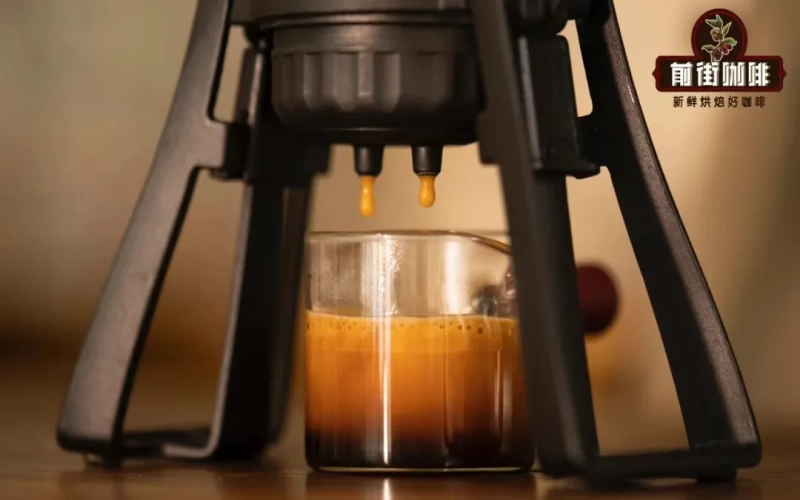
How to froth latte milk foam at home? How to deal with milk foam that is too thick? What is the appropriate milk temperature for cappuccino?
Nowadays, high-pressure extraction tools such as manual presses and dual-valve moka pots are emerging one after another. Even without an expensive fully automatic or semi-automatic espresso machine, you can still make a cup of strong coffee at home that is close to espresso flavor. However, these devices cannot directly provide milk foam like a coffee machine. If you want a "latte" or "cappuccino" with a velvety texture, you still need to find another way. In this article, Front Street will guide you through the principles of milk foam formation, teach you step by step how to make milk foam at home with an electric milk frother, answer common questions such as foam that has been whipped too thick or has a rough surface, and finally discuss the optimal temperature of milk for cappuccino. [more…]

Why Does Latte Milk Foam Disappear Right After Steaming? Five Common Causes and Fixes
The milk foam on the surface of a latte begins to break down the moment espresso extraction is complete and milk steaming ends, and the key indicator of its stability is the rate of foam dissipation. By normal standards, a latte made by Front Street Coffee will only show visible, obvious foam dissipation after sitting for about ten minutes. However, if a freshly made latte collapses, curdles, or turns into large bubbles within two minutes, something is wrong, and the causes need to be checked one by one. This article analyzes the reasons for rapid milk foam breakdown from five aspects—crema and foam coarseness, foam thickness, coffee bean freshness, number of pitcher taps, and evenness of integration—and provides the corresponding solutions that Front Street Coffee has summarized through actual practice. [more…]