







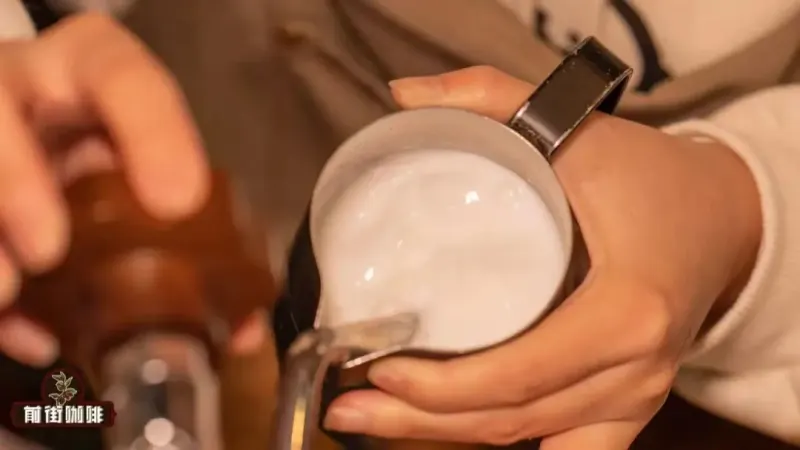
Why Foam Thickness Matters for Latte Art and Mouthfeel: Notes for the Coffee Enthusiast
Milk foam plays a larger role in a latte than many people expect. It determines whether latte art patterns hold their shape, and it shapes the mouthfeel of every sip. Fine, smooth foam produces clean lines and a silky texture, while coarse, unstable foam leads to blurry designs, fast collapse, and faded patterns. Understanding how foam thickness works helps a coffee enthusiast steer milk steaming with more control.
Thickness changes the drinking experience in distinct ways. Thin surface foam contains less air and fewer bubbles, so milk fat contacts the mouth directly and the coffee feels smooth on entry. Thicker foam, created by injecting more air during steaming, expands in volume and feels fluffy, giving a dense yet light sensation. When the foam texture is rough, however, neither thickness level can rescue the pattern or the overall balance of the cup.
The quality of milk foam has a far greater impact on a latte than one might imagine—it not only determines the success or failure of latte art patterns, but also directly decides the mouthfeel and flavor expression when the coffee is sipped. Fine, delicate milk foam brings a smooth texture and clear latte art lines, while rough, unstable milk foam easily leads to blurry lines, rapid defoaming, and faded patterns. From the perspective of Front Street, this article systematically sorts out the specific effects of milk foam thickness on mouthfeel, analyzes why rough milk foam ruins latte art results and the drinking experience, and points out several core aspects to focus on when steaming high-quality milk foam, helping coffee enthusiasts more accurately grasp the ideal degree of milk foam steaming.
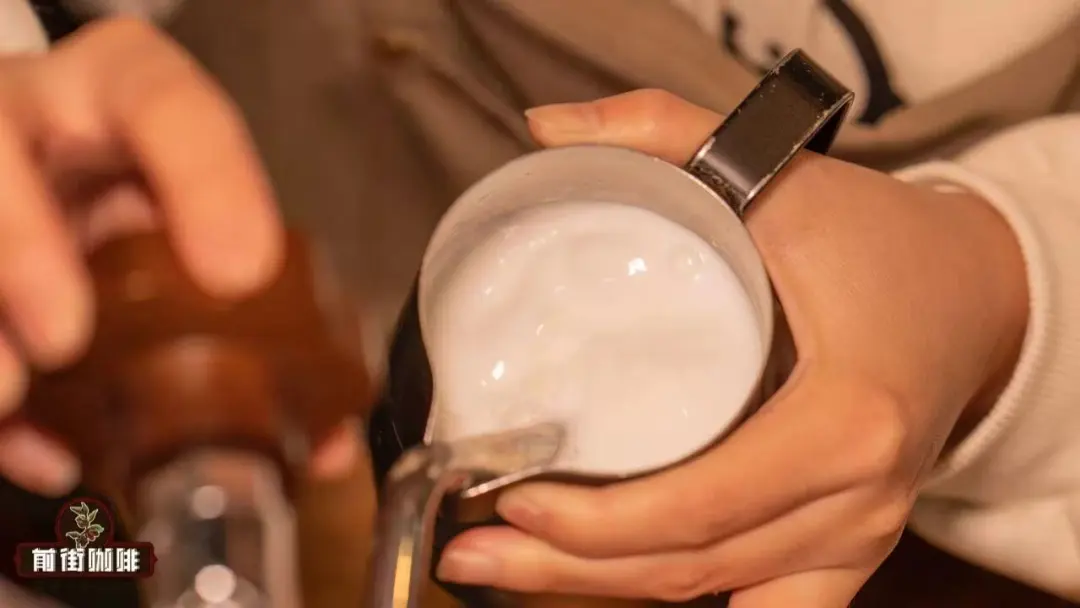
It must be said that milk foam's influence on coffee is very real. Its quality and thickness will change the coffee's performance on different levels. For example, when the milk foam is steamed fine and smooth, it makes people more eager to drink it than rough, uneven milk foam does. When two lattes with different latte art skill levels are placed in front of us, even before taking a sip, we will unconsciously hold higher expectations for the latte with the beautiful pattern—this is the added value brought by the visual level.

Setting aside these psychological factors for now, purely from the actual experience, the quality of the milk foam does indeed directly affect the coffee, such as in terms of mouthfeel. The thickness of the milk foam will influence how the coffee feels when drunk: the thinner the surface milk foam, the smoother it usually feels on entry. The reason is that the milk foam contains less air and fewer bubbles, making it easier for the milk fat to directly contact the mouth and bring a lubricating touch. And because the milk foam is drunk together with the coffee after mixing, this touch naturally acts on the entire cup of coffee.

Conversely, the thicker the surface milk foam, the more obvious the creamy density when drinking, while the mouthfeel tends to be lighter. This is likewise related to how much air is contained in the milk foam. The reason the milk foam is thick is that sufficient air is injected during steaming, causing the volume and thickness of the milk foam to expand, and the texture also becomes fluffy, so on entry it presents a dense yet light touch.
All of the above discussed by Front Street is based on the premise that the milk foam has been steamed relatively fine. If the milk foam texture is rough, then regardless of thickness, the touch it brings will be on the coarse side, and it will not feel smooth enough when drunk. Moreover, this kind of milk foam cannot fully integrate with the coffee, thereby affecting the coffee's taste and the latte art pattern. Rough milk foam does not only refer to not being steamed densely enough; it also includes poor stability, being prone to breaking, and having a relatively high water content. When using this kind of milk foam to make milk coffee, it is difficult to mix the milk foam and coffee evenly, the background of the latte art will look messy, and the pattern itself is also prone to fading and blurry lines. Simply put, it is not easy to make good-looking latte art.

At the drinking stage, because the integration is not uniform, the taste of the milk foam on the coffee surface and the taste of the coffee liquid will differ greatly, one strong and one weak, making the contrast especially obvious. Therefore, the quality of the milk foam directly acts on the coffee, whether in mouthfeel, taste, or visual effect. It is precisely for this reason that Front Street repeatedly emphasizes the importance of milk foam steaming. If you want to steam a high-quality milk foam, there are quite a few aspects to pay attention to, such as the starting temperature of the milk, the foaming duration, the texturing duration, and the final temperature of the milk when steaming is completed, and so on. Since Front Street has already shared the detailed content in past articles, it will not be expanded here. Those interested can look them up on their own~
- END -
The above content is compiled by CoffeeHunters, a coffee news website.


