







Search Results for: Fine Robusta
The Rise of Robusta Coffee Under Climate Change: New Global Industry Trends and Refined Development
In recent years, global warming has posed a severe challenge to the coffee-growing industry, and Arabica coffee faces the risk of reduced yields due to its demanding growing requirements. At the same time, Robusta, with its stronger climate adaptability and resistance to pests and diseases, is gradually transforming from a "commercial bean" into a "fine coffee." Major producing countries such as Vietnam, Brazil, and Indonesia continue to expand Robusta production, while emerging origins such as Nicaragua have also begun to experiment with cultivation. Front Street Coffee is paying attention to this trend and invites you to learn how Robusta is playing an increasingly important role in the global coffee landscape. [more…]
What Grade Does Robusta Coffee Belong To? An Analysis of the Flavor Differences Between Indian Specialty Robusta and Arabica
Robusta is often labeled as low-end, but the truth is not so simple. It originated in the Congo in West Africa, grows quickly, and has strong resistance to extreme climates, pests, and diseases. Its caffeine content is about twice that of Arabica, and it accounts for roughly 30% of global production. Front Street believes that high-quality Robusta can even taste better than inferior Arabica. Robusta is mostly used in espresso blends to enhance body and crema; Front Street's commercial espresso blend, for example, includes 10% Robusta. This article will sort out Robusta's origins, identification methods, advantages and disadvantages, analyze the Catimor hybrid variety, and introduce how Indian specialty Robusta is overturning traditional impressions. [more…]
Analysis of Asian Coffee Production Regions: Flavors and Processing Methods: Notable Origins Such as Indonesian Mandheling, Yunnan Small-Bean, and Vietnamese Robusta, Plus Recommendations from Front Street Coffee
Asia is one of the world's three major coffee-producing regions. Although it has fewer well-known producing countries than Africa and the Americas, its output is enormous and its flavor profile is highly distinctive. Asian coffee is generally characterized by a full-bodied mouthfeel and rich, rounded sweetness. It is often used as the base for espresso blends and is also suitable for single-origin pour-over. Front Street Coffee will guide you through the coffee characteristics, processing methods, and representative beans of well-known Asian producing countries such as Indonesia, China, Vietnam, India, and Papua New Guinea. Among them, the wet-hulling method of Indonesian Mandheling, the unique flavor of Yunnan Catimor, Vietnam's Robusta production, and India's monsoon processing method each have their own charm. The article also includes the brewing parameters and flavor descriptions for several Front Street coffees, including Mandheling, Yunnan Catimor, Indian Monsooned Malabar, and Papua New Guinea Bird of Paradise. [more…]

A Full Analysis of the Flavor and Mouthfeel Differences Between Robusta and Arabica Coffee Beans and the Characteristics of Robusta
The two most common varieties in the coffee world—Arabica and Robusta—are often labeled "elegant" and "rugged." Arabica accounts for as much as 70 to 80 percent of production, while Robusta makes up about 20 to 30 percent. The former has a refined flavor and bright acidity, while the latter stands out for its bitterness and full, rich body. Although Robusta is mostly used for instant coffee, it also plays a key role in espresso blends by adding body and enhancing crema. This article will systematically compare the two in terms of appearance, composition, and flavor differences, introduce specialty Robusta and the Catimor hybrid variety, and also share several of Front Street Coffee's espresso blends containing Robusta as well as brewing suggestions for Yunnan Catimor. [more…]
What Exactly Is the Difference Between Robusta and Arabica? A Comprehensive Comparison from Origin and Flavor to Espresso Blends
Robusta and Arabica are the two most frequently compared coffee varieties in the coffee world. The former accounts for about forty percent of global production, is highly adaptable, and has a high caffeine content, yet has long been burdened by the stereotype of being rough and bitter; the latter occupies the mainstream of specialty coffee with its delicate and varied flavors. This article breaks down, one by one, their botanical characteristics, chemical composition, origin and processing, cupping performance, and the logic of espresso blending, explaining the fundamental differences between the two in flavor and mouthfeel, and exploring whether Robusta, if given equal attention in cultivation and post-processing, can shed its low-grade label. At the same time, drawing on Front Street Coffee's commercial blending experience, it analyzes how a 9:1 ratio of Arabica to Robusta achieves the classic espresso flavor. [more…]
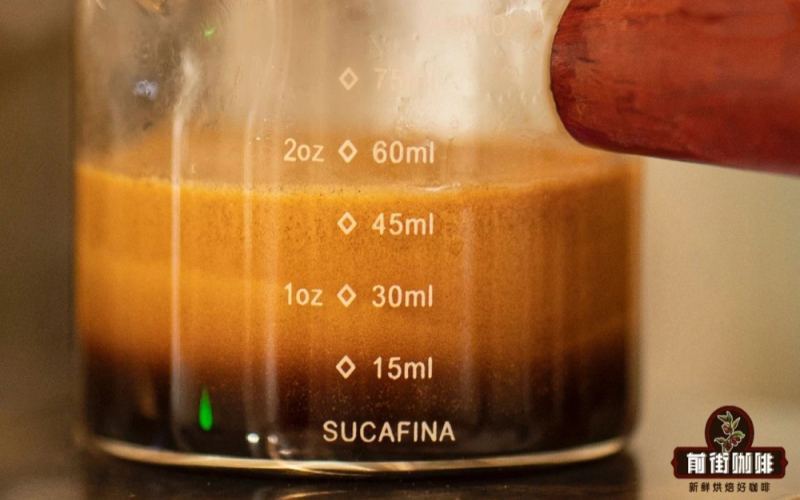
The Crema Layer of Espresso: Causes, Quality Assessment, and Coffee Bean Selection Guide
Crema is the signature characteristic of espresso. This layer of golden oil is composed of insoluble fats wrapping carbon dioxide, and can only be formed through the high-pressure extraction of an espresso machine. The richness of the crema is closely related to the coffee bean blend; Italians often add a small amount of Robusta to enhance the crema, but Robusta does not match Arabica in flavor. Both Front Street Classic Blend and Front Street Commercial Blend contain a small amount of Robusta—the former is suitable for home beginners, while the latter is suitable for commercial use in shops. However, more crema is not necessarily better. If the color is too light or too dark, the thickness too thin or too thick, or the crema clumps and appears rough, all of these can affect quality and latte art results. Beans that are too fresh can instead lead to unstable crema. [more…]
Flavor Analysis of Asian Coffee Origins: Low-Acid, Full-Bodied Coffee Varieties from Indonesia, Yunnan, and More, with Brewing Guides
Although the Asian coffee-producing regions are not as famous for renowned estates as Africa or Central and South America, they occupy an important place on the world coffee map with their rich, full-bodied, and low-acidity flavors. Indonesia's Mandheling, China's Yunnan small-bean variety, Vietnam's Robusta, India's Monsoon Malabar, and Papua New Guinea's Bird of Paradise all showcase the distinctive heaviness and sweetness of Asian beans. Front Street Coffee takes you through the varietal characteristics, processing methods, and brewing suggestions of these regions one by one, so that whether used as an espresso blend base or a single-origin pour-over, you can experience the unique charm of Asian coffee. [more…]
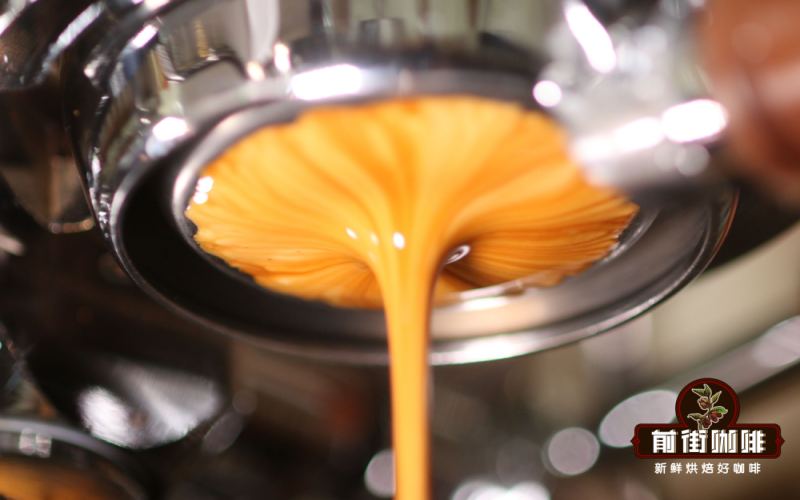
How Is Espresso Crema Formed? A Guide to Buying Espresso Beans with Rich Crema and Good Latte Art
The golden, delicate crema is the most recognizable hallmark of espresso, and its thickness and condition directly affect both the drinking experience and latte art results. This article first walks you through the principles behind crema formation and the criteria for judging it, then breaks down the four factors that influence crema performance—bean freshness, roast level, extraction degree, and bean variety. Next, we recommend an espresso blend from Front Street Coffee with outstanding crema performance, and finally analyze what equipment factors beyond the beans themselves can make crema thin. Whether you're a home enthusiast or a café operator, you'll find practical references here. [more…]
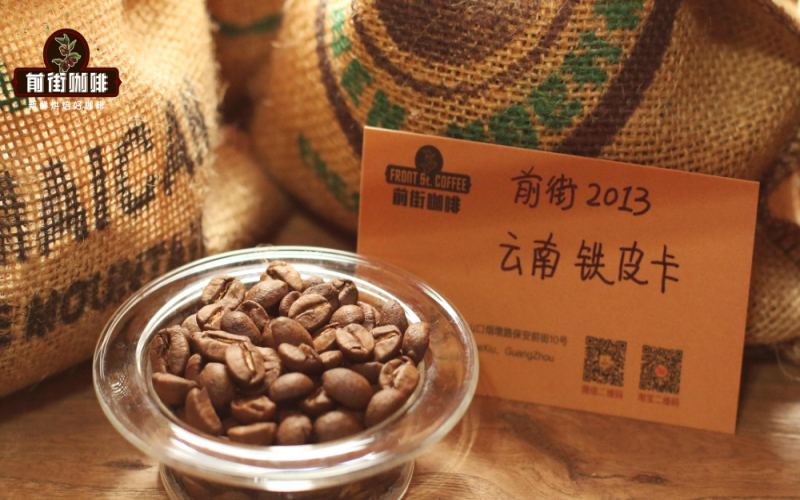
Analysis of Fine Coffee Bean Varieties of Yunnan Small-Bean Coffee: Cultivation Differences Between Typica and Catimor and the Flavor of Front Street 2013
Yunnan, as China's most suitable coffee-producing region, has seen its Arabica varieties evolve from Typica to Catimor. Front Street Coffee started with trial planting in Dazhen, Guangdong, and eventually settled in Lincang, Yunnan, crafting [Front Street 2013] from Typica beans. This article will guide you through the background of coffee cultivation in Yunnan, the intervarietal differences between Typica and Catimor, and the seven-year journey of this sun-dried Typica from seed to cup. We will also explore the origin of the term "Yunnan Arabica" and its taste characteristics, and share the standard V60 brewing parameters used in our stores, so you can experience the layered notes of black tea and nutty tones at home. [more…]
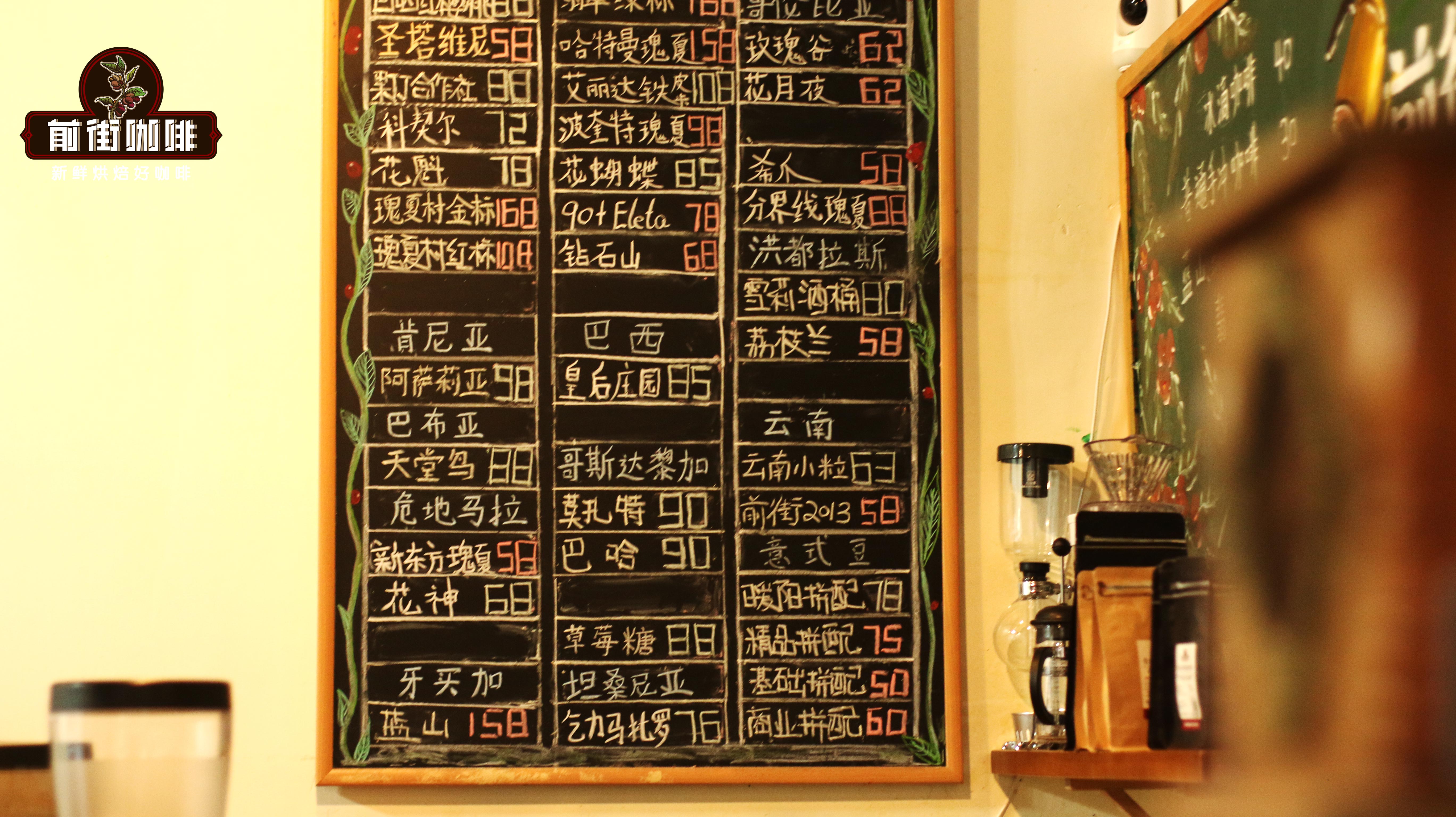
Robusta Coffee Bean Flavor Analysis: Differences from Arabica and Which Is Better
Robusta coffee beans are often labeled as commercial beans or instant coffee, and they rarely appear in the specialty coffee world, yet they possess irreplaceable and unique value. This article will start with flavor characteristics, caffeine and chlorogenic acid content, compare the differences between Robusta and Arabica, analyze why it has a sour and bitter taste and grainy aroma, and explore its key role in espresso blends. At the same time, Front Street Coffee will recommend two classic espresso beans containing a small amount of Robusta to help coffee lovers who enjoy a rich, full-bodied taste find their ideal choice. In addition, we will also introduce Robusta's contribution to disease-resistant breeding, helping you rediscover this coffee variety. [more…]
What Are the Flavor Differences Between Robusta and Arabica? An Analysis of the World's Premium Robusta Origins
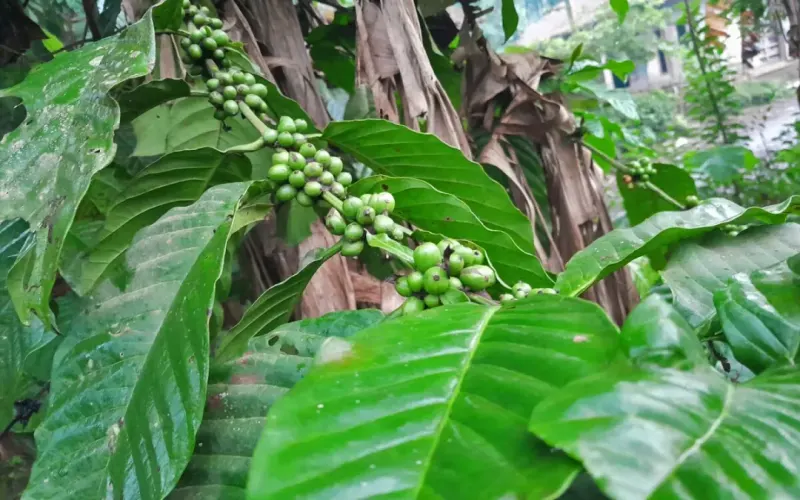
Front Street Coffee is often asked: Why can Robusta be grown on a large scale in places like Vietnam? Don't all coffees require high altitude? What does it actually taste like? When Vietnamese coffee is brewed with Robusta, why doesn't it taste bad? In this article, Front Street Coffee will take a systematic look at Robusta coffee beans. From a botanical perspective, Robusta and Arabica differ significantly in growing conditions and resistance to disease and pests, and these differences directly affect the flavor in the cup. The article will also introduce Catimor, a hybrid of the two, and analyze how Vietnamese coffee is brewed, helping enthusiasts gain a comprehensive understanding of Robusta's value and characteristics. [more…]

Pour-Over Robusta Experience: Analysis of Vietnamese Robusta Flavor Performance and Its Differences from Arabica
Robusta and Arabica have almost divvied up the global coffee consumption market, yet in the realm of specialty pour-over, Robusta is a rare sight. This time, Front Street Coffee has deliberately selected a dark-roasted Robusta from Vietnam to fully present its flavor performance through pour-over brewing, documenting the taste changes from dry aroma, wet aroma, to the mid-to-low temperature stages one by one. The article also sorts out the core differences between Robusta and Arabica in appearance, growing conditions, and flavor formation, and explains Robusta's natural advantages in caffeine content and rich oils. If you're curious about what pure Robusta pour-over actually tastes like, or want to understand why Front Street uses it in espresso blends, this content will give you a straightforward answer. [more…]
Flavor Characteristics and Processing Methods of Asian Coffee Origins: A Guide to Varieties and Brewing from Indonesian Mandheling to Yunnan Arabica
Among the world's three major coffee-growing regions, Asia may not be as well-known as Africa and the Americas, but its output and flavor distinctiveness are by no means inferior. This region as a whole is known for its rich, full body and rounded sweetness, making it especially excellent as an espresso blend base, while also possessing a unique charm when brewed as a single-origin pour-over. This article systematically reviews the coffee landscapes of major Asian producing countries such as Indonesia, China, Vietnam, India, and Papua New Guinea, with a focus on analyzing distinctive processing methods such as Indonesia's wet-hulling process and India's monsoon processing method. It also comprehensively compiles the brewing parameters and flavor descriptions of Front Street Coffee's Mandheling, Yunnan small-batch, and Bird of Paradise products, providing coffee enthusiasts with a practical reference from origin to cup. [more…]
The Origin and Flavor Code of Arabica Coffee Beans: A Full Analysis from Variety Characteristics to Common Subspecies and Hybrids
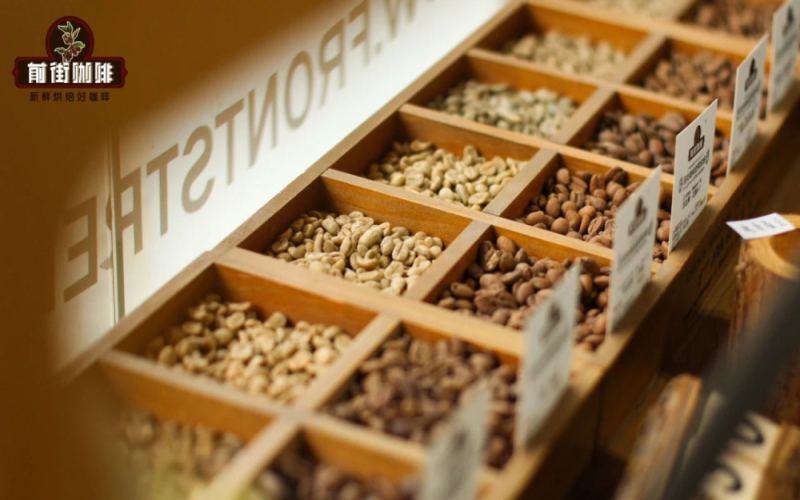
Why can Arabica coffee beans become synonymous with specialty coffee? From the perspective of Front Street Coffee, this article systematically sorts out the core differences between Arabica and Robusta in flavor, growing conditions, and caffeine content, and introduces one by one the origins and flavor characteristics of common Arabica-derived subspecies and hybrid varieties such as Typica, Bourbon, Caturra, Geisha, Catimor, and SL28. It also includes the producing regions, altitudes, processing methods, and flavor descriptions of several representative coffee beans in Front Street Coffee stores, helping coffee enthusiasts fully understand the Arabica variety system so they can more accurately select coffee beans that match their personal preferences. [more…]

Robusta Blend Panama Geisha: The Story Behind Japanese Competitor Takayuki Ishitani's Fourth-Place Finish at the 2022 WBC
At the 2022 World Barista Championship (WBC), Japanese competitor Takayuki Ishitani secured fourth place with a blend of Robusta and Panama Geisha, upending many people's perceptions of competition beans. For the three segments—espresso, milk coffee, and signature drink—he adjusted the ratio of Robusta to Geisha separately, using high-altitude Robusta to enhance body and sweetness while preserving Geisha's delicate flavors. This quiet and sincere competition not only showcased the ingenuity of blending but also sparked discussions about the value of Robusta, the essence of competition, and the overall competence of baristas. This article presents his complete competition plan and philosophy, while retaining relevant recommendations from Front Street Coffee. [more…]
A Comprehensive Analysis of the Origins of Arabica Coffee Beans and the Major Producing Regions of Ethiopia
Arabica and Robusta are the two most common varieties in the coffee world, with the former widely favored as specialty coffee. As the birthplace of coffee, Ethiopia possesses the world's richest resources of native varieties, and its southern highlands have given rise to renowned regions such as Sidamo, Yirgacheffe, Kochere, and Harar. This article will systematically outline the varietal characteristics of Arabica and Robusta, provide an in-depth introduction to Ethiopia's coffee-growing environment and the flavor differences among its producing regions, and, by combining Front Street Coffee's bean selection and brewing practices, offer coffee enthusiasts a complete understanding from origin to cup. [more…]

Where Does Espresso Crema Come From? Key Factors Affecting Crema Thickness and Espresso Bean Recommendations
The golden to chocolate-colored layer of foam on the surface of espresso is what is commonly called crema. It is not only a visual hallmark, but also affects the flavor and mouthfeel of the coffee. Crema is essentially a fine bubble mixture formed when water extracts coffee grounds under high temperature and high pressure, emulsifying natural fats and oils and trapping air and carbon dioxide. Its amount is closely related to coffee variety, roast date, roast level, and extraction equipment: Robusta produces a thick crema, while Arabica tends toward fruity acidity and a moderate mouthfeel; freshly roasted coffee can enhance emulsification, but coffee that is too fresh or too old will throw the crema out of balance; dark roasts produce a thicker, more viscous crema, while roasting too dark backfires. In this article, Front Street will break down these variables one by one and recommend several espresso beans suitable for those pursuing a rich crema. [more…]
What Are the Differences Between Arabica and Robusta? A Comprehensive Comparison from Botanical Characteristics to Flavor in the Cup
Coffee belongs to the Rubiaceae family, but the two varieties we actually drink in daily life are mainly Arabica and Robusta. Have you ever noticed that coffee shops often advertise "100% Arabica"—what exactly does that mean? The two differ significantly in growing conditions, bean shape and appearance, caffeine content, lipids and sugars, pollination method, and resistance to pests and diseases, ultimately producing completely different flavors in the cup. This article will systematically sort out the characteristics of Arabica and Robusta, and use specific beans such as Front Street Coffee Costa Rica Blueberry and Guatemala Flower of God as examples to demonstrate pour-over parameters and flavor performance, helping coffee lovers more clearly understand the influence of variety and origin on taste. [more…]

A Complete Analysis of the Flavor Characteristics, Variety Attributes, and Pour-Over Parameters of Yunnan Catimor Coffee Beans
Yunnan coffee is often labeled "small bean," but what variety does this name actually refer to? Today, over ninety percent of Yunnan's coffee-growing area is occupied by Catimor, a hybrid descendant of Arabica and Robusta that inherits both disease resistance and high yield alongside balanced flavor. Front Street Coffee has specially introduced a washed Yunnan Catimor in its daily staple bean series, using a medium roast to present a profile interweaving nutty, herbal, brown sugar, and plum-like acidity. This article starts from the variety's origins, genetic composition, flavor flaws, and potential, explains in detail the definition of small bean coffee and the ins and outs of Catimor, and includes Front Street's pour-over recommendations and complete parameters, helping coffee lovers build a true understanding of "the taste of Yunnan." [more…]
A Detailed Guide to Coffee Bean Variety Classification: Differences Between Arabica and Robusta and a Bean Selection Guide for Moka Pot Black Coffee
Biologically, coffee beans are mainly divided into three major categories: Arabica, Robusta, and Liberica, with the first two dominating the market. Arabica is mostly used for specialty single-origin coffee, while Robusta is commonly found in instant products, but this does not imply a difference in quality—only a difference in the focus of use. Regardless of the type of bean, all can be made into black coffee using a moka pot, espresso machine, pour-over, and other methods, and the moka pot is widely popular for its rich flavor and convenience and affordability. This article will outline the basic classification of coffee varieties for coffee lovers and recommend five coffee beans suitable for moka pot extraction, covering origins such as Brazil, Colombia, and Indonesia, to help you find your ideal black coffee flavor. [more…]