







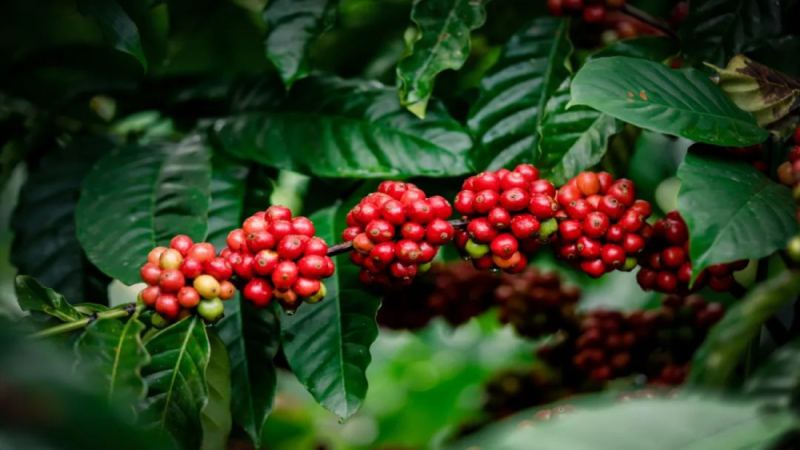
Are Robusta Coffee Beans Becoming Fine Coffee?
Robusta accounts for roughly 30 to 40 percent of global coffee supply, with Vietnam, Brazil and Indonesia as the main producers. Vietnam's annual crop is about 95 percent Robusta, and Brazilian output keeps climbing. Because Robusta tolerates climate stress and disease better than Arabica, investment in it is growing as warming threatens Arabica yields.
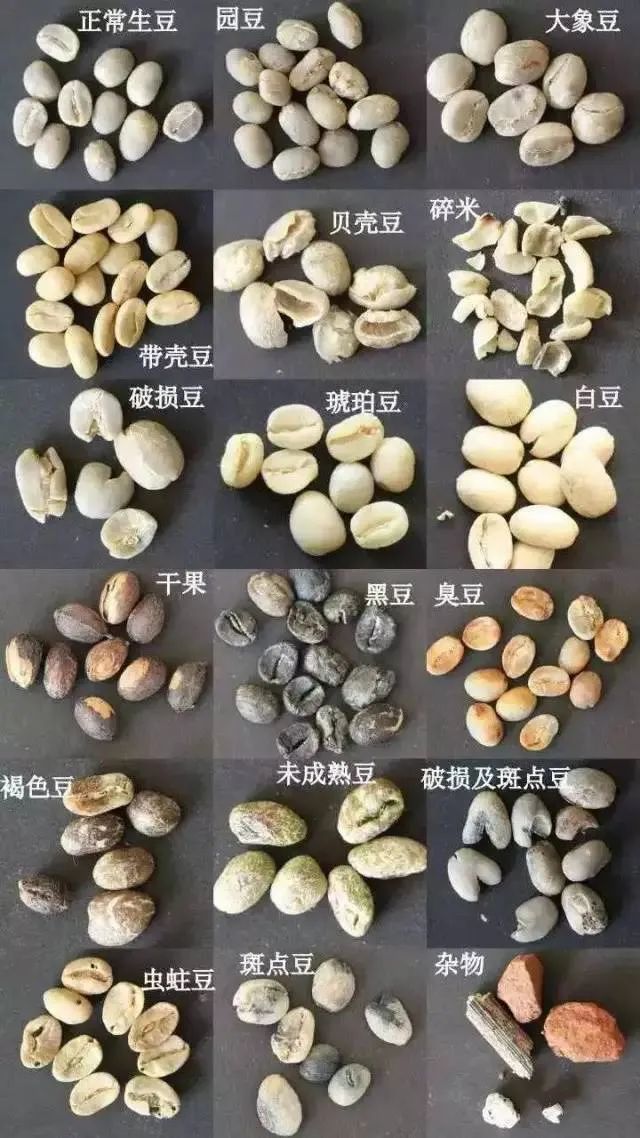
The industry now separates commercial-grade Robusta from fine Robusta. Under the Fine Robusta Standards and Protocols, fine Robusta must have no primary defects such as fungal damage or full black beans, and secondary defects like broken or partially sour beans must not exceed 5, which is how coffee quality is being redefined. A 2022 study predicted that by 2050 the cultivation area and suitability of the top five producing countries will shrink.
In recent years, global warming has posed a severe challenge to the coffee-growing industry, and Arabica coffee faces the risk of reduced yields because of its high demands on the growing environment. At the same time, Robusta, with its stronger climate adaptability and resistance to pests and diseases, is gradually transforming from a "commercial bean" into a "fine coffee." Major producing countries such as Vietnam, Brazil, and Indonesia continue to expand Robusta production, while emerging origins such as Nicaragua have also begun trial cultivation. Front Street Coffee is paying attention to this trend and takes you to understand how Robusta is playing an increasingly important role in the global coffee landscape.
Robusta accounts for about 30% to 40% of the global coffee supply, with Vietnam, Brazil, and Indonesia being the main producing countries. Among them, 95% of Vietnam's annual coffee production is Robusta, while Robusta production in countries such as Brazil is also climbing year by year.
Despite continuous growth in production, Robusta has long been regarded as a coffee variety inferior in quality to Arabica. However, as climate change threatens the future of the coffee industry, investing in Robusta production is becoming increasingly critical, especially because it is better able to withstand climate stress than Arabica.
In addition to the major producing countries mentioned above, Robusta is also widely grown in places such as India and Uganda, and Nicaragua has recently begun developing Robusta cultivation and is showing a growth trend. Today, the industry is gradually distinguishing between commercial-grade Robusta and fine Robusta—the former usually does not focus on quality, while the latter follows strict standards. According to the "Fine Robusta Standards and Protocols," fine Robusta must not have primary defects (such as fungal damage or full black beans), and secondary defects (such as broken or partially sour beans) must not exceed 5. These standards help establish fine Robusta as a high-quality and distinctive product.
A 2022 study predicted that, due to rising temperatures, by 2050 both the cultivation area and suitability of the world's top five coffee-producing countries will shrink. If carbon emission levels remain as they are, this will deal a major blow to the global coffee industry, especially considering that Arabica accounts for 70% of global coffee production and is extremely sensitive to temperature fluctuations.
Coffee quality experts point out that as climate change intensifies, the number of farmers growing Arabica may decrease, because Arabica requires a more stable growing environment. By contrast, Robusta can be grown at lower altitudes, so more low-altitude Arabica farmers may switch to Robusta. Climate instability makes rainfall and humidity difficult to predict, and the threats of pests and diseases rise. Because Robusta has stronger resistance to climate, pests, and diseases, investing in its cultivation appears more important.
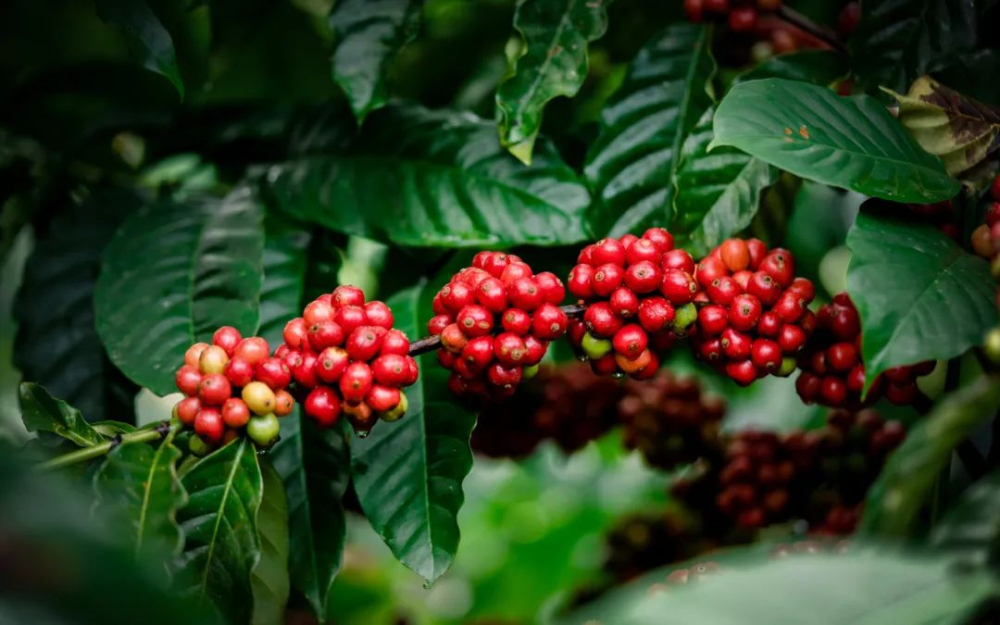
At present, Nicaragua is also growing Robusta. According to the agricultural department manager of Nicaragua's Mercon company, more than a decade ago the country had no Robusta production, so most farmers are still unfamiliar with its cultivation methods. In recent years, the company has been working hard to promote Robusta production and has conducted research on relevant variables. Data show that Nicaragua produced about 120,000 bags (60 kg per bag) of Robusta coffee in the 2022/23 year.
Climate change poses a threat to the future of the global coffee industry, but farmers have the opportunity to cultivate finer Robusta varieties, and more Robusta coffee beans will appear on the market in the future. Front Street Coffee suggests that enthusiasts pay attention to this trend, try fine Robusta from different origins, and experience its unique flavor.
Disclaimer: Some images in this article are from the internet. For some content on the website, such as images, we will respect the original author's copyright and indicate the source, but due to the large volume, some images and texts may not have been credited in time. Please forgive us. If the original author has any dispute, they may contact the website for handling, and once verified we will correct it immediately. Compiled and edited by "Coffee Review vdailycom." Please indicate the source when reposting. This article is intended to spread coffee culture. If there is any infringement, please inform us for deletion. Thank you~!
The above content is compiled by CoffeeHunters, a coffee news website.


