







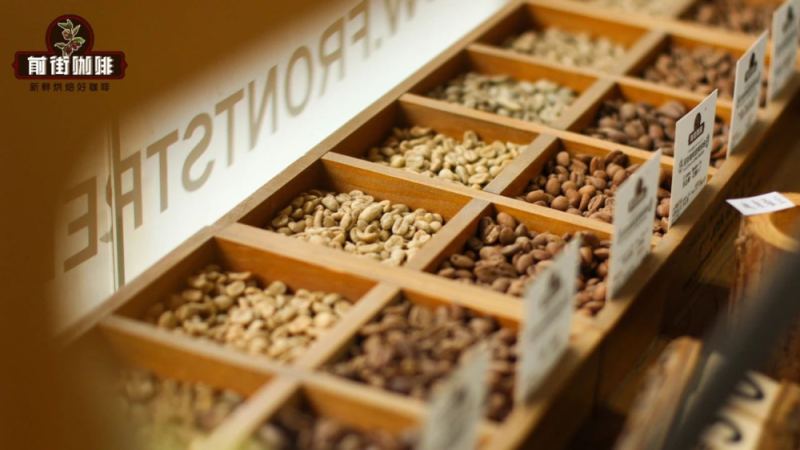
What Does Arabica Coffee Mean in the Specialty Market?
Arabica coffee beans are the mainstay of specialty coffee, prized for flavor and carrying 0.8% to 1.5% caffeine. Global beans divide into Arabica, Robusta, and Liberica, and Arabica accounts for roughly 75% of world output, with Robusta near 20% and Liberica about 2%. It grows across Central and South America, Africa, and Asia.
Each arabica variety branches from that base. Typica, Bourbon, Caturra, Geisha, Catimor, and SL28 all descend from or cross with Arabica and differ in origin and cup profile. The plant is delicate: it needs high altitude, tolerates low temperatures but not frost, resists drought poorly, and is vulnerable to pests and disease. Leaf rust once caused heavy losses, driving Arabica-Robusta hybrids.
Why can Arabica coffee beans become synonymous with specialty coffee? This article, from the perspective of Front Street Coffee, systematically sorts out the core differences between Arabica and Robusta in flavor, growing conditions, and caffeine content, and introduces one by one the origins and flavor characteristics of common Arabica-derived subspecies and hybrid varieties such as Typica, Bourbon, Caturra, Geisha, Catimor, and SL28. It also includes the producing regions, altitudes, processing methods, and flavor descriptions of several representative coffee beans in Front Street Coffee stores, helping coffee lovers fully understand the Arabica variety system so they can more accurately choose coffee beans that match their personal preferences.
Friends who often visit Front Street Coffee surely know that the beans used for single-origin coffee are basically all from the Arabica variety, or are hybrids of Arabica and Robusta. Usually, pure Robusta beans are only suitable for espresso blends. So what exactly are the outstanding flavor advantages of Arabica coffee beans? Below, Front Street Coffee will sort out the relevant knowledge about Arabica coffee beans in detail for coffee lovers.
What are Arabica coffee beans?
Global coffee beans are mainly divided into three major varieties: Arabica, Robusta, and Liberica. Among them, Arabica has the most outstanding flavor performance, so it is widely used to make specialty coffee, and its caffeine content is only between 0.8% and 1.5%. It is also currently the most widely grown coffee bean variety in the world, with Arabica coffee beans produced in Central and South America, Africa, and Asia.
According to Front Street Coffee, precisely because Arabica coffee beans have the best flavor performance, their total output accounts for 75% of global coffee, while Robusta accounts for about 20%, and Liberica accounts for only 2% of the total.
Although Arabica coffee beans seem to have many advantages, they are actually quite delicate and are only suitable for planting in high-altitude areas. Although they can tolerate low temperatures, they cannot withstand frost, and their drought resistance is also weak, making them susceptible to pests and diseases. For example, coffee leaf rust once caused heavy losses for many coffee farmers, which is also one of the reasons why hybrids of Arabica and Robusta were later developed. In addition, Arabica is only a general term for a species. For example, the common coffee varieties in Front Street Coffee stores are actually subspecies derived from Arabica, such as Typica, Bourbon, and Caturra, all of which are pure Arabica variety coffee beans.
Differences between Arabica and Robusta variety coffee beans
Front Street Coffee has already mentioned Robusta variety coffee beans above, so what exactly are the differences between Robusta and Arabica?
According to Front Street Coffee, Robusta coffee trees are relatively easy to cultivate and do not have high altitude requirements. They can also grow in areas below 1,000 meters, have strong resistance to pests and diseases, and also have higher yields. However, their caffeine content is between 2.7% and 4%, twice that of Arabica. As a natural pesticide for plants, caffeine helps Robusta resist most insect damage.
However, this also means that the flavor richness of Robusta coffee will decline somewhat. According to Front Street Coffee, Robusta has relatively high contents of caffeine, amino acids, and chlorogenic acid, and chlorogenic acid is the source of bitterness, so Robusta naturally does not have the elegant aromatic scent of Arabica beans.
When Front Street Coffee cups Robusta coffee beans, it finds that their flavor is fuller and their mouthfeel is lower than Arabica, often with flavors of walnut, peanut, hazelnut, wheat, grain, and even pungent earthy and rubbery notes. Therefore, Robusta variety coffee beans are not suitable for drinking as single-origin coffee, but they can increase the body of espresso blends, so many producing regions are still willing to grow them.
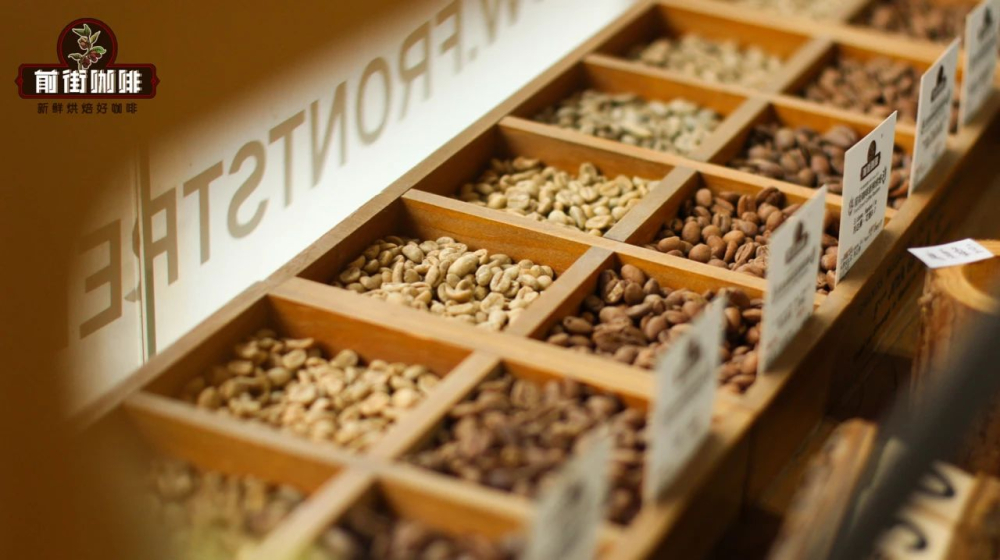
The above is the knowledge about Arabica coffee beans compiled by Front Street Coffee. Next, Front Street Coffee will introduce the subspecies coffee beans derived from Arabica, as well as its hybrid varieties with Robusta.
Common Arabica-derived subspecies
Ethiopian Heirloom native species
This variety mainly refers to coffee varieties within the Ethiopian producing region. As the birthplace of coffee beans, Ethiopia currently has nearly 2,000 recorded coffee varieties, with tens of thousands more not yet discovered. Because the number of varieties is enormous, on the one hand identification and classification are difficult, and on the other hand the Ethiopian government, for protection reasons, is unwilling to disclose information about these varieties, so they are collectively called "Heirloom" native species.
At present, the most famous Yirgacheffe coffee beans in Front Street Coffee stores use Heirloom native species coffee beans.
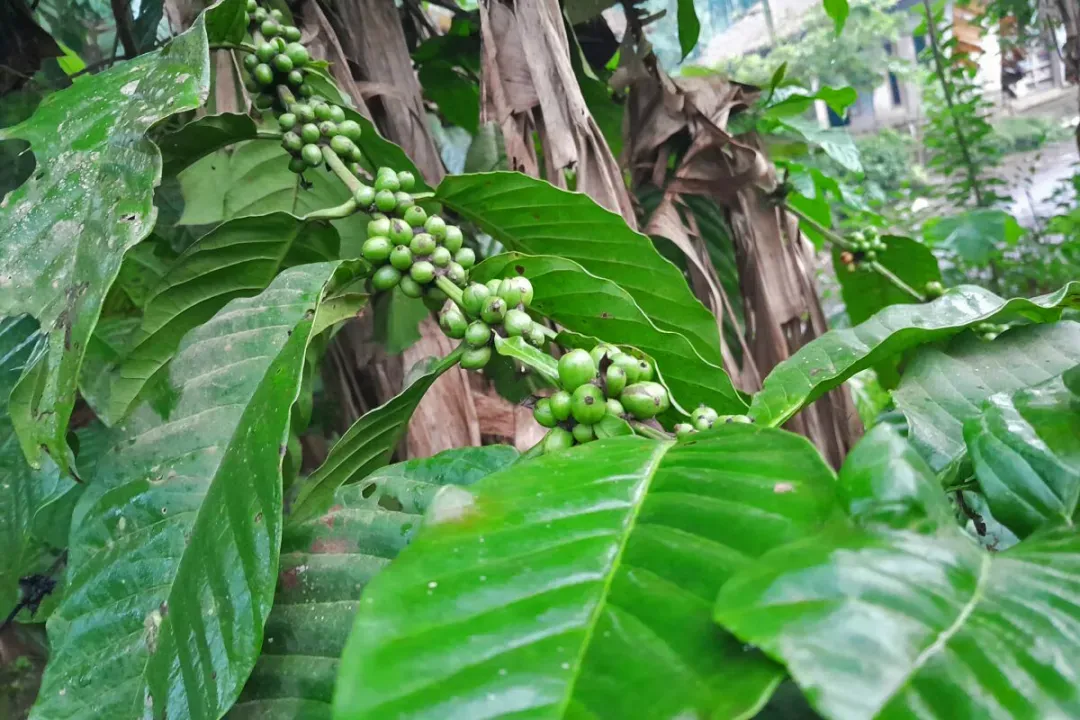
Front Street Coffee: Ethiopia·Gedeb coffee beans
Country: Ethiopia Region: Yirgacheffe Altitude: 1900-2300m Variety: Local heirloom Processing method: Washed Flavor: Tropical fruit, cream, honey, berries, citrus
Geisha
Today it is generally believed that the highest-quality Geisha comes from Panama, but the Geisha variety was actually discovered as early as 1931 in the Geisha forest of Ethiopia, then sent to the Kenya Coffee Research Institute, introduced to Uganda and Tanzania around 1936, and introduced to Costa Rica in 1953. Panama only began growing Geisha coffee in the 1970s.
Front Street Coffee believes that coffee lovers are all familiar with Geisha coffee, especially the Panama Hacienda La Esmeralda Geisha in Front Street Coffee stores, which is deeply loved by everyone.
Front Street Coffee: Panama Hacienda La Esmeralda Red Label Geisha coffee beans
Country: Panama Region: Boquete (Hacienda La Esmeralda) Altitude: 1700 m Variety: Geisha Processing method: Natural Flavor: Citrus, complex fruit, rose tea, honey
Typica
Typica is the oldest native variety in Ethiopia, and now almost all coffee varieties belonging to Arabica are derived from Typica. Typica has an elegant flavor, but its constitution is weak, its disease resistance is low, and it is susceptible to leaf rust, so its yield is low and it is difficult to meet economic benefits. In recent years, Typica in Central and South America has gradually been replaced by Caturra and Catuai, so Typica is seen less and less. Although Typica has an elegant flavor, its popularity is not as high as Bourbon. Front Street Coffee has established a coffee estate in Baoshan, Yunnan, mainly planting Typica variety coffee trees.
Typica variety coffee beans can often be seen in Front Street Coffee stores. For example, the most popular Indonesian Mandheling coffee beans and Blue Mountain coffee beans in Front Street Coffee stores both use Typica variety coffee beans.
Front Street Coffee: Indonesia·Lintong Mandheling coffee beans
Country: Indonesia Region: Sumatra (Lintong) Altitude: 1100-1600m Variety: Typica, Caturra Processing method: Wet-hulled Flavor: Baked toast, nuts, caramel, pine, herbs
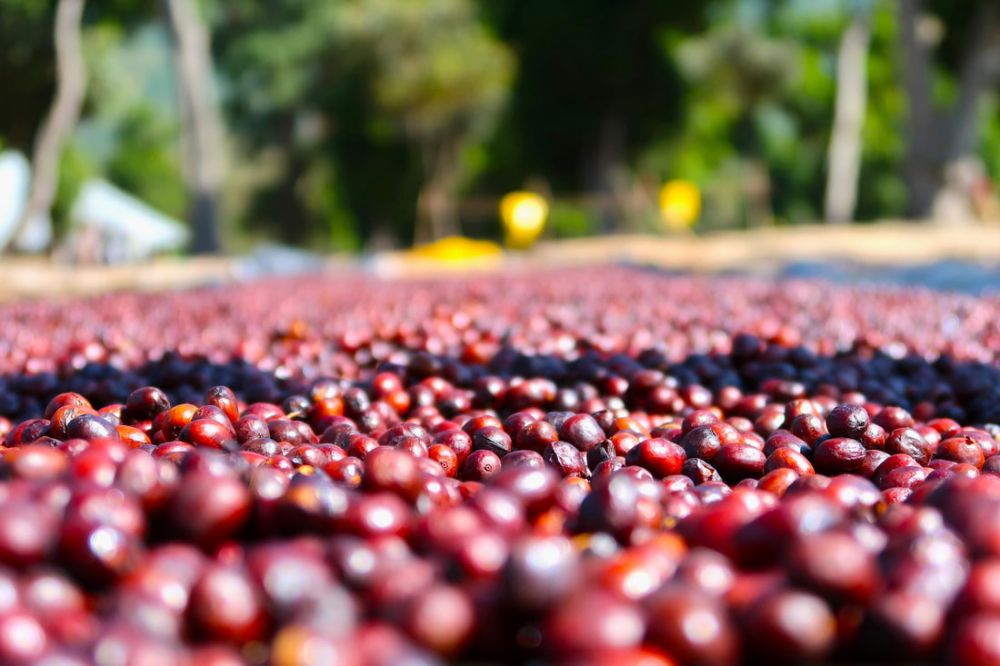
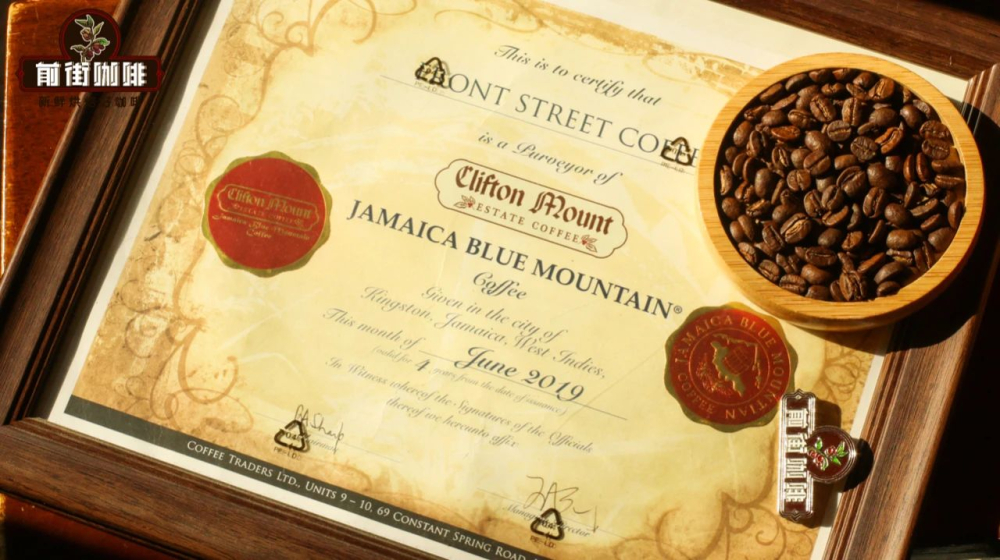
Front Street Coffee: Jamaica·Washed Blue Mountain No. 1 coffee beans
Country: Jamaica Region: Blue Mountain (Clifton Mount Estate) Altitude: 1310m Variety: Typica Processing method: Washed Flavor: The entry has the sweetness of brown sugar and the acidity of berries, the middle and finish carry nutty cocoa flavors, and the mouthfeel is creamy, with rich and obvious layering, while the aftertaste has the aroma of walnuts.
Bourbon
Bourbon is a subspecies produced by a mutation of Typica and, together with Typica, belongs to the oldest existing coffee varieties. Its green fruit turns bright red when ripe. Compared with Typica, Bourbon has broader leaves and denser growth. Although its yield is higher than Typica, its harvest period is also two years, so it is also a relatively low-yield variety, yet it has a high-quality mouthfeel, with acidity like red wine and a sweet aftertaste.
This variety is mainly grown in the Brazilian coffee producing region. For example, the Brazil Queen Estate coffee beans in Front Street Coffee stores use this variety.
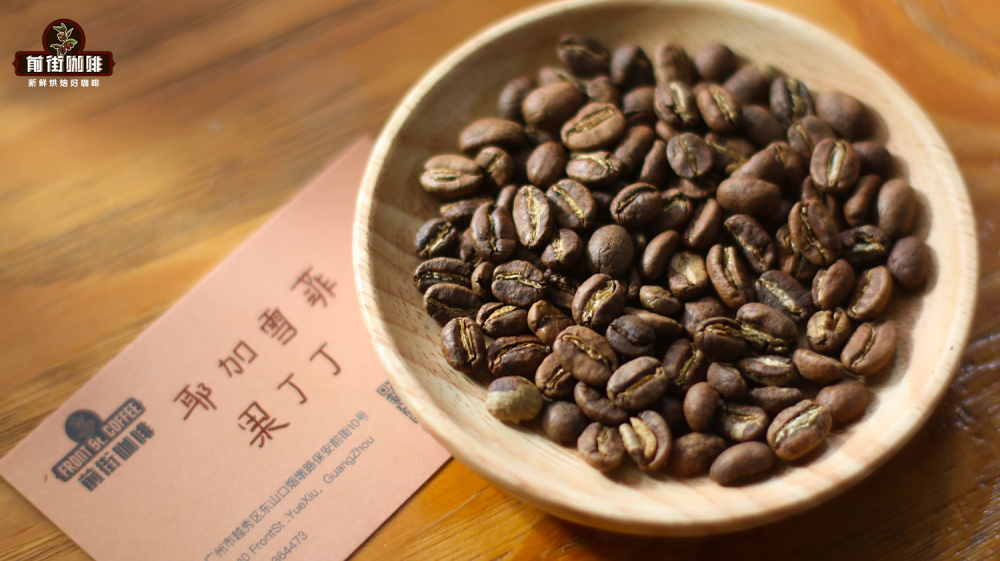
Front Street Coffee: Brazil·Queen coffee beans Country: Brazil
Region: São Paulo State (Queen Estate) Altitude: 1400-1950m Variety: Yellow Bourbon Processing method: Semi-dry/Natural Flavor: Nuts, cream, peanut, fermented fruit, cane sugar
Caturra
Caturra is a single-gene mutation of Bourbon, discovered in Brazil in 1937. Its productivity and disease resistance are both better than Bourbon, and the tree is shorter, making harvesting convenient. Unfortunately, like Bourbon, it has the periodic problem of yield fluctuations every two years. Its flavor is comparable to or slightly inferior to Bourbon beans. More importantly, it has extremely strong adaptability and does not need shade trees; it can thrive even when directly exposed to the scorching sun, commonly known as sun-exposed coffee. It can adapt to high-density planting, but it must be fertilized more, increasing costs, so initially coffee farmers did not accept it very much.
This variety is currently mainly grown in Latin America. For example, most of the Costa Rican coffee beans in Front Street Coffee stores use the Caturra variety.
Front Street Coffee: Costa Rica·Musician Series Bach coffee beans Country: Costa Rica
Region: Tarrazú Altitude: 1950m Variety: Caturra Processing method: Raisin honey processing Flavor: Fermented wine aroma, berries, fruit tea note
Catuai
Catuai is a mixed-blood Arabica variety, produced by crossing the Robusta subspecies Mundo Novo with Caturra. It has strong resistance to natural disasters, especially wind and rain. It inherits the advantage of Caturra's low tree height and eliminates the shortcomings of Mundo Novo; another advantage is that its fruit is firm and not easy to fall off when blown by strong winds, making up for the fragile defect of Arabica fruit. However, its overall flavor performance is more monotonous than Caturra, and also more monotonous than Mundo Novo and lacking in body, which is the greatest regret. In addition, its fruit growth and harvest lifespan is only about ten years, and its short lifespan is also one of its weaknesses.
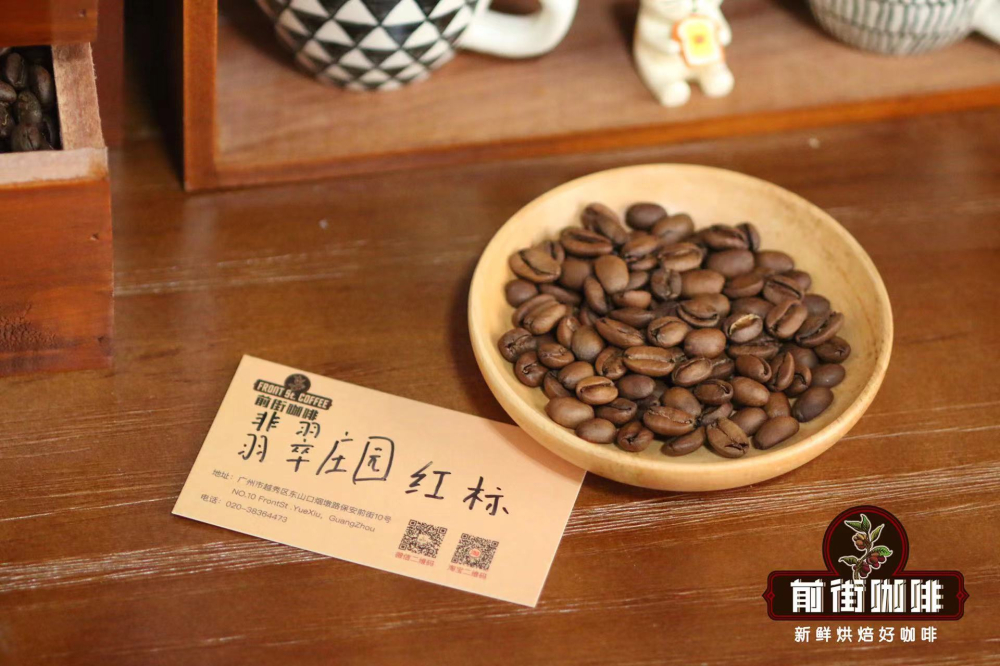
This variety is currently mainly grown in Latin America as well. For example, most of the coffee beans in Front Street Coffee's Costa Rica producing region are also made from this variety of coffee beans.
Front Street Coffee: Costa Rica·Musician Series Beethoven coffee beans
Country: Costa Rica Region: Tarrazú Altitude: 1800-1950 m Variety: Caturra, Catuai Processing method: Washed Flavor: Citrus, berries, floral aroma, faint fermented wine aroma
This Beethoven coffee bean is the only coffee bean in the Musician Series processed by the washed method, so its flavor expression is cleaner and brighter, with citrus-like aroma.
Pacas
Pacas is a natural mutation of Bourbon, first discovered in 1949 on the estate of the Pacas family. In 1956, someone discovered some plants with different forms in the Bourbon planting area and collected them to begin selection and research, also inviting Professor William Cogwill from the University of Florida to identify them. The identification found that the Bourbon planted on the Pacas farm had a single-gene mutation that caused the plant to become smaller, forming a new variety. This new variety was named "Pacas" after the farm owner. Moreover, the coffee plant form of the Pacas variety is smaller, can be planted more densely, and its yield is also higher than native Bourbon. High-density planting also brought higher yields to the farm, and its flavor performance is also more excellent.
This variety of coffee is mainly grown in Latin American producing regions as well. For example, one of the three coffee bean varieties used in Front Street Coffee's Honduras Sherry is Pacas.
Front Street Coffee: Honduras·Sherry coffee beans Country: Honduras
Region: Marcala (Moca Estate) Altitude: 1500-1700m Variety: Caturra, Catuai, Pacas Processing method: Fine washed + whiskey barrel fermentation Flavor: Vanilla, cream, fermented wine aroma, dark chocolate
SL34, SL28
SL28 is a single variety selected in 1935 from the drought-resistant population of Tanganyika. The SL28 variety is suitable for medium- and high-altitude areas and has drought resistance, but it is very sensitive to the main coffee diseases. SL28 beans resemble the Bourbon variety, round-bodied and thick, and recent genetic testing has also confirmed that SL28 belongs to the Bourbon genetic group.
SL34 was initially selected in the late 1930s at the Scott Agricultural Laboratories in Kenya. SL34 was selected from a tree on the Kabete Loresho estate in Kenya, and this tree was called the "French Missionary." SL34 beans resemble the Typica variety. Front Street selected beans close to the Typica bean shape from Kenyan beans, with elongated bodies, oval in shape, and relatively flat when viewed from the side. Recent genetic testing indicates that SL34 is related to the Typica genome.
These two varieties are currently only grown in the Kenyan coffee producing region. For example, the Kenya Asalia in Front Street Coffee stores uses this variety of coffee beans.
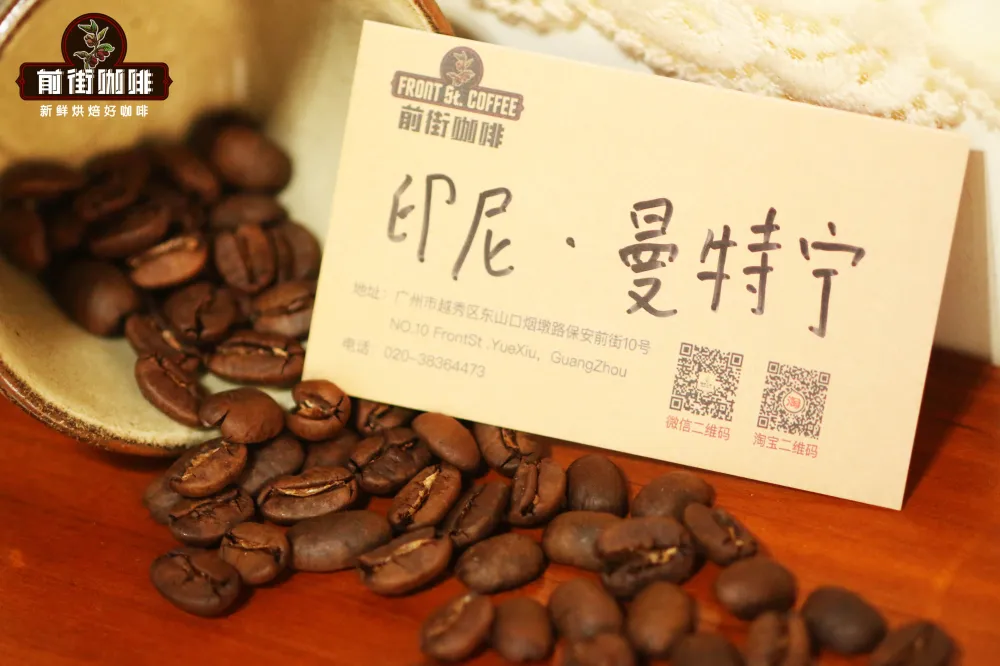
Front Street Coffee: Kenya·Asalia coffee beans
Country: Kenya Region: Asali (Honey Processing Plant) Altitude: 1550-1750m Variety: SL28, SL34 Processing method: 72-hour washed processing Flavor: Snow pear, smoked plum, yellow sugar, cherry tomato, plum
Hybrid varieties of Arabica and Robusta coffee beans
Catimor
Catimor is a hybrid variety of the Robusta subspecies TimTim and Caturra. It was initially developed in 1959 and began to be promoted in Brazil in the 1970s and 1980s. With disease resistance and high yield, it secured a place among coffee varieties in Central and South America. The recurring coffee leaf rust crises in Central and South America also helped promote the use of Catimor coffee beans.
Its characteristics are high yield, short plants, suitability for dense planting, and new leaves are reddish-brown. However, because it matures quickly and has high yield, it must be provided with sufficient fertilizer and shade, but according to Front Street, its lifespan is very short, averaging only ten years.
As Front Street Coffee said above, the latest Golden Mandheling produced by the Indonesian PWN company is this variety of coffee beans. Secondly, the famous Yunnan small-bean coffee in China's Yunnan producing region is Catimor variety coffee beans.
Front Street Coffee: Indonesia·Golden Mandheling coffee beans
Country: Indonesia Region: Sumatra, Aceh, Mount Gayo Altitude: 1100-1600m Variety: Ateng Processing method: Wet-hulled Flavor: Baked toast, nuts, pine, caramel, herbs
Front Street Coffee: Yunnan·Small-bean coffee beans (everyday beans)
Country: China Region: Baoshan, Yunnan Altitude: 1200m Variety: Catimor Processing method: Washed Flavor: Herbs, nutty aroma, chocolate, caramel
Castillo
Castillo is a coffee variety developed in 2005 by Colombia's coffee research institution based on enhancing plant disease resistance. It is currently the main cultivated variety in Colombia.
According to Front Street, Castillo is the result of five generations of cross-breeding and selection between the Robusta subspecies TimTim and the Caturra variety. TimTim is the result of natural hybridization between Arabica and Robusta, with tall plants and resistance to leaf rust. Caturra is the result of a natural mutation of Bourbon, with short plants and higher yield than Typica and Bourbon, well inheriting Bourbon's high-quality flavor, with small plant spacing, denser plants per unit area, but susceptible to leaf rust.
The Colombia San Jose Estate in Front Street Coffee stores uses this variety of coffee beans, with an obvious tea-like feel in its flavor performance.
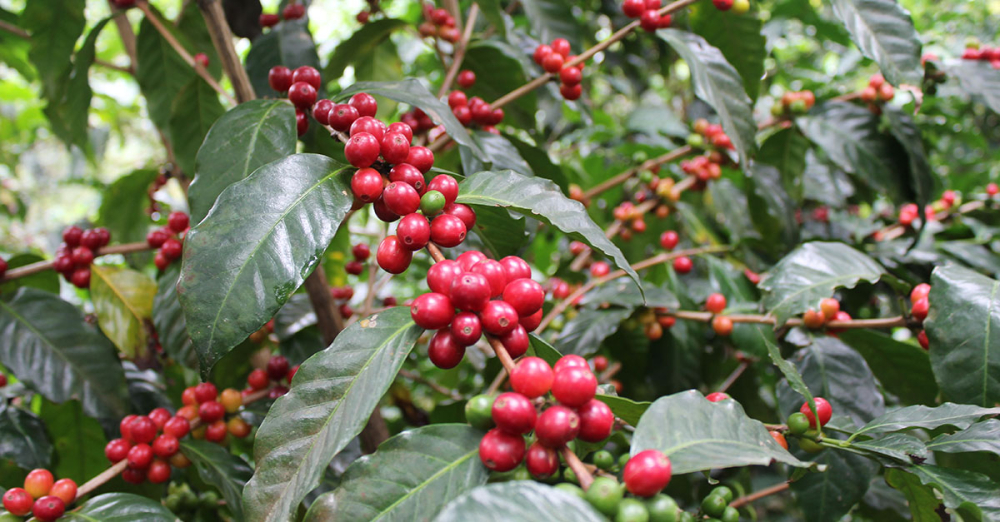
Front Street Coffee: Colombia·San Jose Estate coffee beans
Country: Colombia Region: Caldas Altitude: 1750m Variety: Castillo Processing method: Fine washed rum barrel fermentation processing Flavor: Rum, liqueur chocolate, tropical fruit, maple sugar
The above is the content compiled by Front Street Coffee about the flavor of Arabica variety coffee beans. At the same time, Front Street Coffee also hopes that this article can help coffee lovers understand Arabica variety coffee beans more deeply, so that in the future they can better choose coffee beans that suit their own flavor preferences.
For more specialty coffee beans, please add the private WeChat Front Street Coffee, WeChat ID: kaixinguoguo0925
The above content is compiled by CoffeeHunters, a coffee news website.


