








How Lightly Roasted Beans Shape Espresso Crema
Espresso crema is the golden-to-chocolate foam on top of a shot. It forms when hot water at roughly nine atmospheres of pressure pushes through the coffee bed, emulsifying the beans' natural oils and trapping air and carbon dioxide in tiny bubbles. Variety, roast date, roast level, and the machine all influence how much crema appears and how long it lasts.
Robusta beans tend to produce abundant crema; lightly roasted Arabica leans toward fruity acidity with a moderate foam layer. Beans roasted too fresh release heavy carbon dioxide and throw the crema out of balance, while dark roasts give thicker, more viscous crema until the roast goes too far. Resting the roasted beans a few days before pulling shots helps stabilise the result.
The golden to chocolate-colored foam layer on the surface of espresso is what is commonly called crema. It is not only a visual hallmark but also affects the flavor and mouthfeel of the coffee. Crema is essentially a fine bubble mixture formed when water extracts coffee grounds under high temperature and pressure, emulsifying natural fats and oils and trapping air and carbon dioxide. Its amount is closely related to coffee variety, roast date, roast level, and extraction equipment: Robusta produces abundant crema, while Arabica tends toward fruity acidity and a moderate mouthfeel; fresh roasting enhances emulsification, but too fresh or too old will throw crema out of balance; dark roasts produce thicker, more viscous crema, but too dark is counterproductive. In this article, Front Street will break down these variables one by one and recommend several espresso beans suited to pursuing rich crema.
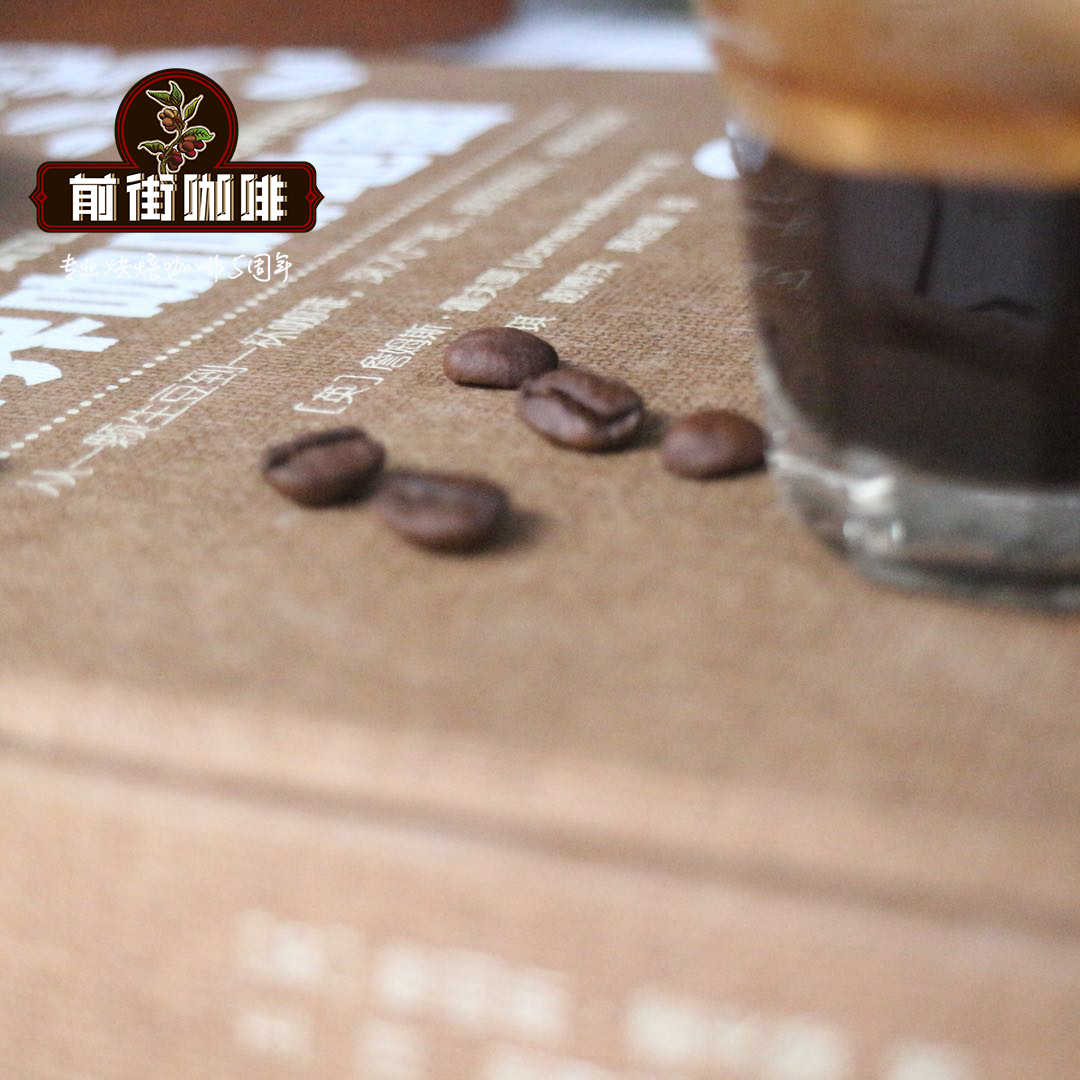
When it comes to espresso, crema is an unavoidable core indicator. Besides giving espresso its iconic look, it also largely dictates the coffee's flavor direction and mouthfeel. But what exactly is crema? This question deserves careful thought.
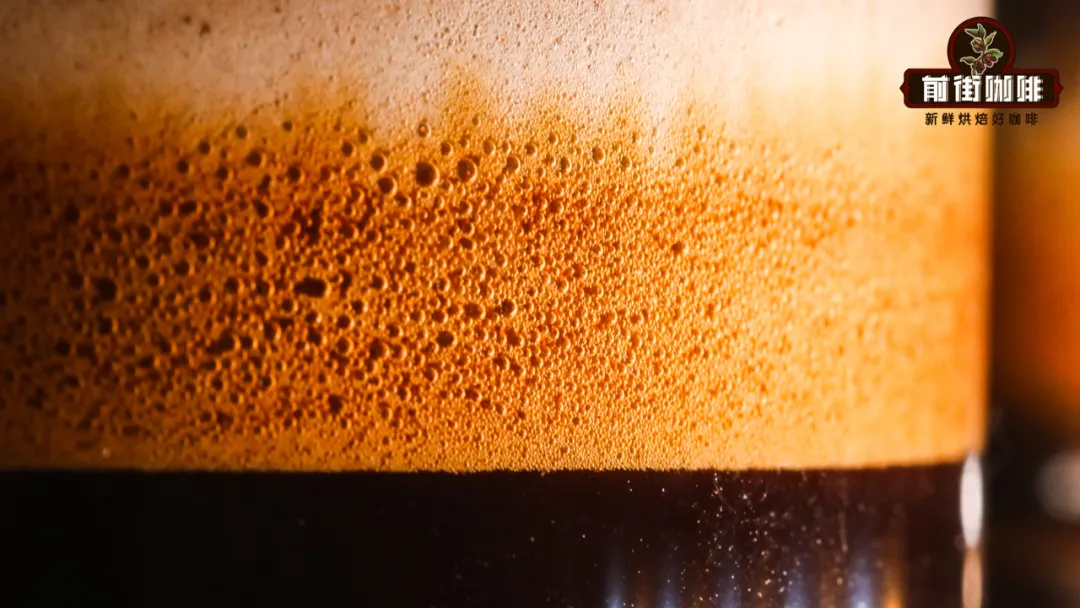
In the most straightforward sense, crema is the layer of liquid floating on top after espresso extraction is complete, transitioning in color from golden to chocolate, and its formation is closely tied to "pressure." After extraction is finished and the coffee is left to rest, the lighter-colored crema stays on top, while the darker coffee liquid sinks below.
This layer of espresso crema is actually a mixture woven from multiple substances: water at high temperature and pressure passes through the coffee bed, drawing out its soluble components. During this process, the coffee's natural fats and oils are emulsified while air is trapped, forming a large number of microscopic bubbles. In addition, freshly roasted coffee releases carbon dioxide on its own, and these gases also join the above emulsification reaction; the fresher the coffee, the greater the carbon dioxide release, so during extraction you can see larger bubbles surging out.
Crema can reflect the foundation of the green coffee beans—the richer the crema, the higher the beans' natural oil content; it can also reflect the roast level and freshness of the roasted beans. Of course, some people think more crema equals better taste, but this is not absolute. Below, Front Street will discuss this much-talked-about crema topic.
The amount of crema is mainly affected by the following factors:
◆ Coffee variety
Coffee beans currently circulating on the market are broadly divided into two categories: Arabica and Robusta. Arabica produces less crema and more readily presents layered fruity acidity, with a relatively balanced, non-bitter mouthfeel; Robusta usually carries thick coffee crema, with aromas leaning toward walnut, caramel, grain, popcorn, and woody notes, a full-bodied mouthfeel, and rich flavor with both sweetness and bitterness, making it very suitable as a component of espresso blend beans.
If you want an abundant crema effect, you can choose Front Street Classic Blend and Front Street Commercial Blend. Both espresso beans incorporate a small amount of Robusta. Front Street Classic Blend combines Brazil, Mandheling, and Robusta, with a medium-dark roast. During extraction, aromas of butter, toasted bread, and caramel biscuit rush forth, with a powerful flavor, solid mouthfeel, delicate crema, and good extraction stability, making it a must-have coffee for beginners starting at home.
If you want to replicate the taste of coffee shop offerings, or intend to become a cafe owner, then Front Street Commercial Blend is the first choice. Compared with other espresso coffees, Front Street Commercial Blend uses the classic pairing of Brazil and Colombia, then blends in a small amount of Robusta, taking the original flavor layers to the next level. The coffee shows complex nutty aromas of almond, apricot, and walnut, with good crema flow, a low-acid and full-bodied mouthfeel, and added price advantages, making it undoubtedly the optimal choice for opening a shop.
◆ Roast date
A moderate amount of carbon dioxide participating in emulsification can indeed increase the volume of crema, but too much carbon dioxide only drags down the extraction of coffee substances. Front Street's recommendation is to use coffee beans roasted 4–50 days prior for espresso, because freshly roasted beans have active gases that hinder the release of flavor substances during extraction, easily causing under-extraction, and the crema is also unstable; once beyond 50 days, aromas dissipate along with carbon dioxide, crema noticeably decreases, flavor is lost, and the coffee made naturally tastes bad. Coffee beans shipped by Front Street are all freshly roasted within 5 days, with 24-hour shipping support, so what everyone receives is certain to be in a state of full aroma.
◆ Roast level
Lightly roasted beans have lighter-colored, thinner-textured crema; darkly roasted beans have thicker, darker crema. You may give priority to Front Street PWN Golden Mandheling and Front Street Queen's Estate. But note that overly dark-roasted coffee beans instead release excessive oil, and these oils adhere to packaging containers or coffee equipment and cannot enter the emulsification process; at the same time, the exuded oils oxidize and deteriorate upon contact with air, which may also affect the state and stability of espresso crema.
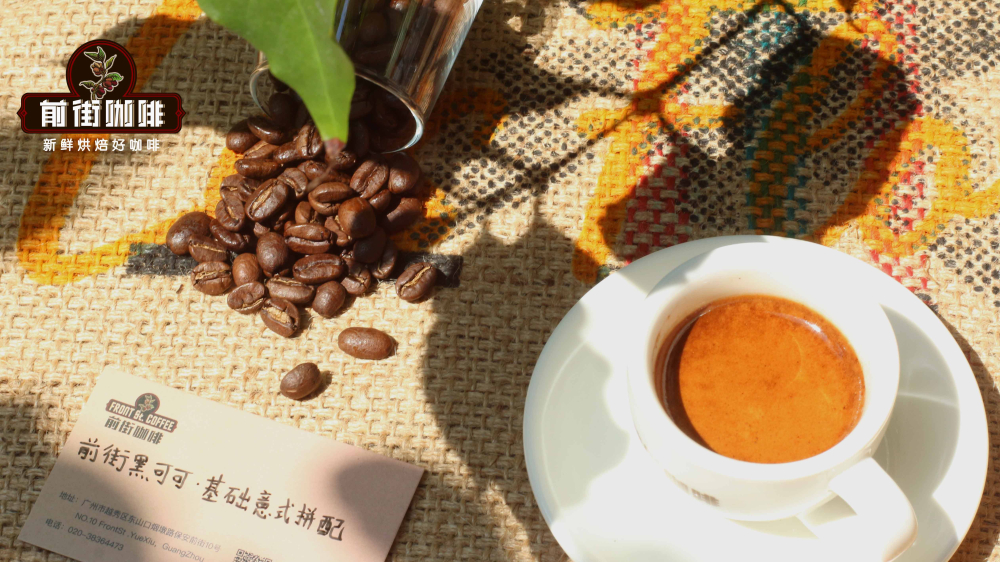
◆ Hardware equipment
Abundant espresso crema is the product of high temperature and high pressure. Some fully automatic or home-level equipment has pressure systems that are not stable enough to properly emulsify oils and carbon dioxide, and the "crema" they produce is far removed from normal crema in both mouthfeel and flavor.
The above content is compiled by CoffeeHunters, a coffee news website.


