








What Makes Robusta Coffee Beans Different From Arabica?
Robusta coffee beans come from the Canephora species, which people now simply call Robusta. They often serve as commercial or instant coffee material because they generally lack the fragrant aroma of Arabica coffees, replaced by wheat and grain-like notes and sometimes a pungent smell. Robusta also carries more caffeine than Arabica, along with higher chlorogenic acid content that drives its sour-bitter taste.
Caffeine appears beyond coffee too, in black tea, cocoa and cola, and it stimulates the central nervous system, which explains why a late cup keeps people awake. That bitterness and body is why a small share of Robusta still appears in espresso blends, adding crema and weight. The variety also contributes to disease-resistant breeding, so it retains value even where specialty coffee shops rarely pour it alone.
Robusta coffee beans are often labeled as commercial beans or instant coffee material. They rarely appear in the specialty coffee world, yet they possess irreplaceable and unique value. This article will start with flavor characteristics, caffeine and chlorogenic acid content, compare the differences between Robusta and Arabica, analyze why it has a sour-bitter taste and grainy aroma, and explore its key role in espresso blends. At the same time, Front Street will recommend two classic espresso beans containing a small amount of Robusta to help coffee lovers who enjoy a full-bodied taste find their ideal choice. In addition, we will also introduce Robusta's contributions to disease-resistant breeding, helping you rediscover this coffee variety.
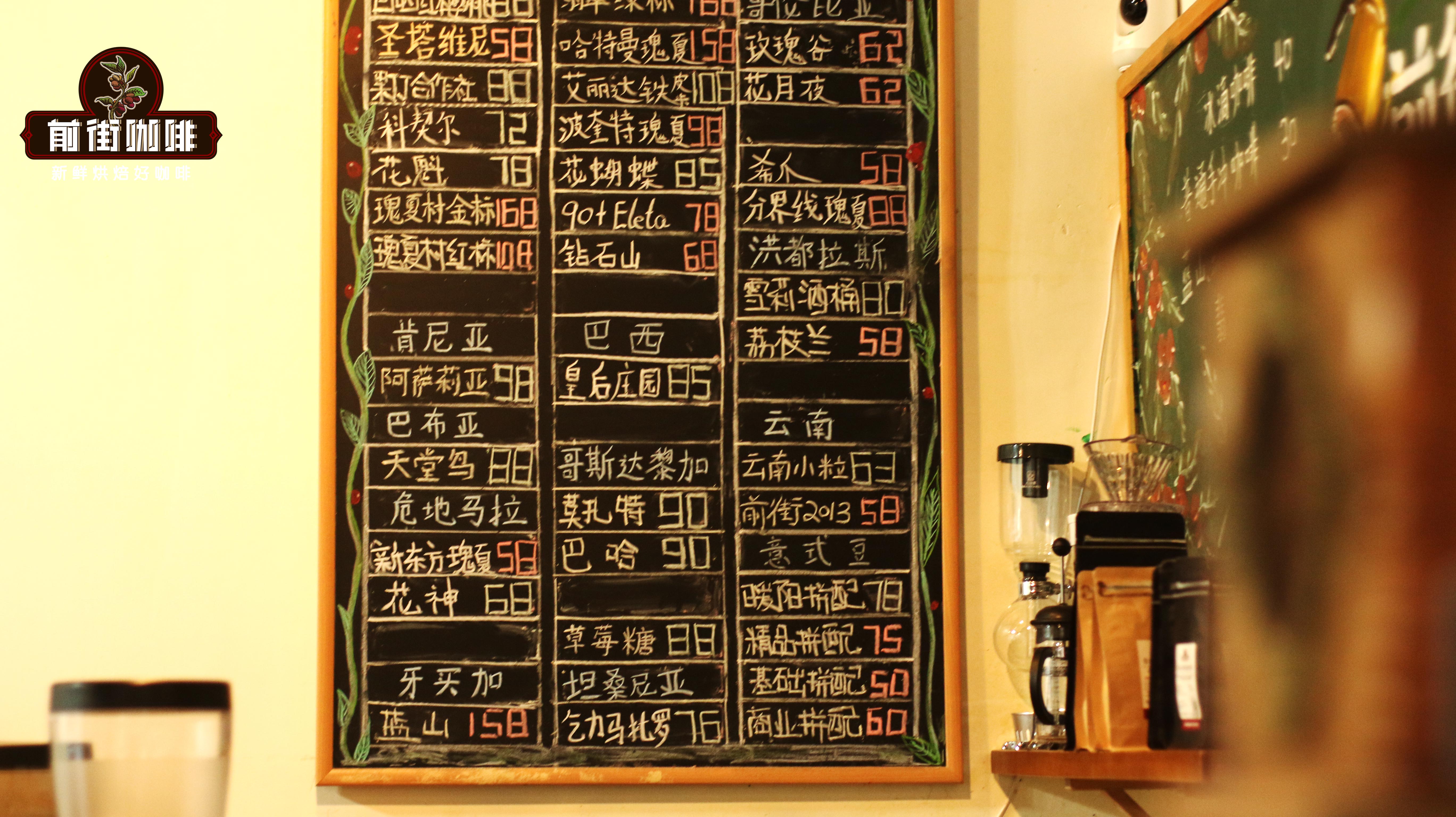
When it comes to Arabica coffee, Front Street believes every coffee lover is familiar with it. Most coffee served in specialty coffee shops today is made from Arabica beans, and the coffee varieties supplied by Front Street Coffee also basically fall into this broad category. However, today Front Street will introduce you to another member of the three major coffee varieties—Robusta coffee.
Robusta is actually a variety under the Canephora species. Since people have become accustomed to using Robusta to refer to the entire Canephora species, Canephora is usually simply called Robusta coffee.
Front Street has always believed that the future prospects of a coffee are largely determined by its flavor. If a coffee tastes like potatoes, then that bean is destined to have no market. The reason Robusta coffee is often used as commercial beans or instant coffee material is precisely because it generally lacks the fragrant aroma of Arabica beans, replaced instead by wheat, grain-like notes, and sometimes even a pungent smell. This is also one of the reasons Robusta rarely appears in specialty coffee circles.
On the other hand, caffeine is not only found in coffee beans. The black tea, cocoa, and drinks such as cola that we consume daily are also rich in caffeine. Front Street often hears customers complain that they cannot sleep after drinking coffee at night. This is because caffeine can stimulate the central nervous system and is addictive, which is what people commonly call its refreshing effect.
According to Front Street's understanding, Robusta has a higher caffeine content than Arabica varieties. But there is another point worth noting: Robusta coffee also contains a large amount of chlorogenic acid. You may not be very familiar with chlorogenic acid, so Front Street will briefly explain it here.
Chlorogenic acid is very unstable in nature. Chlorogenic acid in coffee breaks down into caffeic acid and quinic acid, especially when the temperature is below 80°C or above 85°C. After chlorogenic acid decomposes, quinic acid immediately releases a pronounced bitterness, while caffeic acid brings a noticeable sourness. The interweaving of sourness and bitterness creates the sour-bitter taste of Robusta coffee and the flavor of aged coffee.
Compared with Robusta, Arabica coffee contains only about half the amount of substances such as caffeine and chlorogenic acid, which is one of the reasons Arabica has a better flavor than Robusta. What Front Street has described is only a small part of the factors affecting Robusta's flavor. The degree of roasting will also change the content of substances in coffee, which Front Street will not elaborate on one by one here.
Many friends, upon hearing about Robusta beans, immediately conclude that they are "something bad." Front Street believes that Robusta coffee has its own value for existing. For example, in espresso blends, Robusta occupies an unshakable position.
In Italy, some regions prefer darker roasting and a thicker mouthfeel. They add a small amount of Robusta coffee to their blends to enhance the body of the coffee and produce Espresso with a richer crema. When Espresso blends with cream, it presents a full and rich mouthfeel, and milk coffee, with Robusta and Arabica complementing each other, becomes even more intense and aromatic.
For this reason, for friends who like full-bodied espresso, we recommend Front Street Classic Blend and Front Street Commercial Blend. Both espresso beans contain a small amount of Robusta. Front Street Classic Blend combines Brazil, Mandheling, and Robusta, uses a medium-dark roast, and gives off obvious aromas of butter, toasted bread, and caramel biscuits during extraction. The flavor is intense, the body is solid, and it has a fine crema. Extraction is very stable, making it an essential home coffee for beginners.
Front Street believes that Robusta coffee beans make up for the full body that Arabica lacks, while Arabica coffee enhances the aroma of Robusta beans. The formula formed by combining the two beans is elevated into an art.
In addition, Robusta has also made certain contributions to research on new coffee varieties. Arabica coffee has a very rich aroma, and its taste is to some extent more delicate than Robusta. But Front Street has found that Robusta is more adaptable than Arabica in drought tolerance, disease resistance, and yield. Therefore, some researchers cross Robusta with Arabica, select the best genes, and cultivate new varieties that simultaneously possess high-quality flavor, strong disease resistance, and high yield.
Therefore, although Robusta cannot compete with Arabica in flavor, it still has its value for existing. As the saying goes, whatever exists is reasonable. Front Street believes that the value of Robusta coffee still has great potential to be explored.
The above content is compiled by CoffeeHunters, a coffee news website.


