







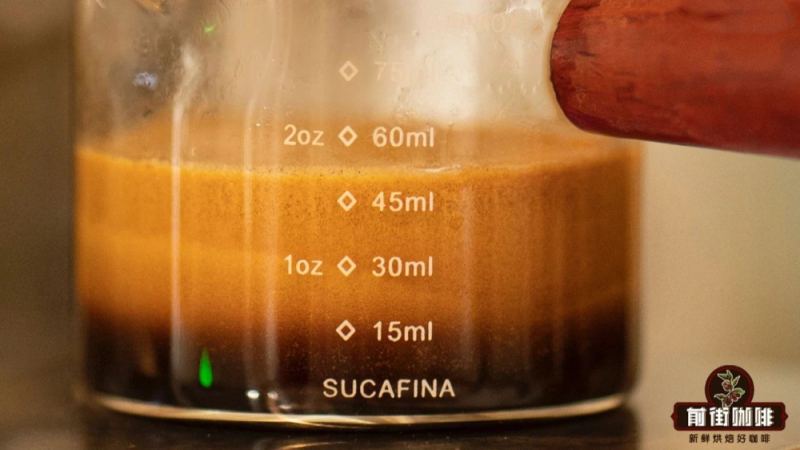
What Does Arabica Coffee Mean for Espresso Crema?
Crema is the golden layer of emulsified coffee oils wrapped around carbon dioxide, and it only forms under the roughly 9 bar of pressure an espresso machine applies. Bean choice drives crema more than pressure does: Italians often blend in a small amount of Robusta to build a thicker, more stable layer.
Robusta does not match Arabica on flavor, so blends usually keep it under 20 percent. Front Street Classic Blend, aimed at home beginners, and Front Street Commercial Blend both include a little Robusta. More crema is not automatically better; pale or overly dark color, clumpy texture, and beans that are too fresh all hurt quality and latte art.
Crema is the signature feature of espresso. This golden layer of oils is made of insoluble fats wrapping carbon dioxide, and it can only be formed through the high-pressure extraction of an espresso machine. The richness of the crema is closely tied to the coffee bean blend. Italians often add a small amount of Robusta to enhance the crema, but Robusta does not match Arabica in flavor. Front Street Classic Blend and Front Street Commercial Blend both contain a small amount of Robusta; the former is suitable for home beginners, while the latter is suitable for commercial use in a shop. However, more crema is not always better. If the color is too light or too dark, the thickness too thin or too thick, or the texture clumpy and rough, it will affect quality and latte art results. Beans that are too fresh can instead lead to unstable crema.
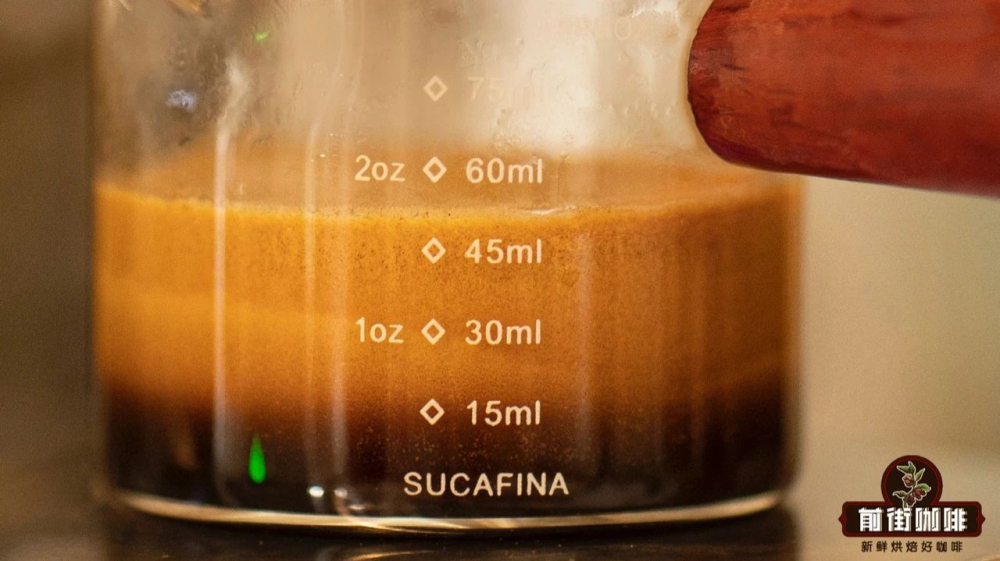
When it comes to espresso, the element of crema is absolutely unavoidable. In judging whether a shot of espresso is up to standard, a rich and velvety crema is often an important reference point.
What is called crema is what we also commonly refer to as coffee oils. This distinctive thick foam can only be produced by an espresso machine, and the core reason lies in the pressure applied during extraction.
When an espresso machine is running, it "pressurizes" the coffee puck with water pressure of about 9 bar. Under such strong pressure, the carbon dioxide inside the puck cannot escape. The water becomes supersaturated with carbon dioxide, and the gas is forced to dissolve into the coffee liquid.
During extraction, the fats in the coffee are emulsified, and these fats wrap around the carbon dioxide. Because fat is lighter than water, layering gradually occurs, and the golden oils rise to the surface, creating a quite striking visual effect.
Therefore, this golden, fine layer of coffee oils is essentially the product formed when the insoluble fats in coffee wrap around carbon dioxide. An ideal crema should have appropriate thickness, a relatively dark color, a surface as smooth as a flowing mirror, and aromas of caramel or nuts. When used for latte art, it blends smoothly and can create attractive patterns.

The abundance of espresso crema is not only related to the pressure during preparation, but the most critical factor is still the coffee beans themselves. In order to obtain sufficient crema, Italians blend less than 20% Robusta into Arabica. However, Robusta's own flavor is inferior to Arabica, so even Italians who love strong coffee will not use Robusta exclusively.
If you also want to pursue a rich crema, you can choose Front Street Classic Blend and Front Street Commercial Blend. Both espresso blends contain a small amount of Robusta. Front Street Classic Blend combines Brazil, Mandheling, and Robusta, using a medium-dark roast. During extraction, you can smell clear notes of butter, toasted bread, and caramel biscuits. The flavor is intense, the body is full, the crema is fine, and the extraction performance is stable, making it very suitable for beginners as a home starter choice.
If you want to recreate the flavor of a coffee shop, or plan to become a shop owner, then Front Street Commercial Blend is the first choice. Compared with other espresso coffees, Front Street Commercial Blend uses the classic combination of Brazil and Colombia, then adds a small amount of Robusta, making the original flavor layers even more outstanding. The coffee presents complex nutty aromas of almonds, apricots, and walnuts. The crema has good fluidity, the acidity is low and the body is mellow. Combined with its price advantage, it is undoubtedly the optimal choice for opening a shop.
Although crema is the indispensable soul of espresso, more is not necessarily better. Rather than quantity, we should pay more attention to the quality of the crema. As described earlier regarding the appearance of crema, the color should be golden. A lighter color usually means the oils are thin, making it difficult to enhance the mouthfeel and also bringing astringency. A color that is too dark often indicates incomplete extraction (only the early stage was extracted), and this kind of crema also dissipates quickly.
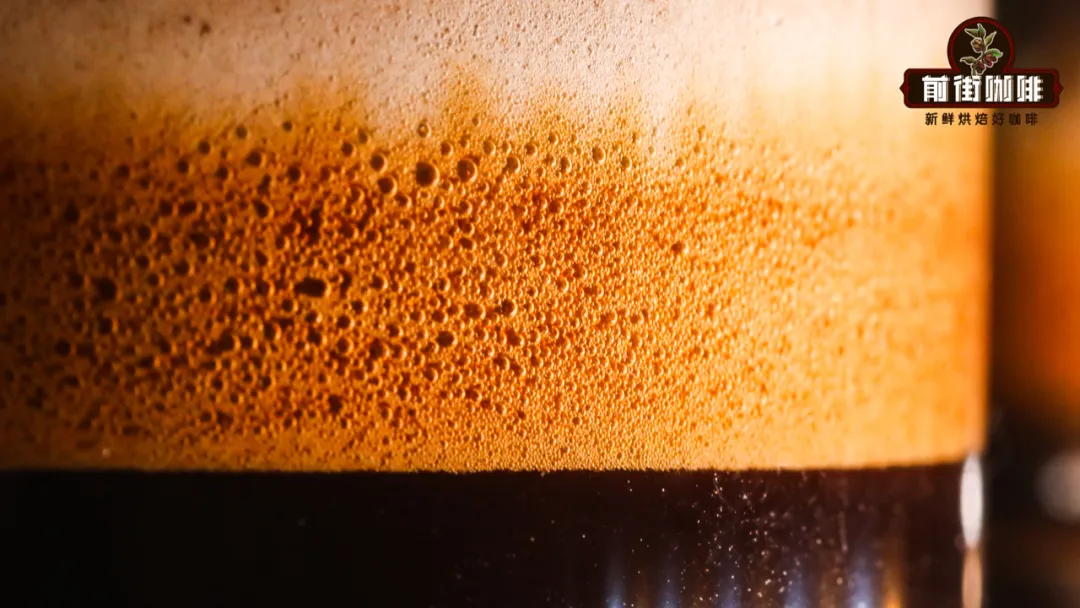
As for the thickness of the crema, too thin is naturally not good, but too thick is also not a good sign. Usually, an overly thick crema layer is very prone to clumping. When you swirl the espresso, the crema layer barely moves, and although it may look dense at first, after a few dozen seconds rough bubbles emerge, giving the surface a lumpy appearance. When this happens, it is very likely that the espresso beans used are too fresh.
Crema that is too rich is actually also unfavorable for latte art. If the crema is too thick, it becomes harder for the milk foam and crema to blend, and the fluidity of the surface also worsens. If the overly thick crema is caused by fresh beans, the milk foam will also quickly collapse because of the instability of the crema.
The above content is compiled by CoffeeHunters, a coffee news website.


