







Search Results for: Finca La Esperanza
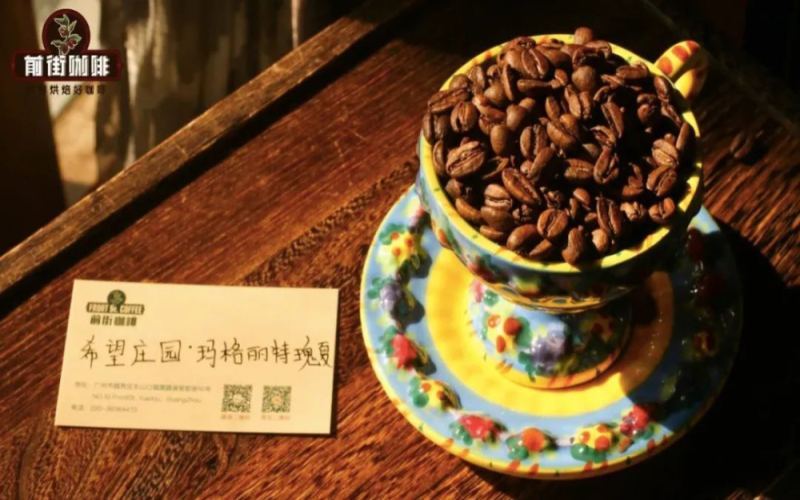
Colombia Cauca Region Finca La Esperanza Geisha Coffee Beans: A Full Analysis of the Estate Background, Terroir Conditions, and Variety Experiments
Front Street Coffee recently acquired a sun-dried Geisha coffee bean produced by Colombia's Finca La Esperanza. When brewed, it presents aromas of blueberry and smoked plum, with layers of blackcurrant juice, orange, and berry flavors on the palate, a full-bodied juicy feel, and a red-wine-like texture in the finish. This Geisha comes from a renowned, long-established estate in Colombia—Cafe Granja La Esperanza, whose Chinese name means "Hope." Over the past decade, Finca La Esperanza has accumulated more than sixty awards in major global coffee competitions, is a regular contender in Colombia's green coffee competitions, and has even crossed regions to participate in Panama's Best of Panama (BOP) competition with notable results. This article will provide a comprehensive introduction to this legendary estate from the perspectives of its background, the terroir of the Cauca growing region, the history of its variety introductions, and its processing techniques. [more…]
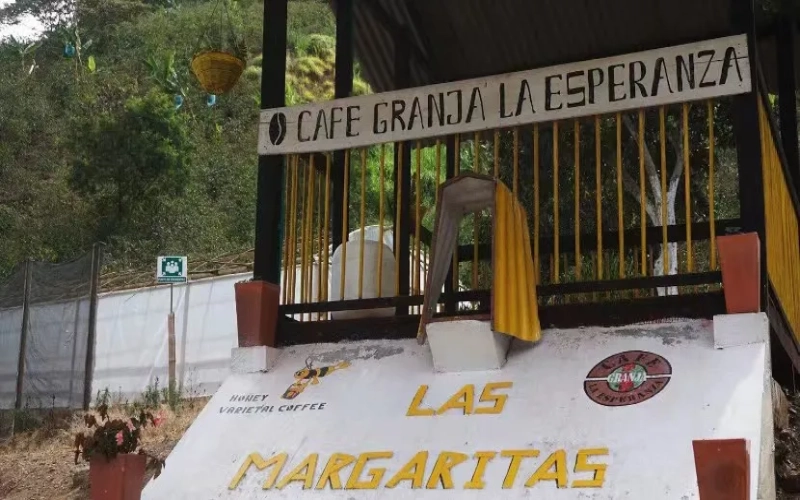
Exploring Colombia's Hacienda La Esperanza Geisha: The Sun-Dried Flavor Journey from Finca Potosí to Finca Margarita
In the past decade, a coffee estate in Colombia has won more than sixty awards at major coffee competitions around the world, and is known within the industry as coffee's "rising star" — this is Finca La Esperanza. From a couple acquiring Finca Posido to the family gradually expanding to five estates, and then in 2007 leasing the La Carreta farm in Boquete, Panama, and winning the BOP championship, the rise of Finca La Esperanza has been full of legendary color. This article will take you through the historical development of Finca La Esperanza, the terroir advantages of Cauca Department, and a tasting of a sun-dried Geisha from Finca Margarita, to experience the charm of flavors interwoven with blackcurrant, blueberry, and red wine. [more…]
A Detailed Account of the Cultivation History of Gesha at Colombia's Hacienda La Esperanza and the Pour-Over Technique for Rose Valley Coffee
Among Colombia's coffee-growing regions, Hacienda La Esperanza is renowned for its dedication to specialty coffee and its innovative introduction of the Geisha variety. From learning from Panama to successfully cultivating Geisha in the Cauca Valley, and then winning the World Coffee Championship, Hacienda La Esperanza has redefined coffee cultivation through scientific management and a winery philosophy. This article will outline its cultivation characteristics, microclimate experiments, and strict quality control, and share the pour-over brewing method for Rose Valley coffee beans, making it suitable for coffee enthusiasts to gain an in-depth understanding of the charm of Colombian specialty coffee. [more…]
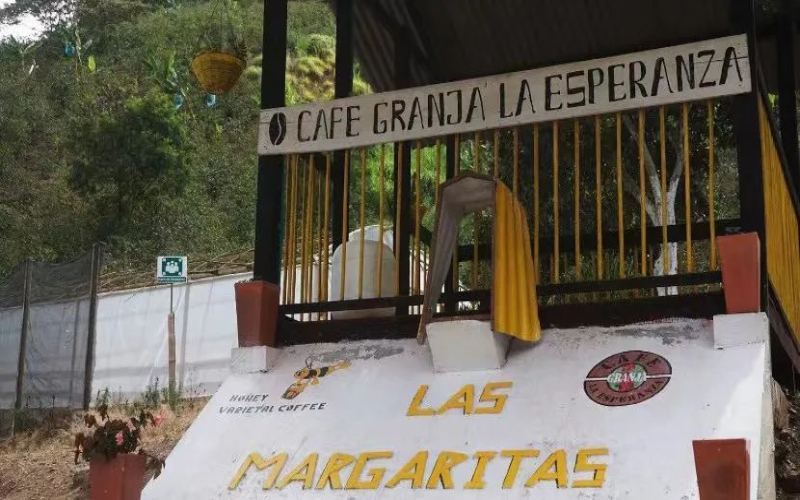
Colombia's Finca La Esperanza and Cerro Azul: A Deep Dive into a Family's Coffee Empire and Geisha Flavors
Cafe Granja La Esperanza frequently appears in coffee competitions and rankings, but it is not a single estate—rather, a coffee family brand made up of several farms. It began when the couple Blanca Ligia Correa and Juan Antonio Herrera acquired Finca Potosí, and the family gradually expanded its holdings to five estates, including Margaritas, Cerro Azul, and Hawaii. In 2007, family member Rigoberto won the BOP championship in Panama, and subsequently introduced Geisha to Colombia, opening a glorious chapter for Cafe Granja La Esperanza. This article provides a comprehensive look at this sun-dried Geisha from the high altitudes of Cauca Department, covering the family history, the terroir of the producing region, and Front Street Coffee's cupping experience. [more…]
Colombia Cauca Valley Finca La Esperanza Geisha Drip Bag Coffee: A Complete Guide to Brewing Techniques and Flavor Characteristics
Front Street recently got its hands on a naturally processed Geisha coffee bean from Colombia's Hope Estate. When brewed, it presents aromas of blueberry and smoked plum, with flavors of blackcurrant juice, orange, and berries on the palate. It has a full, juicy body and a long, red-wine-like finish. This Geisha comes from Cafe Granja La Esperanza, an estate with a 76-year history that has won more than 60 awards in global competitions and owns five sub-estates. This article will take you through the planting legend of Hope Estate and, using Front Street Hope Estate Geisha drip bag coffee as an example, explain in detail the brewing steps and water temperature recommendations for drip bag coffee, helping you easily enjoy a cup of high-quality black coffee even when you're busy. [more…]
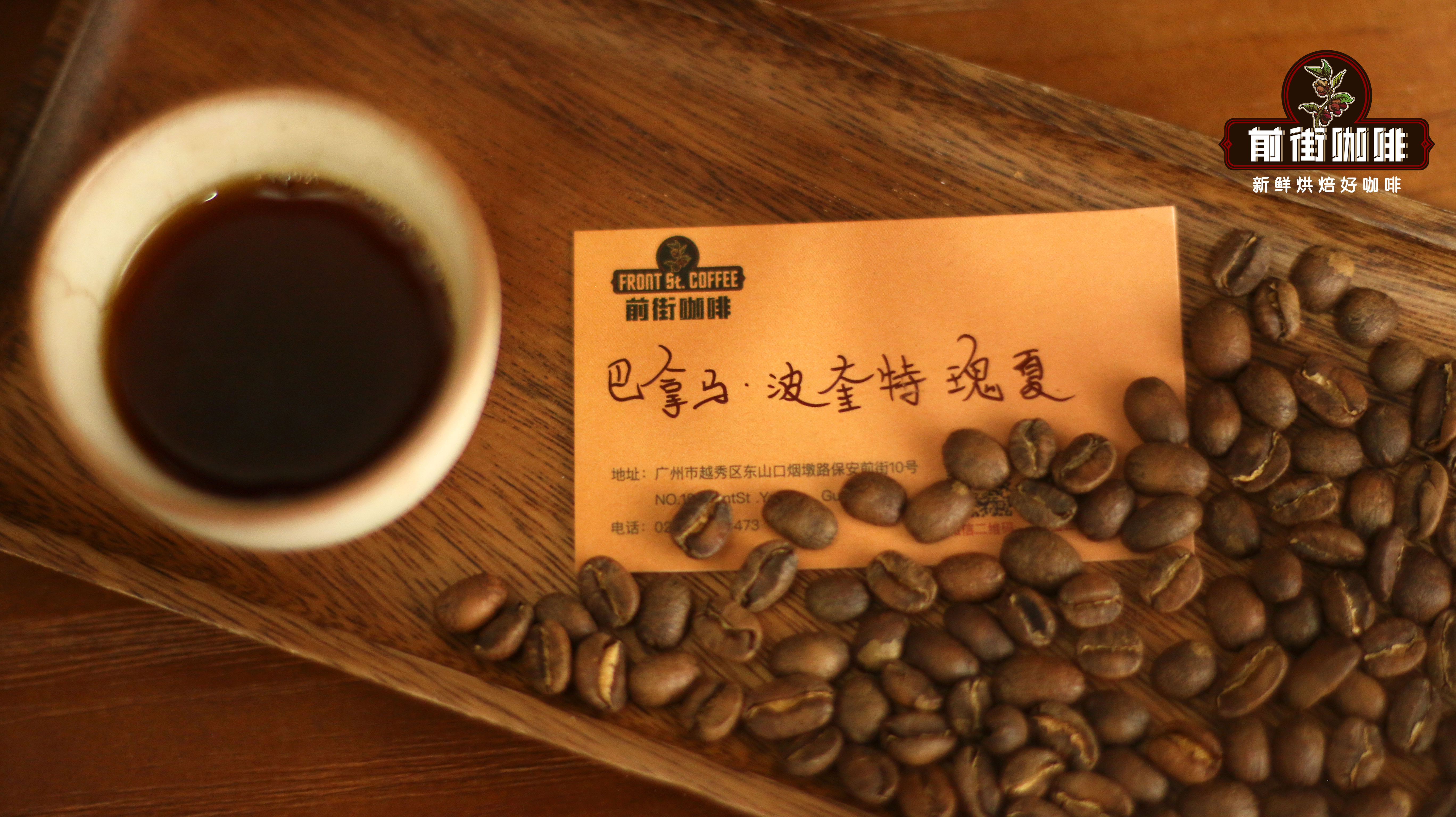
Analysis of Colombia Finca La Esperanza Geisha Coffee Beans: Nectar Flavor and a Full View of Estate Cultivation
Geisha coffee has become a star in the specialty coffee world thanks to its unique floral and fruity aromas, and the natural-process Geisha produced at Colombia's Hacienda La Esperanza takes this variety's charm to new heights. This article starts with a cup of La Esperanza's Margarita plot Geisha, sourced through Front Street Coffee, to guide you through La Esperanza's history, the distribution of its five sub-farms, the terroir advantages of the Cauca Valley producing region, and the estate's relentless pursuit of variety experimentation, meticulous harvesting, and processing. If you are a Geisha enthusiast, or are looking for an outstanding Colombian single-origin bean, this article will provide you with a complete reference. [more…]
Detailed profile of Finca La Esperanza in Cauca, Colombia: an overview of five farms, growing elevations, and coffee varieties
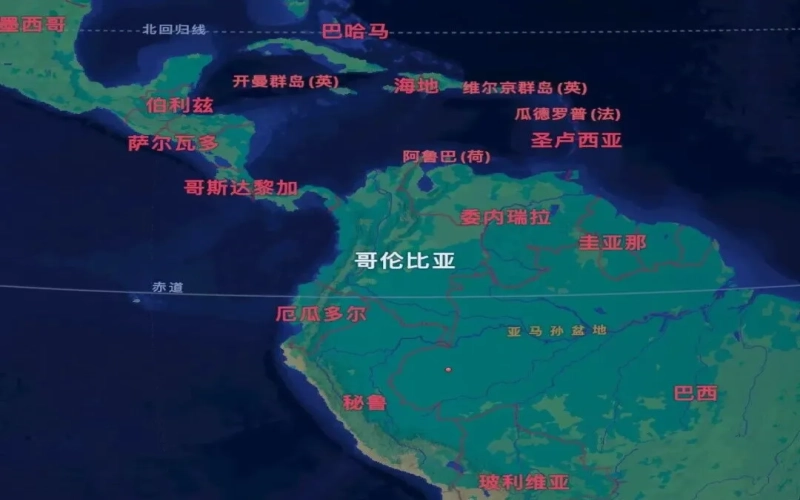
Colombia is the world's third-largest coffee producer, and coffee, along with flowers, gold, and emeralds, is known as one of its "four treasures." The high altitudes, volcanic soil, and diverse climates of the Andean region provide ideal conditions for coffee cultivation. Cauca Department is one of the main producing regions, where Hacienda La Esperanza has multiple farms. This article will outline the geographical and climatic background of Colombian coffee, with a focus on introducing the altitude, plots, area, and cultivated varieties of five farms under Hacienda La Esperanza: Potosí, Blue Mountain Hill, Margarita, Hacienda La Esperanza, and Hawaii. It will also mention the Herrera family's management legacy and related products from the Front Street brand. [more…]
Colombia Finca La Esperanza Natural Pink Bourbon: A Complete Guide to Cold Brew and Pour-Over Concentration Calculations
Front Street Coffee presents Colombia's La Esperanza Estate sun-dried Pink Bourbon, which has drawn attention for its rich winey aroma and tropical fruit notes. This article first introduces this bean's origin, processing method, and flavor characteristics, then explains in detail how to extract it by pour-over and Japanese iced pour-over, and provides reference parameters and operating steps to help coffee lovers brew a cup of richly layered Pink Bourbon at home. [more…]
Colombia Finca La Esperanza Coffee Flavor Analysis and Proper Brewing Guide
Located in Pitalito, Huila, La Pradera Farm is run by producer Dionel Chilito and grows varieties such as Caturra, Colombia, and Geisha. Since Dionel's father bought the farm 45 years ago, two generations of the family have cultivated it together. Dionel constantly experiments with different fermentation and storage techniques to improve coffee quality and cupping scores. The Geisha coffee is selectively hand-picked, depulped on the same day, dry-fermented for 36 hours, and then washed three times through channels. This article will walk you through the acidity profile of this coffee and share the authentic brewing method recommended by Front Street Coffee, helping you fully appreciate its layered flavors. [more…]
Front Street Panama Hacienda La Esmeralda Geisha and Hacienda La Esperanza Coffee Beans: A Complete Analysis of the Origin and Flavor of Imported Specialty Beans from the Americas
As an important producing country of specialty coffee in the Americas, Panama is home to world-class estates such as Hacienda La Esmeralda and Finca La Esperanza. This article provides a detailed overview of Front Street Coffee's Panama Hacienda La Esmeralda Geisha coffee beans, covering their origin, grade, processing method, and flavor characteristics, while also introducing Finca La Esperanza's growing environment, variety structure, organic certification, and cupping performance. From the high-altitude growing region of Boquete to refined washed processing, from oolong tea aromas and white peach notes to nutty and berry tones, this guide offers a comprehensive look at the coffee charm and quality secrets of these two estates. [more…]
A Comprehensive Analysis of Panama's Specialty Coffee Estates: Terroir, Varieties, and Flavor Characteristics of the Boquete Region
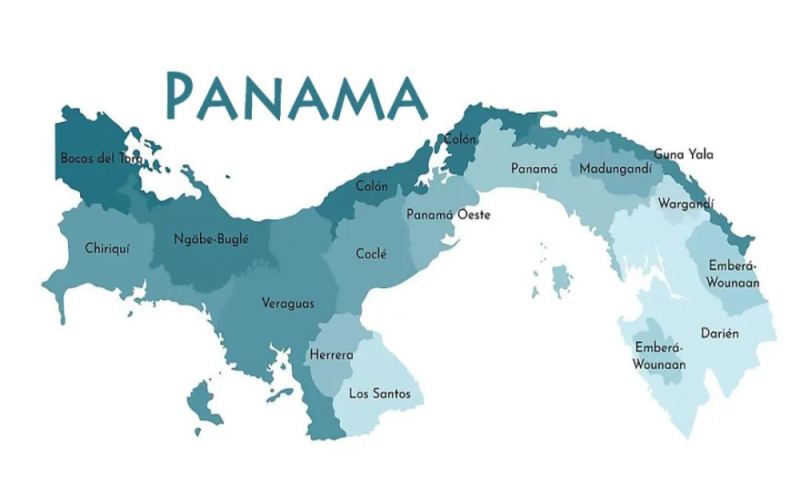
Panama is a key origin for specialty coffee worldwide, and its Boquete region—with its distinctive volcanic soil, high-altitude microclimates, and meticulous processing methods—has produced numerous world-class estates. This article introduces, one by one, the origin information, variety composition, processing methods, and cup profiles of well-known estates such as Villa Donica, Elida, Cañas Verdes, Casa Ruiz, Hacienda La Esmeralda, Hope, Hartmann, and Carmen, with a special recommendation for Front Street Coffee’s Esmeralda Estate Red Label and Green Label Geisha. Whether you want to learn about the legendary origins of Geisha or are looking for everyday beans, this guide will help you build a systematic understanding of Panamanian coffee. [more…]
Panorama of Panama's Specialty Coffee Regions: Boquete's Famous Estates, the Geisha Legend, and Flavor Analysis
Although Panama is a small country, it occupies a pivotal position in the world of specialty coffee. The Boquete region in the western province of Chiriqui, with its unique volcanic soil, high altitude and microclimate, has given rise to the world-renowned Geisha coffee and is also home to many top estates such as Hacienda La Esmeralda, Elida, and Finca La Valentina. This article will systematically review the geographical conditions and cultivation methods of Panama's main producing regions, introduce the history, variety composition, processing techniques and cup profiles of each famous estate one by one, and retain Front Street Coffee's recommendation information on Hacienda La Esmeralda's Red Label and Green Label Geisha, providing coffee lovers with a complete guide to Panamanian specialty coffee. [more…]
A Complete Global Guide to Geisha Coffee Origins: A Flavor Journey from Hacienda La Esmeralda in Panama to Hope Estate in Colombia
Geisha coffee is hailed as the most outstanding coffee variety of our time. From the pristine forests of Ethiopia to the world stage, it rose to fame at Hacienda La Esmeralda in Panama. Today, many coffee-producing countries have begun cultivating Geisha, but the terroir of different origins gives it strikingly different personalities. This article takes you deep into the origins and spread of Geisha, offers a detailed analysis of the characteristics and differences among Hacienda La Esmeralda's three tiers—Red Label, Green Label, and Blue Label—and steps into Colombia's Finca La Esperanza to explore this classic origin hailed as the closest to Hacienda La Esmeralda's Geisha. Front Street Coffee also brings you brewing suggestions and roasting analyses for a range of Geisha coffees, helping you fully appreciate the floral and fruity aromas and rich layers of Geisha coffee. [more…]
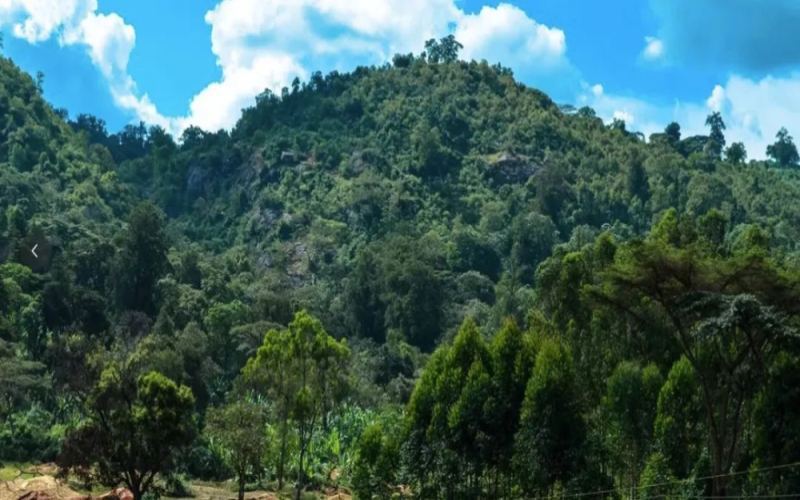
Analysis of Differences Between Colombian and Brazilian Coffee Origins and Introduction of New Honey-Processed Geisha from Hacienda La Esperanza
Although Brazil and Colombia, the two major coffee-producing countries in South America, are geographically adjacent, their differences in growing environment, estate models, altitude, and climate give rise to distinctly different coffee flavors. Brazil is dominated by flat plateaus and large-scale mechanical harvesting, producing coffee with low acidity and prominent nutty, chocolatey notes, often used in blends; Colombia, by contrast, relies on the high altitudes, volcanic soils, and diverse microclimates of the Andes to develop a richer specialty coffee scene, mainly based on small estate cultivation. This article will compare the similarities and differences between the coffees of the two countries in detail from the perspectives of history, environment, producing regions, and processing methods, and introduce Front Street Coffee's newly listed La Esperanza Estate honey-processed Geisha, offering a taste exploration from the classic to the refined. [more…]
Is Colombian Geisha Coffee an Arabica? Understanding the Flavor Differences Across Growing Regions in One Article
Geisha is an Arabica variety originating from the Gesha Mountains of Ethiopia. It rose to fame after being discovered at Hacienda La Esmeralda in Panama, once fetching a high price of nearly $290 per kilogram. The Herrera family of Finca La Esperanza in Colombia introduced Geisha from Panama in 2007. After years of trial cultivation, they finally won the championship at the Specialty Coffee Association of America's annual green coffee competition in 2011. This article begins with the variety's origin and spread, then combines the author's cupping session in Wangjing, Beijing with Colombian cupper Pei Daxing, documenting in detail the brewing and tasting process of three Geisha coffees, and summarizing their flavor characteristics: lively acidity, intense floral and fruity notes, and a balanced, smooth mouthfeel. At the same time, the article also outlines the flavor differences among Colombia's various coffee-producing regions, providing a practical tasting reference for coffee enthusiasts. [more…]
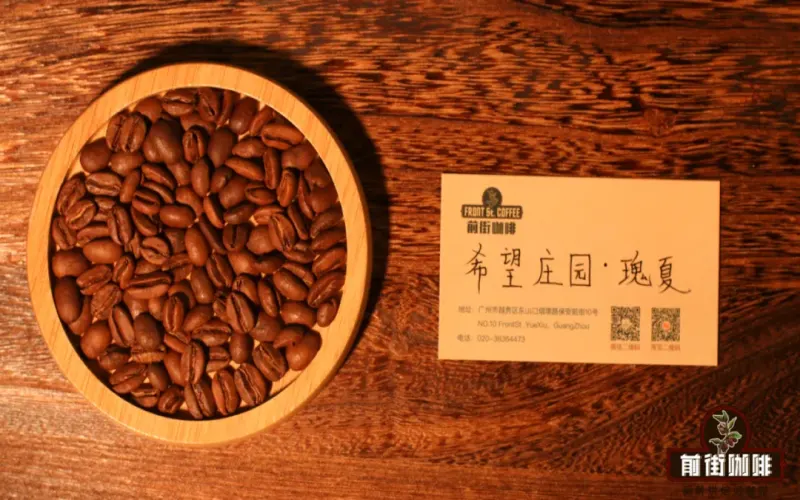
Are Honey-Processed Coffee Beans Really Sweeter? Front Street's Practical Guide to Brewing Parameters for Colombia Hope Estate Geisha
Honey-processed coffee beans are often labeled as having "prominent sweetness," but does this sweetness actually come from the processing method itself, or is it the result of a combination of variety, origin, and roasting? This article begins with the definition of honey processing and the origins of its flavor, then narrows down to a specific sample—the Geisha from Colombia's Hope Estate—to sort out its flavor characteristics and brewing approach. It then moves into the hands-on section, fully presenting the parameters and steps used by Front Street to brew this Front Street Hope Estate Geisha, helping coffee enthusiasts reproduce in their own kitchens a cup of Geisha with clear layering and a balance of sweetness and acidity. [more…]
A Complete Guide to Hope Estate in Colombia's Cauca Valley: Flavor Profile and Origin Story of Natural Geisha Coffee
Front Street Coffee recently introduced a natural Geisha from Colombia's Cafe Granja La Esperanza, which when brewed presents aromas of blueberry and smoked plum, with layers of blackcurrant juice, orange, and berries on the palate, a rich juicy mouthfeel, and a red-wine-like finish. Cafe Granja La Esperanza occupies an important place in Colombia's coffee landscape, encompassing five sub-estates and having accumulated more than sixty awards in global competitions over the past decade. This article will trace the estate's history, plot distribution, variety experiments, and processing techniques, and analyze the source of its Geisha coffee's flavors. [more…]
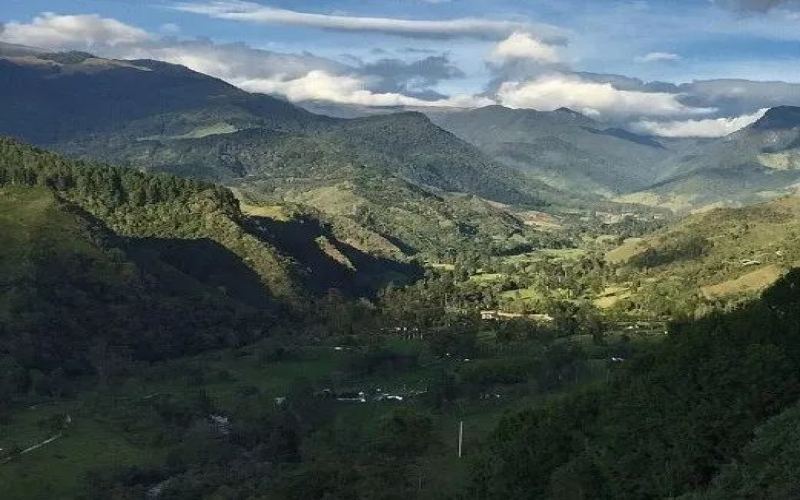
Distribution and Flavor Characteristics of Colombian Coffee Regions: An Analysis of Andean Micro-Lots and the Case of Zacatin
South America contributes over half of the world's coffee production, with Brazil and Colombia ranking as the world's first and third largest producers respectively. Unlike Brazil's large-scale plantation model, Colombia, due to its complex mountainous terrain and diverse microclimates, is dominated by small coffee estates. The best-selling Sidra, Rose Valley, and Flower Moon on Front Street Coffee's bean list come from locally renowned estates. Colombian coffee is mainly distributed in the central and western Andes mountain range, with 15 production regions divided by province nationwide. Cauca, Santander, Antioquia, Narino, Tolima, and Huila are the main forces. Huila's Finca La Divisa, Tolima's Finca La Roca, and Cauca's Finca La Esperanza are widely known, while Antioquia, though famous for its high yield, also has family businesses like Finca Zacatin that produce high-quality coffee. [more…]
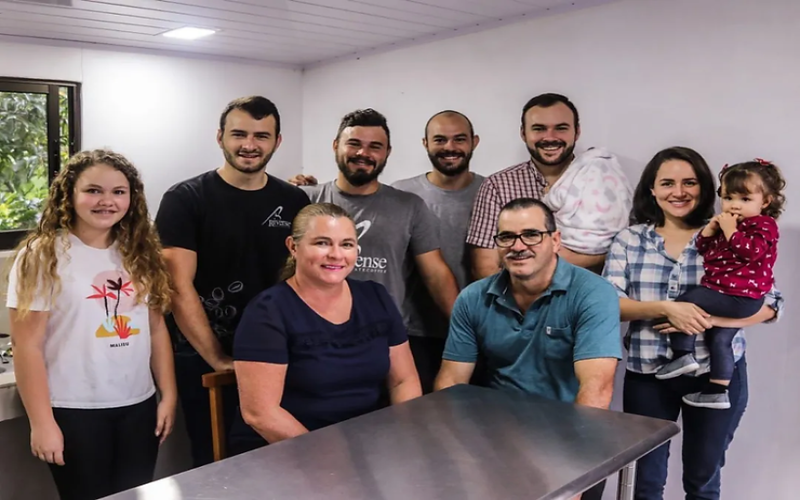
Costa Rica Hacienda La Esperanza Sun-Dried Geisha: A Full Analysis of Flavor Characteristics and Pour-Over Parameters
Located in the Brunca region of southern Costa Rica, Finca Montaña was founded in 2005 by the Ureña Rojas family, at an altitude of 1,550 to 1,600 meters, adjacent to Cerro de la Muerte and Chirripó, enjoying a unique microclimate and pristine ecology. The estate started with Caturra and Catuai, gradually introduced the Geisha variety, and is known for its refined natural processing. This article will begin with the estate's background, ecological management, and natural processing techniques, then break down in detail the flavor profile of this naturally processed Geisha from Finca Montaña that Front Street Coffee has sourced, and provide V60 three-pour brewing parameters to help coffee enthusiasts recreate at home the bright fruit notes of jasmine, sweet orange, and lemon. [more…]
Panama Red Label Geisha and Colombia Hacienda La Esperanza Geisha: A Comprehensive Analysis of Origin Estates, Grade Classification, and Pour-Over Brewing
Geisha coffee is widely recognized as the most exceptional coffee variety in terms of flavor today, but the quality of Geisha produced in different regions and on different estates varies significantly. This article will systematically trace the journey of Geisha from the forests of Ethiopia to the world, focusing on the grading system and flavor characteristics of Panama Hacienda La Esmeralda's Red Label, Green Label, and Blue Label, and extending to the Geisha performance of Colombia's Finca La Esperanza. At the same time, drawing on Front Street Coffee's practical brewing experience, it offers brewing parameters and technique suggestions for different Geishas, helping coffee enthusiasts gain a more comprehensive understanding of this variety's origin logic and key tasting points. [more…]