







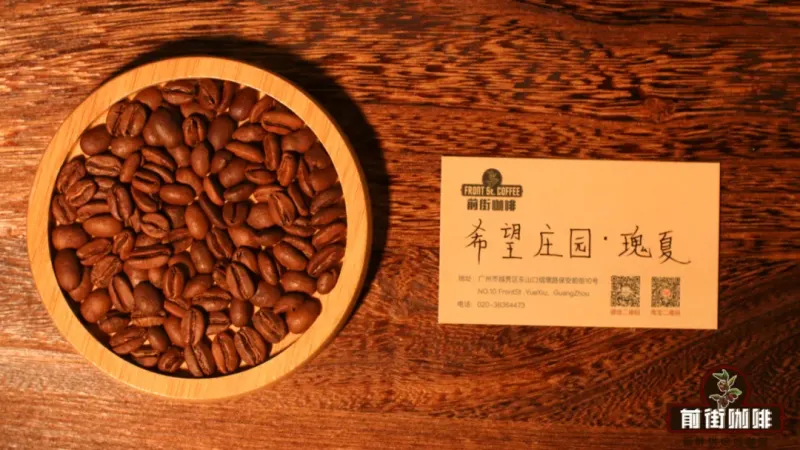
Does the Geisha Coffee Variety Get Its Sweetness From Honey Processing?
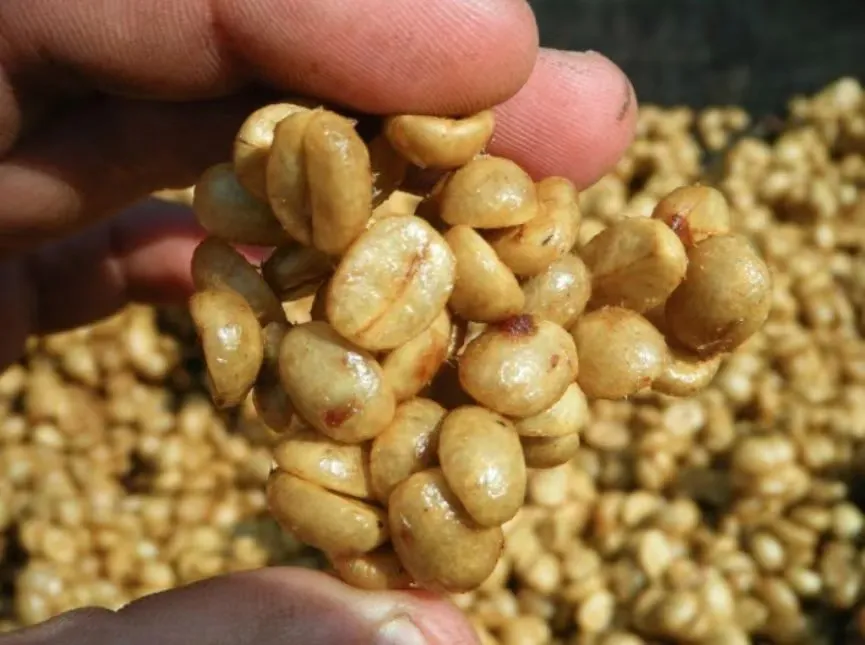
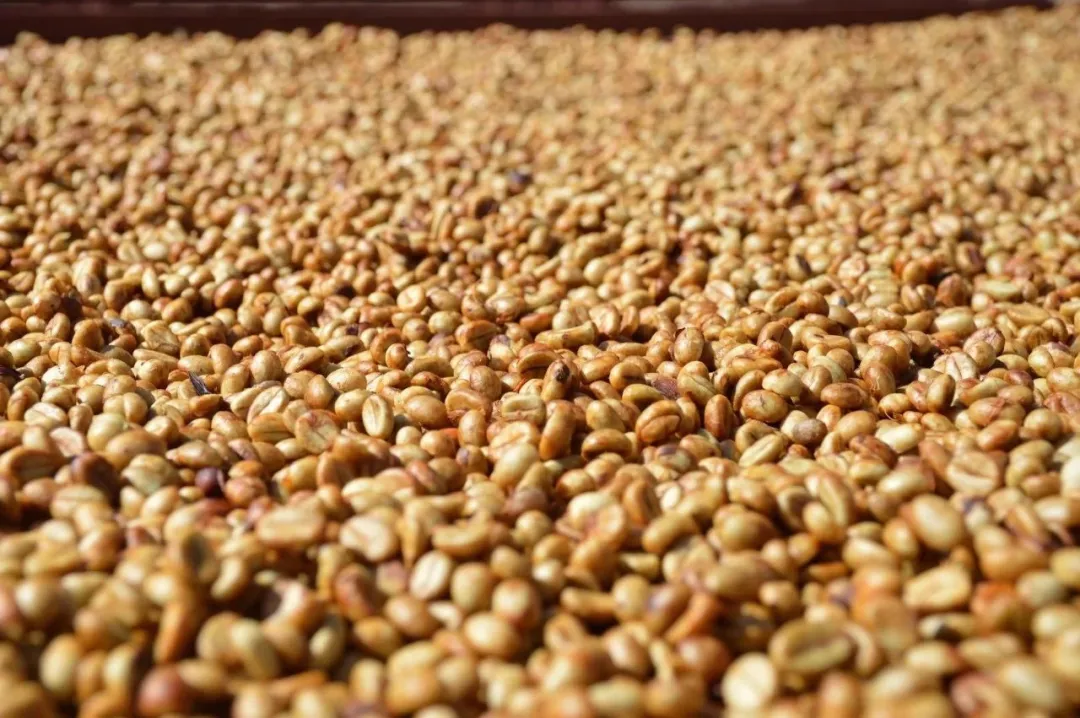
Honey-processed coffee beans are commonly described as carrying prominent sweetness, but that sweetness is not created by the processing method alone. It comes from a combination of variety, origin, and roasting. The Geisha variety from Finca La Esperanza in Colombia is one example where sweetness and acidity stay in balance, and the layers remain clear in the cup.
The article first defines honey processing and explains where its flavor comes from, then narrows to that single Colombian Geisha sample. For the coffee enthusiast, the practical section lays out the parameters and steps Front Street uses to brew it, so a cup with clear layers and balanced sweetness and acidity can be reproduced in a home kitchen.
Honey-processed coffee beans are often labeled as having "prominent sweetness," but does this sweetness come from the processing method itself, or is it the result of a combination of variety, origin, and roasting? This article begins with the definition of honey processing and the causes of its flavor, then narrows down to a specific sample: the Geisha from Finca La Esperanza in Colombia, outlining its flavor characteristics and brewing approach. It then moves into the practical section, fully presenting the parameters and steps used by Front Street to brew this Front Street Finca La Esperanza Geisha, helping coffee enthusiasts replicate a cup of Geisha with clear layers and a balance of sweetness and acidity in their own kitchens.
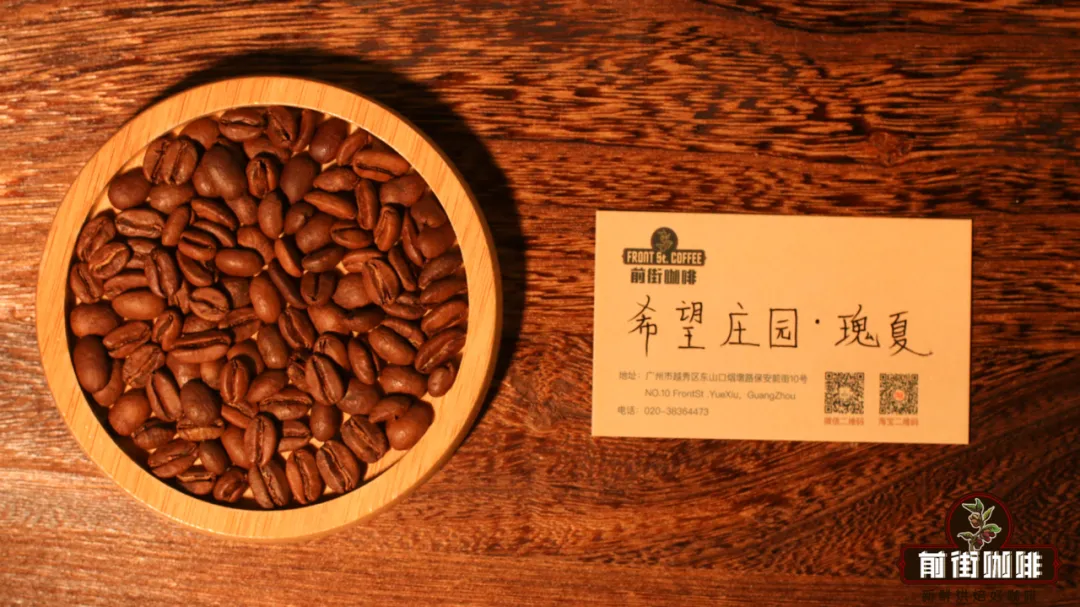
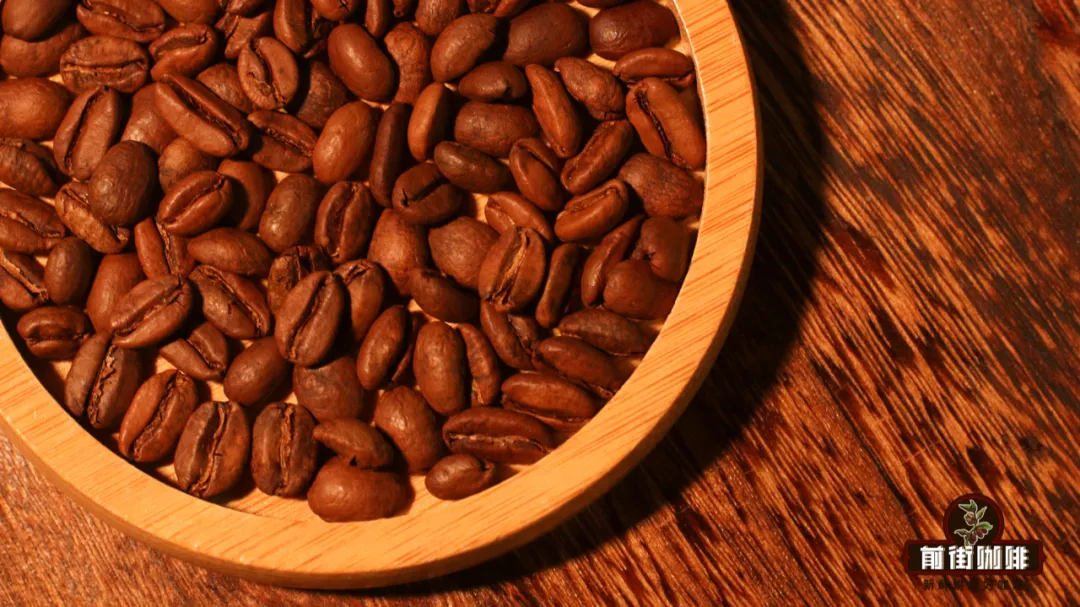
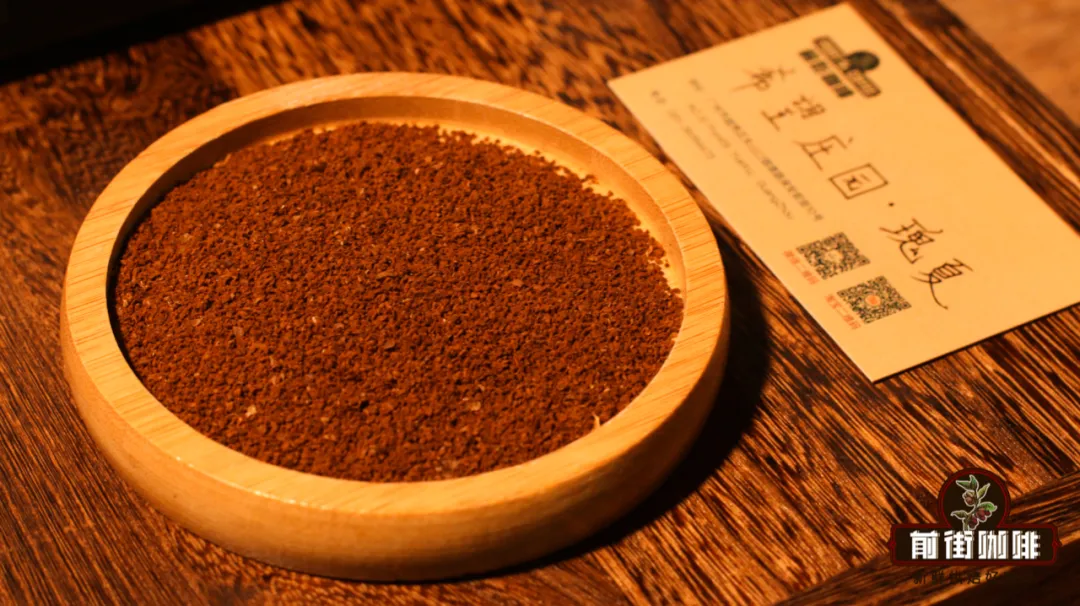
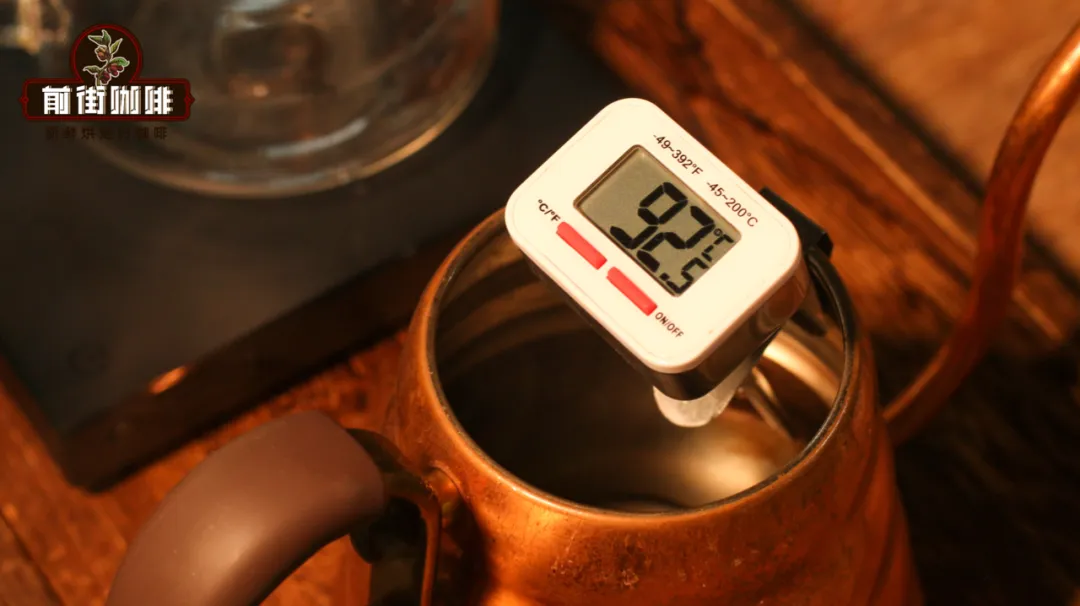
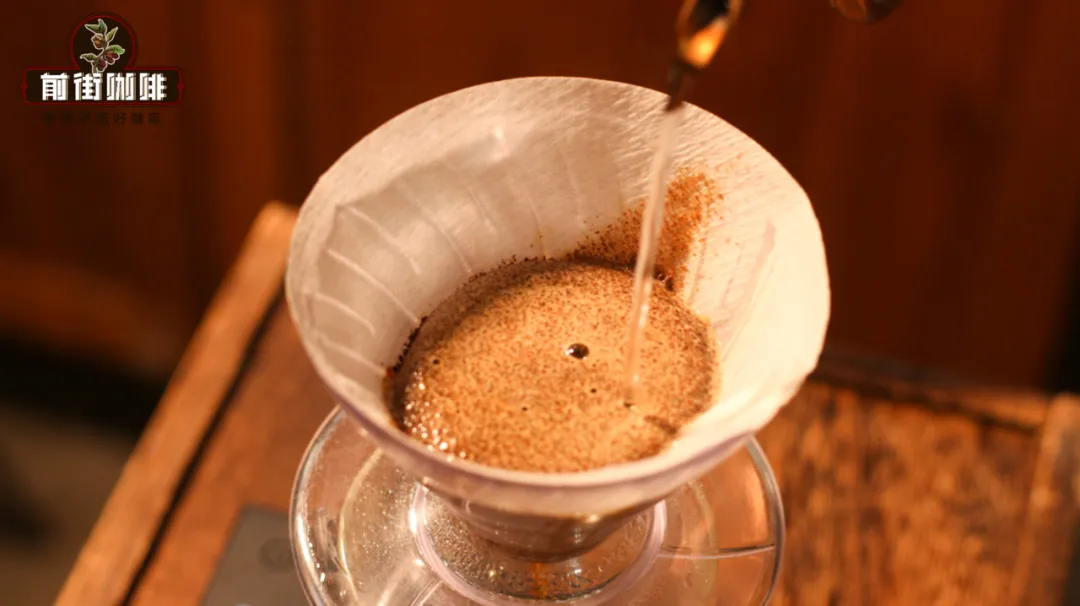
Now let's move on to the actual brewing process and see how Front Street extracts this Front Street Finca La Esperanza Geisha.
The parameters used are as follows:
The above content is compiled by CoffeeHunters, a coffee news website.


