







Where are coffee beans from in South America?
Coffee from Brazil and Colombia differs mainly because of terrain, altitude and farm structure. Brazil grows coffee on gently rolling plateaus at around 1,000 meters, using large estates and mechanical harvesting, which yields low-acid cups with nutty and chocolate notes. Colombia relies on high-altitude Andean slopes, volcanic soil and smallholder farms, producing a wider range of specialty profiles.
Brazil is the largest coffee producer in the world and Colombia ranks third, so both are leading main coffee producing countries. Coffee reached Brazil around 1727 and became a major export by the 1830s. The two countries often supply the base beans in espresso blends, while Colombia's microclimates support a more developed specialty coffee sector.
The two major coffee-producing countries in South America, Brazil and Colombia, although geographically adjacent, give rise to distinctly different coffee flavors due to differences in growing environment, estate models, and altitude and climate. Brazil is dominated by flat plateaus and large-scale mechanical harvesting, with coffee of low acidity and prominent nutty and chocolatey notes, often used in blends; Colombia, on the other hand, leverages the high altitude of the Andes Mountains, volcanic soil, and diverse microclimates to develop a richer specialty coffee scene, mainly based on small estates. This article will compare in detail the similarities and differences between the two countries' coffees from the aspects of history, environment, producing regions, and processing methods, and introduce Front Street Coffee's newly listed Finca La Esperanza honey-processed Geisha, bringing a taste exploration from classic to refined.
When it comes to South American coffee, Brazil and Colombia are often the first two heavyweight producing countries mentioned. Brazil currently ranks first in the world in production, while Colombia, relying on its special climatic conditions, firmly holds the position of the world's third-largest coffee producer. So, what exactly are the similarities and differences between these two countries in coffee production?
Brazil and Colombia can be regarded as the typical representatives of traditional South American coffee flavors. The coffees of both countries usually show low acidity, a full body, and a sweet sensation like nuts, chocolate, and caramel, so they are often used as base beans for blends at home and abroad. Front Street's specialty espresso blend combines coffees from the Brazilian producing regions with those from the Colombian producing regions.
Coffee was introduced to Brazil around 1727 and quickly adapted to the local climate conditions. By the 1830s, coffee had become an important export commodity for Brazil and had driven the country's economic development.
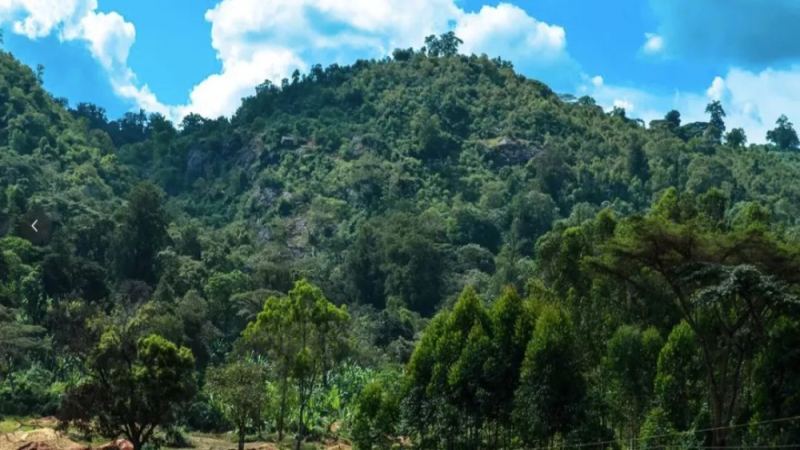
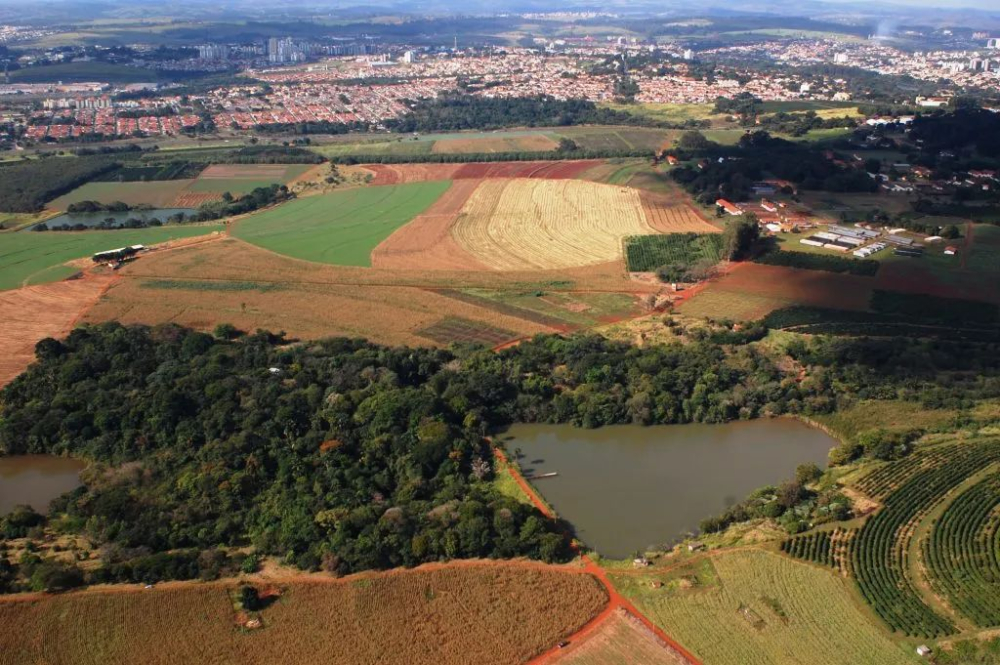
From an environmental perspective, Brazil is vast in territory, and coffee is mainly grown in the south-central region. There, the land is mostly gently rolling plateaus, with growing elevations generally around 1,000 meters, so Brazil's coffee cultivation is large in scale and dominated by large estates. The country relies heavily on mechanized operations. Although mechanical harvesting saves labor costs, it also affects the specialty quality of the coffee to a certain extent.
However, Brazil also has quite a few specialty coffee-producing regions, such as Alta Mogiana, Sul de Minas, and Cerrado. In these regions, coffee is grown in high mountain areas at elevations of 1,000 to 1,400 meters, where the terrain is relatively steep and harvesting is mainly done by hand.

At present, Front Street has a coffee from the Alta Mogiana region, Fazenda Rainha, which uses Brazil's unique Yellow Bourbon variety and is processed by the semi-washed method. After brewing, it has a fruity sweetness on the palate, accompanied by sugarcane, chocolate, and peanut-nut flavors, with a weak yet clean bitterness and a smooth, delicate mouthfeel.
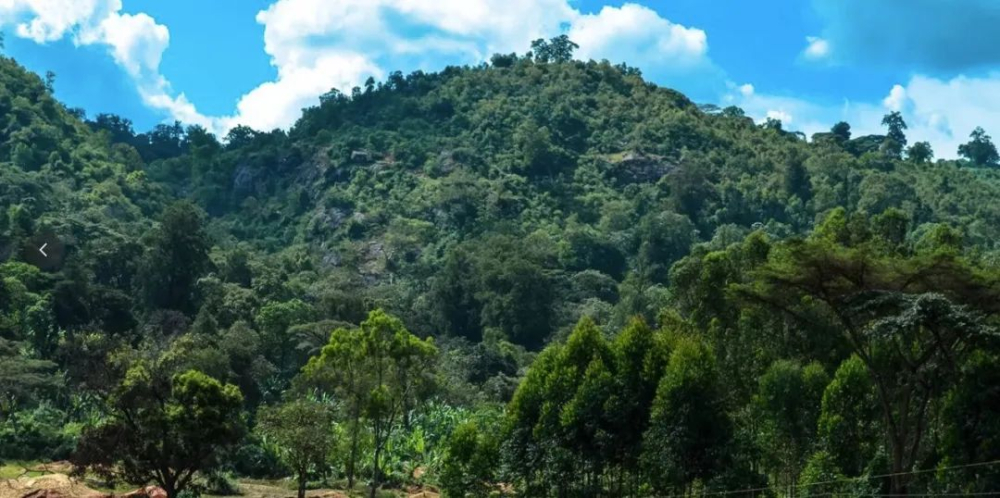
By comparison, Colombia's environmental conditions are more favorable than Brazil's. The country has diverse landforms, numerous volcanoes, and abundant rainfall. Coffee is mainly grown along the western Andes Mountains, at elevations between 800 and 2,300 meters. In high-altitude areas, the temperature difference between day and night is large. When temperatures are lower, the ripening time of coffee cherries is prolonged, during which more sugars can accumulate, the coffee beans are denser, and the flavor develops more richly.
Another difference is that Brazil is dominated by large-estate cultivation, while Colombia is dominated by smallholder plantations. The reason Colombia can maintain high production is that the equator passes through the country, and some producing regions have two dry seasons and two rainy seasons, allowing two harvests a year and basically coffee available throughout the year. Currently, 40% of Colombia's exported coffee is of specialty grade.
In addition, Colombia has also divided its Coffee Triangle axis regions. In an era when the concept of specialty coffee had not yet become widespread, coffee farmers focused more on yield, so the central producing regions of Quindio, Cauca Valley, and Cundinamarca became the early Coffee Triangle axis regions of Colombia. With the development of specialty coffee, southern Colombian producing regions began to stand out, and Narino, Cauca, and Huila formed Colombia's new Coffee Triangle.
Front Street Coffee has several coffee beans from Colombia, and recently launched a Geisha from Finca La Esperanza, using honey processing. After brewing, a slight fermented and rose aroma can be smelled, and on tasting there are grape, strawberry, and candied fruit flavors, with a soft mouthfeel.
Although Brazil and Colombia are both in South America, the growing environments of the two countries differ markedly. Colombia has a more unique geographical environment, providing superior conditions for coffee cultivation, and adopts a variety of different processing methods, so its coffee can be used both as single-origin and in blends. By contrast, Brazil's environmental advantages are not so prominent, with relatively flat terrain and not particularly high elevations, so Brazilian coffee has lower acidity, relatively simpler flavors, and prominent nutty notes, and is more often used in coffee blends.
The above content is compiled by CoffeeHunters, a coffee news website.


