







What Sets the Colombian Coffee Farms of La Esperanza Apart?
Cafe Granja La Esperanza runs several farms in Cauca, one of Colombia's main coffee regions. The Andes provide altitudes near 1,300 meters, volcanic soil, temperatures around 18 degrees Celsius and 2,000 to 3,000 millimeters of annual rain, conditions behind Colombia's place as the world's third-largest producer after Brazil and Vietnam.
Among its coffee farms are Potosi, Cerro Azul, Las Margaritas, La Esperanza and Hawaii, each with its own elevation, plot area and cultivated varieties. The Herrera family's management links them. Colombia's three Cordilleras create varied microclimates across the slopes, which allows coffee cultivation and harvest across much of the year.
Colombia is the world's third-largest coffee producer, and coffee, along with flowers, gold, and emeralds, is known as one of the "four treasures." The high altitudes, volcanic soil, and diverse climates of the Andean region provide ideal conditions for coffee cultivation. Cauca Department is one of the main producing regions, where Cafe Granja La Esperanza owns several farms. This article will outline the geographical and climatic background of Colombian coffee, with a focus on introducing the altitude, plots, area, and cultivated varieties of five farms under Cafe Granja La Esperanza: Potosí, Cerro Azul, Las Margaritas, La Esperanza, and Hawaii, and will also mention the Herrera family's management heritage and related products from the Front Street brand.
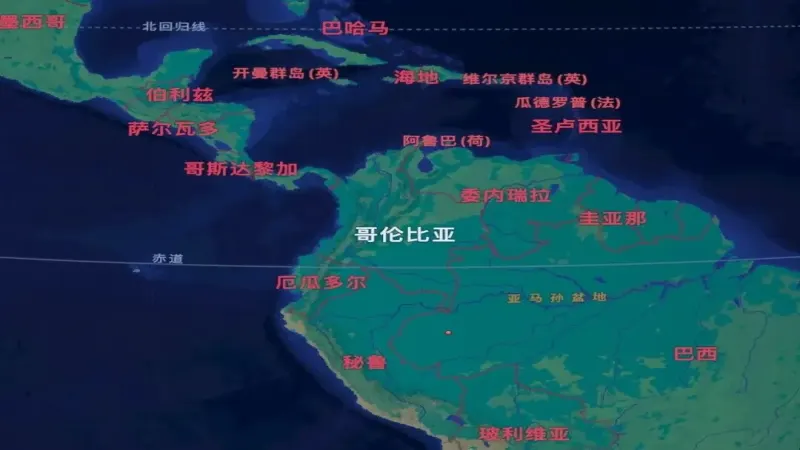
Colombia is a large country rich in resources, possessing the world-renowned "four treasures": coffee, flowers, gold, and emeralds, with coffee being one of them. At the same time, Colombia is the world's third-largest coffee producer, after Brazil and Vietnam.
Colombia
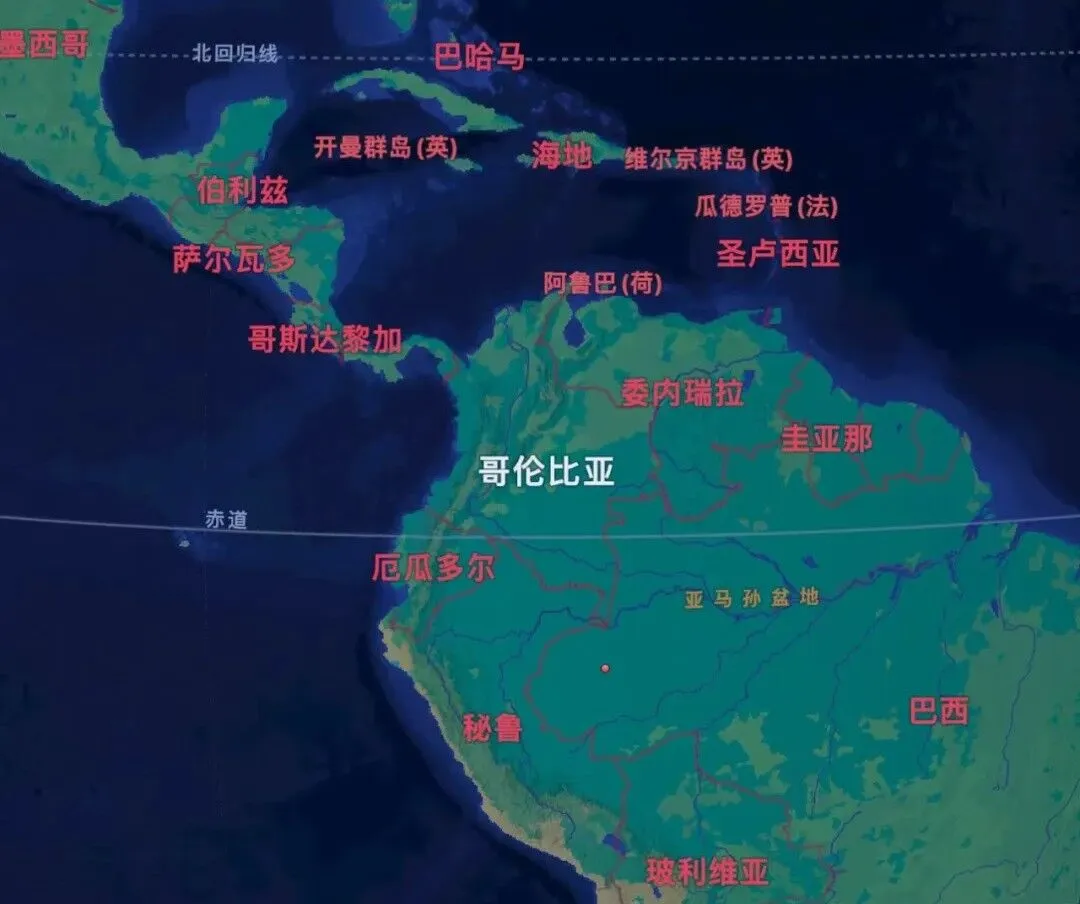
Colombia's terrain can be broadly divided into the western mountainous region and the eastern plains region. The west is dominated by the Andes mountains, with several coastal plains; the east is mainly composed of the Orinoco Plains and the Amazon Plains. Within Colombia, the Andes are divided into the Eastern, Central, and Western Cordilleras.
Colombia is located in the tropics, and its climate varies with the terrain. The southern part of the eastern plains and the Pacific coast have a tropical rainforest climate, the mountainous areas at altitudes of 1,000-2,000 meters have a subtropical climate, and the northwest has a tropical savanna climate. Colombia has numerous volcanoes and rivers, and forests cover 51.9% of the country's land area. High-altitude mountainous areas, volcanic soil, diverse climates, abundant rainfall, and sunshine make it an ideal region for coffee cultivation.
Colombia's coffee-producing regions are concentrated in the Andes mountains, on steep slopes at an altitude of about 1,300 meters, with a year-round temperature of about 18°C and annual rainfall of 2,000-3,000 millimeters. The three Cordilleras run north-south, extending toward the Andes, and the mountain terraces provide diverse climates, making it a harvest season all year round.
Colombia's main coffee-producing regions include Cauca, Santander, Narino, Tolima, and Huila, among others. It is also home to several well-known estates, such as Cafe Granja La Esperanza and Finca La Divisa, which is relatively common at Front Street.
Cafe Granja La Esperanza
Cafe Granja La Esperanza owns 5 coffee farms in Colombia.
Potosí : Located in Cauca Department, Colombia, with a cultivation altitude of 1,400-1,860 meters, it has 11 plots, covers an area of 52 hectares, and mainly grows new varieties such as Sidra.
Cerro Azul : Located in Cauca Department, Colombia, with a cultivation altitude of 1,700-2,000 meters, it has 7 plots, covers an area of 17.4 hectares, and is mainly known for its meticulous processing methods.
Las Margaritas : Located in Cauca Department, Colombia, with a cultivation altitude of 1,570-1,850 meters, it has 13 plots, covers an area of 33.8 hectares, and mainly grows Gesha and Sudan Rume.
La Esperanza : Located in Cauca Department, Colombia, with a cultivation altitude of 1,430-1,760 meters, it has 11 plots, covers an area of 34.3 hectares, and grows varieties such as Bourbon, Caturra, and Gesha.
Hawaii : Located in Cundinamarca Department, with a cultivation altitude of 1,450-1,530 meters, it has 10 plots, covers an area of 12.5 hectares, and grows varieties such as Bourbon, Caturra, and Castillo.
Currently, the estate is owned by the Herrera family, which bought the Potosí estate in 1945 and later gradually acquired and established others, forming the current 5 estates. In addition, it has a laboratory team with Q-Grader certification, continuously improving production processes to ensure the quality of the coffee beans, and as a result, the estate has won multiple awards.
The above content is compiled by CoffeeHunters, a coffee news website.


