







How Do Geisha Coffee Beans Differ by Origin?
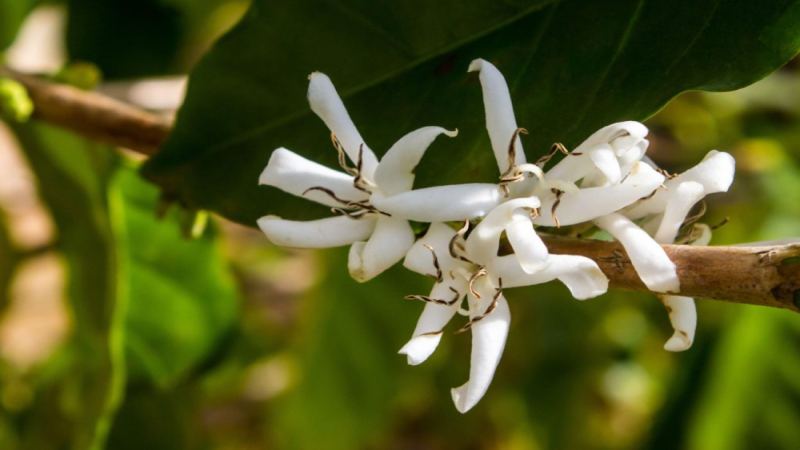
Geisha coffee beans are a variety discovered in Ethiopia's Geisha forest in 1931 and later grown across Kenya, Uganda, Tanzania, Costa Rica, and Panama. Panama's La Esmeralda Estate separated the variety in 2003 and won the 2004 BOP competition with it, which brought Geisha into public view. Its quality depends heavily on high altitude, cloud cover or shade, and fertile soil, so origin and estate matter a great deal.
Panama remains the reference point, especially the Boquete region, where La Esmeralda Estate operates the El Velo, Cañas Verdes, and Jaramillo plots. Specialty-grade Geisha comes from Jaramillo and Cañas Verdes, and the Red Label lot traces to the Mario plot of Cañas Verdes. Colombia's Hacienda La Esperanza shows how the same variety performs elsewhere, so brewing parameters should follow the specific lot.
Geisha coffee is widely recognized as the coffee variety with the most outstanding flavor today, but the quality of Geisha produced in different regions and on different estates varies significantly. This article will systematically trace the journey of Geisha from the forests of Ethiopia to the world, focusing on the grading and flavor characteristics of Panama Emerald Estate's Red Label, Green Label, and Blue Label, and extending to the Geisha performance of Colombia's La Esperanza Estate. At the same time, drawing on Front Street Coffee's actual brewing experience, it provides brewing parameters and technique suggestions for different Geishas, helping coffee enthusiasts gain a more comprehensive understanding of this variety's origin logic and tasting key points.
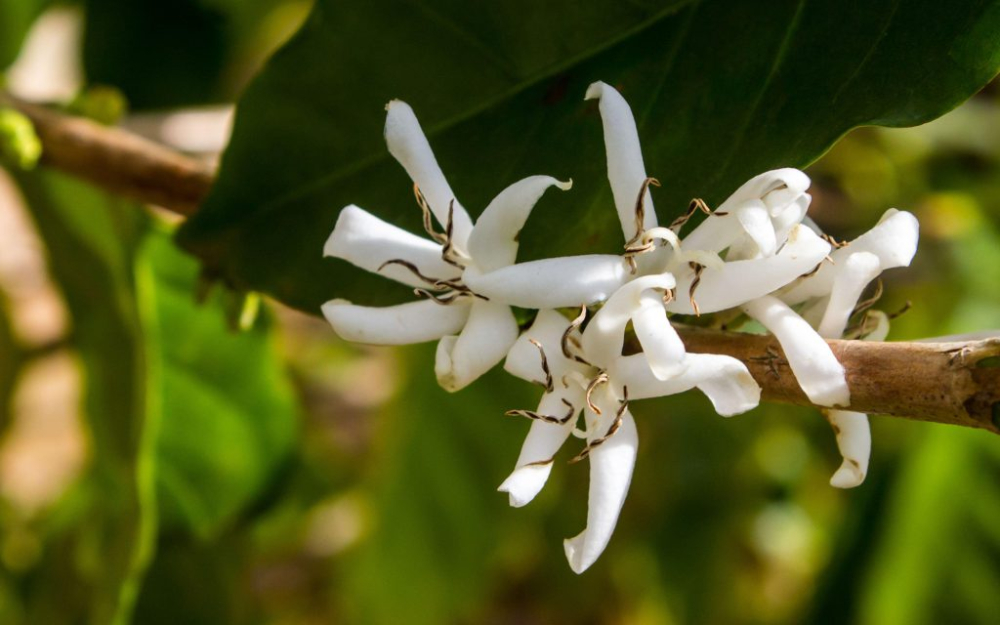
Geisha coffee beans are now widely regarded as the coffee variety with the best flavor performance, though different growing regions will produce noticeably different final quality. As Geisha's fame continues to rise, many coffee-producing countries have now begun cultivating this variety, including both experimental lots and commercial production lots. How exactly do these Geishas from different origins perform? Front Street will discuss this question.
Geisha was discovered in 1931 in the Geisha forest of Ethiopia. After that, it was sent to the Coffee Research Institute in Kenya, introduced to Uganda and Tanzania in 1936, entered Costa Rica in 1953, and was not introduced to Panama until 1970.
In the early days, Geisha did not attract much attention until Panama's La Esmeralda Estate separated it from other varieties in 2003 and entered it in the BOP competition in 2004, winning the championship. Only then did Geisha coffee truly enter the public eye.
The refinement and elegance displayed by the Geisha variety are inseparable from its specific growing environment. This variety is quite sensitive to growing conditions, usually requiring high altitude, cloud cover or abundant shade trees, and fertile soil.
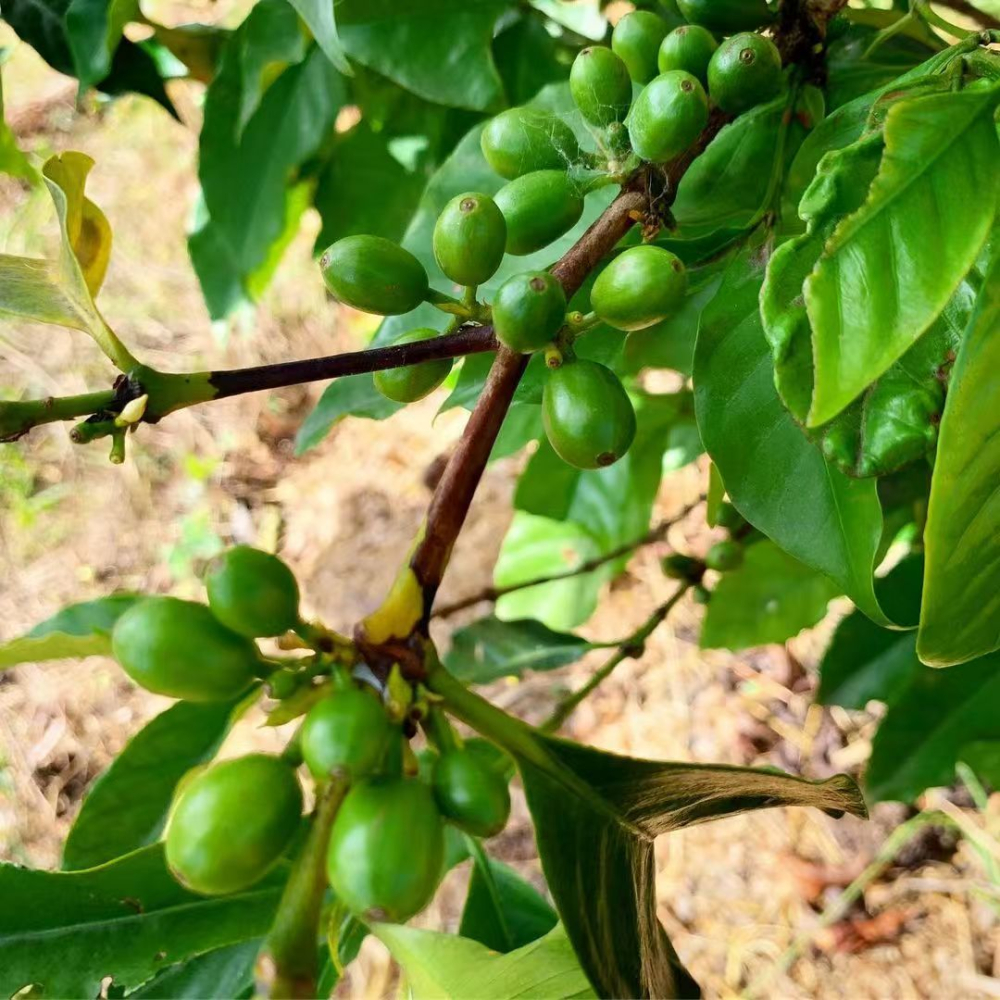
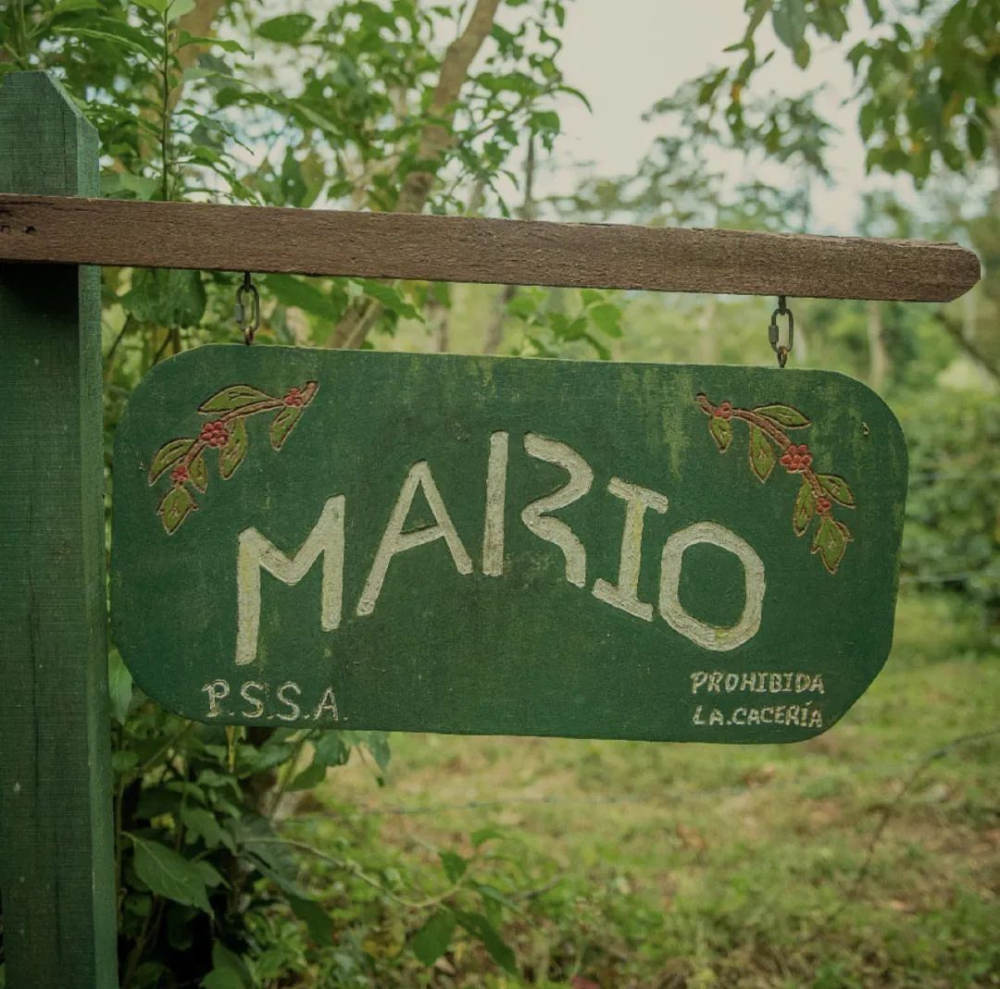
Among all producing regions, Boquete, Panama, is the most representative. The Geisha produced here is deeply favored by coffee enthusiasts, and the renowned La Esmeralda Estate is also located here. At present, La Esmeralda Estate has three sub-estates: El Velo, Cañas Verdes, and Jaramillo. Specialty-grade Geisha coffee comes from plots in the Jaramillo and Cañas Verdes estates, and many auction lots come from Cañas Verdes Estate. The Front Street Panama Emerald Estate Red Label currently offered by Front Street comes precisely from the Mario plot of Cañas Verdes.
Panama Emerald Estate's Geisha is divided into three grades: Red Label, Green Label, and Blue Label, among which the highest quality and most expensive is the Red Label lot.
[Emerald Special esmeralda special] esmeralda special is what is commonly called "Red Label." Red Label Geisha is grown at an altitude of 1,600 to 1,800 meters, must score above 90 in cupping, and mainly comes from the Jaramillo and Cañas Verdes producing areas. Red Label lots include both washed and natural processing methods. There is also the Esmeralda Auction, a brand that Emerald Estate separated from Red Label in 2022; buyers must obtain the corresponding lots through bidding.
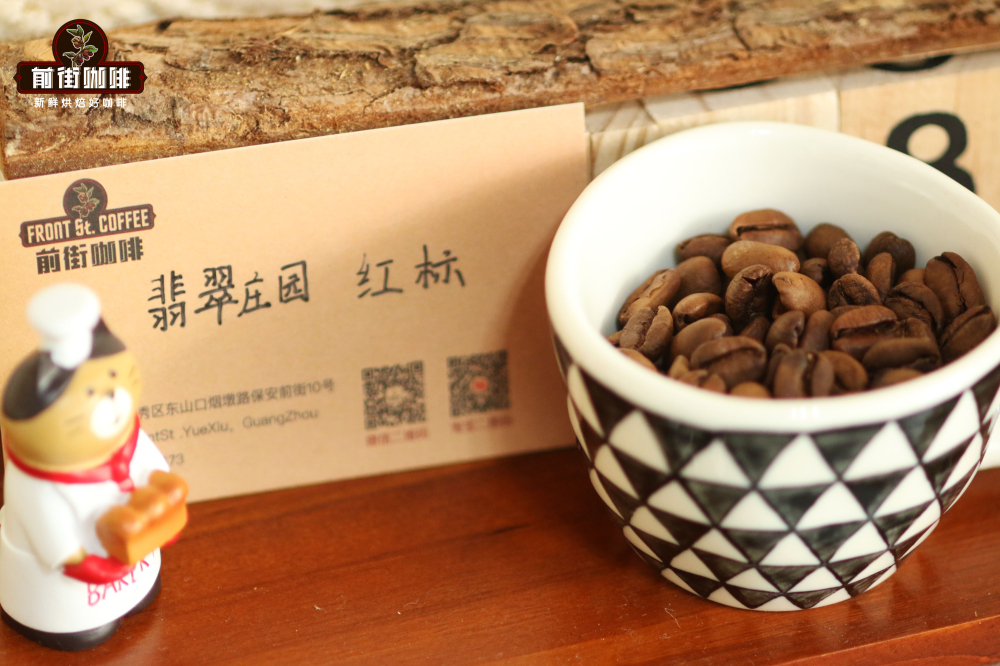
Front Street Panama Emerald Estate Red Label Geisha Coffee Beans Region: Boquete, Panama Estate: Emerald Estate, Mario plot Altitude: 1700m Processing method: Natural
Flavor: Lemon, honey, berries, orange peel, mango, cream, citrus
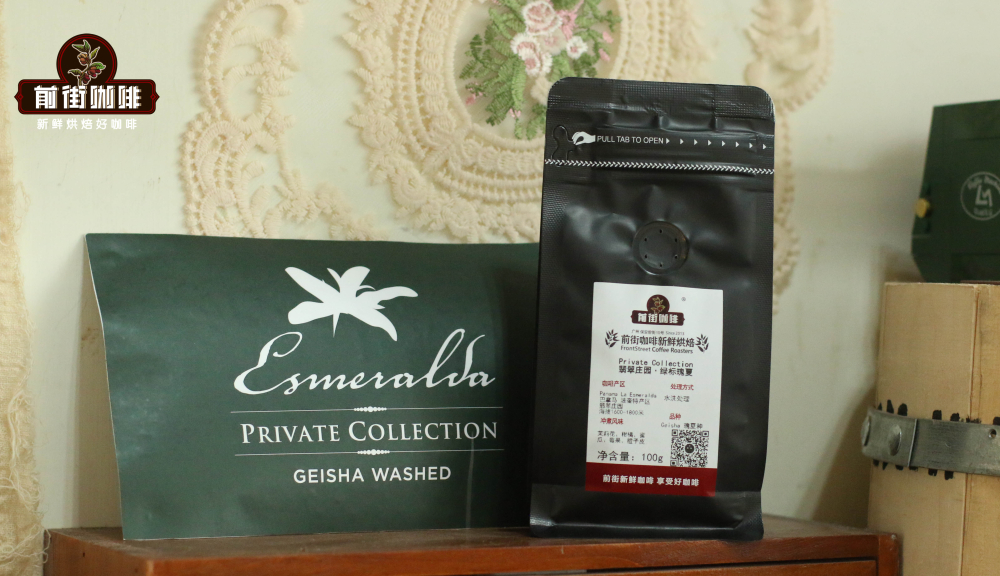
[Private Collection private collection] private collection is commonly called Green Label. This lot does not participate in auctions, but its quality is still outstanding. Green Label Geisha is also grown at an altitude of 1,600 to 1,800 meters and is mainly a blend of lots from different plots such as Jaramillo and Cañas Verdes.
Because it uses a multi-plot blending model, Emerald Green Label and Red Label can sometimes show a high degree of similarity in flavor. Although its grade is lower than Red Label, Green Label still retains the classic characteristics of Geisha: floral aroma, fruity aroma, citrus acidity, and a thick, juicy mouthfeel. Green Label lots likewise offer washed or natural processing options.
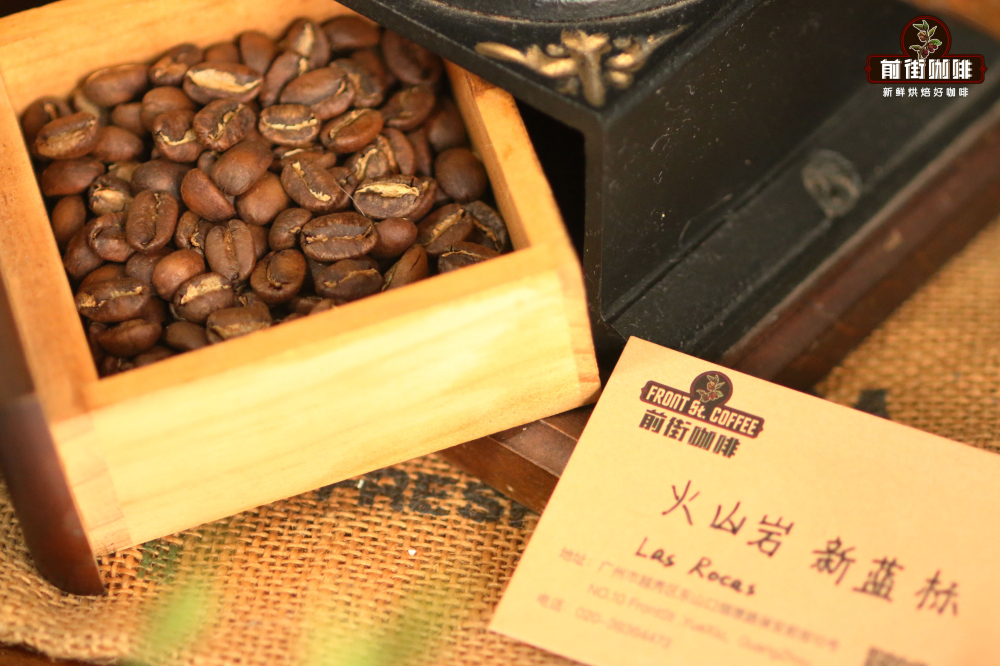
[Geisha 1500 geisha1500] geisha1500 is what is commonly called Blue Label. It is grown at an altitude of 1,400 to 1,500 meters, and Emerald Blue Label blends Geisha coffee beans from three different plots: Jaramillo, Cañas Verdes, and El Velo. In the past, Blue Label was only washed, but this year a natural method has been added. It should be noted that since 2021 Emerald Estate has discontinued the Blue Label series and shifted the Geisha produced in that area to external sales, becoming Panama Volcanic Rock Geisha coffee beans, with a flavor consistent with the original Blue Label. Front Street has noticed that Front Street Panama Volcanic Rock Geisha is only available in washed processing, with a flavor profile of light floral notes and fruity sweet acidity, and a mouthfeel less full than the other two brands.
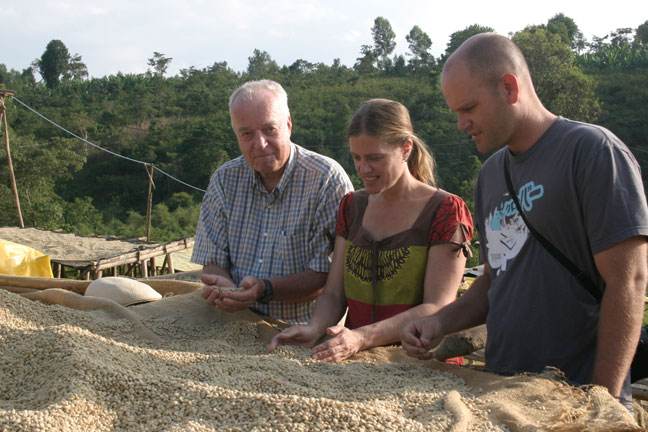
Front Street Panama Volcanic Rock Geisha Coffee Beans
Region: Boquete, Panama
Estate: Emerald Estate
Altitude: 1500 meters
Variety: Geisha
Processing method: Washed
Flavor: Citrus acidity, jasmine floral aroma, honey
Front Street Coffee Brewing Suggestions
Geisha coffee has rich flavor layers, with floral and fruity aromas especially prominent. Front Street recommends choosing freshly roasted coffee beans, as only then can you fully experience the coffee's flavor performance. Coffee beans enter their optimal tasting period 4 to 7 days after roasting; once this period passes, the aroma will dissipate more quickly. The coffee beans shipped by Front Street are all freshly roasted within 5 days, ready to brew and taste upon arrival.
In order to fully bring out the flavor layers of this Geisha, Front Street uses a Hario V60 dripper for brewing and has made corresponding adjustments to the parameters: the dose remains 15g, the coffee-to-water ratio is 1:16, the water temperature is 93°C, and the grind size references fine granulated sugar coarseness (78% passing rate on a No. 20 standard sieve).
1. Pour 30 grams of water in the first stage and bloom for 30 seconds.
2. Pour 110 grams of water in the second stage, keeping the pouring stream as steady as possible so that the coffee bed rises and the coffee grounds come into full contact with more water for extraction.
3. Pour 115 grams of water in the final stage, and once the water level has dropped slightly, pour evenly in an outer circular motion. After the coffee liquid has finished filtering, remove the dripper. The total brewing time is 2 minutes 05 seconds.
This brewing method can very well present the jasmine floral aroma and berry aroma of Front Street Panama Emerald Estate Blue Label Geisha, highlight the flavors of berries and honey, and provide a relatively full mouthfeel.
Colombia La Esperanza Estate Geisha
In addition to the high-quality Geisha of Panama Emerald Estate, the Geisha coffee beans of Colombia's La Esperanza Estate are equally worth anticipating. La Esperanza Estate is located in Colombia's Huila producing region. It does not belong to a single coffee farmer or family estate, but instead brings together multiple coffee farmers to sell uniformly under the name La Esperanza.
La Esperanza Estate is distributed in forests at an altitude of 1,400 to 1,650 meters, with fully ripe coffee beans harvested by hand. The coffee farmers insist on a good growing environment and strictly control the quality of superior green coffee beans. The estate was the champion estate of the 2007 Colombia coffee competition, and in 2008 it also took 9th, 12th, and 14th places (by different coffee growers). In November 2008, American coffee master Kenneth Davids (author of Coffee Review and Home Coffee Roasting) gave it a high score of 93 points, making it a top-tier estate in Colombia.
La Esperanza Estate has four estates in total (Esperanza, Las Margaritas, Cerro Azul, and Potosi), and has won the BOP Best of Panama championship (2008) and runner-up (2009). In 2012, it even swept 2nd, 3rd, and 7th places in the SCAA Coffee Of The Year top ten with three products. In the GFA (Good Food Award), La Esperanza Estate is also the only estate outside Ethiopia, Kenya, and Panama to win an award.
La Esperanza Estate's Geisha coffee was introduced from Panama Emerald Estate, so it is called the coffee closest to Emerald Estate Geisha. This Front Street Colombia La Esperanza Estate Geisha obtained by Front Street uses washed processing.
Place the selected coffee cherries into a depulper to initially remove the skin and pulp; put the green coffee beans with residual pulp and mucilage into water to ferment for about 24 hours; after fermentation is complete, place the green coffee beans with parchment into a flowing water channel to wash off the pulp and mucilage; after washing, dry them in the sun or with a dryer to reduce the moisture content to about 12%. Finally, remove the parchment from the green coffee beans.
Front Street Colombia La Esperanza Estate Geisha Coffee Beans
Region: Huila, Colombia
Estate: La Esperanza Estate
Altitude: 1800 meters
Variety: Geisha
Processing method: Washed
Flavor: Jasmine floral aroma, sweet orange, lemon, honey, cream, oolong tea
Front Street Coffee Roasting Analysis The green beans show a beautiful blue-green color and smell of clear fermented fruit and orange aromas.
Roaster Yangjia 800n (roasting capacity 300 grams)
When the drum temperature rises to 160°C, charge the beans, set the airflow to 3, and after 30 seconds adjust the heat to 140, keeping the airflow unchanged; the turning point is 1'42"; when the drum temperature is 140°C, adjust the heat to 120 and open the airflow to 4; at this point the bean surface turns yellow, the grassy smell completely disappears, and it enters the dehydration stage. When the drum temperature reaches 166°C, adjust the heat to 110 degrees, keeping the airflow unchanged;
At 7'50", wrinkles and dark patches appear on the bean surface, and the toast aroma clearly turns into coffee aroma, which can be regarded as the prelude to first crack. At this point, carefully identify the sound of the first crack point. First crack begins at 8'15"; reduce the heat to 50 and adjust the airflow to 5 (adjusting the heat must be done very carefully, not so low that there is no cracking sound). After first crack, develop for 1'28" and drop the beans at 190 degrees.
Front Street Coffee Brewing Suggestions Dripper: hario v60 Water temperature: 90-92°C Coffee-to-water ratio: 1:15 Grind size: (78% passing rate on China standard No. 20 sieve)
Brewing method: Bloom with 30 grams of water for 30 seconds, pour to 125 grams in stages, and when the water level drops and is about to expose the coffee bed, continue pouring to 225 grams and stop; when the water level drops and is about to expose the coffee bed, remove the dripper, (timing starts at the beginning of the bloom) with an extraction time of about two minutes.
When brewed with a higher water temperature, this Front Street Colombia La Esperanza Estate Geisha shows more obvious sweetness and tea-like notes, with acidity reminiscent of citrus, plum, and bergamot; the middle section presents cinnamon and caramel flavors, and the finish is a clear oolong tea note. When brewed with a lower water temperature, the overall flavor layers of Front Street Colombia La Esperanza Estate Geisha are more distinct: on the palate there is first a light floral aroma, along with citrus, orange, lemon, and slight berry acidity; in the middle section, the sweetness of cream and honey begins to emerge; and the finish carries a light oolong tea aroma and a sugarcane-like sweet aftertaste.
For professional coffee knowledge exchange and more coffee bean information, please follow Coffee Workshop (WeChat public account cafe_style)
For more specialty coffee beans, please add the private WeChat of Front Street Coffee, WeChat ID: qjcoffeex
The above content is compiled by CoffeeHunters, a coffee news website.


