







What Is the Story About Coffee at Finca La Esperanza?
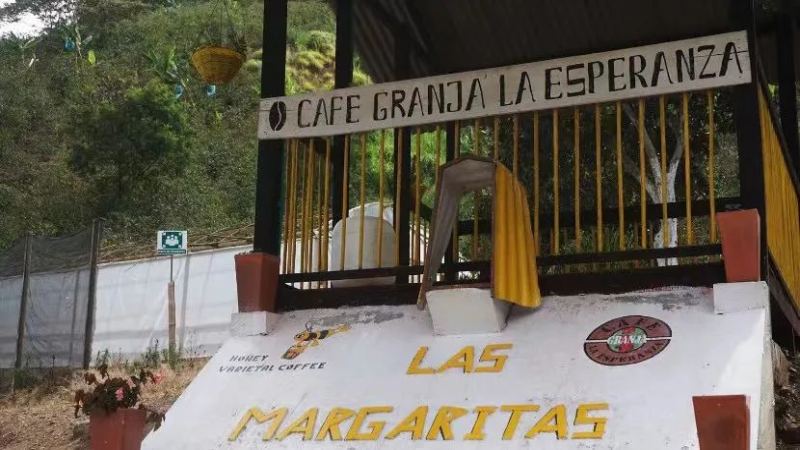
Hacienda La Esperanza, or Cafe Granja La Esperanza, is not a single estate but a family coffee brand built from several farms. Blanca Ligia Correa and Juan Antonio Herrera acquired Potosi Farm, then expanded to five estates: Potosi, Margarita, Blue Hill, Hawaii, and Cerro Azul. In 2007, family member Rigoberto won the BOP championship in Panama and later introduced Geisha to Colombia.
The five estates total about 150 hectares at altitudes generally between 1,400 and 1,800 meters, with differing conditions across plots. The family raised 14 children and supported them through the farms; brothers Rigoberto and Luis studied coffee cultivation closely. This sun-dried Geisha from the high altitudes of Cauca Department reflects that history, and competition coffee results helped bring the family's lots wider attention.
Hacienda La Esperanza (Cafe Granja La Esperanza) frequently appears in coffee competitions and rankings, but it is not a single estate—it is a coffee family brand composed of several farms. It began when the couple Blanca Ligia Correa and Juan Antonio Herrera acquired Potosí Farm, and the family gradually expanded to five estates, including Margarita, Blue Hill, and Hawaii. In 2007, family member Rigoberto won the BOP championship in Panama, then introduced Geisha to Colombia, opening a glorious chapter for Hacienda La Esperanza. This article provides a comprehensive look at this sun-dried Geisha from the high altitudes of Cauca Department, covering the family history, the terroir of the production region, and Front Street Coffee's cupping experience.
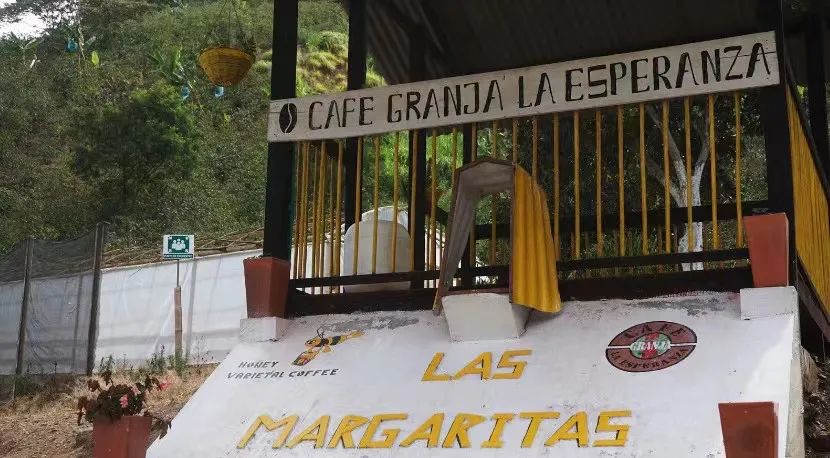
The name Hacienda La Esperanza "Cafe Granja La Esperanza" frequently appears on major competition leaderboards in the coffee world. However, one point needs to be clarified first: although it is called an "estate," when it actually competes and sells externally, it represents an entire collection of farms, not a single estate. When discussing the starting point of this family, one cannot fail to mention a couple from Colombia—Blanca Ligia Correa and Juan Antonio Herrera. In their early years, they went through a period of assigned labor, were arranged to work at Potosí Farm, and began a new life there.
A few years later, the couple developed a strong interest in the coffee industry, so they simply bought Potosí Farm and ran it themselves; this was the first estate they owned. Potosí mainly grew Typica at the time, but Juan Antonio Herrera wanted to explore more possibilities. So in 1945, they bought another plot of land nearby, specifically to plant specially introduced Yellow Bourbon, Red Bourbon, Caturra, and Typica. This new farm was named "Hacienda La Esperanza," carrying with it the hope for more possibilities.
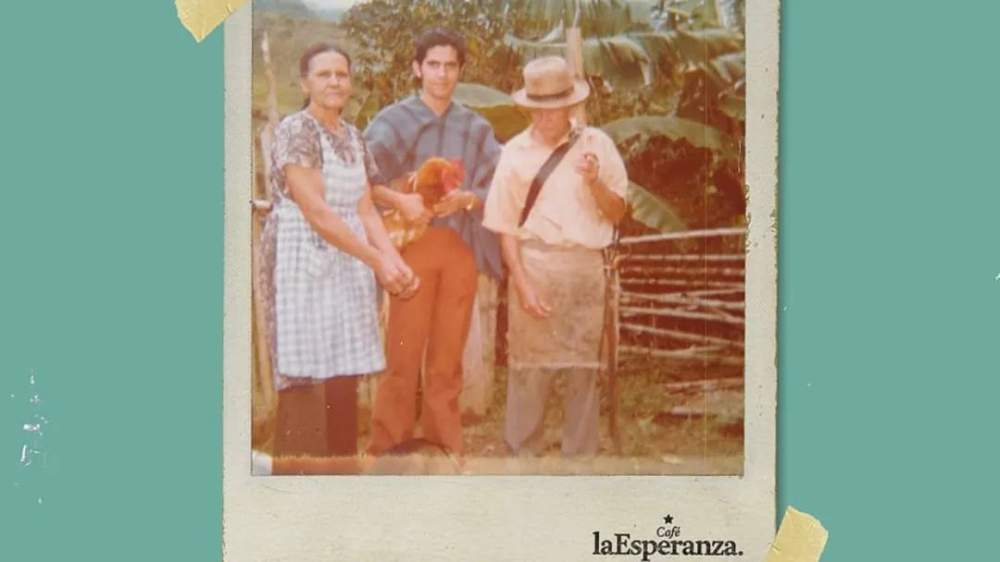
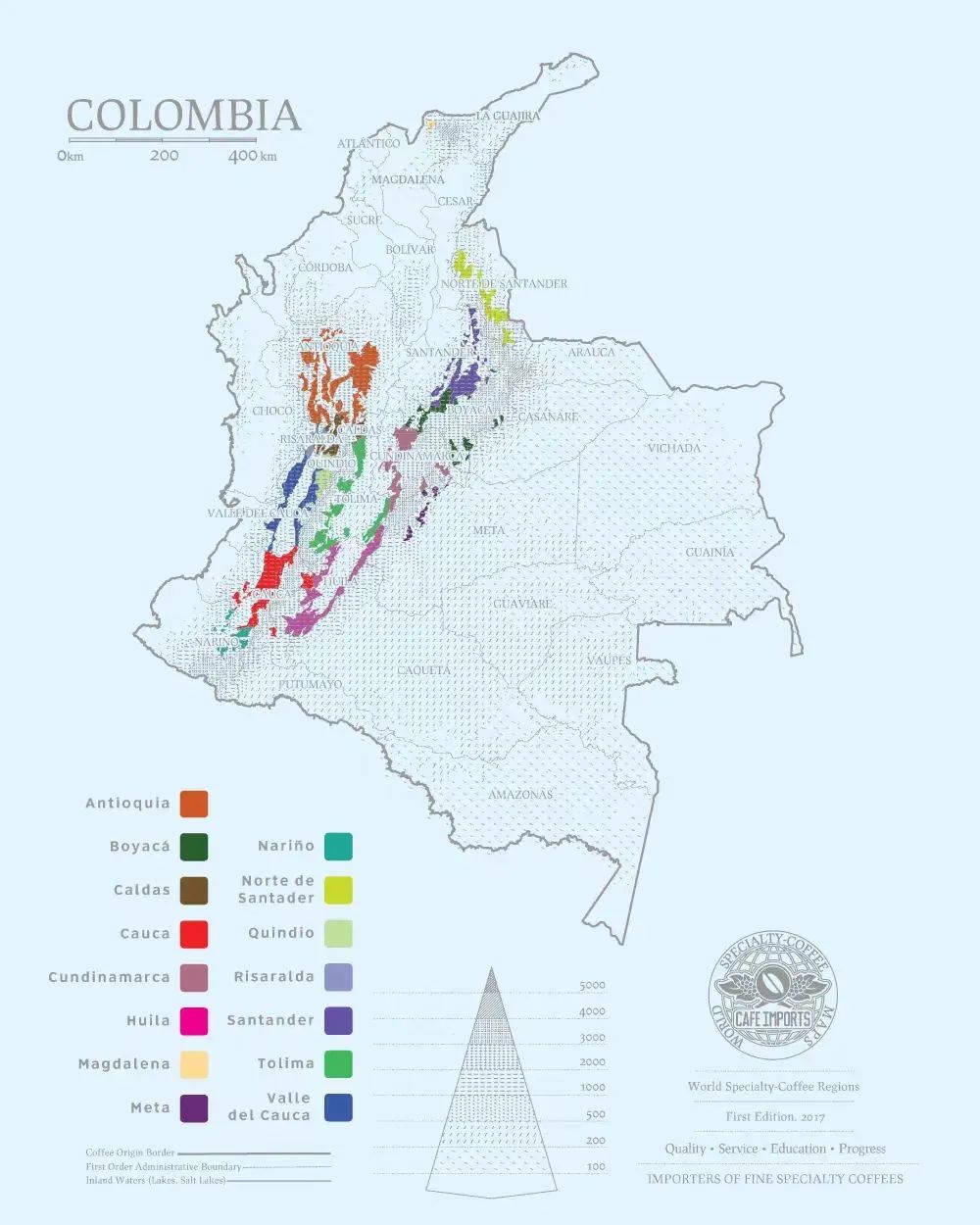
From marriage to running the estate, the couple raised 14 children in total, supporting the entire family through their own efforts. Among them, the two brothers Rigoberto and Luis were especially interested in coffee cultivation and continuously studied and learned. With their efforts, the family went on to buy three more estates: Margarita, Blue Hill, and Hawaii. The five estates total 150 hectares, with differing altitudes, but generally falling between 1,400 and 1,800 meters. Except for Hawaii Estate, which is located in Cundinamarca Department, all the others are located in Cauca Department, Colombia.
Cauca Department is located in southwestern Colombia, with an average altitude of about 1,758 meters and a maximum of up to 2,100 meters. Because the production area is at a high altitude, the temperature difference between day and night is pronounced, allowing coffee to grow at a slower pace, so the beans can accumulate more nutrients and develop better sweetness and flavor. At the same time, this place has abundant rainfall, suitable temperatures, and fertile volcanic soil, making it a "paradise" for coffee growing. With a scale of 150 hectares, it is not hard to imagine the high output of Hacienda La Esperanza, but at the time, they did not attract much attention and were just one ordinary coffee-growing household among many in Colombia.
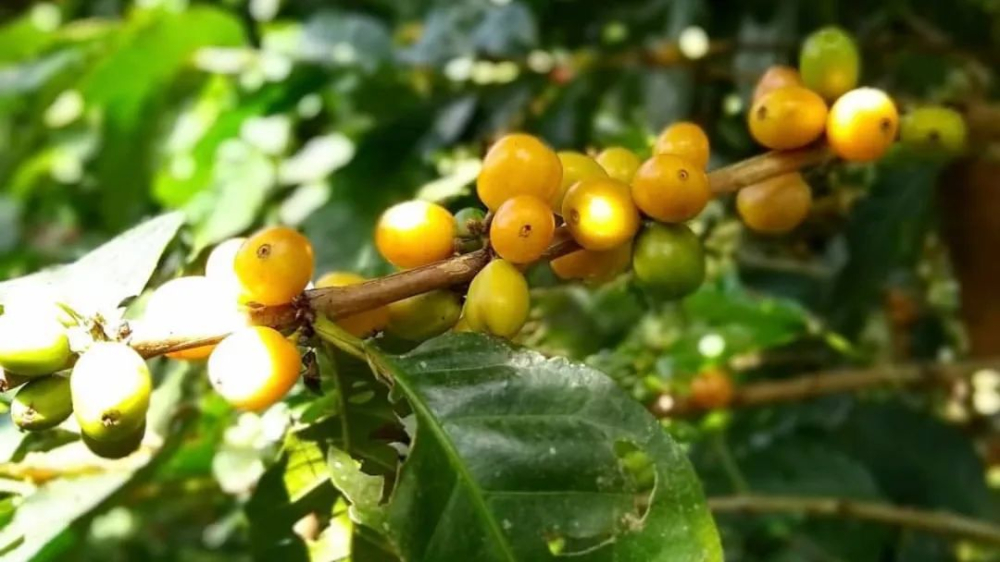
The turning point came in 2007. Mr. Rigoberto leased a coffee farm in Panama called La Carreta, and under his management, it won the Panama BOP championship the following year. This award made him deeply aware of the key role of varietal genetics. Soon, he brought Geisha back to Colombia and began trying to grow more different varieties, officially opening the curtain on Hacienda La Esperanza's later rise to fame.
The story afterward is as described at the beginning: Hacienda La Esperanza frequently won awards and took first place many times, becoming a hot star in the coffee world. Front Street also immediately acquired a bag of Hacienda La Esperanza beans for careful tasting. These beans come from Margarita Estate under Hacienda La Esperanza and are sun-dried Geisha. Because the growing altitude is relatively high, Front Street deliberately slowed the pace during roasting, allowing the beans to fully release their flavor while avoiding underdevelopment.
Front Street Coffee (FrontStreet Coffee): Colombia · Hacienda La Esperanza Geisha Country: Colombia Region: Cauca Department Altitude: 1,850 meters Variety: Geisha Processing Method: Sun-dried Flavor: Blackcurrant juice, blueberry, orange, smoked plum, red wine
Eight hours after roasting was completed, Front Street immediately conducted a cupping. In the dry aroma stage, the sweet-and-sour notes of grapes and berries could already be sensed. When the coffee entered the mouth, a full blackcurrant juice sensation arrived first, followed by rich aromas of orange, smoked plum, blueberry, and more. As the temperature dropped, the juice-like quality became more pronounced, and after swallowing, a clear red-wine-like finish could be distinguished. The overall experience was very pleasant.
- END -
The above content is compiled by CoffeeHunters, a coffee news website.


