







What defines Colombian coffee beans characteristics?
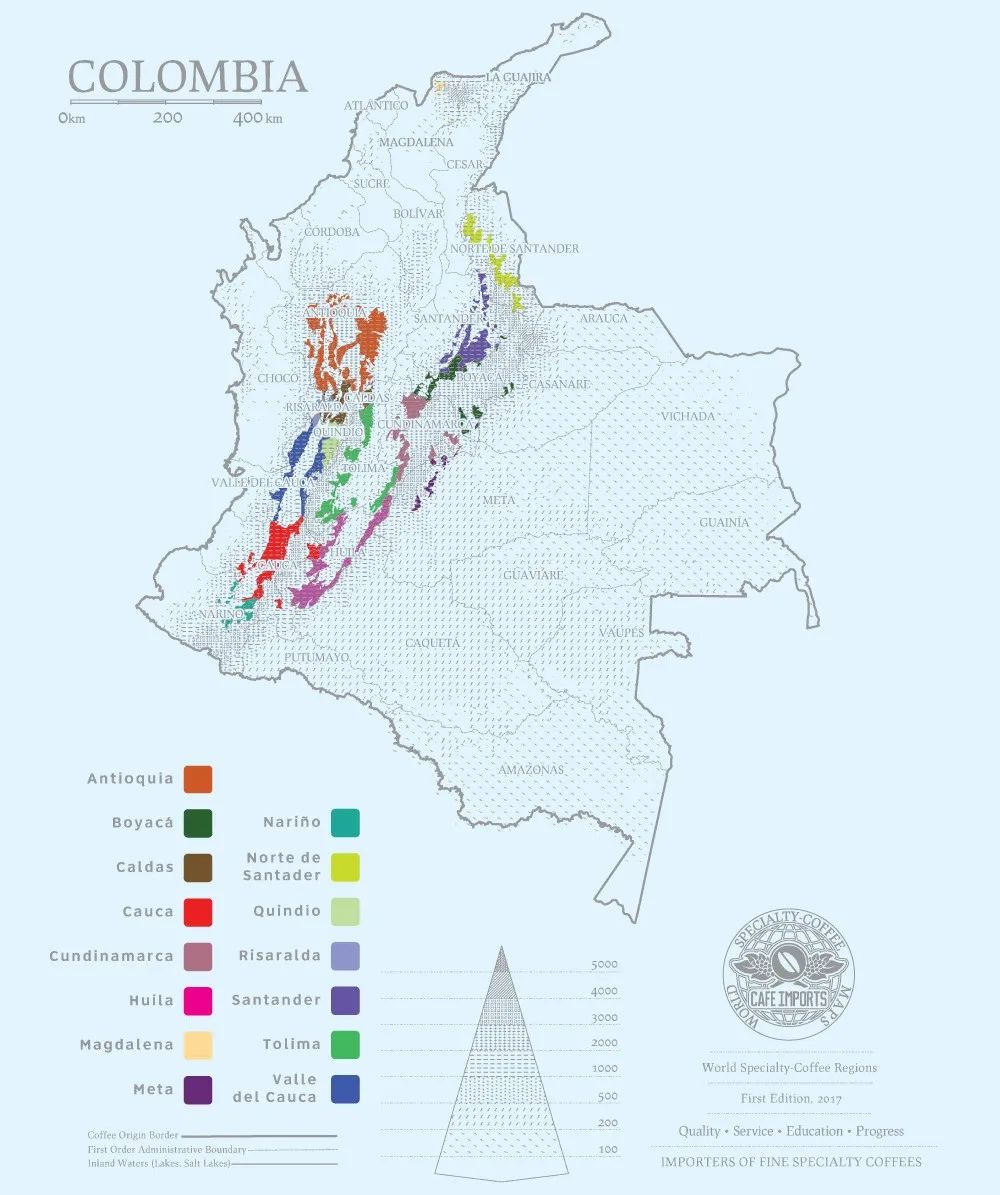
Colombian coffee beans characteristics come from the country's complex Andean terrain and diverse microclimates. Colombia is the world's third largest coffee producer and, unlike Brazil's large plantations, is dominated by small estates. Production is concentrated in the central-western Andes across 15 coffee-growing areas divided by department.
Cauca, Santander, Antioquia, Nariño, Tolima, and Huila are the main producing areas. The Andes split into Eastern, Central, and Western Cordilleras with average altitudes above 3,000 meters and many volcanoes, creating varied microclimates. Harvest runs almost year-round as different fruits ripen in turn, supporting high yields and distinctive regional flavors.
South America contributes over half of the world's coffee production, with Brazil and Colombia ranking as the world's first and third largest producers respectively. Unlike Brazil's large-scale plantation model, Colombia, due to its complex mountainous terrain and diverse microclimates, is dominated by small coffee estates. The best-selling Sidra, Rose Valley, and Flower Moon on Front Street Coffee's bean list come from locally well-known estates. Colombian coffee is mainly distributed in the central-western Andean region, with 15 production areas divided by province nationwide, with Cauca, Santander, Antioquia, Nariño, Tolima, and Huila as the main forces. Huila's El Diviso, Tolima's La Roca, and Cauca's La Esperanza are widely known, while Antioquia, though known for high yields, also has family businesses like El Zacatin that produce high-quality coffee.
South America is the continent with the largest coffee production in the world, producing more than half of the world's coffee each year, and is home to the world's largest coffee producer—Brazil—and the world's third largest coffee producer—Colombia. Unlike Brazil's generally large plantations, Colombia's complex terrain, with many mountains and various microclimatic features, means it is dominated by small coffee estates. The best-selling Sidra, Rose Valley, Flower Moon, and others on Front Street Coffee's bean list are produced by locally well-known coffee estates.
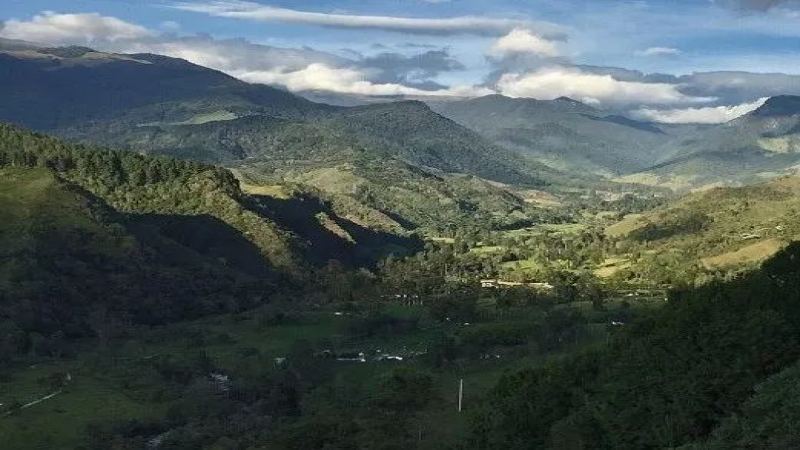
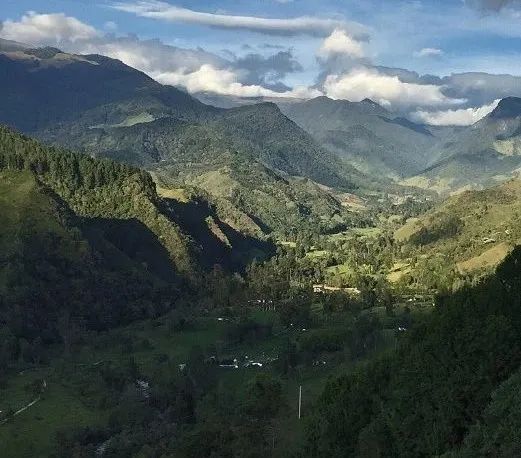
Colombian coffee is mainly grown in the central-western Andean region of the country. The Andean region is mainly divided into the Eastern, Central, and Western Cordilleras, with an average altitude above 3,000 meters and numerous volcanoes. Along with the high altitude and valley terrain, the entire mountain range forms complex and diverse microclimates. Such climates also run through many coffee-producing areas in Colombia, thus shaping the unique flavors of the coffee, and it is harvest season all year round, with different types of fruit ripening successively at different times, so Colombian coffee yields are relatively high.
Colombia is divided into 32 departments and the Capital District of Bogotá, with 15 coffee-producing areas divided by department, among which Cauca, Santander, Antioquia, Nariño, Tolima, and Huila are Colombia's main producing areas.
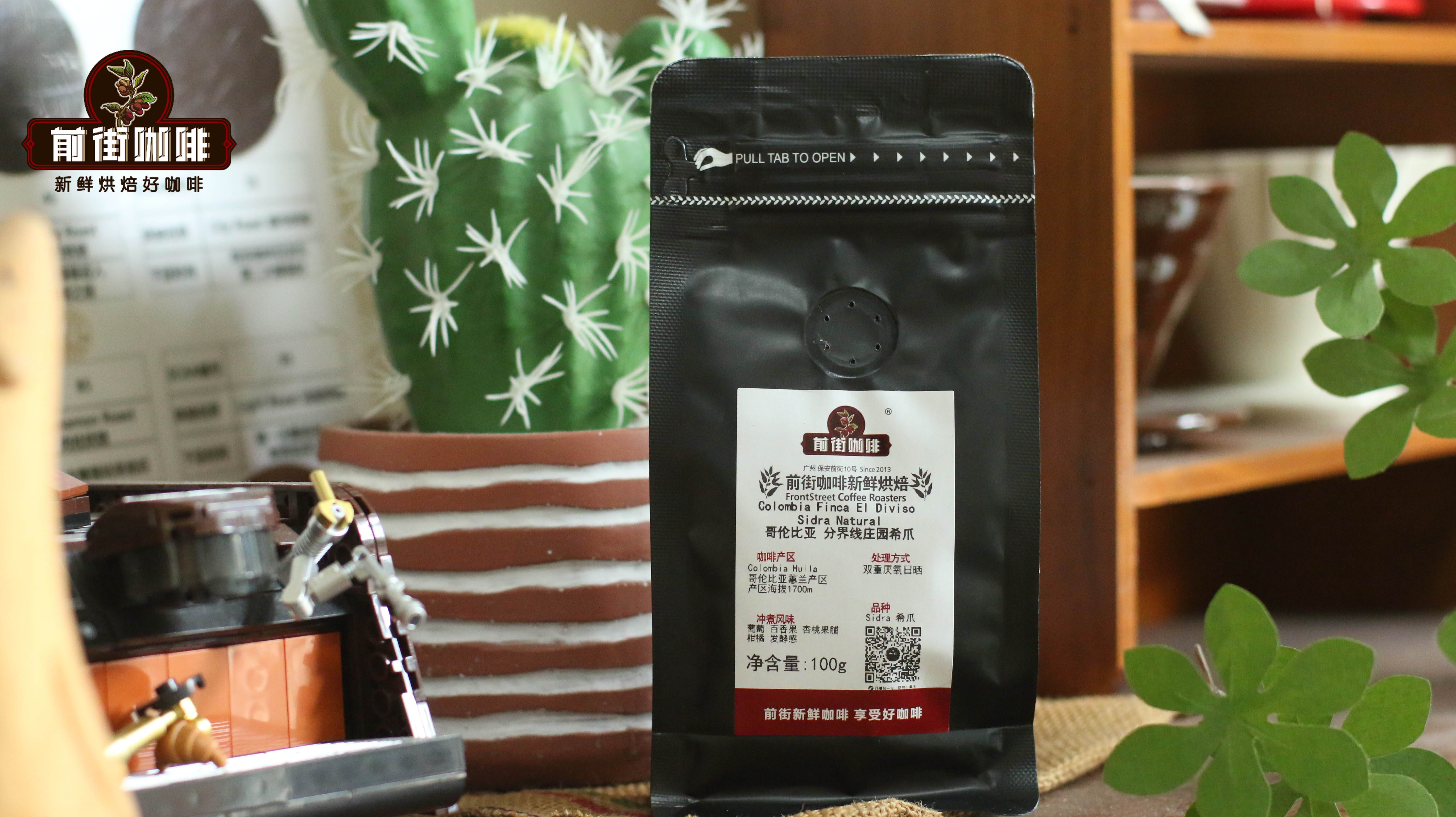
When people mention Colombian coffee, most think of El Diviso in the Huila producing area, La Roca in the Tolima producing area, La Esperanza in the Cauca producing area, and so on. These are relatively well-known Colombian coffee-producing areas and famous estates, but the Antioquia producing area is mentioned less often, simply because it is known for high yields. However, in fact, this producing area also has many estates that produce high-quality coffee, such as El Zacatin.
El Zacatin is located in the town of Concordia in the southwestern corner of Antioquia, and the estate is currently managed by Eduardo Fernandez and two other brothers. The estate is a family business, originally founded by the grandfather and father of these three brothers, and has now been growing coffee for nearly 80 years.
El Zacatin is on the mountain of Antioquia in the town of Concordia, where the entire town of Concordia can be seen. The coffee is grown on slopes at an altitude of 2,000-2,175 meters, and the processing plant is also built on the mountain, making it convenient to process immediately after harvest and ensuring the quality of coffee production. At present, El Zacatin mainly consists of 3 farms, namely Zacatin, Illusion, and La Costain. Among these 3 farms, about 200 hectares of land are used to grow commercial coffee beans such as Castillo.
In addition, in recent years, in order to ensure high yields while improving quality, 30 hectares of land have been set aside to grow high-quality coffee varieties such as Sidra, Java, Wush Wush, Pink Bourbon, SL28, and Gesha.
Although the Antioquia coffee-producing area has always been known for its coffee yield, this benefits from the region's rich natural resources. The Antioquia producing area is located in north-central Colombia, in the mountains of the Andes. It has many volcanoes, which provide fertile volcanic ash soil for crops. At the same time, it is close to the Caribbean Sea, with warm sea breezes, and multiple rivers bring abundant freshwater resources. In addition, the plateau and mountain climate creates a large temperature difference between day and night, long sunshine hours, and sufficient rainfall, all of which provide a uniquely favorable growing environment for coffee.
In addition, this is also the earliest region in Colombia to begin growing coffee. In the 18th century, coffee was introduced to Colombia by Jesuit missionaries and planted in the Antioquia region, after which it spread throughout the country. Combined with its large yield, it became an important coffee-growing region in Colombia.
The above content is compiled by CoffeeHunters, a coffee news website.


