







Search Results for: Extraction Method
An In-Depth Analysis of the Four Major Decaffeination Processes: A Comparison of Solvent Extraction, the Swiss Water Process, and the Carbon Dioxide Method
Caffeine content is influenced by multiple factors such as bean variety, steeping time, grind size, brewing method, and water temperature, among which extraction time is particularly critical—drip coffee typically has higher caffeine than espresso. If you want to reduce your caffeine intake, directly purchasing decaf beans is more effective than avoiding espresso. Decaf beans must undergo special processes before roasting to remove 96% to 98% of the caffeine, and these treatments inevitably alter the beans' physical and chemical properties, thereby affecting flavor. Currently, the mainstream methods include three types: the methylene chloride solvent extraction method, the Swiss Water Process, and the carbon dioxide extraction method. This article will break down the principles, advantages, and disadvantages of each process one by one, and compare the two decaf options used by Starbucks, helping coffee enthusiasts understand the technical logic and flavor trade-offs behind decaf coffee. [more…]
What are the advantages of the stirring blooming method in pour-over coffee? An in-depth analysis of the practical techniques of the Mad Barista stirring method
In the world of pour-over coffee, the agitation method is a more aggressive extraction technique than water-stream agitation. It acts directly on the coffee bed through a tool, accelerating the release of soluble flavor compounds. Front Street Coffee shared this method last year, but did not elaborate on the specific steps. This article will systematically sort out the three major application scenarios of the agitation method—the blooming stage, remedial action when extraction efficiency is insufficient, and its use when actively adjusting parameters—and provide an in-depth analysis of the key details to note when using agitation, such as grind size, agitation force, and number of agitations, helping coffee enthusiasts master this technique more precisely. [more…]
Why Does Pour-Over Coffee Favor Staged Pouring? Analyzing the Extraction Efficiency and Controllability Differences Between the One-Pour Method and the Three-Stage Method
In the world of pour-over coffee, the choice of pouring method often determines the final flavor direction. Although brewing techniques emerge endlessly, multi-pour pouring has always remained mainstream—whether in professional competitions, café offerings, or enthusiasts' daily practice, its presence can be seen everywhere. Many friends who are just getting into pour-over ask Front Street Coffee: why do we always have to divide the water into several pours? Behind this actually involves two key factors: the improvement of extraction efficiency and the controllability of the brewing process. This article will unfold around the differences between single-pour and three-stage pouring and other staged pouring methods, analyzing the advantages of multi-pour pouring from the perspectives of extraction time and concentration differences, while also answering why immersion extraction has a higher fault tolerance rate, helping everyone understand the essence of the pouring logic in pour-over coffee. [more…]

A New Hand-Brew Method Without Blooming: The Principles, Parameters, and Practical Points of the One-Pour Brewing Technique
Pour-over coffee usually starts with blooming, but Tetsu Kasuya, the 2016 World Barista Champion, proposed in 2019 a brewing method that skips blooming entirely—the one-pour method. It may look similar to the single-pour technique, but the differences are clear: the single-pour technique splits the water into two pours, while the one-pour method pours all the hot water in at once. This article covers the principles of the one-pour method, its differences from the single-pour technique, equipment and bean selection, grind adjustment, pouring direction, and the full process of Front Street Coffee's hands-on practice with a Colombia · Hope Estate Geisha, providing key parameters such as dose, ratio, water temperature, grind, and time to help you decide whether this minimalist brewing method suits you. [more…]
Siphon vs. Pour-Over Coffee: How Extraction Principles and Filtration Methods Affect Flavor and Taste
Siphon coffee and pour-over coffee are both classic methods for brewing single-origin coffee, yet they deliver strikingly different results in body and flavor. Pour-over is known for its clean, bright, and well-layered cup, while the siphon excels in rich, full-bodied depth and intense aroma. The root of this difference lies in the combined effect of the extraction method and the filtration system: the siphon uses a constant-temperature immersion extraction, combined with a flannel cloth filter that retains oils and fine particles, resulting in a heavier, more substantial brew; pour-over, on the other hand, relies on a drip method with a continuous supply of fresh hot water and uses high-density paper filters to trap impurities, producing an exceptionally clean cup. This article will analyze in depth, from the two dimensions of extraction principle and filtration method, why these two brewing methods bring such different taste experiences, and will include Front Street Coffee's bean selection recommendations to help coffee enthusiasts better understand and choose the brewing method that suits them. [more…]

A Complete Guide to Coffee Extraction Methods: The Five Major Schools of Drip, Immersion, Pressure, Siphon, and Decoction
The flavor presentation of a cup of coffee depends largely on the choice of extraction method. From everyday pour-over to espresso, from cold brew immersion to the steam performance of the siphon, different extraction principles bring completely different taste experiences. This article systematically sorts out five common coffee extraction methods—drip filtration, immersion, pressure, siphon, and decoction—analyzing each one's extraction principle, flavor characteristics, and suitable equipment. Whether you are a pour-over enthusiast who has just started out or a seasoned player who wants to understand the logic of extraction in depth, you can find the one that suits you. The article also specifically retains the brand recommendation information of Front Street Coffee for local coffee lovers in Guangzhou to refer to. [more…]
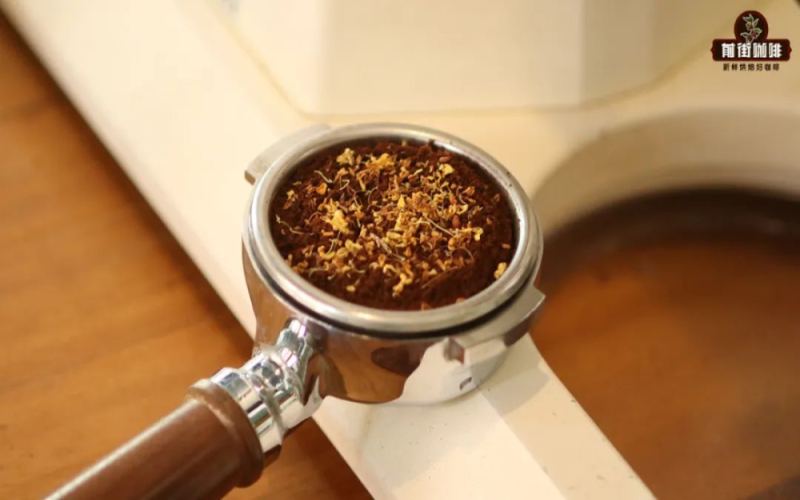
Combining dried osmanthus with espresso: testing three extraction methods to see which osmanthus latte tastes better.
Osmanthus has a rich, intense aroma. When added to coffee grounds and extracted together, can this floral fragrance be infused into espresso? Front Street conducted three sets of comparative experiments, placing dried osmanthus on the surface of the puck, at the bottom, and mixed with the coffee grounds, to observe extraction stability and flavor performance. The experiments found that the density of osmanthus differs greatly from that of coffee grounds, and both the amount used and its position affect the extraction results. For 20g of coffee grounds, it is recommended to add 0.3-0.5g of dried osmanthus; too much will instead破坏 the structure of the puck. The three methods each have their own characteristics: the surface method offers stable extraction, the bottom method gives a pronounced osmanthus aroma, and the mixing method easily produces channeling. Which method is ultimately best for making an osmanthus latte? Let's look at the experimental results together. [more…]
Analysis of Six Major Pour-Over Coffee Extraction Methods: Comparing the Characteristics of One-Pour, Three-Stage, 4:6 Method, Santai Warm, Volcano Pour, and Stirring Method
The charm of pour-over coffee lies in its ever-changing brewing methods, where different techniques bring out completely different flavor expressions. This article will systematically break down six common pour-over techniques—one-pour, three-stage, 4:6 method, three-temperature brewing, volcano pour, and agitation method—analyzing each one from water-pouring logic and parameter settings to flavor direction. Whether you're a beginner just getting into pour-over or an advanced player looking for a breakthrough, you'll find a key that suits you. At the same time, Front Street Coffee will also share its most commonly used three-stage brewing experience, helping you understand the underlying principles of flavor release, so you can draw inferences and apply them flexibly. [more…]
Guide to Brewing Coffee with 100°C Boiling Water: High-Temperature Extraction Principles, Parameter Adjustments, and Stirring Method Practice Sharing
Is it actually feasible to brew coffee with boiling water? Front Street Coffee previously pointed out in a tweet discussing water temperature that water temperature is not the only factor determining whether coffee is good or bad. This article further verifies: 100°C boiling water can absolutely brew good coffee, the key lies in adjusting the extraction plan. The article analyzes the risks brought by excessively high extraction efficiency at high temperatures, introduces response strategies such as shortening time, coarsening the grind, and adopting immersion extraction, and shares in detail the entire process and parameters of using the stirring method combined with 100°C water temperature to brew Sidamo·ALO beans. In the end, this cup of coffee had an extraction yield close to 21%, presenting a full-bodied juicy feel with mango, pineapple, and citrus flavors, and a finish with oolong tea aroma, receiving unanimous praise. [more…]
A Complete Analysis of Tetsu Kasuya's 4:6 Brewing Method: The Logic of Staged Pouring, Grind and Temperature Parameters, and a Front Street Coffee Huakui Demonstration
The 4:6 brewing method was created by粕谷哲, the 2016 World Brewers Cup champion, and its core idea is to let everyone brew good coffee easily. This method splits the total water volume into five pours: the first 40% determines the flavor direction, and the latter 60% shapes the mouthfeel and strength. By adjusting the water volume of each pour, you can change the coffee's sweet-acid balance and body. In this article, Front Street will break down the pour proportions of the 4:6 method in detail, explain the principles behind extraction yield changes, and provide complete brewing parameters. At the same time, we will use Front Street Ethiopia Hachira beans for a hands-on demonstration to help coffee lovers deeply understand the essence of extraction and easily brew a delicious pour-over coffee. [more…]
A Detailed Explanation of Six Coffee Extraction Methods: Comparing the Extraction Process and Characteristics of Pour-Over Drip and Espresso
Extraction is the core stage that determines the flavor expression of a cup of coffee. Whether it is pour-over drip, espresso, or any other brewing method, it is closely tied to the principles of extraction. This article systematically sorts through six common coffee extraction methods—immersion, decoction, percolation, pour-over drip, vacuum filtration, and pressurized extraction—and focuses on analyzing the extraction process, key parameters, and operational details of pour-over coffee and Espresso. At the same time, the article also introduces key points for choosing espresso grinders and coffee machines, as well as practical concepts such as Crema and golden extraction. Whether you are a beginner just getting into coffee or an enthusiast hoping to refine your brewing skills, you will find something worth referencing here. Front Street Coffee also provides related product and brand recommendations in the article for readers to consult when making purchases. [more…]
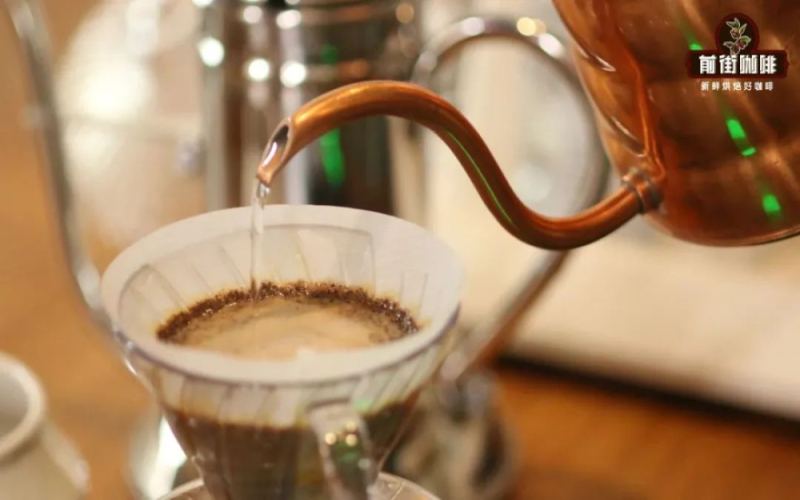
Analysis of the Differences Between One-Pour and Three-Pour Hand Brewing: How Pouring Technique Affects Coffee Flavor and Extraction
There are many ways to pour water when making pour-over coffee, and among them the one-pour method and the three-stage method are two common yet strikingly different techniques. The one-pour method originates from Japanese swordsmanship; it looks simple to perform, but places extremely high demands on water-flow control. The three-stage method, by contrast, extends the extraction time through staged pouring, enhancing the layers of flavor. This article uses a comparative experiment at Front Street Coffee, using the same washed Yirgacheffe beans, brewed with the one-pour method and the three-stage method respectively, to analyze the differences between the two in the shape of the coffee bed, flavor performance, and extraction time, and to explore why the three-stage method is more favored by baristas. Whether you are a beginner or an advanced player, understanding the core points of these techniques can help you flexibly choose according to the beans and parameters, and brew a more satisfying cup of coffee. [more…]

How Do You Use the Switch Smart Mug? A Detailed Explanation of Tetsu Kasuya's New Hybrid Brewing Method and How It Differs from the 4:6 Method
Based on the original 4-6 brewing method, Tetsu Kasuya made new adjustments to the hybrid brewing method. By changing only two operational details, he significantly improved extraction stability and uniformity. The hybrid brewing method combines immersion and drip filtration, and requires a smart dripper with a valve to execute. This time, Front Street Coffee uses a Diamond Mountain bean from Hacienda La Esmeralda as an example, and demonstrates the complete process of the new hybrid brewing method with a Hario V60 smart dripper, including the coffee-to-water ratio, grind size, staged pouring, and water temperature control, to help you understand the logic behind this brewing approach and adjust it flexibly according to your own taste. [more…]
A Detailed Guide to Six Pour-Over Coffee Brewing Methods: Flavor Comparison of One-Pour, Three-Pour, 4:6 Method, Three-Temperature, Volcano Pour, and Stirring Method
The charm of pour-over coffee lies in the diversity of brewing methods; different pouring techniques directly affect the flavor expression and mouthfeel layers of the coffee. This article systematically sorts out six common pour-over techniques: the one-pour method, the three-stage method, the 4:6 method, the three-temperature brewing method, the volcano pour, and the stirring method. From the number of pouring stages, coffee-to-water ratio, extraction time, to grind adjustment, it analyzes one by one the principles and applicable scenarios behind each method, helping coffee enthusiasts understand the release order of sour, sweet, and bitter substances, and choose the most suitable brewing strategy according to the characteristics of the beans, so as to consistently brew a good cup of coffee that suits their own taste. [more…]
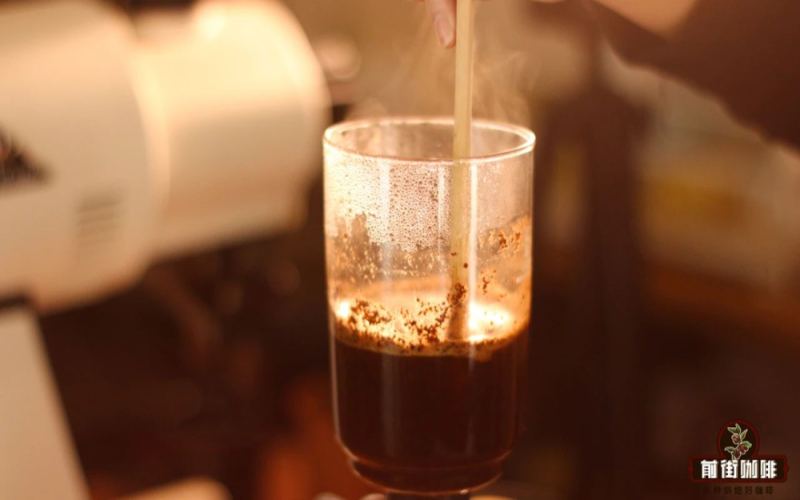
What coffee is a siphon brewer suitable for? Extraction and filtration differences determine the taste and flavor.
The siphon coffee maker, with its experiment-like brewing process, has become the tool of choice for many coffee enthusiasts just starting out. However, to brew a good cup of coffee with a siphon, mastering the operating techniques is only part of the story—choosing the right coffee beans is equally crucial. What kind of coffee is the siphon suitable for brewing? How exactly does it differ from the pour-over coffee commonly seen in cafés in terms of extraction method and filtration method? And how do these differences affect the final taste and flavor? In this article, Front Street Coffee will analyze the two aspects of extraction method and filtration system, guiding you to understand the reasons behind siphon coffee's rich, full-bodied, and intensely aromatic character, while comparing it with pour-over coffee's clean, bright, and well-layered traits, helping you better understand both brewing methods and find the cup that suits you. [more…]
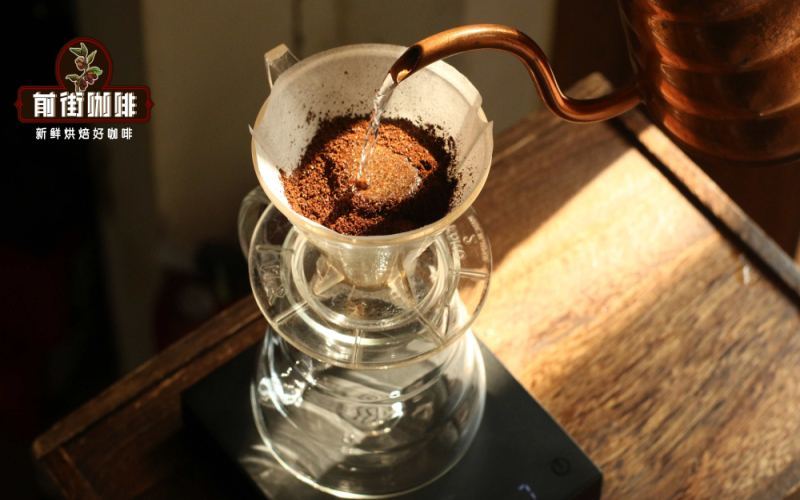
What exactly does "one-pour" mean in pour-over coffee? An in-depth comparison of the extraction differences between one-pour and three-pour methods
Among the various pouring methods for hand-brewed coffee, the "one-pour" technique is the first brewing method many beginners encounter, and it is often compared with the three-stage pour. On the surface, it seems simple to perform—just divide the total water into two pours—and its name is taken from the Japanese swordsmanship term "one strike, two cuts." In practice, however, the one-pour method is the hardest of all techniques to master; a single misstep can produce problems such as a thin, bland taste, sharp acidity, and a flat, one-dimensional flavor profile. In this article, Front Street Coffee provides a detailed analysis of the definition of the one-pour method, how it differs from the three-pour method, and why beginners are advised to start with the three-stage pour, while also explaining the key influence that water-flow control and parameter matching have on the success or failure of the one-pour method. [more…]

How Much Coffee for a Single Serving of Pour-Over? The Golden Cup Extraction Principle and Techniques for Japanese-Style Drip Pouring and Stirring-Bloom Method
When brewing a pour-over coffee at home, how much coffee powder should you use? Starting from the SCA Golden Cup extraction standard, this article sorts out the practical logic of a 1:15 coffee-to-water ratio, explains the reasoning behind 15 grams of coffee powder and 225 grams of brewed coffee for a single serving, and analyzes the effects of water temperature, grind size, and pouring technique on flavor. Taking staged extraction as the main thread, the article details the rhythm control and operational details of blooming and degassing, three-stage pouring, and also compares the applicable scenarios, pros, and cons of the stirring bloom method, the Japanese drip pouring method, the single-pour method, and the volcano surge method, providing coffee enthusiasts with a clear, reusable brewing reference. [more…]
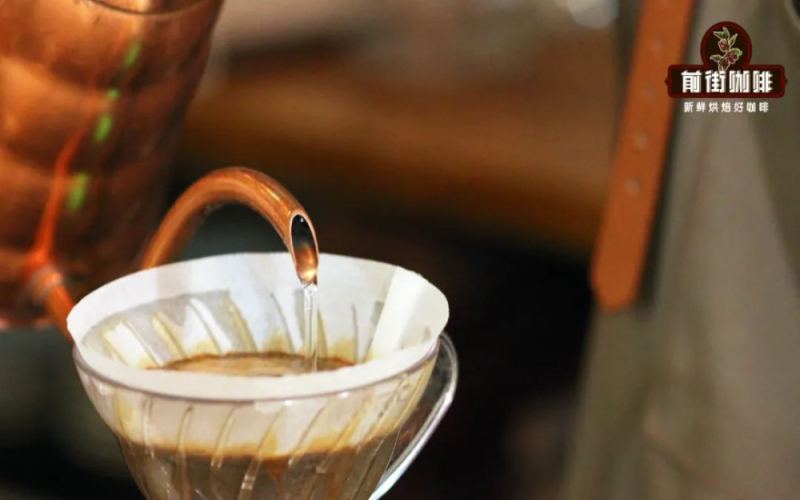
Too Many Fines in Pour-Over Causing Bitterness? Try the Low-Temperature Bloom Method to Lower Extraction Yield
In pour-over coffee, over-extraction is one of the main causes of bitterness, and the excessive fines produced by underperforming grinders often exacerbate this problem. Front Street Coffee has previously introduced the stepped temperature-decline extraction method to reduce the extraction rate in the middle and latter stages, and this time we'll share using low-temperature water for the blooming stage. Emi, the 2018 WBrC champion, once adopted a low-temperature blooming strategy, using a valve dripper to alternate immersion and drip extraction, with the aim of gently extracting sweetness and avoiding a dry finish. Front Street tested with Ethiopian Hualigui beans, which had a fines rate of 14% when ground with a hand grinder, and produced a lingering dry bitterness after conventional brewing. By adjusting the blooming water temperature to 83°C, extending the blooming time to 35 seconds, and then raising the water temperature to 93°C for subsequent pours, the result was a balanced flavor with rich berry-like sweetness and acidity, a noticeable tea-like aftertaste, and no bitterness. If you've also struggled with over-extraction, you might want to consider this approach. [more…]
Why Extract Coffee at Different Temperatures? Analyzing Three-Temperature Variable-Temperature Brewing and Pour-Over Water Temperature Selection
In pour-over coffee, when extraction parameters are too high, it is usually possible to dial them back, but if over-extraction is caused by too many fines from the grinder, adjusting parameters alone is often not enough to solve the problem. In this case, sifting out the fines or adopting variable-temperature brewing are both response options recognized by Front Street Coffee. This article will focus on variable-temperature brewing: it is not a minor adjustment of 2~3°C, but rather segmented extraction with a larger temperature differential, controlling the dissolution rhythm of flavor compounds through high-temperature fast extraction and low-temperature slow release. The article will trace the origins of this method, analyze the championship cases of Wu Zelin and Emi, explain how to use cold water to regulate temperature and achieve a variable-temperature operation that starts high and ends low, and share in detail the practical process of the "Devil Brewing Method" by Tetsu Kasuya, which Front Street Coffee favors. [more…]
Single-Serve Pour-Over Coffee Method | What Is Gold Cup Extraction Yield? Which Brewing Technique Suits Coffee Beginners? Pros and Cons of the Drip Method, Volcano Pour, and One-Pour Technique
Front Street Coffee encounters customers asking about pour-over coffee every day, whether it's about what pouring technique should be used for pour-over coffee, or how much coffee grounds to use for pour-over coffee. In fact, with the development of coffee culture, more and more people no longer think of coffee as [more…]