







Search Results for: Pressurized
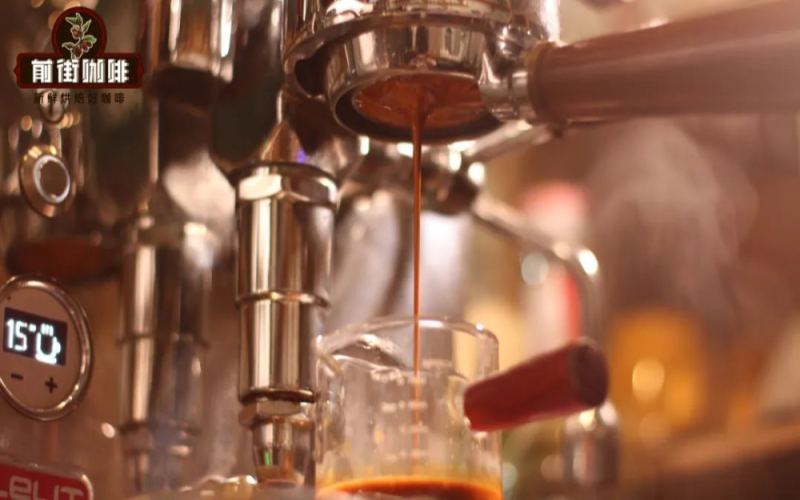
Analysis of Three Major Causes of Abnormal Espresso Flow Rate: Grind Retention Differences, Burr Temperature Rise Effects, and Boiler Load Issues
Same beans, same grind setting and dose—so why does the espresso extraction time keep swinging between fast and slow? Many coffee lovers have run into this puzzle. Drawing on Front Street Coffee's hands-on experience, this article systematically breaks down three common causes of extraction differences: the grind discrepancy between tamping and not tamping, the temperature rise effect after the burrs run continuously, and the load problem when the espresso machine's boiler is extracting and steaming milk at the same time. Understanding these variables will help you control extraction stability more precisely in your daily brewing. [more…]

What coffee beans are used for convenience store drip Americano? Guide to the differences between atmospheric and pressurized extraction and Americano bean recommendations
Convenience store freshly ground Americano is just one click away, but how does it differ from the Americano at a coffee shop? The key lies in the extraction method: drip filtration uses normal pressure, while espresso machines rely on pressurized extraction. This article provides a detailed comparison of the construction and output characteristics of the two types of coffee machines, and analyzes the origin of Americano and its mixing ratios. For different extraction devices, Front Street Coffee offers bean selection advice: for normal-pressure drip filtration, any pour-over bean can be chosen; for pressurized espresso, a blend is recommended to ensure balance and stability. Finally, we highlight the recommendation of Front Street Classic Espresso Blend, where the dark roast brings rich crema, balancing both Americano and latte. [more…]

Is the Crema of espresso actually oil? Unraveling the mystery of real and fake coffee crema and its essential causes
The layer of golden, dense foam on the surface of espresso is often called "crema" and hailed as the soul of espresso. But have you ever considered that this layer of "crema" is not actually real oil? Recently, Front Street Coffee came across online discussions about "real vs. fake crema," which sparked curiosity among many coffee enthusiasts. This article will start from the essential composition of crema, explain why it is mistranslated as oil, analyze how pressurized extraction and coffee bean characteristics together create this emulsified foam, and further clarify the difference between "real oil" and "fake oil." Whether you are a beginner just starting out or a seasoned connoisseur wanting to understand the principles of espresso more deeply, you will find clear answers here. [more…]

Moka Pot Usage Illustrated Guide: From Coffee-to-Water Ratio to Crema Extraction, with Coffee Bean Recommendations and Analysis of New Pressure-Enhanced Models
As the home brewing tool that comes closest to an espresso machine, the moka pot is practically standard equipment in Italian kitchens, yet it remains unfamiliar to many coffee enthusiasts in China. Drawing on the sharing from Front Street Coffee, this article systematically breaks down the moka pot's construction and principles, the complete operating steps, and safety precautions, helping you solve practical challenges such as choosing the grind size, controlling the water level, and adjusting the heat. At the same time, for those seeking rich crema extraction, it recommends medium-dark roasted blend beans and SOE single-origin beans, and introduces the design changes and differences in actual performance of the new pressurized dual-valve moka pot launched by Bialetti, so that you can consistently brew a rich coffee with crema at home. [more…]
How Does Golden Mandheling Differ from Espresso? A Full Analysis of Indonesian Sumatra Coffee Bean Flavor and Brewing
Many coffee enthusiasts often confuse Mandheling with espresso, but in fact the two are completely different in terms of bean selection, extraction principles, and final flavor. Starting from Front Street Mandheling, this article systematically sorts out the concepts of single-origin and blended coffee beans, the differences among the three extraction methods of drip filtration, immersion, and pressure, and explains in detail the origin characteristics of Indonesian Sumatra Mandheling, the grading standards of PWN Golden Mandheling, as well as the brewing parameters and techniques recommended by Front Street. It will also explain the extraction conditions of espresso and whether single-origin Mandheling can be used to make espresso. Whether you are a pour-over enthusiast or an espresso devotee, you can find clear answers here. [more…]

Can Espresso Be Extracted Twice After an Interrupted Shot? Testing the Impact of Split Extraction on Flavor and Strength
If you mistakenly press the stop button during espresso extraction before reaching the target yield, can you simply press it again to continue extraction? This article compares three espressos—normal extraction, mid-extraction stop-start, and stop-start near the final phase—to analyze how segmented extraction affects the color, flavor, and concentration of the coffee liquid. Front Street Coffee uses the Warm Sun blend, testing with 20g of grounds extracted to 40ml at a 1:2 brew ratio, to reveal why under pressurized extraction, changes in the puck structure cause an overly fast flow rate and under-extraction during a second extraction, along with operational recommendations. [more…]
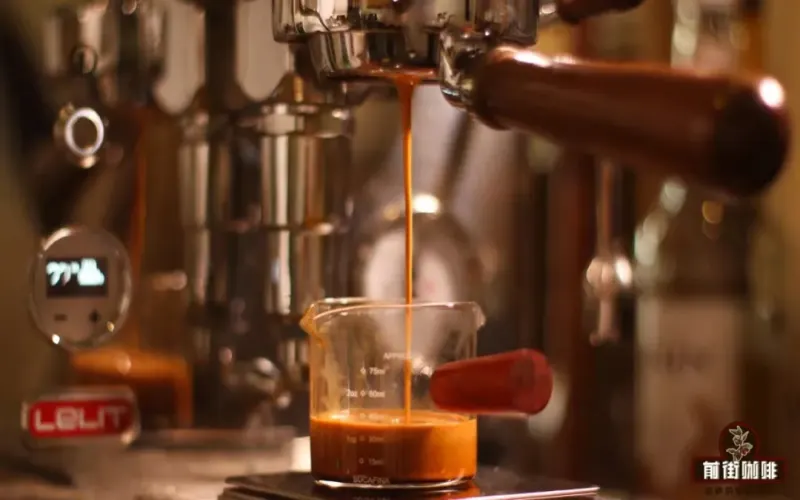
How does water temperature influence coffee extraction efficiency and crema formation? Can it also change espresso flow rate?
Water temperature is a key variable in coffee extraction, as it directly determines the dissolution rate of flavor compounds. In pressurized espresso extraction, the role of water temperature goes far beyond simply affecting the extraction yield—it also alters the release rhythm of carbon dioxide, thereby influencing the thickness and texture of the crema, and even affecting the flow rate of the coffee liquid. Front Street Coffee once mentioned in an analysis of crema hardening that when extraction efficiency is too high, carbon dioxide surges out in a concentrated burst, making the crema layer thicker, and water temperature is one of the factors driving this change. Starting from Front Street Coffee's observations, this article sorts out the interconnected relationships between water temperature and extraction efficiency, crema formation, and flow rate, to help you control the variable of water temperature more precisely in your daily brewing. [more…]
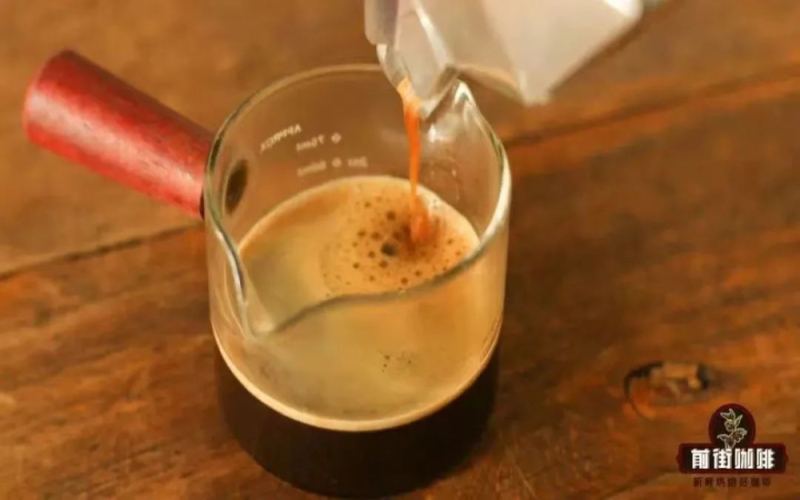
Does Moka Pot Coffee Count as Espresso? Tracing the True Origin of Crema Through the Evolution of Extraction Pressure
Both moka pots and espresso machines use pressurized extraction, so many people regard the moka pot as a home version of an espresso machine, and even believe that what it makes is espresso. But can the two really be equated? This article starts with the birth of the coffee machine and its pressure iterations, sorts out the process by which the definition of Espresso was established, and traces the evolution of the moka pot from its introduction in 1933 to the dual-valve version in 2020. You will discover that the pressure gap between 1~2 bar and 9 bar determines the essential difference in coffee concentration and Crema thickness. At the same time, it will also explain what kind of beans to choose if you want moka pot coffee to be richer and have more oils, and why the Front Street Coffee espresso bean series is suitable for home beginners. [more…]
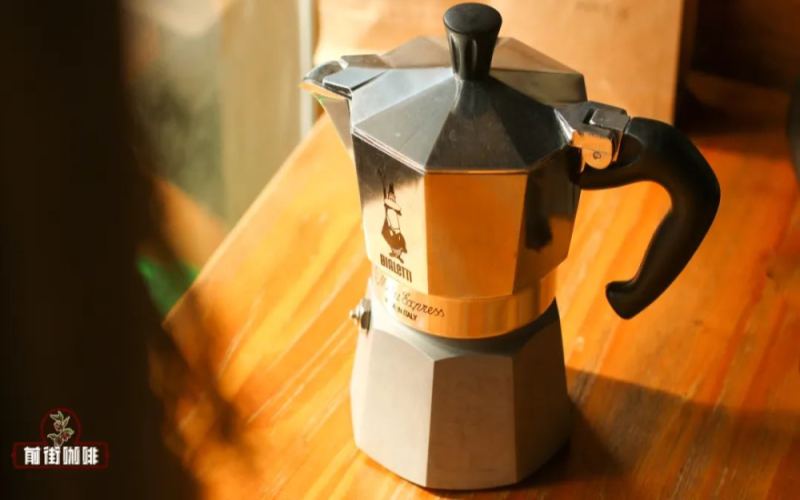
How many cups can a moka pot brew repeatedly? Is heating with an alcohol lamp feasible? Answers to three common questions
The moka pot, like an espresso machine, uses pressurized extraction to produce a strong coffee close to espresso. As coffee culture spreads, more and more people are picking up a moka pot, but beginners inevitably run into all kinds of problems when operating one. In this article, Front Street Coffee rounds up the three most common troubles encountered when using a moka pot: coffee shooting straight out, coffee failing to come out, and brewed coffee with no crema, along with the corresponding cause analysis and solutions for each. It also answers questions such as whether a moka pot can brew multiple cups in a row and whether a Bialetti moka pot can be heated with an alcohol lamp, helping coffee lovers better master this small yet practical device. [more…]
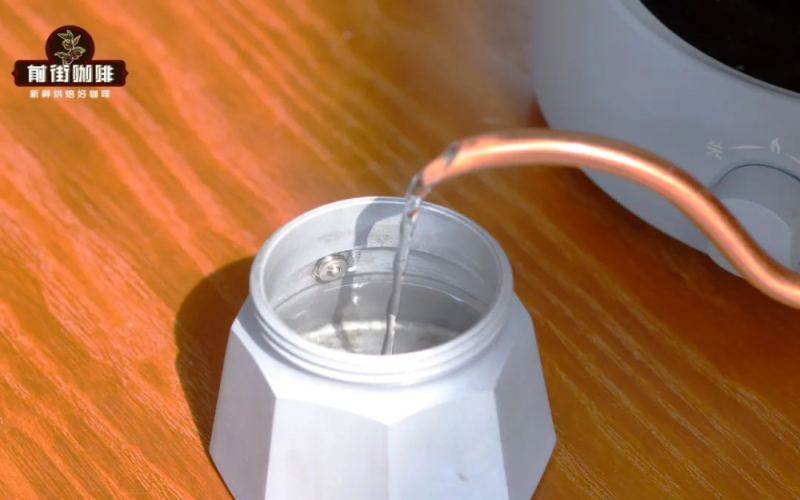
Moka Pot Tutorial Illustrated | How Does a Moka Pot Brew Espresso-Style Black Coffee with Crema? Can Brazil Queen's Estate Yellow Bourbon Be Brewed in a Moka Pot? What's the Difference Between Single-Valve and Dual-Valve Moka Pots?
For more specialty coffee knowledge, please follow: Front Street Coffee (Frontsteet Coffee). The moka pot is a coffee device very close to an espresso machine, capable of making rich, aromatic coffee with crema. It is deeply loved by Italian households. But for us, the moka pot is rarely encountered, therefore [more…]
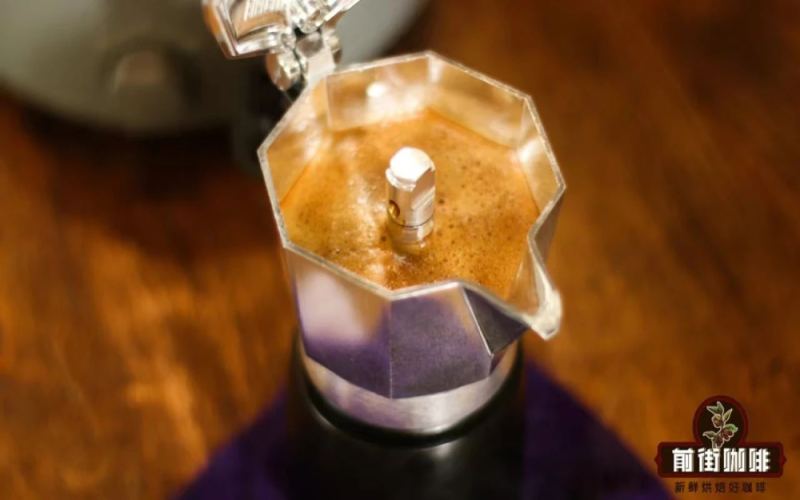
New Moka Pot Buying Guide: Core Differences Between Single-Valve and Double-Valve and Key Usage Points Explained
With its simple operation and rich flavor, the moka pot has become the preferred tool for many coffee lovers to make espresso-style coffee at home. Faced with the many choices on the market between single-valve and double-valve, old and new models, beginners often don't know where to start. This article will begin with the extraction principle of the moka pot, compare in detail the differences between the three styles—single-valve, gravity-pressurized double-valve, and the latest built-in hydraulic layer double-valve—and explain their respective advantages and disadvantages in terms of crema performance and ease of cleaning. At the same time, the article will also share recommendations for choosing coffee beans suitable for the moka pot, including the flavor characteristics of Front Street Coffee's Specialty Blend, Classic Blend, and Dark Cocoa Blend, and focus on explaining the key control points for moka pot grind size, helping readers safely and efficiently extract their ideal cup of coffee. [more…]
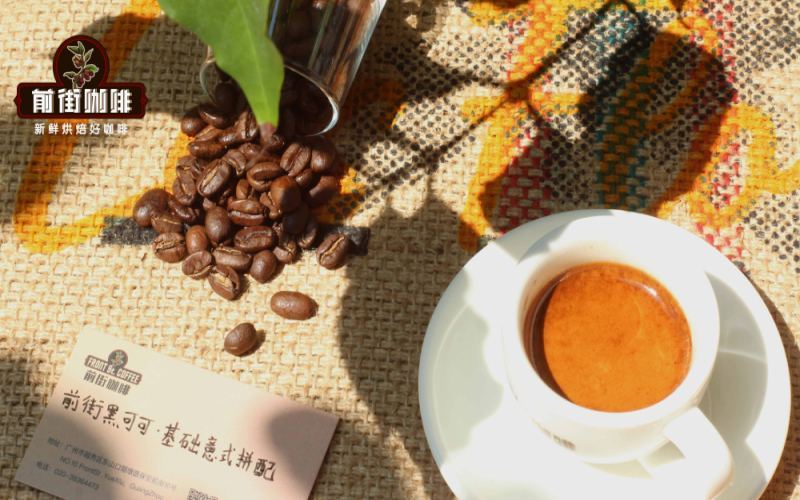
Philips HD7450/70 Home Coffee Machine Coffee Bean Selection Guide: From Machine Features to Front Street Dark Cocoa Blend Recommendation
The Philips HD7450/70 is an easy-to-use, thoughtfully designed household drip coffee maker that has become the top choice for many home users thanks to practical features such as drip-stop, dishwasher-safe parts, and a semi-transparent water tank. However, choosing the right machine is only the first step—pairing it with suitable coffee beans is equally crucial. Since this model uses pressurized extraction, the coffee comes out stronger, which tends to amplify the beans' inherent flavor characteristics—light roasts taste more acidic, and dark roasts taste more bitter. Therefore, beginners need a blend that delivers consistent results and is forgiving of mistakes. This article will combine the extraction characteristics of the Philips coffee maker to analyze the types of coffee beans suited to it, and will focus on introducing the flavor performance and suitable scenarios of Front Street Black Cocoa Blend, helping coffee enthusiasts who are just starting out easily find the right choice. [more…]
Getting Started with Home Pour-Over Coffee: How to Choose Coffee Beans and Brewing Methods That Suit You
Faced with a dazzling array of coffee beans, many people don't know where to start. In fact, choosing beans isn't complicated—the key is to first figure out your brewing method, then make your decision based on roast date, regional flavor, and grind form. This article starts with the difference between single-origin and blended coffees, helps you sort out which bean types suit pressurized versus drip methods, explains how fresh roasting and resting affect flavor, and offers flavor selection directions according to the three major regions: Africa, Central and South America, and Asia. It also answers the common confusion of whether to buy whole beans or ground coffee, and recommends several representative beans and drip bag products from Front Street Coffee, so that even beginners can easily find a cup that suits their taste. [more…]
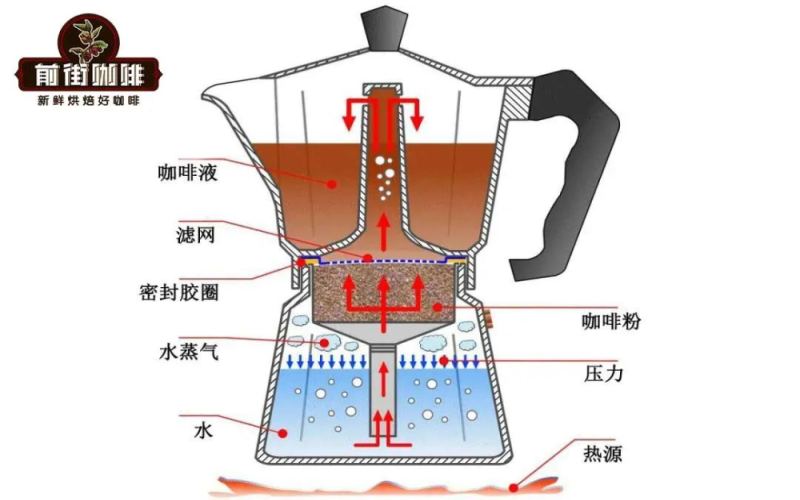
Moka Pot Tutorial | How to Use a Bialetti Moka Pot? How to Brew Delicious Coffee with a Moka Pot? Should You Brew with the Moka Pot Lid Open?
Introduction The moka pot was invented in 1933 by the Italian Alfonso Bialetti. It brews coffee by heating the base, is a type of percolator, and is the most affordable machine for making espresso; it is also commonly used in Italian households. How to make [more…]
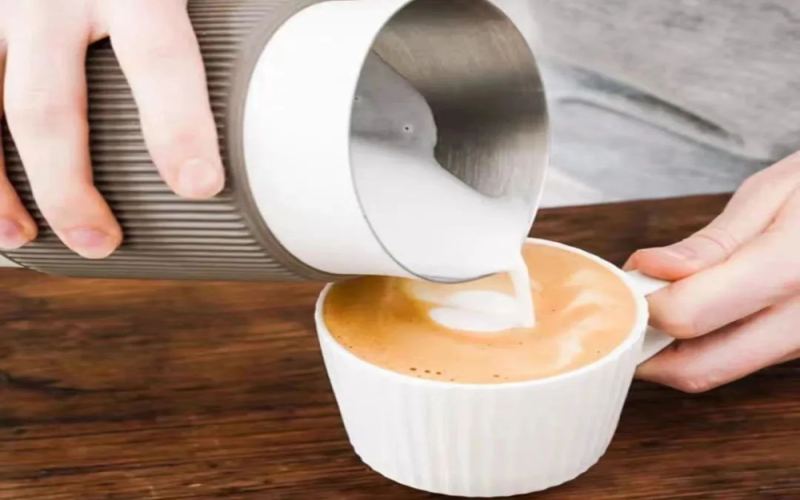
A Detailed Guide to Using the Fully Automatic Milk Frother NanoFoamer Pro: Can Electric Milk Frothing Achieve Latte Art Effects?
To create outstanding latte art, dense and velvety milk foam is the fundamental prerequisite, and this typically relies on a pressurized espresso machine. However, in a home setting, even with an espresso machine, it is difficult to produce ideal milk foam without long-term practice. Most electric milk frothers on the market struggle to achieve the fine texture required for latte art; the foam is often coarse and clumpy, good enough at best for making a heart shape. Recently, a fully automatic milk foam whipper called NanoFoamer Pro has drawn attention, claiming to produce coffee-shop-quality milk foam and making "latte art freedom" at home a possibility. This article will provide a detailed introduction to this product's operating steps, function modes, pricing information, and design highlights, and explore whether electric milk frothing can truly be used for latte art. [more…]
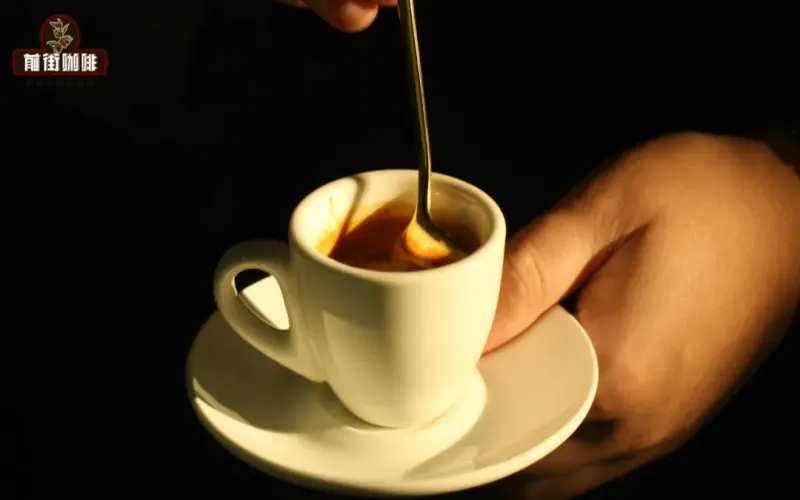
Where does espresso flavor come from? How to choose espresso beans? Five tips to teach you how to taste Espresso
Espresso often leaves a first impression of being "bitter," which puts off many first-time tasters. But those who truly know how to appreciate it can taste layers and pleasure in this small cup of coffee. From the perspective of Front Street, this article systematically sorts out the three major advantages brought by espresso's pressurized extraction—Crema, rich lipids, and ultra-high concentration—and shares five practical tasting tips: first rinse your mouth with water, stir to blend the oils, smear the oils around the rim of the cup to adapt, take small sips in several rounds, and choose Italian-style beans with a medium roast. At the same time, it introduces how Front Street's classic blend, with a combination of Mandheling, Brazil, and a small amount of Robusta, presents a chocolate-hazelnut profile that is strong but not bitter, helping you more easily enjoy a cup of espresso. [more…]
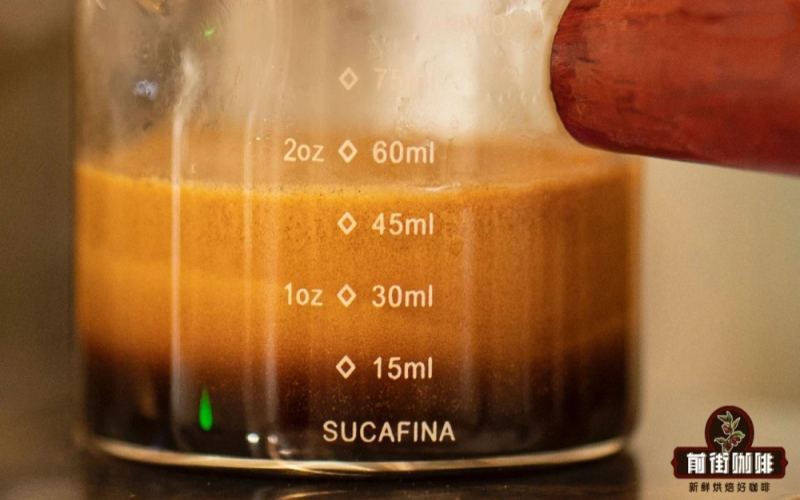
After an espresso extraction is interrupted, can it be resumed? Testing the impact of segmented extraction on flavor and flow rate
When making espresso, extraction occasionally ends prematurely due to an accidental touch or oversight. Some people wonder: since it wasn't extracted enough, can we just press the button again to continue extracting, like with pour-over? Front Street used the Warm Sun blend to conduct a comparative experiment, testing three scenarios: normal extraction, extraction resumed after being interrupted midway, and extraction resumed after being interrupted near the end. The results showed that after restarting, the flow rate was extremely fast, the color was pale, and the flavor was noticeably thin; even with further extraction, it was difficult to fully extract the remaining substances. This article will start from the principle of pressurized extraction in espresso machines to explain why the same puck is not suitable for secondary extraction, and what the more reliable approach is when an accidental interruption occurs. [more…]
Can a Moka Pot Replace an Espresso Machine? Exploring the Real Differences in Extraction Strength and Crema Performance
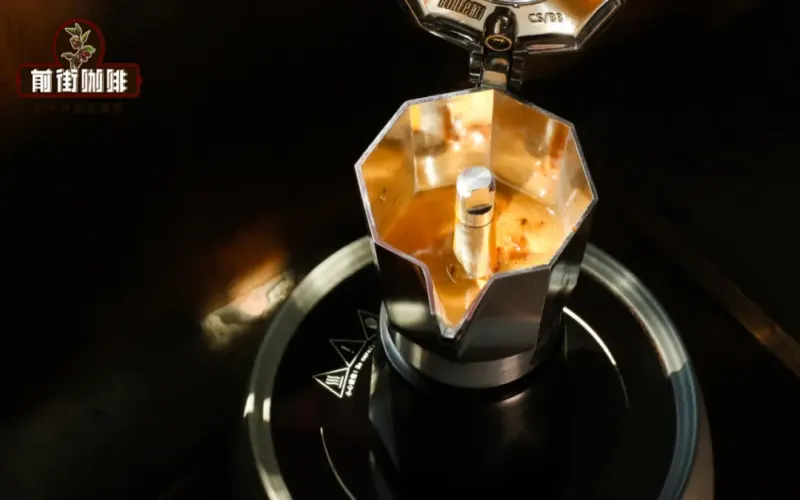
Many coffee enthusiasts considering a Moka pot wonder: can it replace an espresso machine? After all, espresso machines are quite expensive, while Moka pots are much more affordable. The "replacement" mentioned here is not a complete functional substitute, but rather whether the coffee made with a Moka pot can stand in for espresso in making drinks. Although both use pressurized extraction and produce a concentration higher than single-origin coffee, what are the actual differences in performance? Front Street Coffee analyzes this through comparative experiments, examining concentration, crema, and mouthfeel one by one, and explains that the Moka pot's maximum pressure is only about 3 bar, while an espresso machine can reach 9 bar, which determines that it cannot replicate the thick, heavy texture of espresso. However, the Moka pot was never designed to replace the espresso machine; its portability, ease of use, and affordability are enough to meet light daily needs. [more…]

Moka Pot Usage Guide with Illustrations | How to Brew Coffee with Crema Using a Moka Pot? Which Coffee Beans Are Suitable for a Moka Pot? What Should You Pay Attention to When Brewing Coffee with a Moka Pot?
For more specialty coffee knowledge, please follow: Front Street Coffee (Frontsteet Coffee) The moka pot is a coffee device that is very close to an espresso machine, capable of producing rich, aromatic coffee with crema. It is deeply loved by Italian families. But for us, the moka pot is rarely encountered, so [more…]
What is the normal extraction pressure for an espresso machine? How should the grind size be adjusted appropriately?
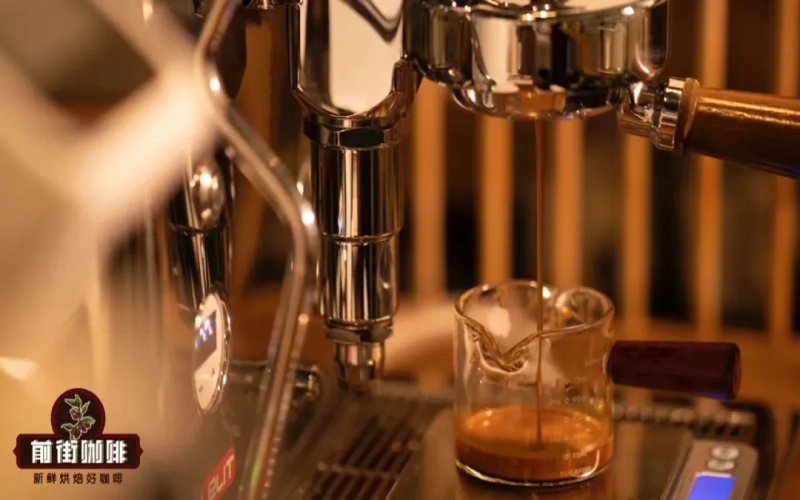
The biggest difference between espresso machines and brewing methods like pour-over and French press is that they use pressurized extraction. It is precisely the presence of pressure that allows espresso to complete extraction in an extremely short time and form that iconic golden layer of Crema. Generally speaking, the extraction pressure of a coffee machine fluctuates around 9 bar, but many home coffee machine users find that the pressure struggles to climb to 9 bar and often stays between 5 bar and 7 bar, resulting in weak and sour coffee. The key behind this actually lies in whether the resistance of the puck is sufficient. This article will analyze the reasons for insufficient pressure and provide specific adjustment suggestions from three aspects: grind size, dose, and tamping force, to help you extract rich and balanced espresso at home as well. [more…]