







Brewing Coffee with Boiling Water: Key Adjustments for a Balanced Cup
Using 100°C water for coffee is feasible, but it requires a different approach. Because boiling water extracts very quickly, you need to shorten the brew time, use a coarser grind, or switch to immersion methods. This prevents over-extraction and keeps bitterness and astringency in check. The goal is to match other variables, like grind size and contact time, to the high temperature.
A stirring method with 100°C water and Sidamo ALO beans produced a cup with nearly 21% extraction yield. The result was a full, juice-like body with mango, pineapple, and citrus notes, plus an oolong tea finish. This shows that with careful parameter adjustments, boiling water can deliver a sweet, complex coffee without the harsh flavors often associated with high-temperature brewing.
Is it actually feasible to brew coffee with boiling water? Front Street Coffee previously pointed out in a tweet discussing water temperature that water temperature is not the only factor determining whether coffee is good or bad. This article further verifies: 100°C boiling water can absolutely brew good coffee, the key lies in adjusting the extraction plan. The article analyzes the risks brought by excessively high extraction efficiency at high temperatures, introduces coping strategies such as shortening time, coarsening the grind, and adopting immersion extraction, and shares in detail the entire process and parameters of using the stirring method with 100°C water temperature and Sidamo·ALO beans for brewing. In the end, this cup of coffee had an extraction yield close to 21%, presenting a full juice-like body with mango, pineapple, and citrus flavors, and an oolong tea aroma in the finish, receiving unanimous praise.

About two weeks ago, Front Street Coffee talked with everyone about the topic "What is the most suitable water temperature for brewing coffee?" At that time, the article especially emphasized that water temperature is not the only variable determining whether a cup of coffee tastes good. Factors such as grind size and extraction time also play a key role. Even if the water temperature you use is extreme, as long as the other conditions can be matched properly, you can still make a satisfying cup of coffee.
Later, a reader left a message for Front Street Coffee in the background: By this logic, then if you heat the water to boiling 100°C, can you also brew good coffee?
The answer is yes! In fact, in the comment section of that article, some friends mentioned that Taiwanese barista Amis has always used 100°C water for pour-over. Not only that, but a host of big names in the coffee world such as James Hoffmann and Scott Rao have each shared methods for extracting coffee with 100°C boiling water. From this, it can be seen that brewing coffee with boiling water is completely feasible.
Then why do we rarely see people using 100°C water to brew coffee in daily life? The fundamental reason is that boiling water's extraction power is simply too strong. If operated according to conventional methods, the bitterness, astringency, and off-flavors in coffee are easily brought out in large amounts, and the margin for error is very small.
Therefore, if you want to brew a good cup of coffee with 100°C water, you must start with other links in the extraction plan, and avoid over-extraction by adjusting parameters or changing techniques. The two most common ideas are: first, shorten the extraction time; second, grind the coffee beans coarser. Both are effective choices.
The reason is that most of those undesirable flavor compounds are macromolecules, and their dissolution rate is inherently slower than that of pleasant small molecules. Shortening the extraction time can effectively suppress the release of such substances; while coarsening the grind can reduce the total surface area of coffee grounds in contact with water (compared with fine grinding), and at the same time reduce the amount of fines, thereby giving boiling water a greater margin for error, and ultimately reducing the bitter substances in the cup accordingly.
In addition, we can also use specific pouring techniques to match 100°C water temperature and make delicious coffee. For example, the stirring method commonly used by Amis, or one-pour flow, single-pour method, and so on. These techniques share one thing in common - they all have the characteristics of "immersion extraction."
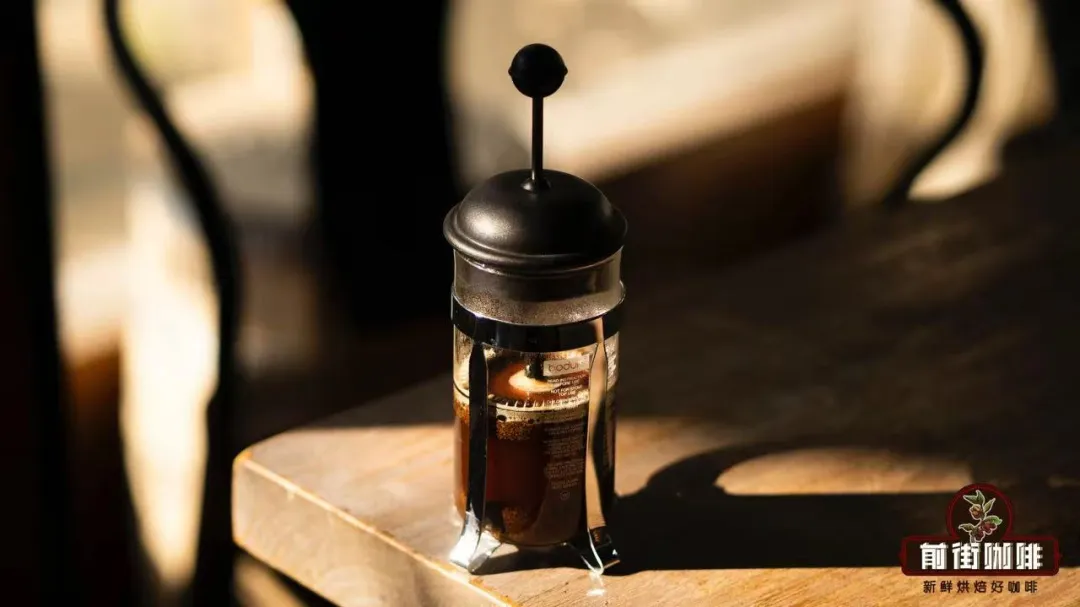
The so-called characteristic of immersion extraction, plainly speaking, is this: the liquid concentration will not be constantly refreshed, and the extraction efficiency will gradually decrease as the concentration rises. French press and clever dripper are typical devices for this type of extraction. Anyone who has used them knows that no matter how high the water temperature is or how long it steep, the coffee is not very likely to over-extract. The reason is that once the liquid concentration accumulates to a certain level, the extraction efficiency becomes extremely low.
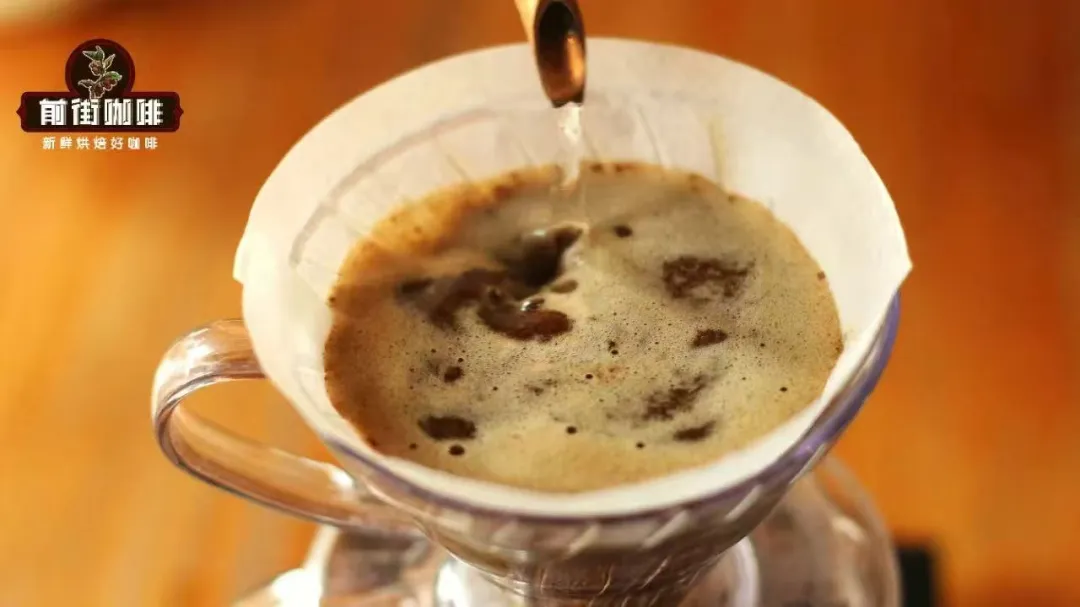
As for pouring methods such as the stirring method, one-pour flow, and single-pour method, they all pour a large amount of hot water in at once at a certain stage, causing the pouring speed to exceed the permeation speed. As a result, a large amount of hot water accumulates in the dripper, forming an "immersion extraction" state in a short time.
Afterward, because the liquid concentration in the cup keeps climbing, the extraction efficiency also continues to decline. So even if the water temperature is as high as 100°C, this immersion characteristic makes it unlikely to produce over-extracted coffee.
But note, it is "unlikely" to over-extract, not "absolutely will not." When the coffee beans are roasted too dark, or the bean quality itself is not good enough, 100°C water can still easily brew bitter and astringent over-extracted coffee. Therefore, Front Street Coffee suggests trying not to use boiling water to brew dark-roasted beans or beans of poor quality. Below, Front Street Coffee will demonstrate how to brew a good cup of coffee with 100°C boiling water.
Brewing sharing
Last time a friend left a message saying they wanted to try the stirring method for pour-over, so in today's brewing sharing, Front Street Coffee will use the stirring method. The beans selected this time are Sidamo·ALO. Its medium-light roast is enough to withstand boiling water temperature and will not be "scalded" (just kidding). The extraction parameters are as follows:
Dose: 15g Grind setting: Ek43 setting 7, 90% passing rate on No. 20 sieve (previously 10 setting for the 92°C three-stage method, 75% passing rate on No. 20 sieve) Brewing water temperature: 100°C (previously 92°C for the three-stage method) Coffee-to-water ratio: 1:15 Brewing method: stirring method
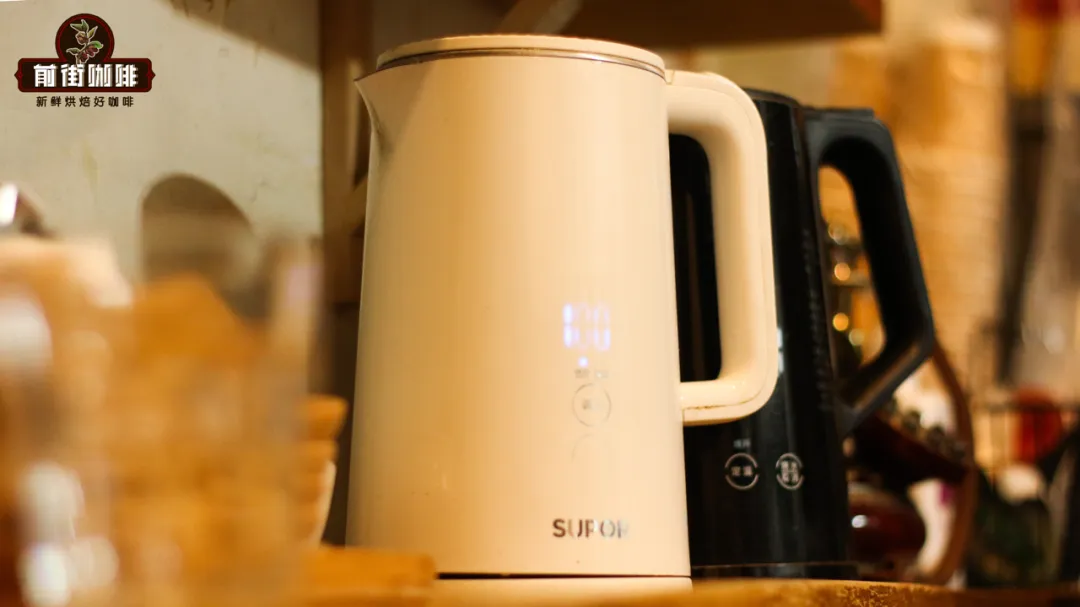
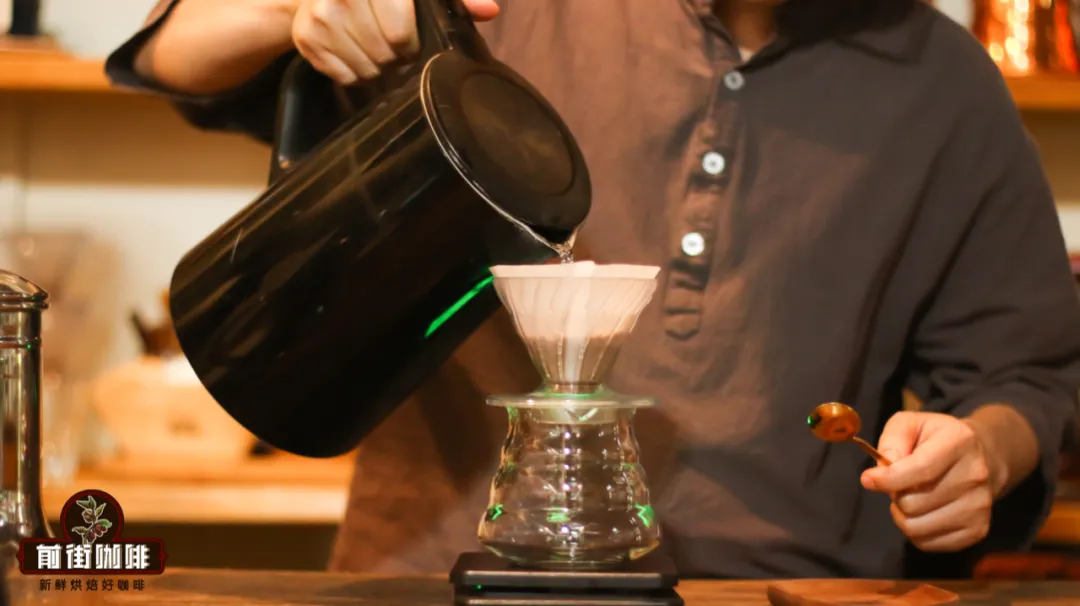
(One more note here: Front Street Coffee will directly use the kettle to brew this time. Because the pour-over kettle used by Front Street Coffee is a version without temperature control, the hot water in the kettle needs to be boiled separately in a kettle and then poured in. And after 100°C water is poured in, it will inevitably cool down because it absorbs heat. To ensure the rigor of brewing, Front Street Coffee will brew directly with the kettle this time. So this article could also have another title: How to brew coffee with a kettle.)
It is recommended that everyone prepare all materials in advance, so that as soon as the water temperature reaches 100°C, brewing can begin immediately.
The entire pouring process is mainly divided into two stages. In the first stage, pour 90ml of hot water. After pressing the timer, pour it all out quickly in one go (actually, once the parameters are right, not timing is also fine).
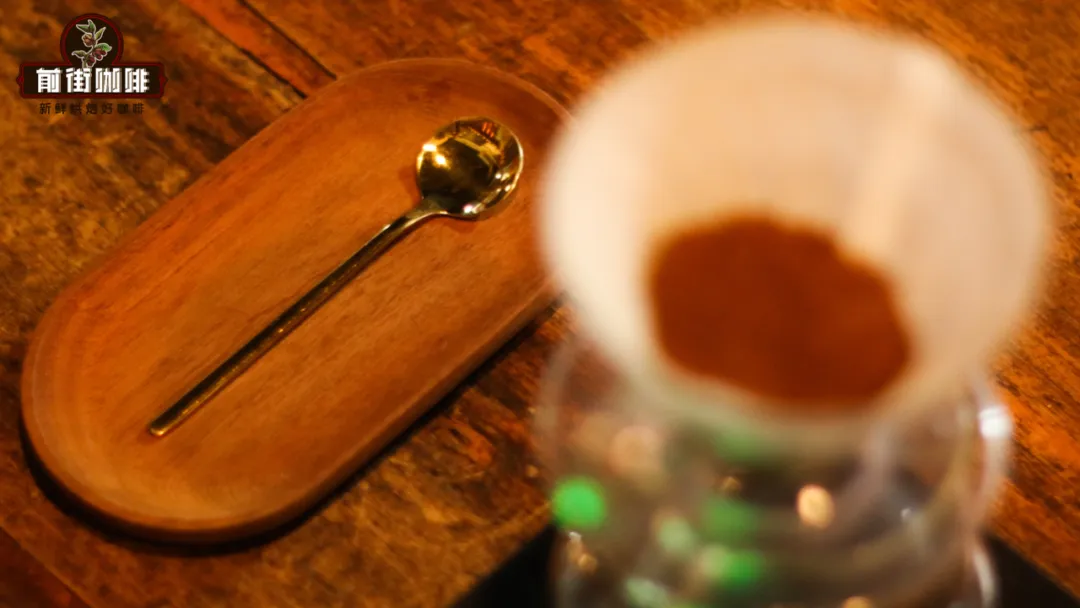
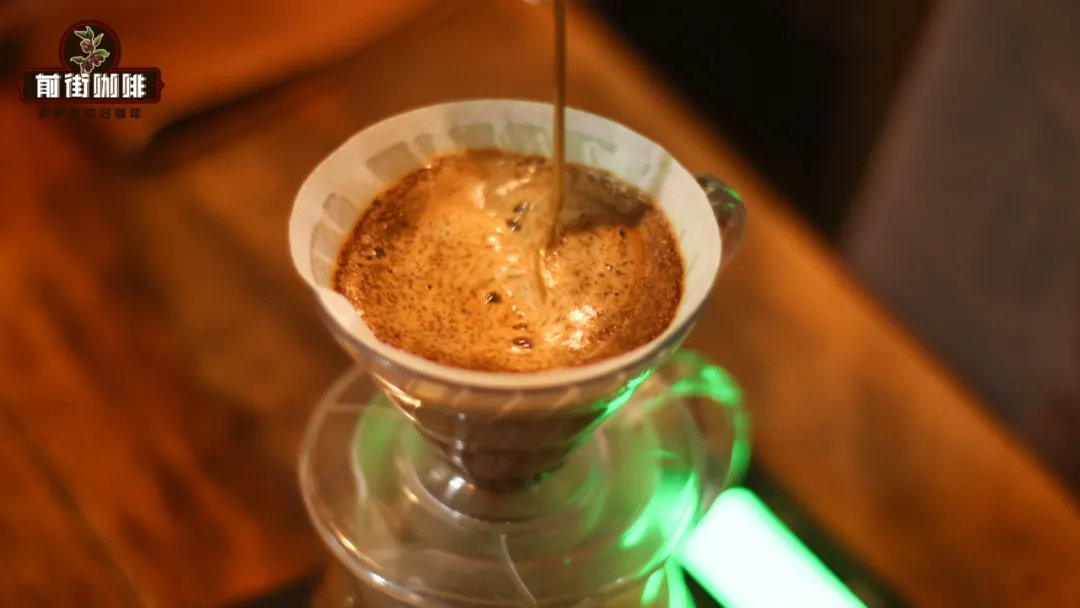
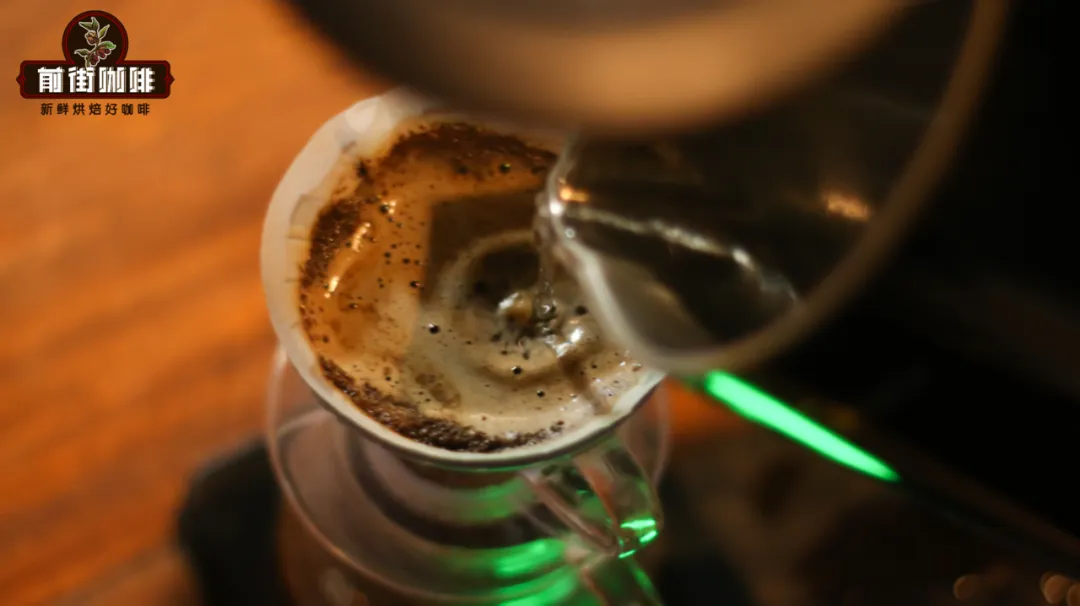
After pouring the water, immediately use any tool to stir, back and forth 10 times or 10 circles.
After the coffee liquid in the dripper has completely drained through, pour in all the remaining hot water at once. This stage of pouring can be slowed down a bit, and a normal large stream is fine. After pouring, simply wait for all the coffee to finish dripping, and extraction is complete. No need to doubt it, it is just this simple.
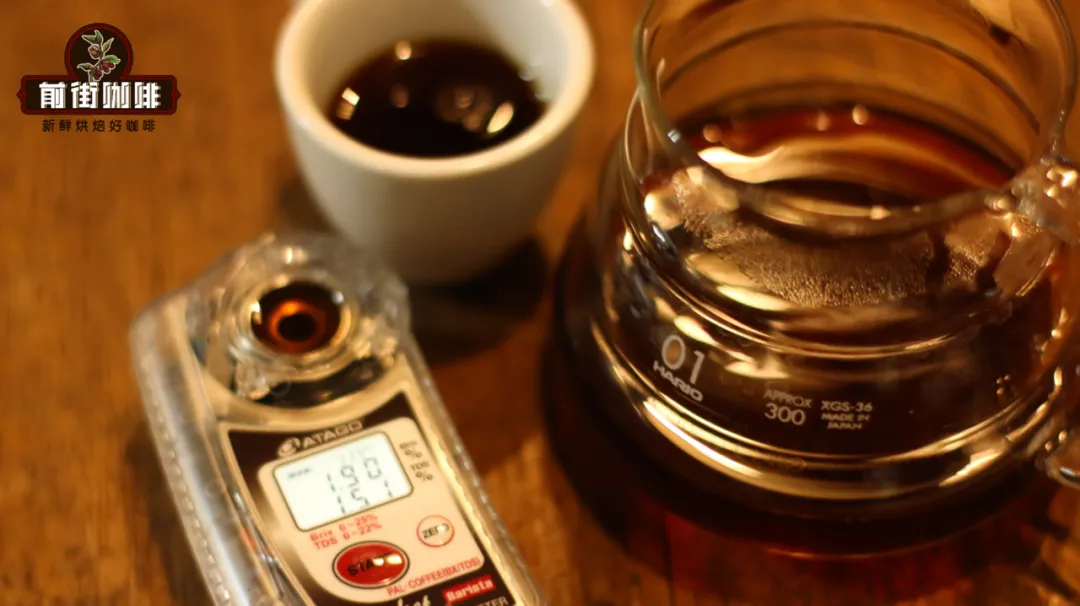
Total extraction time was 2 minutes 15 seconds. Although the extraction time was longer than before, the grind was finer than before, and the water temperature was higher than before, the coffee showed no sign of over-extraction at all. The extraction yield measured by the refractometer was close to 21%. When drinking it, you can clearly feel a full juice-like body, sweet and sour, with especially prominent mango, pineapple, and citrus flavors, and the finish also carries the aroma of oolong tea. Front Street Coffee shared this cup of coffee with several guests present and received unanimous praise.
Front Street Coffee can say with certainty that this cup of coffee brewed with 100°C boiling water is not inferior at all to the output brewed by conventional methods. It can be seen that as long as the parameters or techniques are handled properly, a good cup of coffee is something you can achieve effortlessly. Practice brings true knowledge, and everyone can also try it at home.
- END -
The above content is compiled by CoffeeHunters, a coffee news website.


