







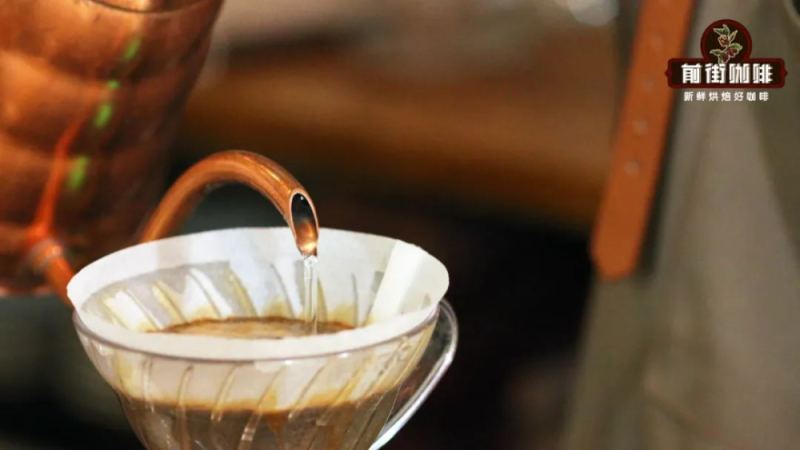
Can a low-temperature bloom reduce over-extraction?
Over-extraction is a main cause of bitterness in pour-over coffee, and a grinder that produces many fines makes it worse. One approach is to bloom with cooler water: with an Ethiopian Hualukui coffee ground on a hand grinder, fines reached 14 percent and normal brewing left a lingering dry bitterness. Setting the bloom water to 83°C for 35 seconds, then raising it to 93°C for later pours, produced a balanced cup with berry sweetness, tea-like aftertaste and no bitterness.
Coffee extraction theory holds that water-soluble material makes up roughly 30 percent of the bean, but not all of it tastes good, so over-extraction means dissolving too much of the harsh, burnt compounds. The stepped temperature-decline method also lowers the extraction rate in the middle and later stages. Using low-temperature water only during the bloom, as 2018 WBrC champion Emi did with a valve dripper, gently draws out sweetness and avoids a dry finish.
In pour-over coffee, over-extraction is one of the main causes of bitterness, and the excessive fines produced by underperforming grinders often exacerbate this problem. Front Street Coffee has previously introduced the stepped temperature-decline extraction method to reduce the extraction rate in the middle and latter stages, and this time we will share using low-temperature water during the blooming stage. Emi, the 2018 WBrC champion, once adopted a low-temperature blooming strategy, using a valve-equipped dripper to alternate between immersion and drip extraction, with the aim of gently extracting sweetness and avoiding a dry finish. Front Street tested with Ethiopian Hualukui beans; under hand-grinder grinding, the fines rate reached 14%, and conventional brewing produced a lingering dry bitterness. By adjusting the blooming water temperature to 83°C and extending the blooming time to 35 seconds, then raising the water temperature to 93°C for subsequent pours, the final result was a balanced flavor with rich berry sweetness and acidity, a distinct tea-like aftertaste, and no bitterness. If you have also struggled with over-extraction, you might want to consider this approach.
First, let me explain what "over-extraction" is. In coffee extraction theory, the water-soluble substances in coffee beans account for about 30%, but not all soluble substances produce flavors we consider delicious. So over-extraction generally refers to dissolving excessive flavor compounds from the coffee grounds, resulting in a brew with unpleasant burnt bitterness and harsh bitterness.
The situation most prone to over-extraction is when the grinder's performance is inadequate, leading to poor grind quality and a large amount of fines, causing over-extraction and bitterness. Perhaps we could try a different approach—using some kind of "intervention" to lower the coffee extraction rate. Is that feasible? Using variable-temperature extraction might be a good option. Front Street previously introduced a stepped temperature-decline extraction method with water temperature going from high to low, characterized by expressing relatively high sweetness and rich flavors. This brewing method is mainly intended to reduce the extraction rate in the middle and latter stages and prevent bitterness. However, what Front Street is introducing today is using low-temperature water during the blooming stage. Emi, the 2018 WBrC champion, also used a low-temperature blooming extraction method. However, her brewing was somewhat special—she used a dripper with a valve, alternating between immersion and drip extraction. Emi's pouring scheme was mainly divided into 3 stages: in the first stage, the valve was closed, using 80°C hot water for blooming and immersion; in the second stage, the valve was opened, using 95°C hot water for drip extraction; in the third stage, the valve was closed again, using 80°C hot water for immersion extraction; finally, the valve was opened to let the coffee liquid drain completely.
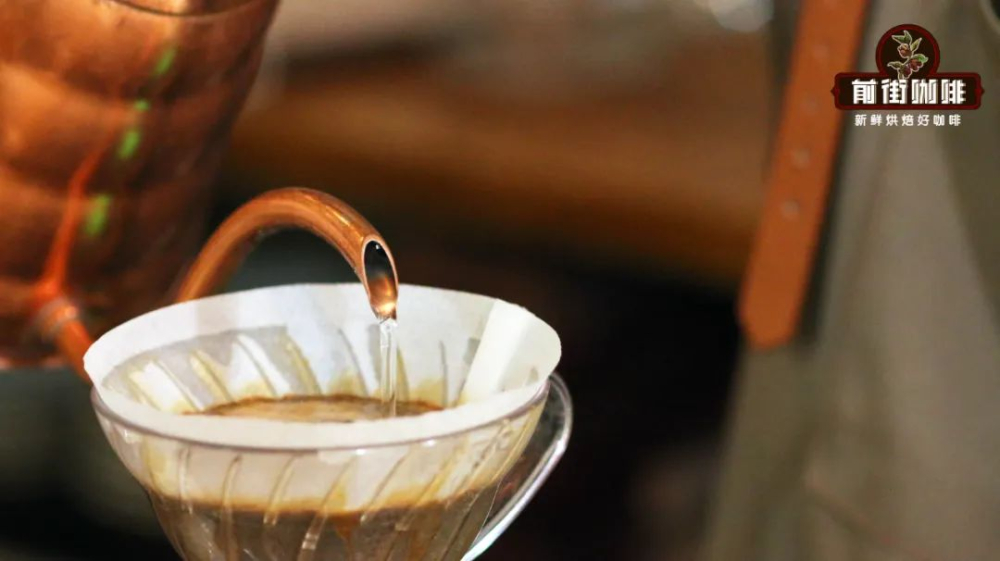
Emi explained that the reason for using low-temperature blooming was to gently extract the coffee's sweetness while avoiding a dry finish. In Front Street's view, this is actually also a measure to reduce the extraction rate. Low temperature combined with immersion, on one hand, prevents water from draining too early and causing under-extraction, and on the other hand, the low temperature makes it harder for bitter compounds to be released. If the problem is due to a large amount of fines, could this method be used to avoid bitterness? This time, the test used Ethiopian Hualukui coffee beans. Front Street used a hand grinder (in the 300-yuan range) for grinding, with a grind size of 80% passing through a No. 20 sieve, and used Front Street's standard brewing parameters, with a total extraction time of 2 minutes 33 seconds. The slightly long extraction time was due to a relatively scattered particle size distribution and a high proportion of fines (the fines rate measured by a sieve was 14%), which slowed the flow rate. The coffee presented a balanced berry note, a black tea character, and a lingering dry bitterness.
Front Street first used a blooming water temperature of 80°C for the first stage, and 94°C for the second and third stages. Other parameters remained unchanged (15g dose, 1:16 ratio, three-stage pour volumes of 30/120/90ml respectively), with a total extraction time of 2 minutes 40 seconds. Upon tasting, the coffee showed prominent sourness with a green, astringent note, somewhat like unripe fruit. The aftertaste had a hint of bitterness.
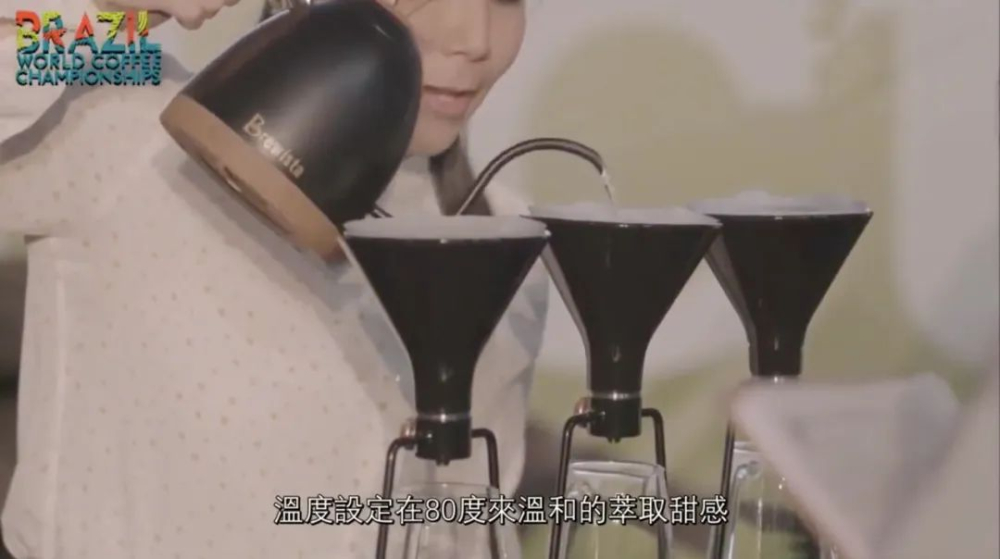
Based on the phenomenon observed in the coffee bed during brewing—the coffee bed did not expand much during blooming, and some of the blooming liquid flowed into the server—Front Street deduced that the green, astringent note was caused by insufficient blooming. The bitterness in the aftertaste was likely due to the relatively high immersion water temperature. Therefore, Front Street made several adjustments targeting these issues, and the final parameters are as follows:
15g dose, 1:16 ratio, grind size: 80% passing through a No. 20 sieve with a hand grinder (high fines), three-stage pour volumes of 25/125/90ml respectively. Reducing the blooming pour volume was to minimize blooming liquid flowing into the server prematurely, but the pouring technique needs to be more refined, otherwise some coffee grounds may remain dry. The first blooming pour used 83°C, with a blooming time of 35 seconds—extending the blooming time for better degassing. The second and third stages used 93°C. The time for all coffee liquid in the dripper to drain completely was 2 minutes 35 seconds. At this point, the flavor showed rich berry sweetness and acidity, an overall balanced expression, a distinct tea-like aftertaste, and no bitterness.
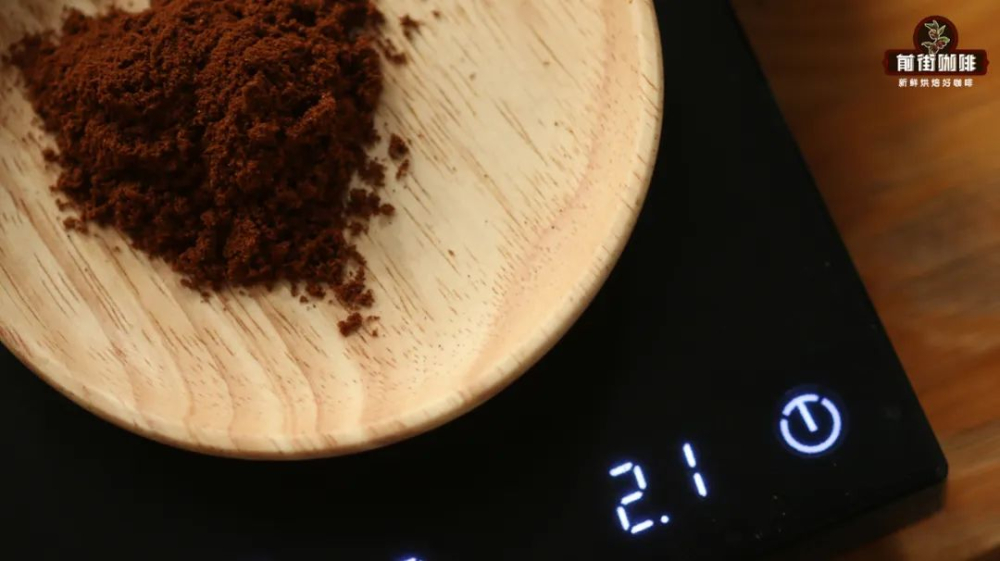
If you also have trouble with over-extraction, you might want to try this method (approach). Note: do not copy the data directly, because grind size is something that is almost impossible to replicate exactly, and differences in fines levels also make the data essentially meaningless. You can refer to the low-temperature blooming method, and the subsequent pouring temperature can be 2°C higher than your usual pouring temperature. Finally, make fine adjustments based on the flavor results (blooming temperature, blooming time, extraction water temperature, etc.).
The above content is compiled by CoffeeHunters, a coffee news website.


