







Which Coffee Process Removes Caffeine From Beans?
Decaf beans are processed before roasting to remove 96% to 98% of their caffeine, and the method used shapes the final flavor. Three approaches dominate the market: methylene chloride solvent extraction, the Swiss Water Process, and carbon dioxide extraction. Each works differently, and each leaves the bean's physical and chemical structure altered to some degree.
Caffeine in coffee is not fixed; it shifts with variety, steep time, grind size, brewing method, and water temperature. Extraction time matters a lot, so drip coffee often carries more caffeine than a same-size Espresso, and a medium drip can hold up to three times the caffeine of a medium cappuccino. Understanding what is swiss coffee, a chemical-free water based method, helps compare decaf options honestly.
Caffeine content is influenced by multiple factors such as bean variety, steeping time, grind size, brewing method, and water temperature, with extraction time being particularly critical—drip coffee often has higher caffeine than Espresso. If you want to reduce caffeine intake, buying decaf beans directly is more effective than avoiding espresso. Decaf beans must undergo special processes to remove 96% to 98% of caffeine before roasting, and these treatments inevitably alter the beans' physical and chemical properties, thereby affecting flavor. Currently, the mainstream methods include the methylene chloride solvent extraction method, the Swiss Water Process, and the carbon dioxide extraction method. This article will break down the principles, pros and cons of each process one by one, and compare the two decaf options used by Starbucks, helping coffee enthusiasts understand the technical logic and flavor trade-offs behind decaf coffee.
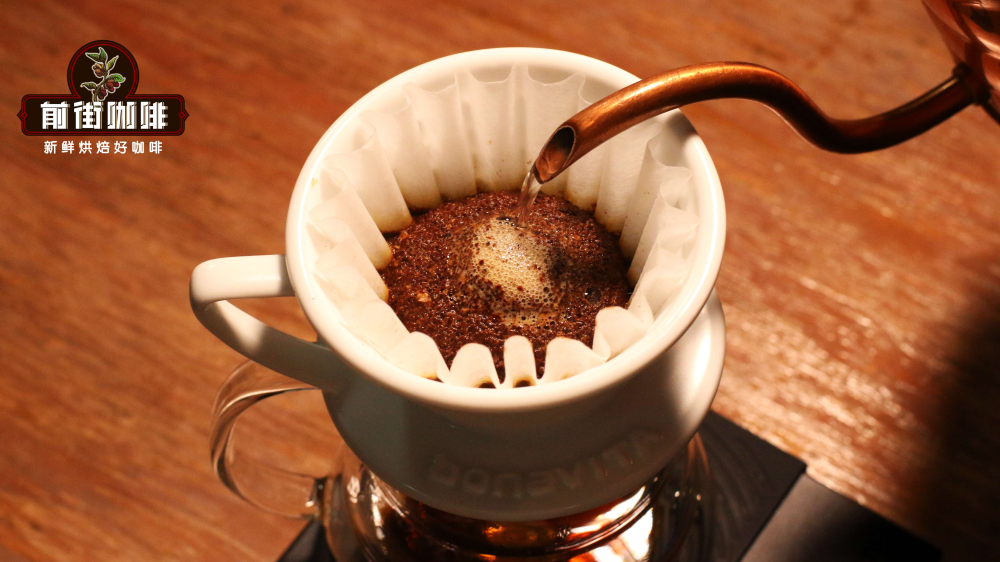
The caffeine content in coffee is not fixed; it fluctuates due to factors such as coffee bean variety, steeping time, grind particle size, brewing method, and temperature. Among these, the length of extraction time has a particularly noticeable impact on caffeine content—coffee brewed by the drip method actually has a higher caffeine content than Espresso extracted under high pressure.
For example, a medium cup of drip coffee can contain up to three times the caffeine of a Starbucks medium cappuccino, while a medium Americano falls right in between. So, if you want to enjoy a rich Espresso, you don't need to deliberately avoid it out of caffeine concerns; to truly control caffeine intake, choosing decaf beans is a more direct approach.
Decaf coffee beans refer to beans that have undergone special processing to remove 96% to 98% of caffeine before entering the roasting stage. Regardless of the removal method used, it will cause physical and chemical changes in the coffee beans, more or less affecting their original flavor expression. Currently, there are three common decaf processing methods on the market: the methylene chloride solvent extraction method, the Swiss Water Process, and the carbon dioxide extraction method.
Let's first look at the solvent extraction method. It is further divided into two types: direct extraction and indirect extraction. The early steps are the same for both, starting with a softening treatment—heating the coffee beans with high-temperature, high-pressure steam to expand the bean surface, thereby increasing the contact area with the liquid. Then, methylene chloride (CH3Cl) solvent is introduced to come into direct contact with the coffee beans and extract the caffeine; this is the direct extraction method. Many coffee connoisseurs believe that decaf coffee made this way has superior flavor, because methylene chloride only adsorbs and dissolves caffeine without stripping away other flavor-contributing components in the beans.
Now let's look at the indirect extraction method. After the softening treatment, the coffee beans are first soaked in warm water, and the caffeine and other components in the beans dissolve into the water; at this point, the solution is almost equivalent to a cup of coffee essence. The solution is then transferred to another container, where methylene chloride is added to extract the caffeine, and then heating causes the caffeine to evaporate along with the extraction solution. Finally, the caffeine-free essence is poured back onto the previously warm-water-soaked coffee beans, allowing the beans to reabsorb the lost components. General coffee connoisseurs believe that the indirect extraction method causes more flavor loss than the direct extraction method, making it less than ideal.
Next is the Swiss Water Process. The method involves first soaking the coffee beans in warm water; after the caffeine and other components dissolve out, activated carbon is used to adsorb the caffeine from the essence, and then the caffeine-free essence is reintroduced to the previously soaked coffee beans, allowing them to reabsorb the lost components. The biggest selling point of the Swiss Water Process is that it removes caffeine without using any chemical solvents throughout the process, making it another choice for health-conscious people. But it also has shortcomings: although activated carbon is an excellent water purification material, it also absorbs other components in the essence, leading to greater flavor loss. In addition, decaf coffee processed by the Swiss Water Process is relatively expensive; even if some decaf beans are actually treated with chemical solvents, as long as the packaging bears the words "water process," distributors may use this to raise the price.
Finally, there is the carbon dioxide extraction method. Roasting coffee beans produces a large amount of carbon dioxide; this gas is pressurized to a high-pressure state to become liquid, and then passed through coffee beans that have already been steam-treated, which can remove caffeine without affecting other substances in the beans. After pressure is released, the liquid turns back into gas and evaporates, leaving no trace. It is an excellent solvent for caffeine and does not extract components other than caffeine. This method leaves the coffee beans undamaged, and their color and shape remain unchanged; it belongs to the direct processing method. However, this process requires a special environment of 200 to 300 times atmospheric pressure to complete, and the equipment investment is enormous, so coffee using this decaf treatment is still quite rare on the market.
Starbucks has two methods for removing caffeine:
1. Direct contact method:
First, the green beans are soaked in warm water to soften, and then a chemical agent—methyl chloride—is added. This chemical substance has a very low melting point and is completely destroyed at around 40 degrees, while the typical coffee brewing temperature is usually around 93 degrees, so Starbucks decaf beans do not retain methyl chloride residue. After the agent is added, the caffeine in the coffee beans is released, and this method effectively preserves the flavor of the coffee beans. The released caffeine can also be resold to pharmaceutical companies to make pain relief tablets, or sold to beverage companies to make caffeinated drinks. The decaf beans sold by Starbucks are coffee beans with 99% of the caffeine removed.
2. Swiss Water Process:
This method involves soaking the green beans in warm water, allowing the caffeine in the beans to dilute into the water, and then separating the water from the coffee beans. At this point, both the flavor and caffeine from the beans have only leached into the water, and this water is called "flavor-enhanced water." Afterwards, activated carbon is used to filter out the caffeine from the flavor-enhanced water, and then the caffeine-free flavor-enhanced water is used to soak the beans again, drawing the coffee bean flavor from the water back into the beans, thereby reducing flavor loss in the beans.
Front Street Coffee reminds you that no matter which decaf processing method is chosen, flavor and price often need to be weighed, and consumers can make choices based on their own health needs and taste preferences.
The above content is compiled by CoffeeHunters, a coffee news website.


