







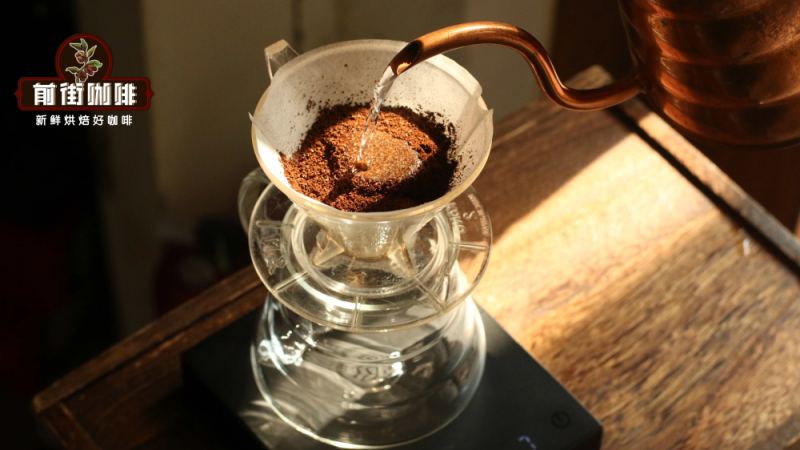
Among the various pouring methods for hand-brewed coffee, the "one-pour" technique is the one many beginners encounter first, and it is often compared with the three-stage method. It appears simple to perform, requiring only that the total water volume be divided into two pours, and its name is derived from the "one strike, two pieces" concept in Japanese swordsmanship. Yet in actual brewing, the one-pour method is the hardest of all techniques to master; a single misstep can produce problems such as a weak, thin taste, sharp acidity, and a flat, one-dimensional profile. In this article, Front Street Coffee provides a detailed analysis of the definition of the one-pour method, how it differs from the three-pour method, and why beginners are advised to start with the three-stage approach, while also explaining how water flow control and parameter pairing are key to the success or failure of the one-pour method.
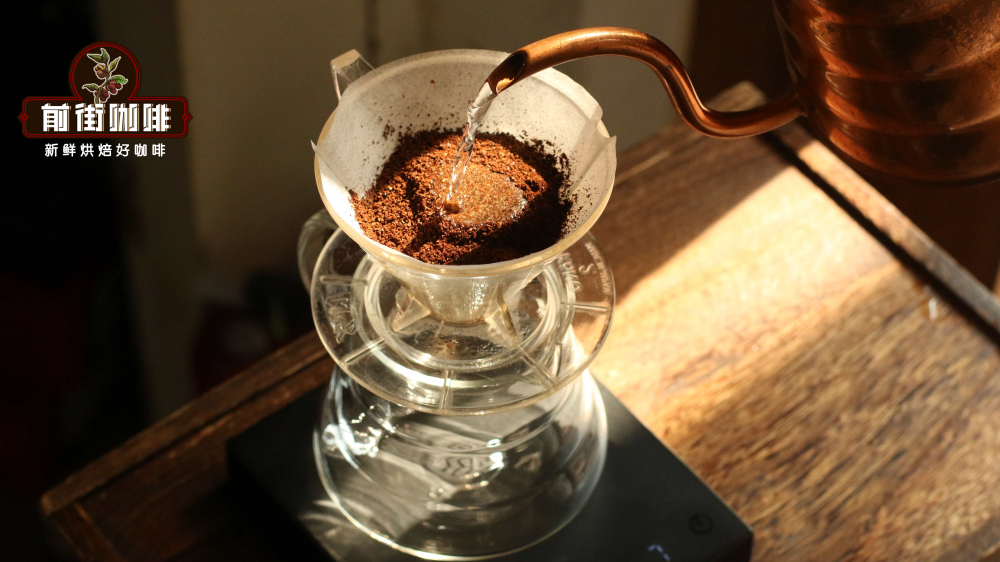
Anyone with some familiarity with hand-brewed coffee has probably heard the term "one-pour," and it is often one of the first pouring techniques beginners encounter. Since it is also frequently compared with the three-stage method, there is actually quite a rich range of sources through which people learn about it.
The so-called one-pour method means splitting the predetermined total water volume into two stages to complete the pour. The name comes from the "one-strike" school of Japanese swordsmanship, borrowing the imagery of "one strike, two pieces." Because the motion looks very simple, many newcomers eagerly give it a try.
Yet it is precisely this seemingly simple brewing method that is in fact the hardest of all pouring methods to master. Front Street is not exaggerating; most people who have used the one-pour method have experienced this: the brewed coffee has a thin body, sharp acidity, and a lack of complexity—these situations are extremely common. The root cause is that after blooming ends, all the remaining water must be poured in a single pour.
The reason Front Street recommends that beginners use the three-stage method is not that the three-stage method necessarily tastes better than the one-pour method, but that by comparison, it is much easier to brew a decent cup of coffee with the three-stage method. In the article "Why Is It Best to Pour Hand-Brewed Coffee in Multiple Stages?", Front Street explained in detail that multi-stage pouring methods like the three-stage method make it easier for us to brew a good cup of coffee, because when the total water volume is split into several pours, we have more opportunities to adjust the extraction state (time and extraction yield), giving us a greater margin for error.
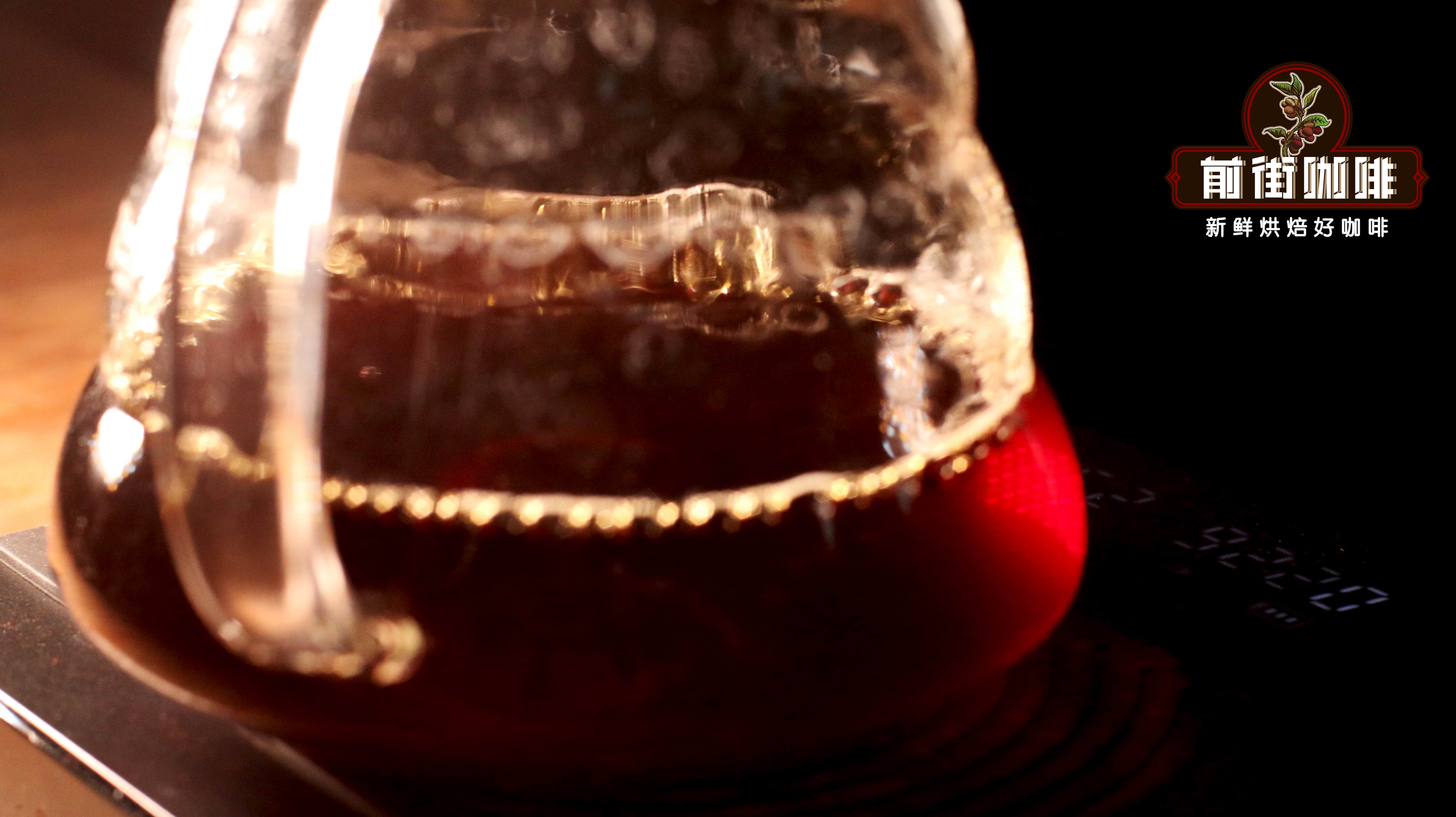
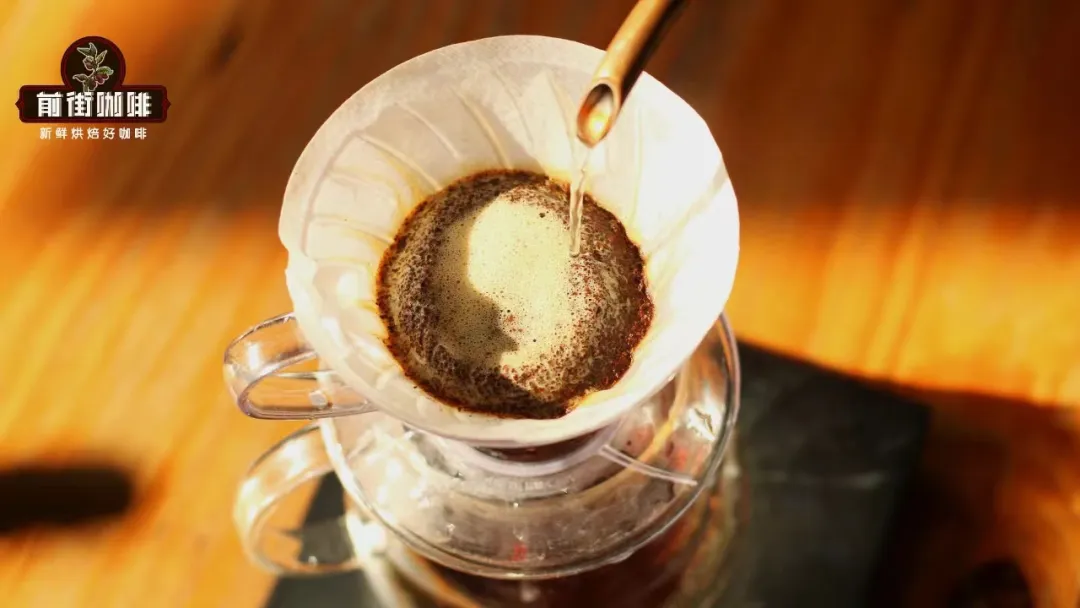
By contrast, with the one-pour method, nearly ninety percent of the water is poured all at once, so there is almost no room for correction—success or failure depends entirely on that single pour. The size of the stream and the height of the pour will directly influence the overall extraction result. If you pour too fast and too much, the extraction time tends to be too short, leading to under-extraction; if you pour too slowly and too little, the extraction time tends to be prolonged, creating a risk of over-extraction. Therefore, if you want to brew a good cup of coffee with the one-pour method, controlling the water flow is an essential skill. Beyond technique, a matching set of extraction parameters is also a necessary condition for using the one-pour method well. Many people, when comparing the one-pour method with the three-stage method, use the same set of parameters, and the final result is mostly that the one-pour method comes out slightly inferior—for example, with a thinner body and slightly insufficient extraction.

The above content is compiled by CoffeeHunters, a coffee news website.


