







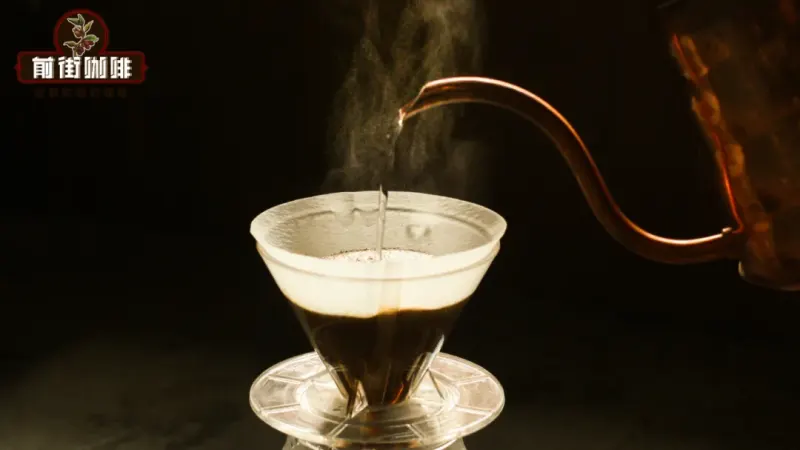
How Does Hand Brew Coffee Work in the 4:6 Method?
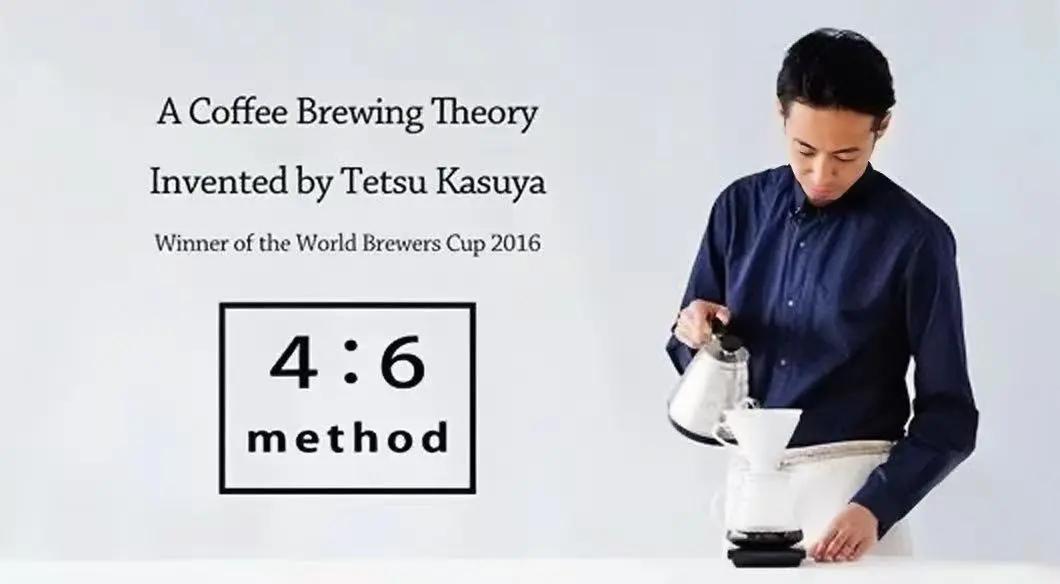
The 4:6 method is a hand brew coffee technique created by Tetsu Kasuya, the 2016 World Brewers Cup champion. The total water is split into five pours. The first 40 percent sets the flavor direction, and the remaining 60 percent shapes body and strength. Adjusting how much water goes into each pour changes the balance of acidity and sweetness and the overall richness of the cup.
The structure lowers the demands on pouring skill, because each pour holds only a small amount of water and the stream needs less control, so beginners can still finish a brew. The phases can be redivided and the pours do not have to be equal. The article walks through grind and temperature parameters and demonstrates the method with Front Street Ethiopia Guji Huakui beans.
The 4-6 brewing method was created by Tetsu Kasuya, the 2016 World Brewers Cup champion, and its core idea is to let anyone brew good coffee easily. This method splits the total water volume into five pours: the first 40% determines the flavor direction, while the latter 60% shapes the body and strength. By adjusting the water volume of each pour, you can change the coffee's balance of acidity and sweetness as well as its richness. In this article, Front Street will break down the pouring logic of the 4-6 method in detail, explain the principle behind extraction yield changes, and provide complete brewing parameters. At the same time, we will use Front Street Ethiopia Guji Huakui beans for a hands-on demonstration to help coffee lovers deeply understand the essence of extraction and easily brew a delicious pour-over coffee.
In addition, the internal principles of the 4-6 brewing method are quite rigorous. If friends who are new to pour-over can understand why it adopts this pouring structure, Front Street believes your understanding of the concept of extraction will deepen noticeably, and you will be more capable of making a satisfying cup of coffee. Therefore, the topic Front Street wants to discuss today is—the 4-6 brewing method!
4-6 brewing The 4-6 method was created by Tetsu Kasuya, the 2016 World Brewers Cup champion. When devising brewing plans, he always followed one belief: "let anyone brew delicious coffee." For this reason, not only the 4-6 method, but also the one-pour method and the later hybrid brewing method/devil brewing method adapted for the Clever Cup based on the 4-6 method, all have very low barriers to operation.
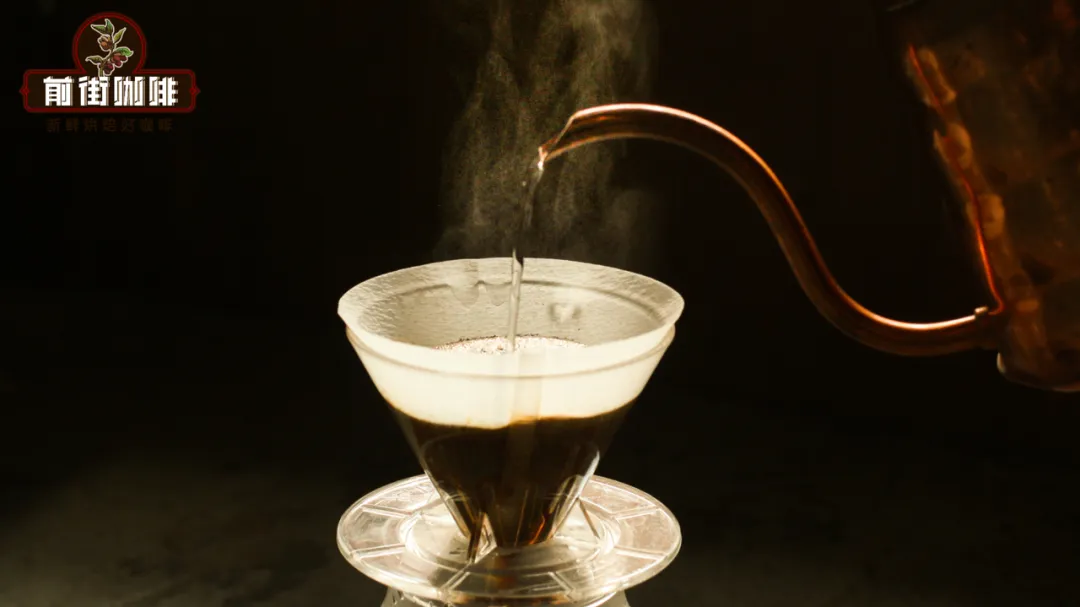
The classic 4-6 method uses five pours, meaning the total water volume is divided into five pours. This water distribution method has a notable advantage: it reduces the demands on the brewer's water-control skill. Because each pour contains only a small amount of water, there is no need for very fine control of the stream, and even beginners can relatively easily complete a cup of coffee. Although it is divided into five pours, you can absolutely redivide the phases according to your own preference. And the water volume of each pour does not have to be the same; it can be adjusted freely. This is because by changing the water volume poured in each phase, we can make coffees of different styles. The reason it is called the 4-6 method is that Kasuya divided what hot water extracts into parts, and the main components extracted by the first 40% differ from those extracted by the latter 60%.
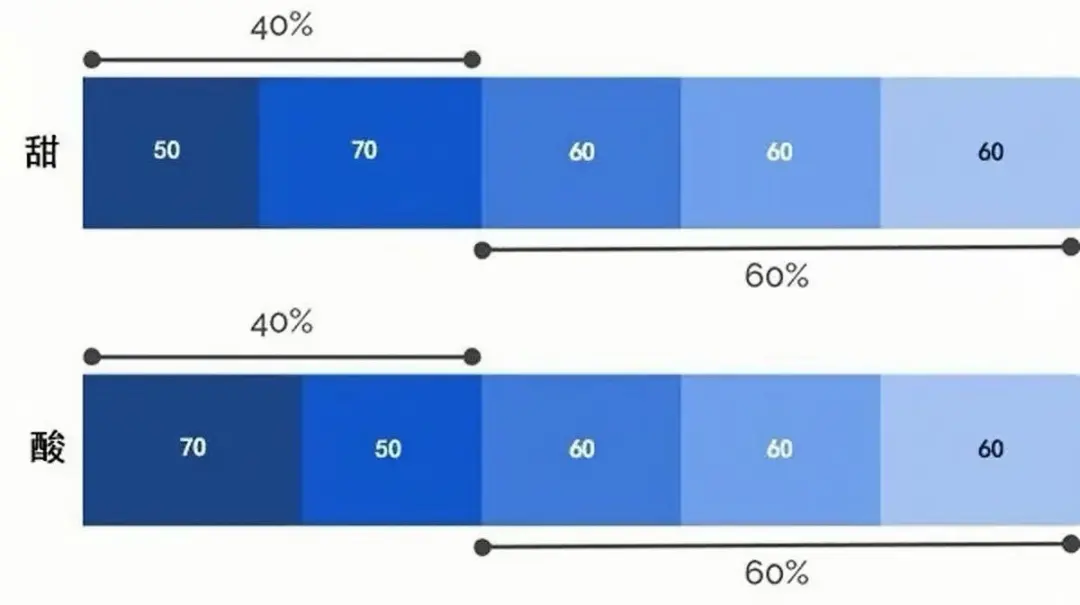
The hot water poured in the first and second phases accounts for 40% of the total water. They determine the direction of the coffee's taste. If you want the final cup to be sweeter, then you can allocate less hot water to the first pour; if you want the final cup to be more acidic, then you can allocate more hot water to the first pour, while reducing the hot water in the second pour accordingly.
The key reason for this effect is that the amount of hot water poured in the first phase changes the final coffee's extraction yield. When more hot water is allocated to the first phase, the coffee's extraction yield will be relatively low. The reasoning is not complicated. We all know that the first pour in pour-over is usually the bloom. The purpose of the bloom is to release carbon dioxide from the coffee grounds so that the hot water poured afterward can more easily extract flavor compounds. In other words, the hot water poured after the bloom has a higher extraction efficiency than the hot water poured before the bloom, because at that point much less carbon dioxide remains in the coffee grounds to hinder extraction.
Therefore, the more water poured in the first phase, the lower the coffee's overall extraction yield will be. Acidic compounds have smaller molecular weights and dissolve faster than sweet and bitter compounds, so when the extraction yield is low, the coffee's acidity becomes more prominent because there are not enough sweet and bitter substances in the cup to balance it. Conversely, when you allocate less hot water to the first phase, the coffee's extraction yield will be relatively higher, and there will be enough sweet and bitter substances to balance the acidity, so it will taste sweeter.
The hot water in the third, fourth, and fifth phases accounts for 60% of the total water, and they mainly affect the coffee's body. If you want the coffee to be richer, you can split this 60% of hot water into more pours, for example evenly into four pours; if you want the coffee's body to be lighter, you can split this 60% of hot water into two pours.
The impact of splitting pours ultimately still comes down to extraction yield and concentration, except that this time it mainly acts on time. The more pours there are, the less water each pour contains, the longer the extraction time, and the more substances are extracted; the coffee's extraction yield and concentration rise accordingly, and the taste and body become richer and more intense. Conversely, the fewer the pours, the more hot water each pour contains, the shorter the extraction time, and the relatively fewer substances extracted, so the body is lighter. Front Street has already discussed the relevant theory in previous articles on splitting pours, so we will not expand on it here.
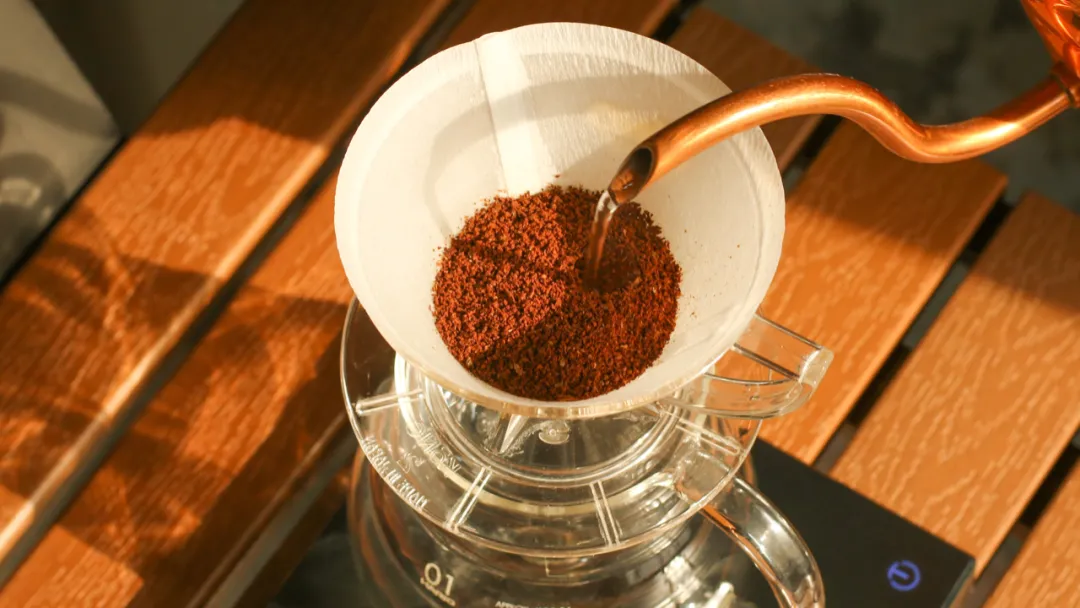
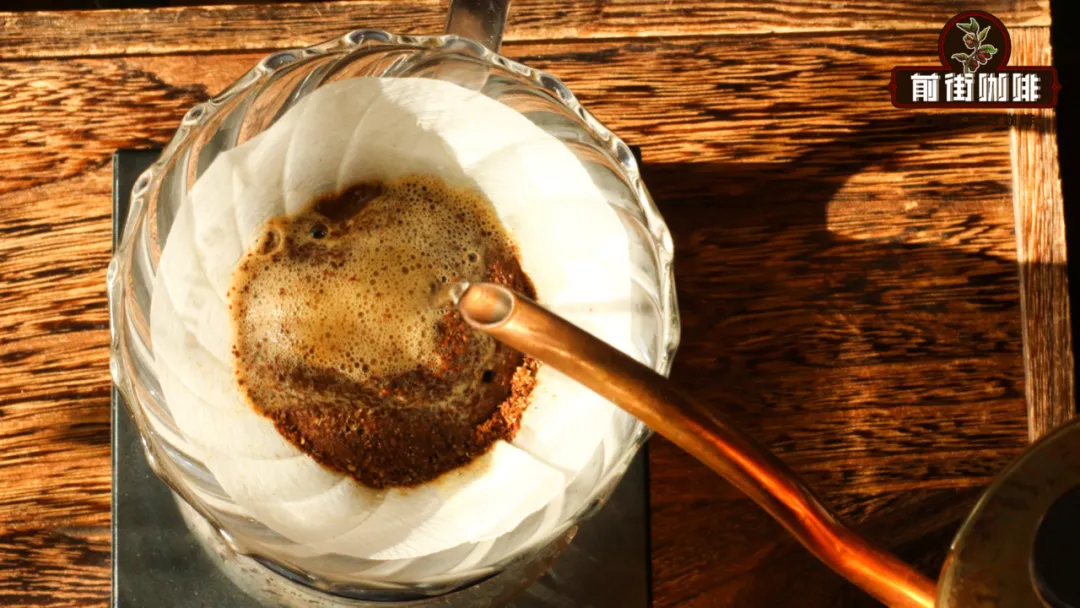
Overall, the 4-6 method adjusts the coffee's extraction yield by controlling the amount of hot water in each pour, thereby affecting taste and body. Of course, if you do not want to do too much complex reasoning, you can also directly follow the parameters given by Mr. Kasuya to brew. Even if you do not understand water control or theory, as long as you use the right parameters, you can still easily make a delicious cup of coffee. The specific parameters are as follows: Dripper: Hario V60 Coffee dose: 20g Coffee-to-water ratio: 1:15 Grind size: 50% passing a No. 20 sieve, coarse granulated sugar grind Brewing temperature: 92°C Pour interval: 45 seconds (including pour time) Duration of each pour: 5-7 seconds Here Front Street uses Front Street Ethiopia Huakui from our bean list for the demonstration. The pouring method is very simple: pour hot water once every 45 seconds (including the pour time) , and each pour follows a spiral path like a mosquito coil. There is not much else to pay attention to. After the final pour of hot water is finished, you can remove the dripper and end extraction.
The Huakui coffee brewed this way differs from the version Front Street usually brews with a three-pour method completed within two minutes. Because the extraction time is longer, the coffee tastes stronger, the body is richer, and the overall flavor is more balanced. The flavor performance is still stable, with berry, citrus, floral notes, and an oolong tea finish, which is very appealing.
If you are interested, you may as well try the 4-6 method at home. It is a very fun way to brew. Exploring the principles behind this brewing method in depth can also help you better understand extraction. Front Street highly recommends it~
The above content is compiled by CoffeeHunters, a coffee news website.


