







Search Results for: Extraction Effects
Analyzing Chlorogenic Acid in Coffee: Health Benefits, Content Differences, and Scientific Drinking Recommendations
Coffee is not only a refreshing beverage but also rich in various beneficial components. From the perspective of chlorogenic acid, this article systematically reviews the health value of coffee. As a key antioxidant, chlorogenic acid is widely present in green coffee beans and possesses multiple biological activities, including antibacterial, antiviral, and cardiovascular-protective effects. The article provides a detailed introduction to the chemical structure, plant sources, medical applications, and toxicity of chlorogenic acid, and compares changes in chlorogenic acid content across different coffee varieties and roast levels. Finally, based on extraction experimental data, it offers practical advice for daily coffee consumption. Whether you are a coffee enthusiast or a reader concerned with healthy eating, you can gain a scientific and objective understanding of coffee from it. [more…]
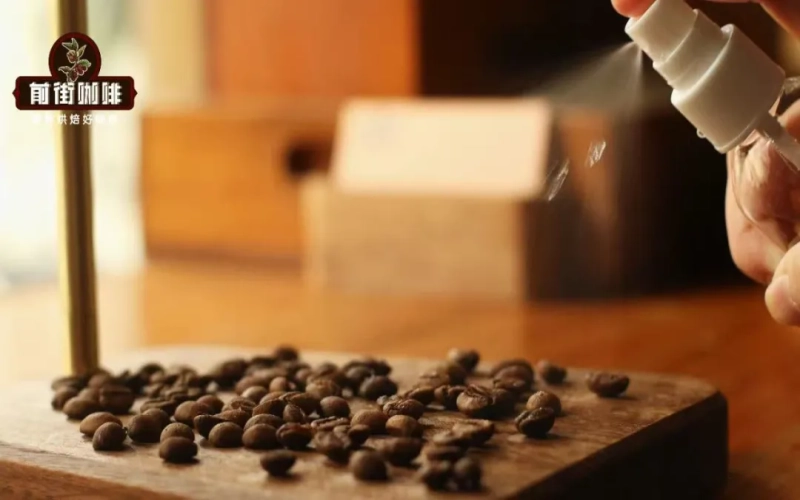
Can spraying water on coffee before grinding reduce static clumping? A detailed explanation of the principles, effects, and limitations of the RDT technique
Among the many supplementary techniques for making coffee, RDT (Ross Droplet Technique) is a method of reducing static electricity and clumping by spraying water onto coffee beans before grinding. Its principle is not complicated: during grinding, coffee beans generate static electricity due to friction and uneven charge distribution, causing fine particles to stick together into clumps, which in turn lowers the extraction yield and induces channeling. RDT can effectively alleviate this problem, but it also has obvious shortcomings—it is only suitable for single dosing, the water amount is difficult to control, and long-term use may damage the burrs. In this article, Front Street Coffee breaks down the ins and outs of RDT, its actual effects, and its operational limitations in detail, and offers a more reliable alternative. [more…]
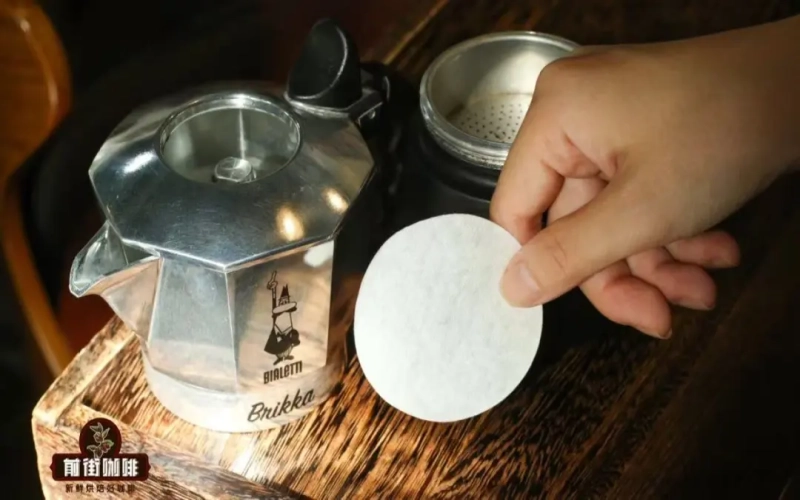
Should the moka pot filter paper be placed at the bottom of the filter basket or on top of the coffee puck? What extraction and cleaning effects does each bring?
Whether to add a filter paper to a moka pot depends on what problem you're trying to solve. Placing filter paper at the bottom of the basket mainly helps distribute hot water more evenly, reduces clogging, and makes it easier to knock out an intact puck for simpler cleaning; placing it on top of the puck increases filtration precision, reduces off-flavors from fine particles, gives a cleaner taste, and slightly increases extraction pressure. Front Street Coffee ran comparisons using a classic blend and found that adding filter paper at the bottom has very little effect on flavor but offers a clear cleaning advantage. This article explains the principles, practical effects, and suitable scenarios for each placement method, helping you choose according to your needs. [more…]

An In-Depth Analysis of Pour-Over Coffee Stirring Techniques: From Champion Methods to Extraction Effects
In the process of pour-over coffee, the action of stirring the coffee bed has attracted increasing attention from enthusiasts in recent years. Some hope to enhance the sweetness and flavor layers of coffee through stirring, while others remain skeptical of its effects. This article, from the perspective of Front Street, reviews the origins and representative figures of stirring techniques, analyzes the different roles of stirring during the blooming stage and the main extraction stage, and, combined with practical comparative experiments, explores the impact of stirring on extraction results, as well as issues that need attention such as fine particle clogging and bean quality, helping coffee enthusiasts make a more rational judgment on whether to stir and how to stir. [more…]
Instant Coffee vs. Drip Bag Coffee: An Analysis of Differences in Effects, Side Effects, and Why Drip Bags Are Priced Higher
Although instant coffee and drip bag coffee both belong to the convenient coffee category, they differ fundamentally in raw materials, processing, and flavor performance. Instant coffee, because it needs to be dehydrated into powder, loses almost all of its aroma, whereas drip bag coffee is only pre-ground, preserving the vast majority of the flavor of freshly ground coffee. Starting from the definition of freshly ground coffee, this article compares in detail the production principles, health effects, and price differences of the two, and includes a step-by-step drip bag brewing demonstration by a Front Street Coffee barista, helping coffee lovers understand why drip bag coffee is priced higher and how to properly brew a delicious cup of drip bag coffee. [more…]

Why Is Pour-Over Coffee So Thin? The Causes and Effects of Bypass Water, and Two Techniques to Avoid It
Many coffee enthusiasts have encountered the situation during pour-over brewing where the coffee tastes watery and the flavors are bland, and this is often related to an frequently overlooked factor—bypass water. Bypass water comes in two types: actively added and passively generated. Hot americano or diluted pour-over liquid are active choices, whereas hot water that bypasses the coffee bed and falls directly into the server due to operational errors is passive bypass water. The latter simultaneously lowers the extraction yield and dilutes the coffee concentration, making the final cup taste thin. Based on Front Street's practical experience, this article outlines the dual effects of bypass water on coffee flavor and provides two of the most practical ways to avoid it: controlling the pouring circle's range and paying attention to the relationship between the water level and the coffee bed wall, helping you achieve consistent results in your daily brewing. [more…]
Why Is Iced Americano So Popular? How Do Hot and Iced Americanos Differ in Flavor and Effects?
No matter the season, people who walk into a coffee shop and order an Americano tend to choose it iced. Why is iced Americano so popular? Isn't hot Americano just as aromatic? After talking with many customers, Front Street Coffee found that people's preference for iced Americano mainly comes down to three reasons: the younger generation's natural liking for cold drinks, the lower perception of bitterness in iced Americano, and its refreshing, palate-cleansing taste experience. So, is there actually any difference between hot and iced Americano in terms of flavor expression and practical effects? This article will use the same coffee beans, the same extraction parameters and ratios, and prepare Americanos with three water temperatures—high, room, and low—for a side-by-side comparison, analyzing them from dimensions such as aroma, taste, and mouthfeel, while also offering recommendations on suitable coffee beans for making Americano. [more…]
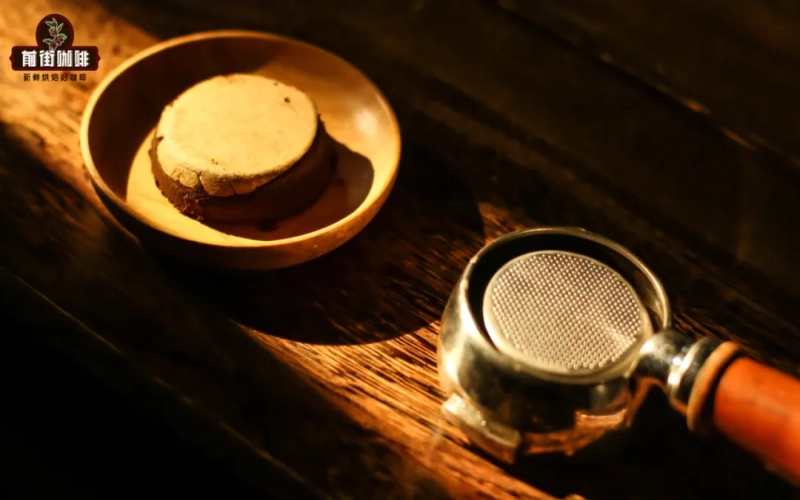
The Actual Effects of Adding a Circular Filter Paper to Espresso and an Analysis of Its Pros and Cons
When making espresso, placing a circular filter paper in the portafilter basket may seem like a simple action, yet different placement positions can lead to completely different extraction results. Through multiple comparisons, Front Street Coffee found that laying the filter paper at the bottom of the portafilter basket can intercept fine particles, reduce bitterness, and improve cleanliness, but at the same time it weakens body and shortens extraction time; while placing it on top of the coffee puck can disperse the impact of the water flow, reduce channeling, and make the extraction more even, though the effect is relatively limited. This article breaks down in detail the principles, advantages and disadvantages, and practical considerations of these two methods, helping coffee enthusiasts make more suitable choices when dialing in the grind and serving drinks. [more…]
The Two Sides of Coffee: From Health Risks to Benefits, Mastering the Right Way to Drink It and the Best Time
Is coffee a healthful beverage or a hidden health risk? This question has long puzzled many enthusiasts. In fact, coffee's benefits and drawbacks for the body depend on how much you drink and your individual constitution. Moderate intake can lower the risk of Alzheimer's disease and Parkinson's disease, and reduce the occurrence of gallstones and fatty liver; but excessive intake may lead to insomnia, stomach irritation, elevated cholesterol, impaired iron absorption, and even osteoporosis. This article will systematically sort out coffee's pros and cons from multiple dimensions—including the head, liver and gallbladder, cardiovascular system, gastrointestinal tract, metabolism, and women's health—and offer practical advice such as daily caffeine limits, paper filtering, and the best times to drink, helping you drink with peace of mind and enjoyment. [more…]
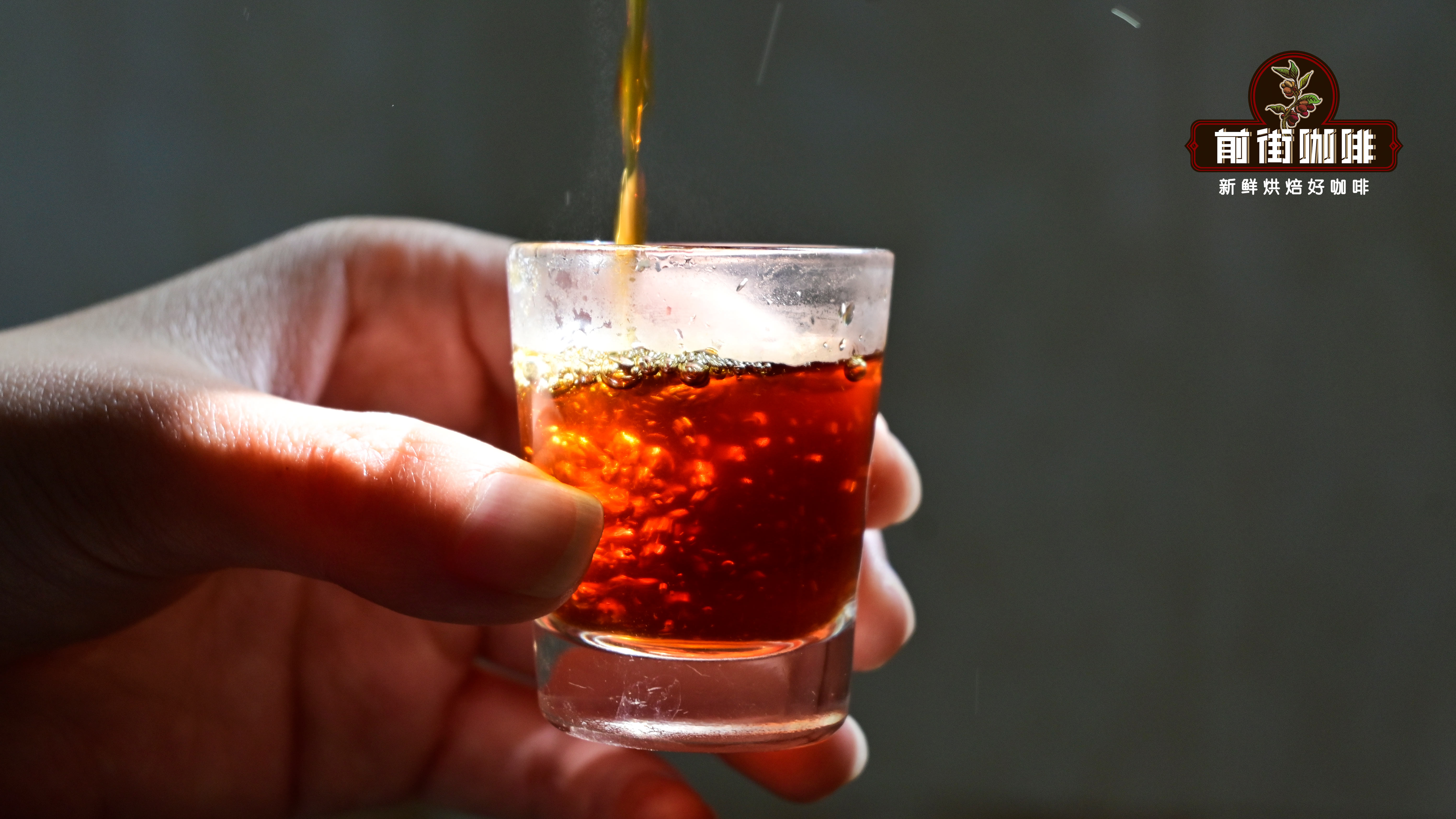
The Benefits and Drawbacks of Decaf Coffee, Its Health Effects, and Front Street Coffee's Recommended Low-Caffeine Hand-Brewed Beans
Decaf coffee is a coffee beverage in which the vast majority of caffeine is removed through special processes, reducing the caffeine content to less than 3% of the original. Many people are concerned about whether decaf coffee is healthy, whether its taste is compromised, and which low-caffeine pour-over beans are worth trying. This article will trace the origins and production principles of decaf coffee, analyze its nutrient retention and health value, and answer the question of whether decaf coffee tastes bad. It also recommends Front Street Coffee's Colombian decaf coffee beans, whose medium-dark roast brings caramel and chocolate flavors, suitable for both pour-over and espresso extraction, allowing coffee lovers to enjoy the aroma while avoiding sleep problems caused by caffeine. [more…]
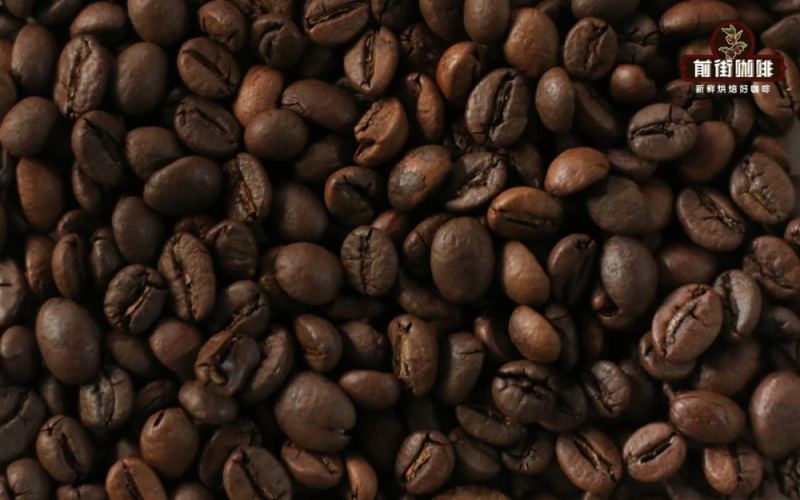
Can Robusta coffee powder help with weight loss? An analysis of the effects and proper ways to drink Robusta black coffee
Robusta coffee beans, due to their high caffeine content and strong, bitter, full-bodied flavor, are often used in espresso blends and instant coffee. Many people wonder: can drinking Robusta black coffee actually help with weight loss? This article will start with the varietal characteristics of Robusta, its chlorogenic acid content, and its roasting and extraction performance, then sort out the effects of black coffee in boosting metabolism, reducing water retention, and relieving constipation, while also explaining the appropriate daily intake and the optimal timing of drinking it half an hour before exercise. It will also introduce Front Street Coffee's blend products containing a small amount of high-quality Robusta and its fresh-roasting philosophy, helping coffee lovers take a scientific view of Robusta black coffee's weight-loss effects. [more…]

Analyzing the Flavor Differences Between Decaf and Regular Coffee: Pros and Cons of Starbucks Decaf Americano and Its Effects on Sleep
Although coffee is a powerful pick-me-up, the caffeine in it also makes some people hesitate. Excessive caffeine intake can cause discomfort such as insomnia and palpitations, so is there an option that lets you enjoy coffee's flavor without worrying about caffeine's side effects? Decaf coffee exists precisely for this purpose. From the perspective of Front Street Coffee, this article will sort out decaf coffee's historical origins, standards in various countries, the naturally low-caffeine variety Laurina, and the mainstream Swiss Water decaffeination process. At the same time, we will also objectively analyze the pros and cons of Starbucks decaf Americano and discuss whether it really does not affect sleep. At the end of the article, we have attached the cupping flavors and pour-over parameters of Front Street Colombia Decaf for coffee lovers to reference and practice. [more…]
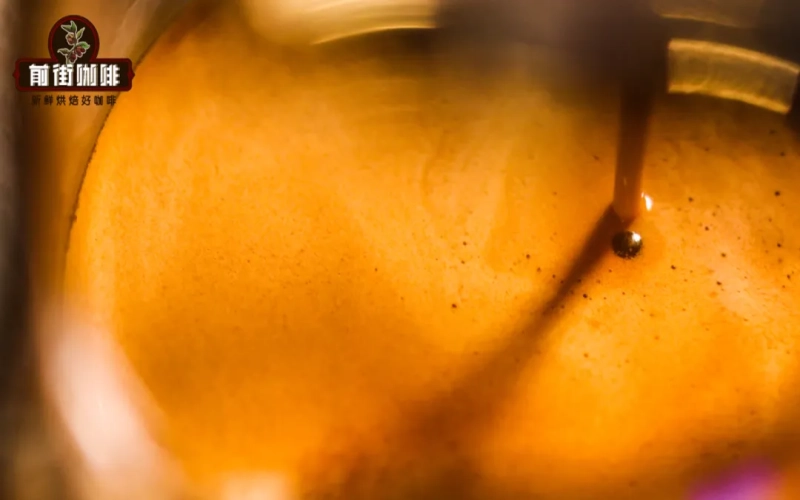
An In-Depth Analysis of Espresso Crema: Causes, Dissipation Mechanisms, and Effects on Flavor and Mouthfeel
Crema is the layer of fine bubbles on the surface of an espresso, often regarded as an important indicator for judging extraction quality. But how exactly does crema form? Why does it dissipate? Does its thickness directly determine flavor? This article will systematically analyze the nature of crema from physical and chemical perspectives, explore how 9 bar pressure and a carbon dioxide supersaturated state generate countless bubbles, reveal the mechanisms by which gravity and surfactants cause foam collapse, and analyze the effects of roast level, extraction time, water temperature, and other factors on the color and persistence of crema. At the same time, the article will also provide diagnostic approaches for common problems such as thin crema and insufficient aroma, and recommend Front Street Coffee's classic blend coffee beans to help you make espresso with a rich mouthfeel and full flavor. [more…]
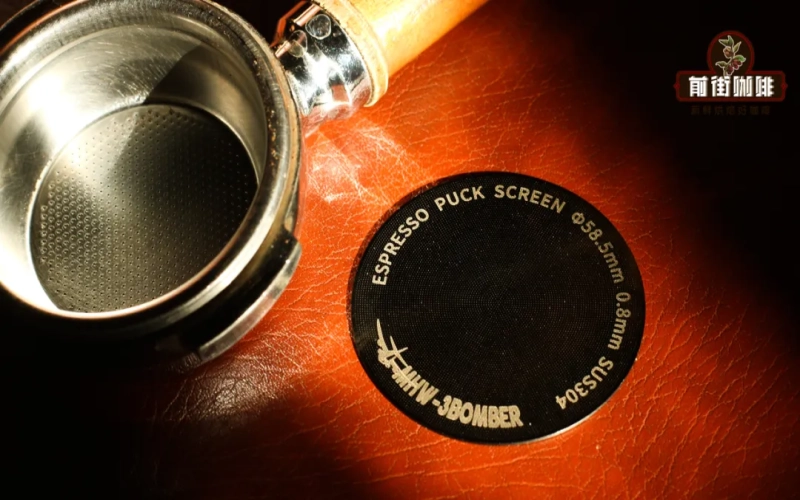
Analyzing the Practical Effects of a Secondary Dispersion Screen in Coffee Extraction: Can It Improve a Soggy Puck, and Is the Bomber Version Worth Buying?
Recently, a compact metal accessory has been generating quite a bit of discussion in the coffee community. Many enthusiasts see it as a handy tool for simplifying the extraction process—the secondary dispersion screen. What changes can this metal disc actually bring? Can it truly solve the common problem of wet, crumbly pucks after espresso extraction? In this issue, Front Street will analyze the core functions of the secondary dispersion screen, and combine that with hands-on experience using related products from the Bomber brand to provide an objective reference for coffee lovers who are still on the fence. [more…]
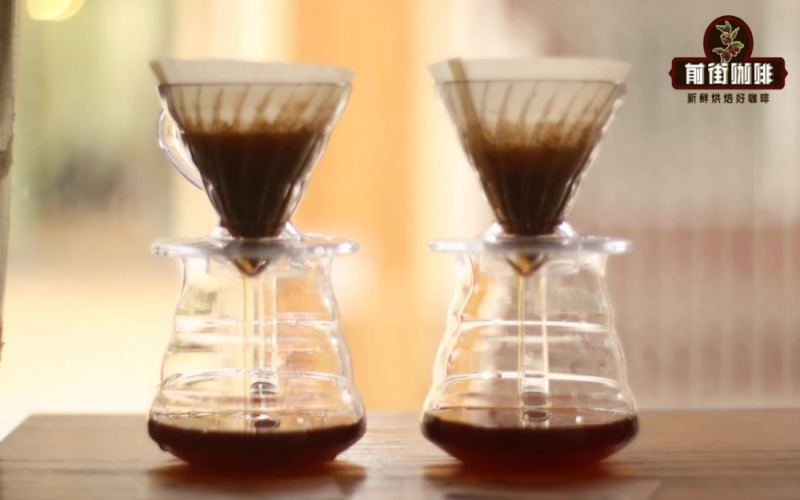
Cold Brew vs. Americano: A Comparison of Their Alertness Effects, Caffeine Content of Low-Temperature Slow Brewing, and a Detailed Guide to Making It
Cold brew coffee has gained increasing favor among coffee enthusiasts in recent years, not only because of its simple preparation method, but also because it can showcase the unique flavor charm of coffee beans. Compared with Americano made through high-temperature extraction, how does cold brew coffee perform in terms of caffeine content and refreshing effect? How does low-temperature extraction affect the acidity, sweetness, bitterness, and aroma of coffee? Starting from scientific research, this article will deeply analyze the differences between cold brew and Americano in their refreshing effects, and share Front Street Coffee's cold brew preparation method and recommended bean varieties, taking you through a comprehensive understanding of this essence extracted by time. [more…]
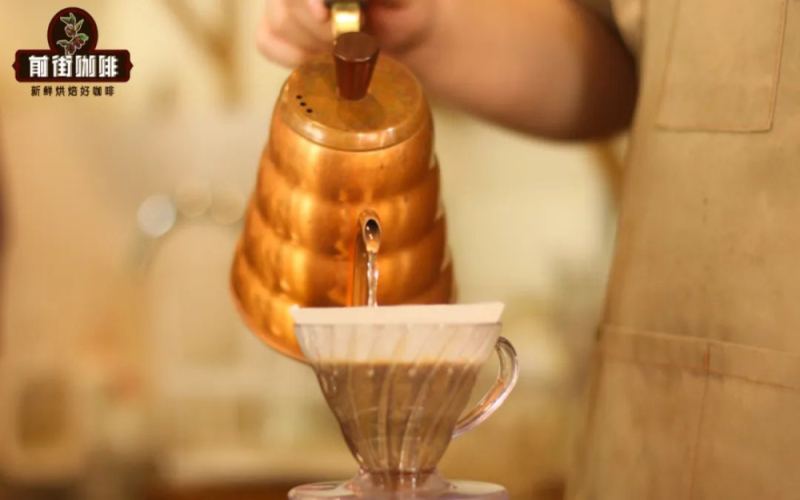
How Does Pour-Over Water Height Affect Flavor? Three Key Factors: Penetration, Heat Loss, and Verticality
The pouring height in pour-over coffee may seem like a minor detail, but it directly affects the penetrating force of the water stream, the rate at which hot water loses heat, and the verticality of the stream, ultimately determining extraction efficiency and the flavor in the cup. Some people prefer pouring from a high position, while others habitually keep the spout close to the water surface. Both approaches have their merits, but only by understanding the effects of different heights can you adjust flexibly according to the kettle type and brewing method you use. In this article, Front Street Coffee systematically sorts out the three core effects of pouring height and offers practical advice to help you avoid common problems such as uneven extraction and over-agitation, so you can brew a more stable and delicious pour-over coffee. [more…]
Caffeine Effects | What are the benefits of drinking black coffee? How many cups of Americano can you drink per day at most? Which is more refreshing, hot Americano or iced Americano?
The most primitive purpose of coffee is to refresh the mind. Whether it's an espresso you drink and go, the drip coffee maker that's a fixture in the office, or even a pour-over single-origin coffee you make a special trip to the coffee bean shop for, they all have the function of refreshing you. It's just that everyone chooses the appropriate one based on different requirements for the scenario, function, and taste. [more…]
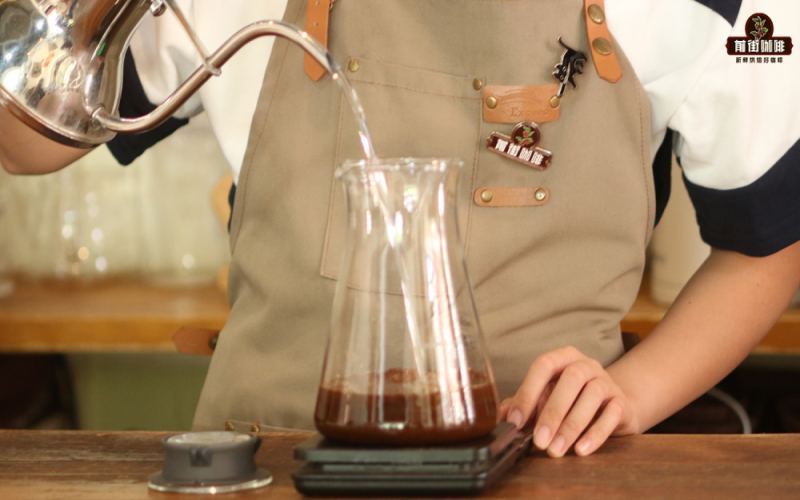
Analysis of Cold Brew Coffee Calories and Weight Loss Effects, with a Discussion of the Flavor and Taste Differences Between Cold Brew Iced Coffee and Iced Americano
Cold brew coffee and iced Americano are often lumped together, but their brewing methods are completely different, and their flavor profiles and health effects also differ. Starting from the definition of cold brew, this article compares its taste differences with iced Americano, analyzes cold brew's advantages in preserving antioxidants and reducing stomach irritation, and how it can support fat metabolism. It will also warn which additives may turn coffee from a weight-loss helper into a calorie trap. The article's recommendations of several Front Street Coffee beans provide practical options for home brewing. [more…]
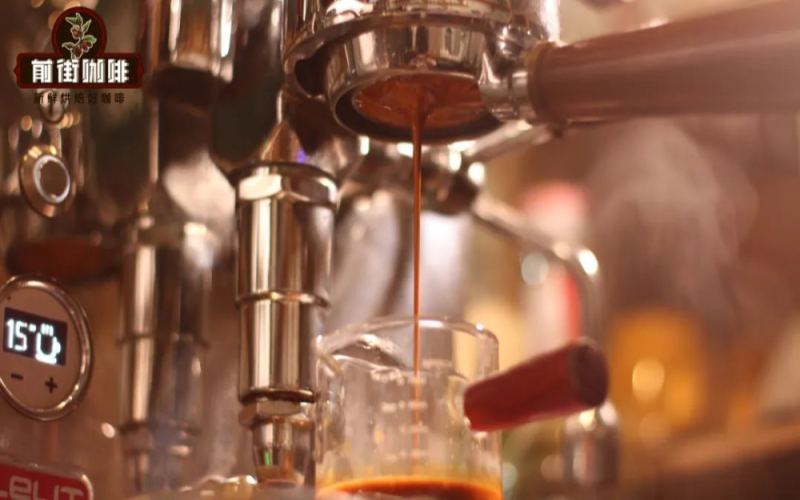
Analysis of Three Major Causes of Abnormal Espresso Flow Rate: Grind Retention Differences, Burr Temperature Rise Effects, and Boiler Load Issues
Same beans, same grind setting and dose—so why does the espresso extraction time keep swinging between fast and slow? Many coffee lovers have run into this puzzle. Drawing on Front Street Coffee's hands-on experience, this article systematically breaks down three common causes of extraction differences: the grind discrepancy between tamping and not tamping, the temperature rise effect after the burrs run continuously, and the load problem when the espresso machine's boiler is extracting and steaming milk at the same time. Understanding these variables will help you control extraction stability more precisely in your daily brewing. [more…]
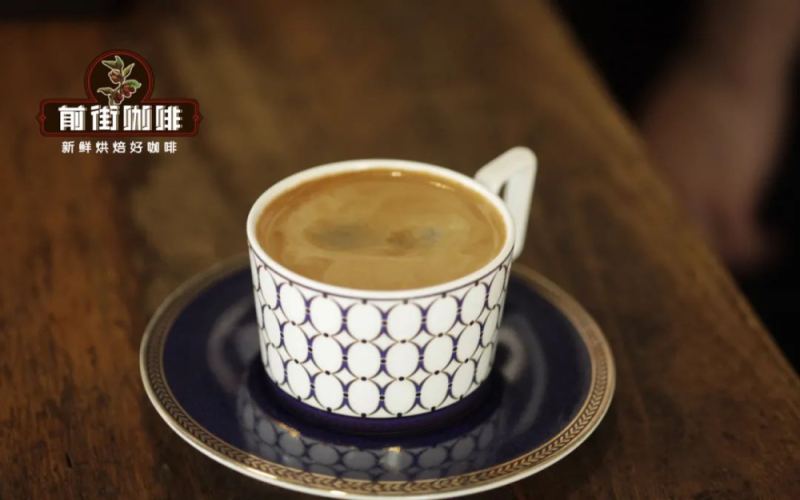
A Complete Analysis of Americano Flavor and Taste: Is Hot Americano Bitter, Its Benefits and Effects, and Front Street Coffee Bean Recommendations
Americano is one of the best-selling categories in coffee shops—quick to make, affordably priced, and able to perk up tired office workers. What flavors and mouthfeel does it actually have? Is hot Americano really that bitter? What effects and benefits does drinking Americano have? From the perspective of Front Street, this article first sorts out the historical origins and basic definition of Americano, then explains its brewing methods and the sources of its taste and mouthfeel, with a focus on analyzing how blended beans and SOE single-origin beans affect flavor. After that, for those who want to try it at home, Front Street uses its own bean list as an example to recommend a variety of blended and single-origin coffee beans suitable for making Americano, and offers practical advice on fresh roasting and extraction to help you find the cup that suits your taste. [more…]