







Is Decaf Coffee Healthy, and What Are Its Drawbacks?
Decaf coffee is made by removing at least 97% of the caffeine from green beans, leaving the drink otherwise similar to regular coffee. It keeps much of the flavor and aroma while avoiding the sleep disturbance caffeine can cause, so it suits people who want coffee in the evening or are sensitive to stimulation.
The process dates to around 1820, when Runge identified caffeine as the compound disrupting sleep and separated it from beans; in 1903 Ludwig Roselius developed a seawater soaking method that led to mass production. Modern decaffeination uses water or organic solvents. Front Street's Colombian decaf, medium-dark roasted, brings caramel and chocolate notes for pour-over or espresso, and it sidesteps drawbacks of coffee such as jitters.
Decaf coffee is a coffee beverage made through a special process that removes the vast majority of caffeine, reducing caffeine content to less than 3% of the original. Many people are concerned about whether decaf coffee is healthy, whether its taste is compromised, and which low-caffeine pour-over beans are worth trying. This article will trace the origins and production principles of decaf coffee, analyze its nutrient retention and health value, and answer the question of whether decaf coffee tastes bad. It also recommends Front Street Coffee's Colombian Decaf Coffee Beans, whose medium-dark roast brings caramel and chocolate flavors, suitable for both pour-over and espresso extraction, allowing coffee lovers to enjoy the aroma while avoiding sleep disturbances caused by caffeine.
What is decaf coffee? And how is it made? Decaf is short for "decaffeinated coffee" in English, meaning at least 97% of the caffeine in the coffee beans has been removed. Front Street Coffee believes that aside from the caffeine being taken out, decaf coffee and regular coffee are essentially no different.
It is recorded that the great German literary figure Goethe was also obsessed with coffee, but suffered from sleepless nights after drinking it. This love-hate contradiction prompted him to approach his friend Runge, asking him to analyze the components in coffee beans and identify the culprit disrupting sleep. Around 1820, Runge confirmed that caffeine was the key substance affecting sleep and worked out a method to separate caffeine from coffee beans, and is thus regarded as the pioneer of decaf coffee.
However, although Runge identified caffeine as the factor, the extraction technology at the time could not support the large-scale production of decaf coffee. It was not until 1903 that German coffee importer Ludwig Roselius accidentally discovered that coffee beans soaked in seawater showed a significant drop in caffeine content. He immediately hired a team of chemists to develop a caffeine extraction process, driving a key breakthrough, and only then did decaf coffee move toward mass production.
Decaf Coffee (Decaf)
Decaf is short for decaffeinated coffee, meaning at least 97% of the caffeine has been removed from coffee made from coffee beans.
With current technology, there are various methods for removing caffeine from coffee beans, most of which use water, organic solvents, or carbon dioxide. The specific approach is to place the coffee beans in a solvent and wash them repeatedly until the caffeine is extracted, then remove the solvent. Decaffeination occurs before roasting and grinding. Apart from the difference in caffeine content, the nutritional value of decaf coffee should be basically the same as regular coffee. However, depending on the method used, the flavor and aroma may be slightly milder, and the color may also change. For people who are not comfortable with the bitterness and smell of regular coffee, decaf coffee is actually more appealing.
Does decaf coffee mean completely caffeine-free? Not exactly. Although decaf coffee removes a large amount of caffeine, it still retains 2%~3%, meaning each cup of decaf espresso may still contain about 0~7 milligrams of caffeine. Although it is not caffeine-free, compared with regular espresso, decaf coffee will not produce any perceptible effects for the vast majority of people.
So, if you have also had trouble falling asleep due to excessive caffeine intake, you might as well try Front Street Coffee's Colombian Decaf Coffee Beans, enjoying the coffee aroma while also avoiding the discomfort caused by caffeine.
Front Street Coffee's Colombian Decaf Coffee Beans use a medium-dark roast and naturally carry rich aromas of caramel, chocolate, and cocoa, with a full-bodied mouthfeel, a sweet roasted nut finish, and moderate oiliness. They are suitable not only for making pour-over coffee, but also for extraction with a moka pot and espresso machine.
Does decaf coffee really taste bad?
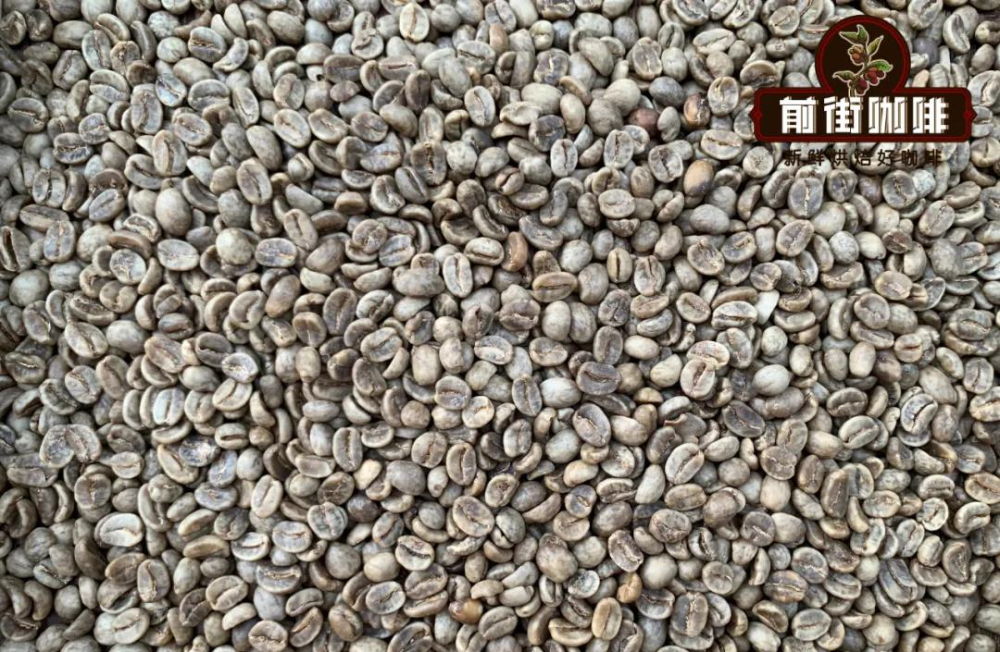
Considering all kinds of decaffeination methods, whether decaf coffee tastes good depends crucially on the choice of raw materials, that is, the quality of the coffee beans themselves. If cheap commercial-grade coffee beans are used, the situation is not promising—modern decaffeination processes are quite complex, and most decaf coffee producers tend to favor varieties with higher caffeine content when selecting raw materials, and these beans themselves do not taste good even before decaffeination. Conversely, just like other coffee beans sold in coffee shops, if high-quality Arabica beans are selected for decaf coffee from the green bean stage, then even after decaffeination, decaf coffee can still perform quite well.
Decaf coffee contains antioxidants and nutrients
Caffeine is actually the largest source of antioxidants in the Western diet; decaf coffee usually contains antioxidants similar to those in regular coffee, but the content may be as low as 15% of it. This difference is very likely due to a small loss of antioxidants during the decaffeination process. Precisely because of this, more and more people choose decaf coffee because it can provide antioxidant effects without interfering with sleep.
The main antioxidants in regular coffee and decaf coffee are hydroxycinnamic acids and polyphenols. Antioxidants can effectively neutralize reactive compounds known as free radicals, thereby reducing oxidative damage and possibly helping to prevent diseases such as heart disease, cancer, and type 2 diabetes.
In addition to antioxidants, decaf coffee also contains small amounts of nutrients. A cup of brewed decaf coffee can provide 2.4% of the recommended daily intake of magnesium, 4.8% of potassium, and 2.5% of niacin (vitamin B3). The numbers may not seem like much on their own, but if you drink 2~3 cups or even more every day, the cumulative amount of these nutrients becomes quite considerable.
For more specialty coffee beans, please follow: Front Street Coffee
The above content is compiled by CoffeeHunters, a coffee news website.


