







Why Do Drip Bags Cost More Than Instant Coffee?
Instant coffee and drip bag coffee are both convenient, but they start from different places. Instant coffee must be dehydrated into powder or granules, a process that strips out most of the volatile aroma compounds. Drip bag coffee is only pre-ground, so it keeps far more of the flavor of freshly ground beans when hot water passes through.
Freshly ground coffee means grinding beans right before extraction, and those aromatic compounds fade from the moment roasting ends. That is why drip bags, which seal ground coffee in a filter, sell at a higher price than instant. To learn how to make coffee from powder properly, use water just off the boil, pour in stages, and let the bed drain evenly. Anyone curious what does a raw coffee bean taste like can compare it with the roasted, brewed cup.
Although instant coffee and drip bag coffee both belong to the convenient coffee category, they differ fundamentally in raw materials, processing, and flavor expression. Instant coffee, because it must be dehydrated into powder, loses almost all of its aroma, while drip bag coffee is only pre-ground, preserving the vast majority of the flavor of freshly ground coffee. Starting from the definition of freshly ground coffee, this article compares in detail the production principles, health effects, and price differences of the two, and includes drip bag brewing steps demonstrated by a Front Street barista, helping coffee lovers understand why drip bag coffee is priced higher and how to properly brew a delicious cup of drip bag coffee.
What is freshly ground coffee?
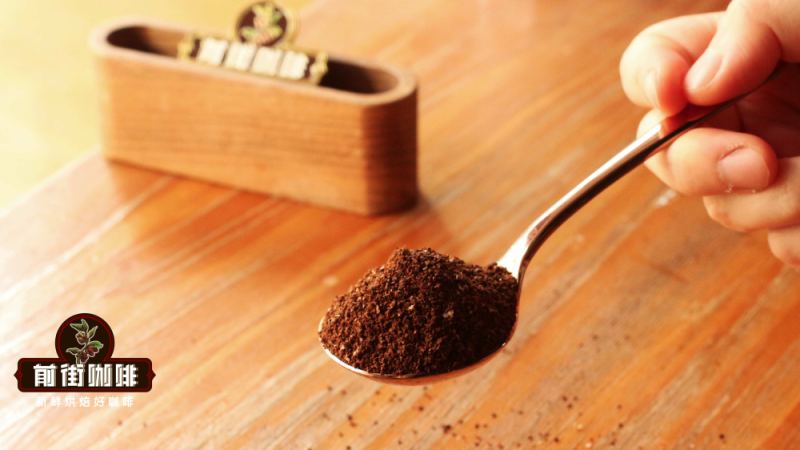
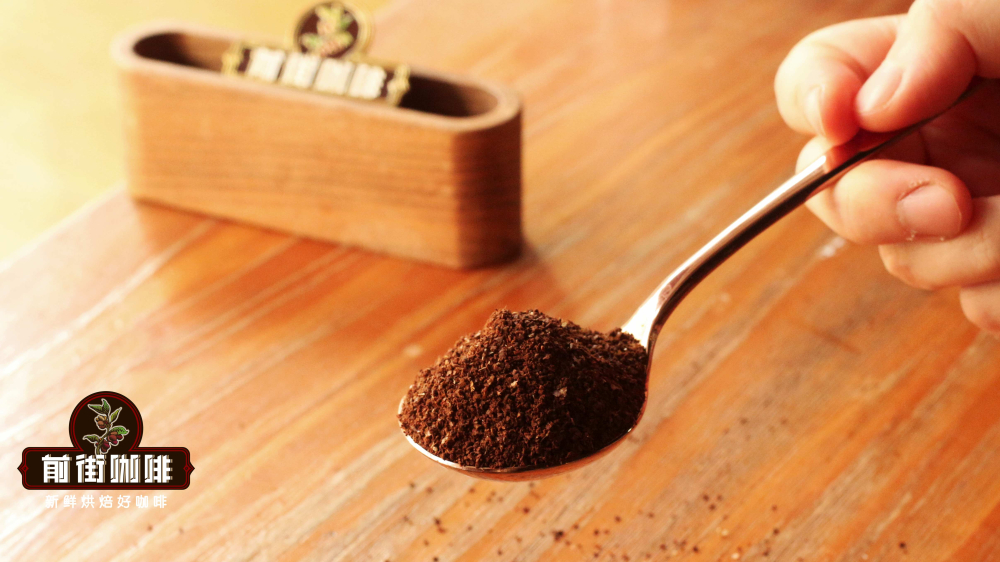
So-called freshly ground coffee refers to grinding coffee beans into powder only at the moment before extraction begins. Whether it is espresso or a single-origin pour-over, as long as the coffee powder used is ground on the spot, the cup counts as "freshly ground coffee."
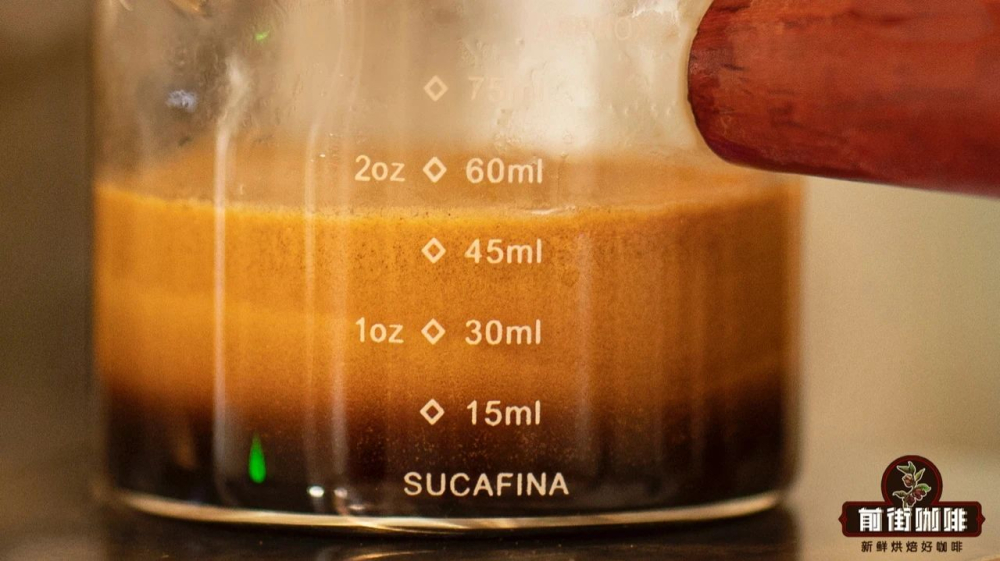
Front Street has always emphasized that the most prominent advantage of freshly ground coffee is "freshness." Nowadays, people drink coffee not only to stay awake, but also care more about the thousands of aromatic compounds released by coffee beans after roasting, and the full body presented after extraction—for example, the layer of golden crema on the surface of an espresso is a direct reflection of freshness.
However, these aromatic compounds are volatile and will continue to dissipate over time from the moment roasting ends. Therefore, the aroma must be preserved as much as possible before it disappears.
Therefore, Front Street firmly believes that freshly roasted coffee beans are the fundamental prerequisite. The aroma of coffee beans changes with the storage environment and time, and once they exceed the optimal flavor period, the loss of aroma accelerates. Front Street clearly understands how critical freshness is, so the Front Street coffee beans we send out are all freshly roasted within 5 days, so that when customers receive them, they can be opened and brewed right away.
What is instant coffee?
After World War II, the demand for coffee soared in many countries, especially instant coffee. But at that time, most people regarded coffee only as a tool to stay awake and did not care at all about taste. So many roasters, in order to cut costs and increase profits, used low-quality coffee beans as raw materials.
After extremely dark roasting, the negative flavors of inferior beans were conveniently masked, and then a large amount of dairy products and sugar were added to neutralize the dark roast's burnt bitterness, and a "tasty" coffee was made! But the instant process requires removing water to turn coffee into powder, so there is almost no flavor or deliciousness to speak of. To further save costs, what was used in instant coffee to balance bitterness was a large amount of non-dairy creamer that is harmful to health. Yet it was precisely this kind of product that, in the last century, was a "treasure" to many people in many places.
What is drip bag coffee
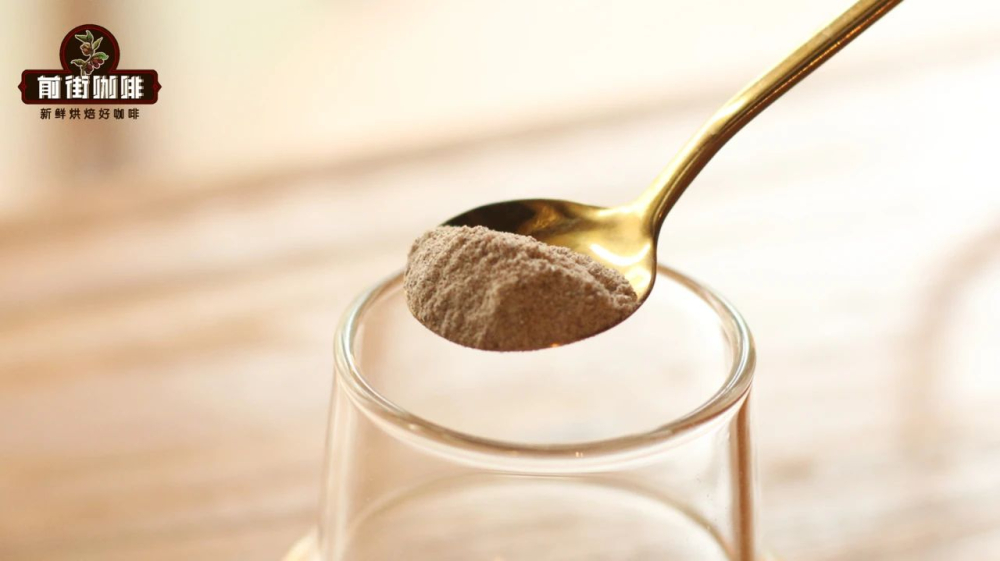
Drip bag coffee is made by first grinding coffee beans into powder and then packaging it in individual small bags. It is not fundamentally different from fresh coffee beans; the only difference is that one is ground in advance and the other is ground fresh, so the brewed coffee tastes largely the same as freshly ground coffee, only with slightly less aroma than freshly ground. But whether it is freshly ground and freshly brewed or drip bag, the purpose is to taste the bean's original flavor, so usually no additional flavorings are added; while instant coffee, after processing, has long lost its original aroma, and its taste is only left with an interwoven bitterness and sweetness.
Front Street drip bag coffee selects single-origin pour-over beans, so its price is naturally higher than instant coffee, but the flavor choices are also richer. If you prefer clear floral notes, you can choose Front Street Fruit Ding Ding Drip Bag and Front Street Huakui; if you want fruity characteristics, Front Street Strawberry Candy Drip Bag and Front Street Blackberry Drip Bag are the first choice; if you do not like acidity and pursue a rich, sweet-bitterness, try Front Street Mandheling Seasonal Drip Bag and Front Street Brazil Seasonal Drip Bag.
Drip bag coffee is very suitable for business trips, travel, or people who are short on time but still want coffee. So how should drip bag coffee be brewed? Just hang the drip bag directly on the rim of the cup and pour in water. To prevent water from overflowing, you can pour in stages, and at the same time pay attention that the water temperature is neither too high nor too low.
To make drip bag coffee taste good, Front Street believes it is best to tear it open and pour water directly, and never soak it in water together with the packaging, because the paper shell may dissolve and then affect the coffee's taste. After brewing, discard the coffee grounds directly. Front Street does not recommend a second or multiple brewing, nor soaking it in water, because the first brewing has already extracted most of the coffee's flavor, and repeated brewing or soaking is meaningless.
How does a Front Street barista brew drip bag coffee?
The amount of water for brewing a drip bag is relatively easy to control. Taking the floral Front Street Yirgacheffe Drip Bag as an example, 10 grams per small bag, following a pour-over coffee-to-water ratio of 1:15 to 1:18, it is recommended to pour in 150-180 ml of water.
Usually, first pour a small amount of hot water into the drip bag filter to wet all the coffee grounds, pouring the first stage to 1/2 of the filter bag, and let it bloom for about ten seconds. Then pour water toward the center twice in succession until the drip bag is 8/10 full, and after the coffee liquid in the filter bag has completely dripped through, add water again until the final stage finishes filtering. If you pour until completely full, the water accumulated on top easily "bypasses" the coffee bed and filters out directly from the side of the drip bag, causing the coffee to taste weak.
After many tests, Front Street found that pouring in three stages like this takes about one and a half minutes, and the total amount of water is basically around 150 ml. If you want a lighter taste, add one more stage and pour to 8/10 full, for about 180 ml. The Front Street Yirgacheffe Drip Bag brewed this way has elegant lemony fruit acidity, a light and comfortable mouthfeel, and a green-tea-like sweet aftertaste.
The above content is compiled by CoffeeHunters, a coffee news website.


