







Is iced americano or hot americano which is better for weight loss?
Cold brew and iced Americano are different drinks made different ways, and that changes both flavor and calorie math. Iced Americano pulls espresso with hot water, then adds water and ice, so it can turn out clean but also bitter. Cold brew soaks grounds in cool water for 12 to 24 hours, which keeps more acids and oils intact and yields a softer, sweeter cup with little bitterness.
For weight loss, the brewing method matters less than what gets added. Plain cold brew and plain iced Americano carry almost no calories, but syrups, cream, and sugar can push a drink into calorie-trap territory. Cold brew may help fat metabolism and cause less stomach irritation, and medium or medium-light roasts suit it, while medium to medium-dark roasts work for espresso-based Americanos.
Cold brew coffee and iced Americano are often lumped together, but their brewing methods are fundamentally different, and their flavor profiles and health effects also vary. This article starts with the definition of cold brew, compares its taste differences with iced Americano, analyzes cold brew's advantages in preserving antioxidants and reducing stomach irritation, and how it aids fat metabolism. It will also warn which additives may turn coffee from a weight-loss helper into a calorie trap. The article's recommendations for several Front Street Coffee beans provide practical options for home brewing.
1. What is cold brew coffee?
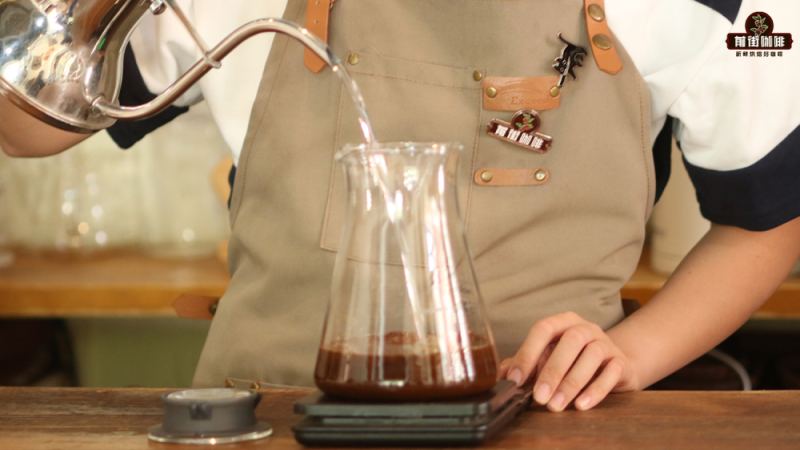
Many people treat cold brew coffee and iced Americano as the same thing, but these two drinks are actually different from the ground up. Iced Americano is made by first extracting espresso with hot water, then adding drinking water and ice in a certain ratio to make a cold drink; cold brew, by contrast, completes the entire extraction process in a low-temperature environment, relying on long soaking to obtain coffee flavor.
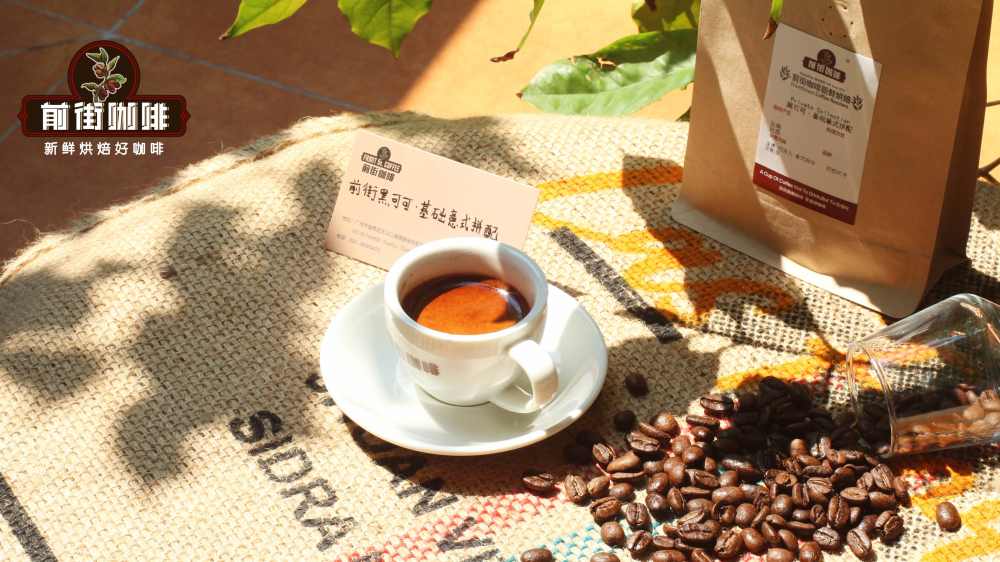
Iced Americano usually uses medium-roast or medium-dark-roast beans. If making it at home, Front Street Black Cocoa Base Blend, Front Street Strawberry Candy Espresso, and Front Street Grana Geisha SOE are all good choices. They are all formulas designed for espresso machines and can make an Americano that is refreshing without being greasy, and rich without being bitter.
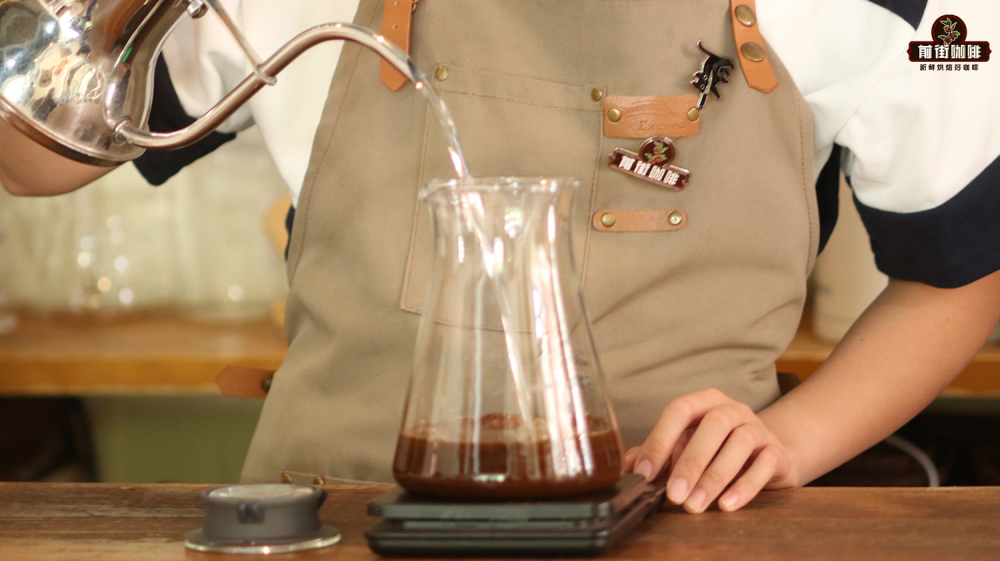
Cold brew coffee takes another processing route—placing ground coffee into cold water or room-temperature water and soaking it for 12 to 24 hours. Throughout the brewing process, the coffee grounds do not come into contact with high temperatures, which is precisely its core difference from hot-brewed coffee. Because no heat is involved, cold brew can retain more acidity and oils, while these components are easily oxidized during traditional hot brewing. With acids and oils well preserved, cold brew tastes softer and sweeter, without the bitterness commonly found in ordinary coffee.
The low-temperature soaking characteristic makes cold brew suitable for presenting a refreshing and rounded mouthfeel. Front Street recommends choosing medium-roast or medium-light-roast coffee beans. If you want to balance cost-effectiveness, Front Street Strawberry Candy Geisha Blend, Front Street Blackberry, and Front Street Mozart are all worth considering. These single-origin beans come from Costa Rica and use honey processing, with a very prominent sweetness.
2. How to make coffee helpful for weight loss?
The biggest health advantage of cold brew coffee is its higher antioxidant content. To further boost the antioxidant components, my personal approach is to add a little cinnamon powder during preparation. Coffee itself is a fruit rich in antioxidants, but when brewed with hot water, some compounds are destroyed, oxidized, or simply not extracted at all.
Low-temperature, long extraction allows these health-beneficial substances to remain in the coffee liquid. They can play a role in delaying aging and preventing various diseases such as cancer, heart disease, Alzheimer's disease, and arthritis. In addition, cold brew coffee is relatively gentler on the stomach because it is less acidic.
When coffee is brewed at high temperatures, a compound called chlorogenic acid converts into quinic acid. Quinic acid has an astringent taste and can damage the gastric mucosa. If you feel heartburn or stomach discomfort after drinking coffee, you may want to find other drinks or snacks to relieve it.
The bitterness of traditional hot coffee also brings similar problems. Almost everyone likes to drink sweet coffee, adding sugar and milk, which is very likely an unconscious response to mask bitterness. By contrast, cold brew is lower in acidity and has flavors of chocolate, citrus, and nuts, which can both take care of the stomach and avoid ingesting unnecessary sugar or calories.
Both cold coffee and hot coffee can boost fat metabolism and help somewhat with weight loss, so you do not have to put in extra effort during exercise.
3. These things added to coffee will make you gain weight
Since cold brew coffee can be a boost for weight loss, then you must make sure you do not undo all the benefits by adding things you should not add.
For example, sugar brings empty calories and inflammatory factors. When drinking cold coffee, the flavor itself is sweeter and more fruity, so there is no need to add extra sweeteners, creamers, or other flavorings, including ordinary coffee creamers, which contain unhealthy ingredients such as high-fructose corn syrup, artificial flavors, trans fats, and carrageenan.
The above content is compiled by CoffeeHunters, a coffee news website.


