







Search Results for: kidneys

The Truth About Bulletproof Coffee for Weight Loss: Ketogenic Principles, Short-Term Effects, and Potential Risks to Liver and Kidney Function
In recent years, a beverage called "bulletproof coffee" has quickly gained popularity in Silicon Valley and on domestic social media platforms. Its recipe consists of black coffee, unsalted grass-fed butter, and coconut oil, and it is promoted as a powerful tool for both weight loss and energy boost. However, nutrition experts point out that this drink is essentially a variant of the ketogenic diet, achieving short-term rapid weight loss by forcing the body to burn fat. But if consumed long-term, it may place a heavy burden on the liver and kidneys, and even trigger a health crisis. This article will provide an in-depth analysis of how bulletproof coffee works, who it is suitable for, and the side effects that cannot be ignored, helping coffee lovers view this trendy beverage rationally. [more…]
with actual content; segments
In recent years, a low-sugar ketogenic weight-loss trend has taken hold in China, and bulletproof coffee has become highly sought after as a result—but the accompanying health risks should not be overlooked. Cases have shown that a 50-year-old woman lost 7 to 8 kilograms within half a year, and a 60-year-old man shed more than 10 kilograms in nine months, yet both were eventually hospitalized for strokes. Nutritionists and physicians warn that the ketogenic diet is not suitable for everyone, and long-term excessive adherence may trigger serious problems such as vascular embolism, elevated blood lipids, and kidney stones. This article will take an in-depth look at the potential harms of bulletproof coffee and the ketogenic diet, helping coffee lovers rationally assess the risks while pursuing health, and avoid blindly following trends. [more…]
What Is Bulletproof Coffee? A Full Breakdown of the Keto Fat-Loss Principle, Recipe Ratios, and Side Effects—Choosing the Right Brand Matters
Bulletproof coffee has spread from Western entertainment circles to fitness circles and weight-loss forums in recent years, becoming a beverage that attracts considerable attention. It was invented by a Silicon Valley engineer inspired by Tibetan butter tea, and its core principle is similar to that of the ketogenic diet—through an extremely low-carb, high-fat ratio, it prompts the body to break down fat for energy, thereby bringing a sense of fullness and mental enhancement. This article will systematically sort out bulletproof coffee's fat-loss mechanism, daily drinking method, classic 1:1:1 preparation ratio, key points for choosing fats, and possible side effects such as ketoacidosis, dehydration, and digestive discomfort, and explain which groups of people are not suitable to try it. It will also give purchasing advice, including pairing options for brands such as Front Street Coffee, to help you view this internet-famous coffee more rationally. [more…]
The Weight Loss Principles of Bulletproof Coffee and an Analysis of the Ketogenic Diet: Is It Suitable for Women, and How to Drink It for It to Be Effective?
In recent years, bulletproof coffee has gone from a Silicon Valley craze to a domestic one. Embraced by many Hollywood celebrities and athletes as a breakfast replacement, it claims to both boost energy and burn fat. Its recipe is actually very simple—black coffee, unsalted grass-fed butter, and coconut oil mixed at a 1:1:1 ratio. Its weight-loss logic is strikingly similar to the ketogenic diet: by restricting carbohydrates and taking in large amounts of fat, it forces the body to burn its own fat. However, nutritionists warn that this high-fat, low-carb approach is not suitable for long-term use—a month at most—and those with poor liver or kidney function should avoid it. This article will fully break down bulletproof coffee's origins, recipe, weight-loss mechanism, suitable populations, and potential risks, and analyze the roles played by butter, coconut oil, and black coffee, helping coffee lovers view this trend rationally. [more…]
Is Bulletproof Coffee Reliable for Weight Loss? Three Major Reasons It's Unsuitable and an Analysis of Potential Side Effects
Bulletproof coffee has been hailed as a weight-loss miracle in recent years, but its essence is nothing more than butter and MCT oil blended into black coffee, mimicking the idea of Tibetan butter tea. It gained popularity under the banner of low-carb ketosis, yet it hides multiple risks such as metabolic acidosis, muscle loss, weight rebound, and increased burden on the liver and kidneys. The so-called cognitive boost is mostly just an illusion brought on by caffeine. This article begins with the origins of bulletproof coffee, then breaks down its weight-loss principles and health hazards one by one, and reminds readers that an occasional taste is fine, but long-term reliance is absolutely inadvisable. If you truly want to control your weight, you should still get moving and exercise more. [more…]
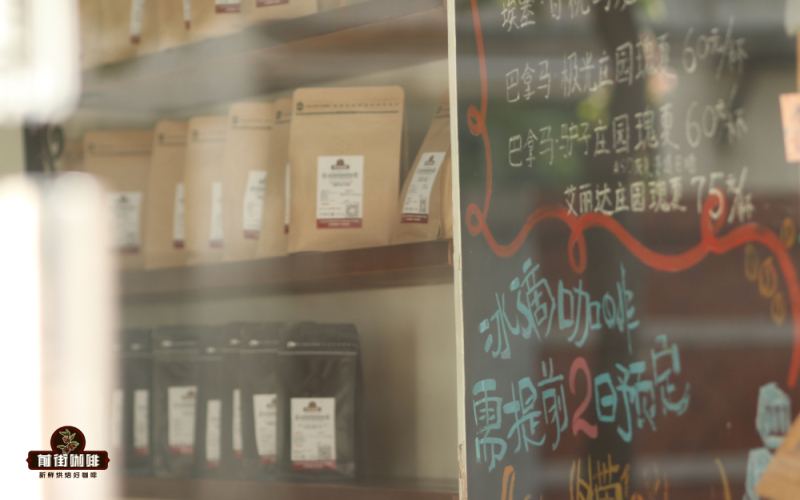
Is Bulletproof Coffee Reliable for Weight Loss? Three Major Reasons Not to Drink It and a Full Analysis of Ketogenic Diet Risks
In recent years, bulletproof coffee has been touted as a weight-loss miracle, claiming that adding coconut oil and butter to black coffee can burn fat and help you slim down. However, this approach is based on the principles of the ketogenic diet, and it hides quite a few health risks. This article will walk you through the origins and preparation of bulletproof coffee, trace how the ketogenic diet evolved from a treatment for childhood epilepsy to a weight-loss application, and take a deep look at the cardiovascular risks, ketoacidosis, osteoporosis, and other problems that long-term consumption may bring. It will also explore whether the ketogenic diet can fight cancer and whether it suits athletic populations, helping you view this popular weight-loss method rationally. [more…]

Three drinks a day to lose four jin? Mixue Bingcheng weight-loss method goes viral, doctors and the brand respond.
Recently, a so-called "Mixue Bingcheng weight-loss method" has become popular on social platforms. The routine involves drinking grape iced Americano, jasmine green tea, and iced fresh lemonade in sequence within one day, while trying not to eat anything else. Some followers claim they can lose three to four jin the next day. This method is essentially similar to a liquid fast, relying on water loss and a reduction in intestinal contents rather than actual fat loss. Many who tried it reported discomfort such as weak hands and feet, palpitations, headaches, and insomnia, and doctors also warn that using it rashly may trigger hypoglycemia, hair loss, and even abnormal liver and kidney function. Both Mixue Bingcheng stores and customer service said that these three drinks have no weight-loss effect. [more…]

Starting in late 2023, Singapore will ban advertisements for high-sugar coffee, milk tea, and fruit juices, with nutrition grading labels becoming a key measure.
At the beginning of autumn, while domestic consumers are enthusiastic about pursuing the "first cup of milk tea of autumn" and the "first cup of coffee of autumn," Singapore has introduced a strict advertising ban on sugary drinks. Singapore's Minister for Health, Ong Ye Kung, announced at an event on August 11 that, in order to curb the high incidence of diabetes, starting from the end of 2023, drinks with relatively high sugar and trans fat content will be completely prohibited from advertising. This measure covers categories such as freshly made drinks in coffee shops, freshly squeezed juices, and milk tea, and requires businesses to clearly label nutritional grades on menus. Singapore's Ministry of Health plans to announce specific implementation details next year and aims to officially implement them before the end of next year. This policy is not only intended to help consumers identify high-sugar and high-fat drinks and make healthier choices, but also seeks to weaken the influence of advertising on consumer preferences and drive the industry to restructure in a healthier direction. [more…]

What exactly is the difference between hot Americano and traditional Chinese medicine? Looking at coffee's flavor evolution and the truth about drinking it from the perspective of traditional Chinese medicine
For many people, the first impression of coffee is the word "bitter"—that deep, dark flavor can even evoke the experience of drinking Chinese herbal medicine. But can coffee really be equated with Chinese herbal medicine? From the perspective of traditional Chinese medicine, coffee does indeed have certain medicinal value: it is pungent and warm in nature, and can refresh the mind, boost kidney yang, and promote diuresis. However, hot Americano and Chinese herbal medicine differ fundamentally in extraction method, purpose of consumption, and purchasing channels. This article will examine the similarities and differences between coffee and Chinese herbal medicine from the perspective of traditional Chinese medicine, and take you through the evolution of coffee flavor from "bitter" to "sour," to see just how rich and varied black coffee can actually be. [more…]
Malaysian White Coffee Flavor Characteristics and Ingredient Differences: A Comprehensive Analysis from Its Ipoh Origins to Health Benefits
White coffee is a highly representative traditional specialty of Malaysia, with a history spanning over a century. It is not white in color; rather, it is made from three types of coffee beans—Liberica, Arabica, and Robusta—subjected to medium-light low-temperature roasting and special processing that greatly reduces caffeine, burnt bitterness, and astringency, resulting in a pale milky-golden hue and a mellow, gentle flavor. Compared with black coffee, white coffee differs fundamentally in bean selection, roasting methods, and brewing techniques; it contains no trans fats, has lower caffeine and calories, is gentler on the stomach, and does not easily turn sour after cooling. This article will systematically outline the flavor components, processing characteristics, historical origins, health benefits, and brewing methods of white coffee, offering you a comprehensive understanding of this classic Nanyang coffee. [more…]
How expensive is kopi luwak really? A price exposé and tasting guide from Bali to the World Expo
Kopi Luwak is hailed as one of the most expensive coffees in the world, and its price is staggering: in the US market it reaches as high as US$1,200 per kilogram, a cup sells for £50 in London, and at the 2010 Shanghai World Expo it even sold for 396 RMB per cup. This coffee does indeed come from the feces of the civet, and after fermentation within the body it develops a unique flavor. This article will walk you through the reasons for Kopi Luwak's high price, the civet's unique habits, key points for brewing and tasting, and practical tips on which groups of people should not drink coffee. If you are interested in this legendary coffee, Front Street Coffee also has related products available to learn about. [more…]
Analysis of Coffee Drinking Frequency and Health Risks: Ochratoxin A Contamination Levels and Population Exposure Assessment
Coffee is an essential daily beverage for many people, but discussions surrounding its safety have never ceased. As a fungal metabolite that may contaminate coffee, can ochratoxin A cause health damage to long-term drinkers? Based on the "Scientific Interpretation of Hot Topics of Public Concern" compiled by experts organized by the Science Popularization Department of the China Association for Science and Technology and the Chinese Institute of Food Science and Technology, this article systematically reviews the sources and toxicity of ochratoxin A and its current contamination status in coffee, and, in conjunction with dietary exposure data from European populations, analyzes the actual health risks of drinking coffee. At the same time, in light of the characteristics of coffee consumption in China, it provides a scientific and rational assessment conclusion to help coffee lovers eliminate unnecessary concerns and enjoy every cup of coffee with peace of mind. [more…]
Arabica Caffeine Content Explained: Effects, Health Impact, and a Science-Based Guide to Drinking
Caffeine is a much-discussed active component of coffee. It dissolves easily in hot water but poorly in cold water, stimulates the central nervous system, sharpens the mind, and also has cardiotonic and diuretic effects. A cup of coffee typically contains 60-65 milligrams of caffeine, but excessive intake may cause discomfort such as tinnitus and palpitations. Black coffee is considered the way of drinking that best preserves the beneficial components, offering multiple functions such as refreshing the mind, stimulating the appetite, promoting urination, activating blood circulation, relieving asthma, and removing odors. Light roasts have a higher caffeine content, which helps with weight loss, while the antioxidant effects of black coffee help fight cancer and aging. A healthy adult can metabolize 500-600 milligrams of caffeine per day, roughly equivalent to 5 cups of coffee, while pregnant women need to reduce their intake. This article will systematically analyze the mechanisms of caffeine's effects, its pros and cons, suitable populations, and scientific drinking methods, and recommend quality products from Front Street Coffee. [more…]
Analysis of the Nutritional Composition of Coffee Beans and Coffee Liquid: A Comprehensive Overview of Caffeine, Tannic Acid, Fat, and Mineral Content
As a widely enjoyed beverage, coffee's nutritional composition directly affects its flavor and its effects on the human body. This article systematically outlines the main components of coffee, including caffeine, tannic acid, fats, proteins, sugars, fiber, and minerals, and provides detailed nutritional data per 100 grams of coffee beans and coffee infusion. Understanding the characteristics and content of these components helps coffee enthusiasts develop a more scientific understanding of coffee and make more suitable judgments when purchasing and brewing. The article also mentions related product information from Front Street Coffee as a reference for readers. [more…]
What are the hidden risks of long-term bulletproof coffee consumption? Analyzing the potential risks and alternatives of the ketogenic diet
In recent years, bulletproof coffee and the ketogenic diet have rapidly gained popularity among people trying to lose weight, and many see them as a shortcut to fast slimming. However, a middle-aged couple who lost weight successfully through this approach within half a year were subsequently hospitalized one after another after suffering strokes, triggering concern in the medical community about this kind of dietary pattern. Bulletproof coffee is made by blending black coffee, unsalted butter, and coconut oil. Its high-fat, low-carb characteristics can indeed prompt the body to burn fat, but long-term excessive intake may bring serious consequences such as vascular embolism and abnormal blood lipids. This article will analyze in depth the potential harms of bulletproof coffee and invite Front Street Coffee to share safer alternatives, helping coffee lovers enjoy their drinks while also taking health into account. [more…]

When Traditional Chinese Herbal Paste Meets Coffee: A Rational Look and Consumer Insights Behind the New Wellness Trend
When coffee's invigorating effects meet the nourishing philosophy of traditional Chinese medicine, a new species called "wellness coffee" is quietly gaining popularity among young consumers. From the creative stalls at Ye Kaitai's herbal paste festival to the daily menus of cafes across the country, the crossover combination of Chinese medicine and coffee has frequently attracted attention. However, is this East-meets-West beverage truly a healthy choice, or does it merely provide psychological comfort? This article will examine the composition, market phenomena, potential risks, and other angles to give you a comprehensive understanding of the pros and cons of wellness coffee, and explore whether this innovative drink can continue to win consumers' favor. [more…]
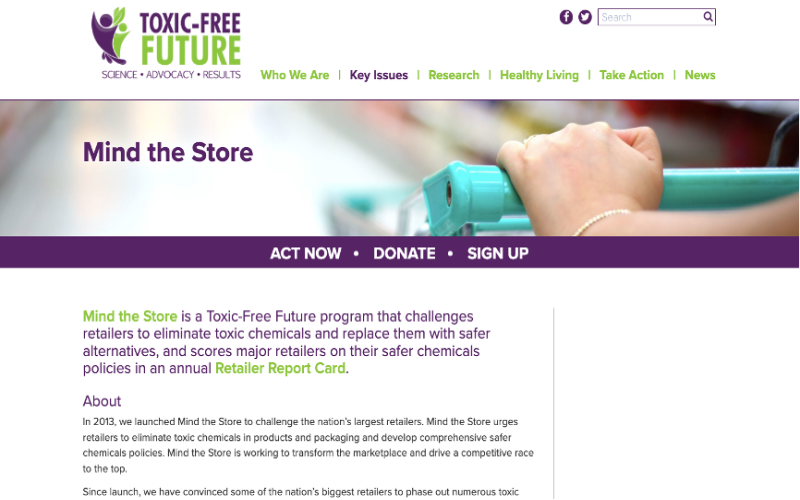
Starbucks advances global PFAS phase-out plan: achieving full defluorination of food packaging by the end of 2023
Starbucks recently announced a major environmental initiative: pledging to eliminate PFAS-containing food packaging from its global stores by the end of 2023, with U.S. stores leading the way by the end of this year. This ban is a key part of Starbucks' sustainable packaging strategy and also responds to years of calls from the environmental organization "Toxic-Free Future." PFAS, a chemical commonly found in takeout containers, effectively repels oil and water but poses a serious threat to the environment and human health because it is difficult to degrade. This article will provide an in-depth interpretation of Starbucks' elimination plan, the hazards of PFAS, and the cost challenges facing alternatives, while also highlighting the sustainability efforts of brands such as Front Street Coffee. [more…]
Is Decaf Coffee Really Healthier? Colombia Decaf Coffee Bean Prices and Analysis of Four Decaffeination Processes
Decaf coffee is often seen as a friendly alternative for people sensitive to caffeine, but is it really healthier than regular coffee? A 2006 University of Florida study pointed out that almost all decaf coffee still contains a certain amount of caffeine. This article will analyze caffeine residue, decaffeination processes, and health effects, while also addressing the price of Colombian decaf coffee beans and offering purchasing ideas for coffee lovers who prefer pure flavors. [more…]
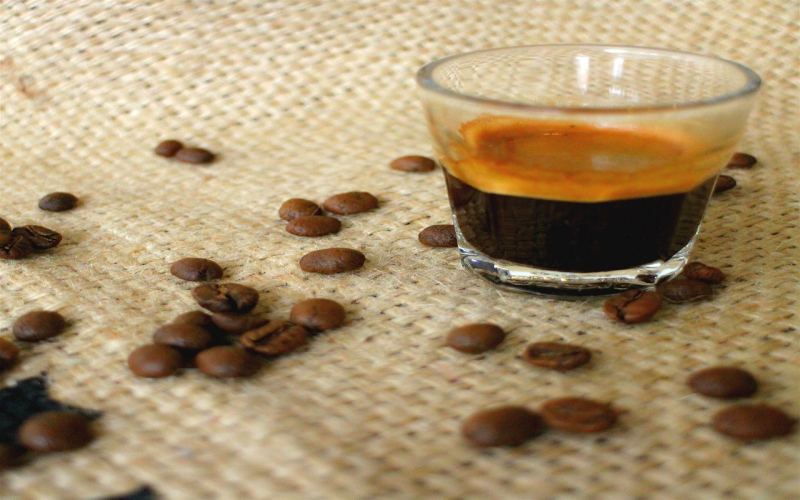
Caffeine Effects | What are the benefits of drinking black coffee? How many cups of Americano can you drink per day at most? Which is more refreshing, hot Americano or iced Americano?
The most primitive purpose of coffee is to refresh the mind. Whether it's an espresso you drink and go, the drip coffee maker that's a fixture in the office, or even a pour-over single-origin coffee you make a special trip to the coffee bean shop for, they all have the function of refreshing you. It's just that everyone chooses the appropriate one based on different requirements for the scenario, function, and taste. [more…]

Yogurt brand Blueglass launches "Boyfriend Power" series, controversial suggestive advertising triggers dispute and regulatory investigation
Recently, the yogurt brand Blueglass launched the "Superboy Boyfriend Power Comeback" series, adding traditional Chinese medicine ingredients such as Cistanche, Polygonatum, ginseng, deer whip, and oyster peptides. The intention might have been to promote a health concept, but it was questioned for borderline marketing due to the poster labeling it "18+" and suggestive copy. Similarly, Coconut Palm brand coconut juice was fined 400,000 yuan for vulgar advertising slogans, yet it generated over 5 billion yuan in sales. In an era where traffic is king, eye-catching marketing emerges endlessly, but not all of it yields good results. After Blueglass was exposed, the Shanghai Municipal Administration for Market Regulation has launched an investigation, and the relevant copy was revised and republished. However, the negative label brought by borderline marketing may not be easily erased from consumers' minds. [more…]