







Can Robusta Coffee Beans Really Support Weight Loss?
Robusta coffee beans contain about 2.7 to 4 percent caffeine, close to twice Arabica, and higher chlorogenic acid, so black coffee brewed from them may modestly lift metabolism, reduce water retention and ease constipation. The effect is small and depends mainly on total caffeine intake rather than the coffee alone.
Robusta's low sucrose and high chlorogenic acid give heavy, bitter notes of walnut, peanut, hazelnut and grain, which is why it appears in espresso blends and instant coffee. Robusta trees tolerate heat, cold, drought and humidity, yield well on low-altitude plains and are machine-harvested, keeping green bean costs low. Drinking a cup about half an hour before exercise fits common practice.
Robusta coffee beans, due to their high caffeine content and strong, bitter, full-bodied flavor, are often used in espresso blends and instant coffee. Many people wonder: can drinking Robusta black coffee actually help with weight loss? This article will start with Robusta's varietal characteristics, chlorogenic acid content, and roasting and extraction performance, then sort out black coffee's effects on boosting metabolism, reducing water retention, and relieving constipation, while also explaining the appropriate daily intake and the optimal timing of drinking it half an hour before exercise. It will also introduce Front Street Coffee's blend products containing a small amount of high-quality Robusta and its fresh-roasting philosophy, helping coffee lovers take a scientific view of Robusta black coffee's weight-loss effects.
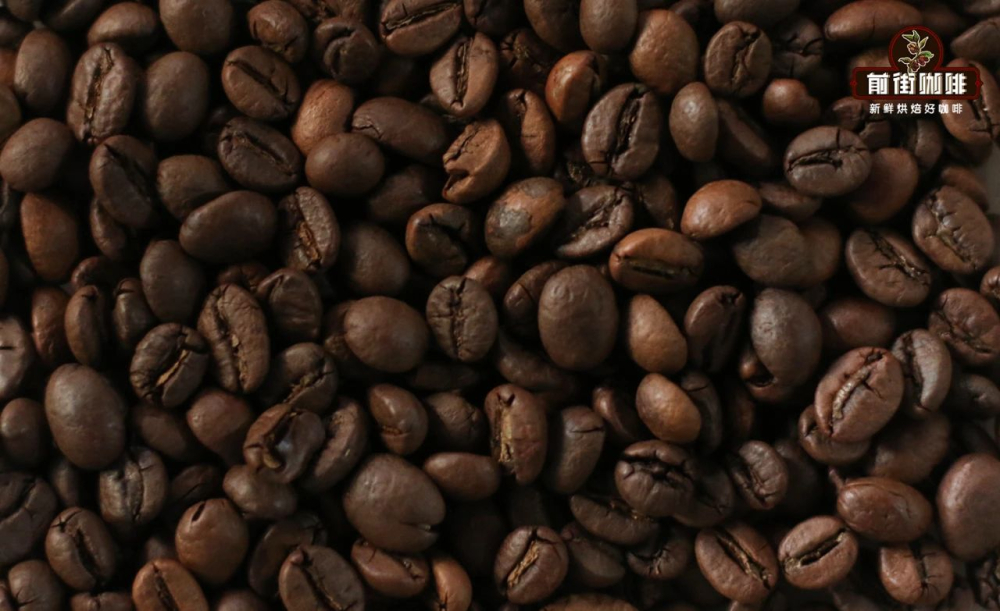
Robusta is one of the two mainstream varieties on today's coffee market, and people in the coffee world habitually call it "Robusta" for short. In terms of flavor, Robusta lacks the bright, lifted layering of Arabica, and is overall dominated by intense, bitter, and full-bodied notes, so it is often included in dark-roast espresso blend recipes or used as a raw material for instant coffee production.
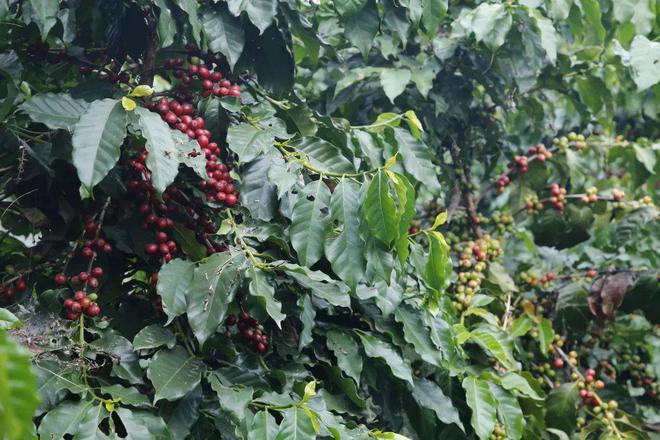
Compared with Arabica, Robusta's caffeine level is noticeably higher, at about 2.7% to 4%, almost twice that of the former. Caffeine is essentially a natural insecticidal component of the plant's self-defense, allowing Robusta to avoid being eaten by most insects. From a cultivation standpoint, the Robusta tree has strong tolerance to high temperatures, cold, drought, and humidity, and its survival rate is quite high. In addition, with high yield per plant and good environmental adaptability, it can usually grow when planted on low-altitude plains, and can also be managed and harvested uniformly by machine, so its price is naturally more affordable. For this reason, Robusta's planting input costs are relatively low, making it very suitable for commercial-scale production.
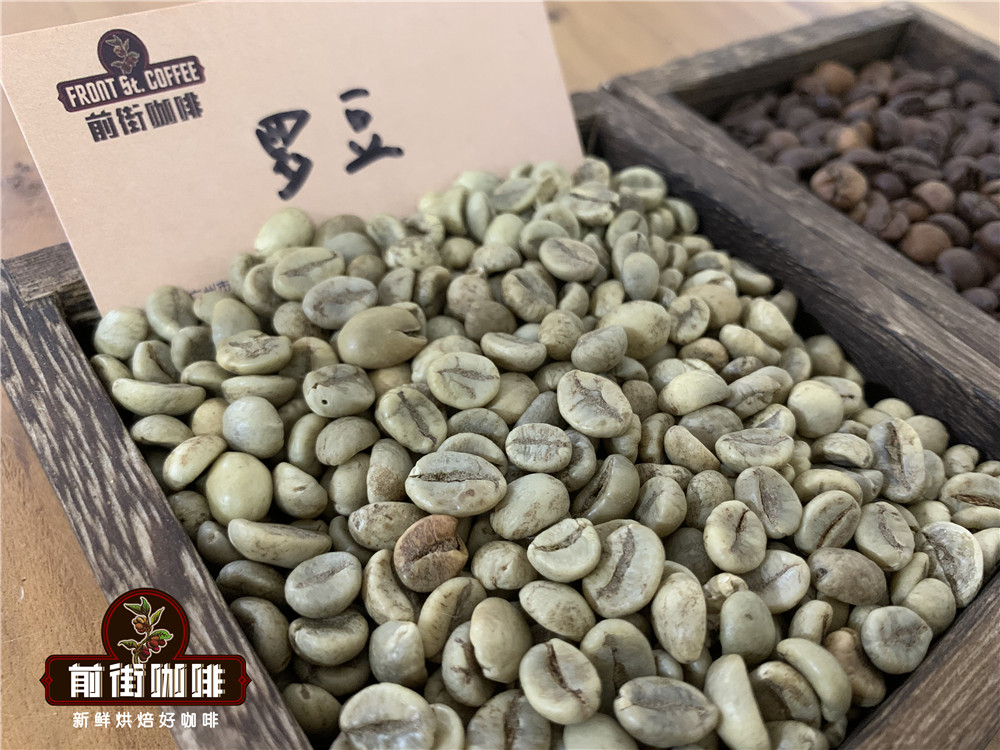
Analysis shows that Robusta green beans have a fairly high chlorogenic acid content, while their sucrose content is low. Chlorogenic acid is one of the sources of coffee's bitterness, often bringing a heavy, low bitterness and flavor directions such as walnut, peanut, hazelnut, barley tea, and grain; if handled improperly, it can also produce a pungent earthy smell or even negative notes similar to rubber. Because of this, people usually choose deep roasting to manage it, which is also the key reason Front Street Coffee does not list Robusta coffee beans separately.
After deep roasting, Robusta beans accumulate a large amount of gas, and when pressed into espresso they can release a rich layer of crema, while the solid flavor profile also adds more body to the coffee. In Italy, locals prefer intense flavor and thick crema, and many coffee shops mix in a certain proportion of Robusta beans when making espresso to make the "coffee taste" more prominent.
In Front Street Coffee's own roasting product line, Front Street Commercial Blend coffee beans contain a small amount of high-quality Robusta, positioned as rich in crema, cost-effective, and stable in flavor, able to satisfy friends opening coffee shops to the greatest extent, with outstanding commercial value, and it is also an espresso product with an extremely high repurchase rate.
Besides the shop-opening scenario, Front Street Classic Blend, which uses the classic "Manba" combination, also adds a small amount of high-quality Robusta beans. This bean is suitable for brewing with espresso machines, American drip coffee makers, moka pots, and other equipment; the black coffee it makes has rich crema and aromas of dark chocolate, nuts, butter, and caramel.
If you do not have grinding equipment at home, Front Street Coffee can also provide a grinding service; you only need to tell Front Street Coffee which extraction method you plan to use. However, Front Street Coffee would like to remind you: once coffee beans are ground into powder, flavor compounds dissipate more quickly, and the tasting window shortens accordingly, so it must be drunk as soon as possible, otherwise it easily develops off-flavors such as a woody smell. Coffee beans have an optimal tasting stage after roasting, and the aroma will be lost faster as storage time increases, while dissipated flavor is very difficult to restore during brewing. This is also why Front Street Coffee insists on sending out only fresh coffee within 5 days after roasting, hoping that every customer can drink coffee beans in their most complete tasting state.
Nowadays, more and more people have developed the habit of drinking coffee. Whether on workdays or in leisure time, they love to have a cup of black coffee. Drinking black coffee in moderation is indeed good for the body, for example helping the body expel water quickly and effectively relieving edema; the caffeine in black coffee can promote intestinal peristalsis and has a certain improvement effect on constipation. In addition, black coffee can also make the body's metabolism faster and more efficient, which is positive for weight loss. Therefore black coffee does indeed help with weight loss, but this does not mean you can drink it freely and heavily.
Excessive intake of black coffee can keep the central nervous system excited for a long time, thereby interfering with sleep and possibly triggering emotions such as anxiety and irritability. At the same time, too much alkaline substances in the body will stimulate excessive gastric acid secretion and damage the gastric mucosa. Calculated at 150 milliliters per cup, drinking 2 to 3 cups a day is enough; be sure not to overdo it. If you want to lose weight by drinking coffee, choosing the right time can get twice the result with half the effort. Research shows that about half an hour after drinking coffee, the concentration of fatty acids in the blood rises to a peak; exercising at this time accelerates fat breakdown, making the slimming effect more obvious. So it is best to drink it half an hour before exercise.
The above content is compiled by CoffeeHunters, a coffee news website.


