







Can a Secondary Dispersion Screen Improve Coffee Extraction?
A secondary dispersion screen is a thin metal disc placed between the portafilter basket and the group head. It spreads water more evenly and reduces direct contact between the shower screen and the puck, which can ease surface pooling and help produce a firmer puck. It does not, however, fix extraction problems caused by grind, dose, or pressure.
Before adding hardware, check whether the grind is too fine, the dose too low, or pressure release after the shot abnormal. Testing the Bomber screen showed neat workmanship and thickness and hole sizes compatible with common baskets; flow was steady and puck dryness improved visibly. Because group head clearance varies by machine, users should confirm the size fits before buying.
Recently, a small metal accessory has been generating a lot of discussion in the coffee community. Many enthusiasts see it as a handy tool for simplifying the extraction process—the secondary dispersion screen. What changes can this metal disc actually bring? Can it truly solve the common problem of wet, shapeless pucks after espresso extraction? In this issue, Front Street Coffee will analyze the core functions of the secondary dispersion screen, and combine that with hands-on experience using related products from the Bomber brand to provide an objective reference for coffee lovers who are still on the fence.
Recently, an auxiliary tool has attracted considerable attention among coffee enthusiasts. What Front Street Coffee wants to talk about today is exactly this thin metal disc that many people call "a way to make extraction easier"—the secondary dispersion screen.
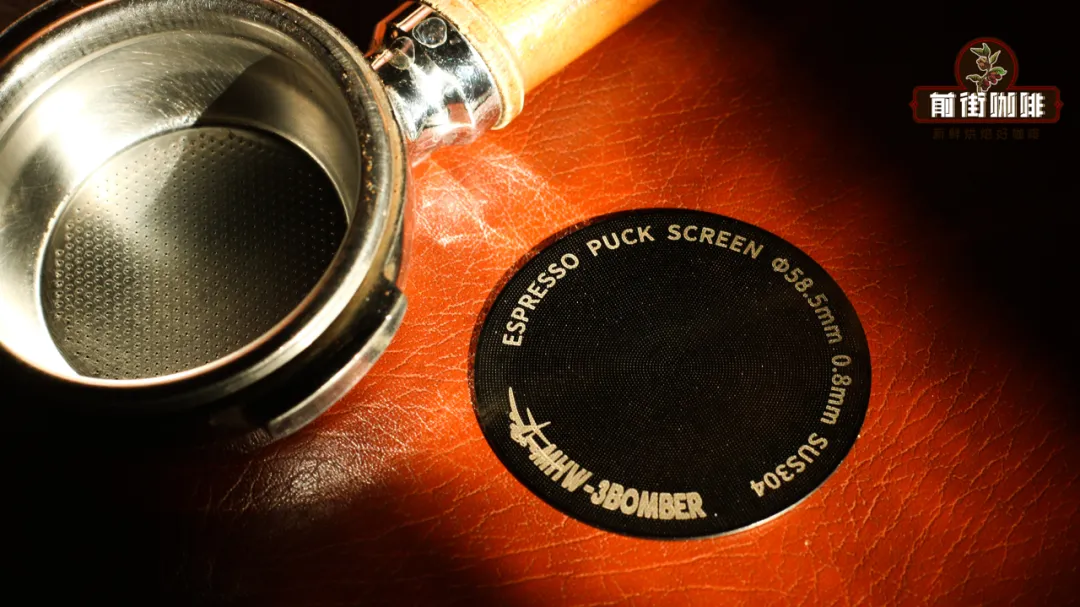
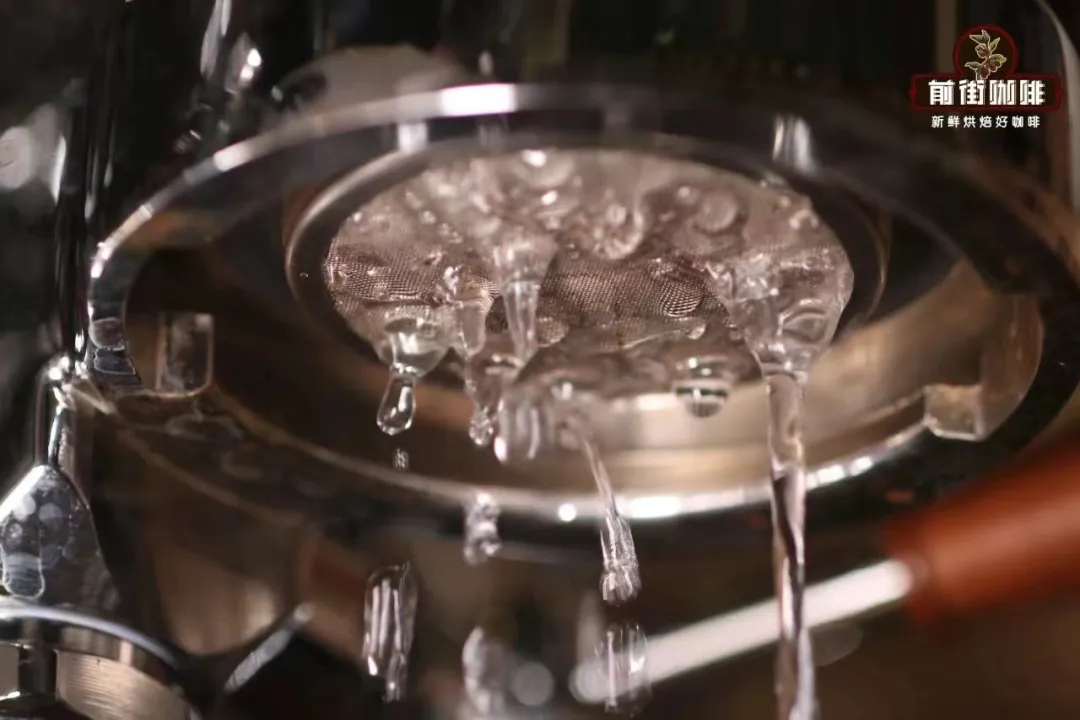
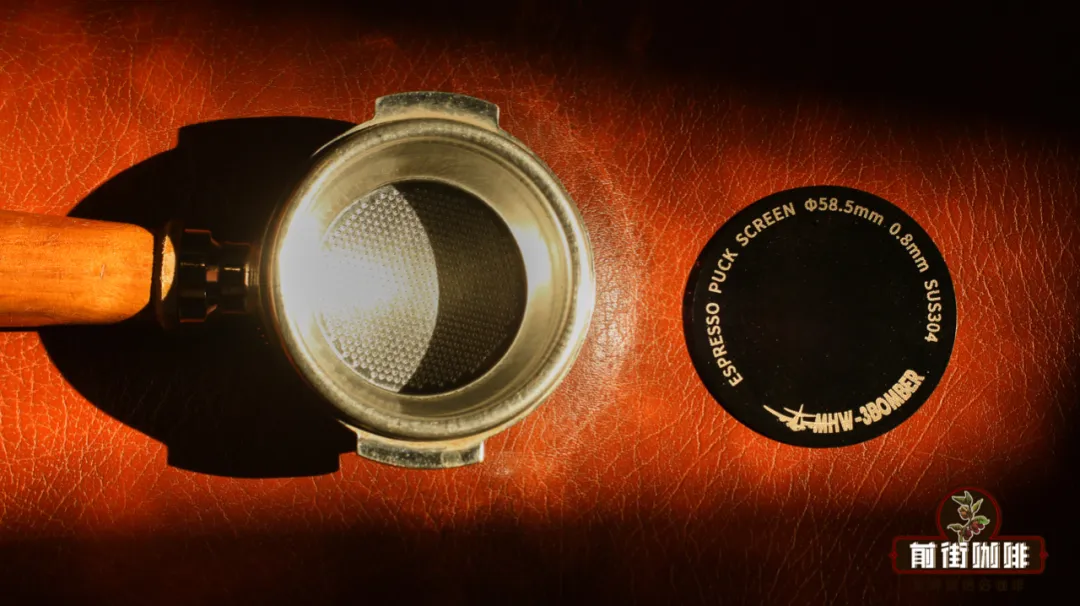
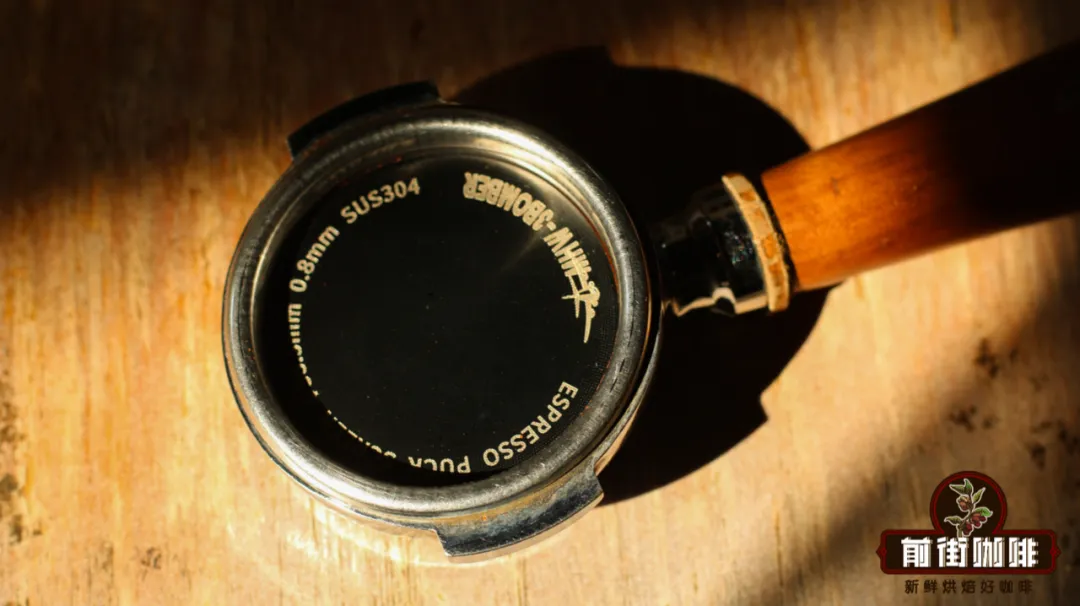

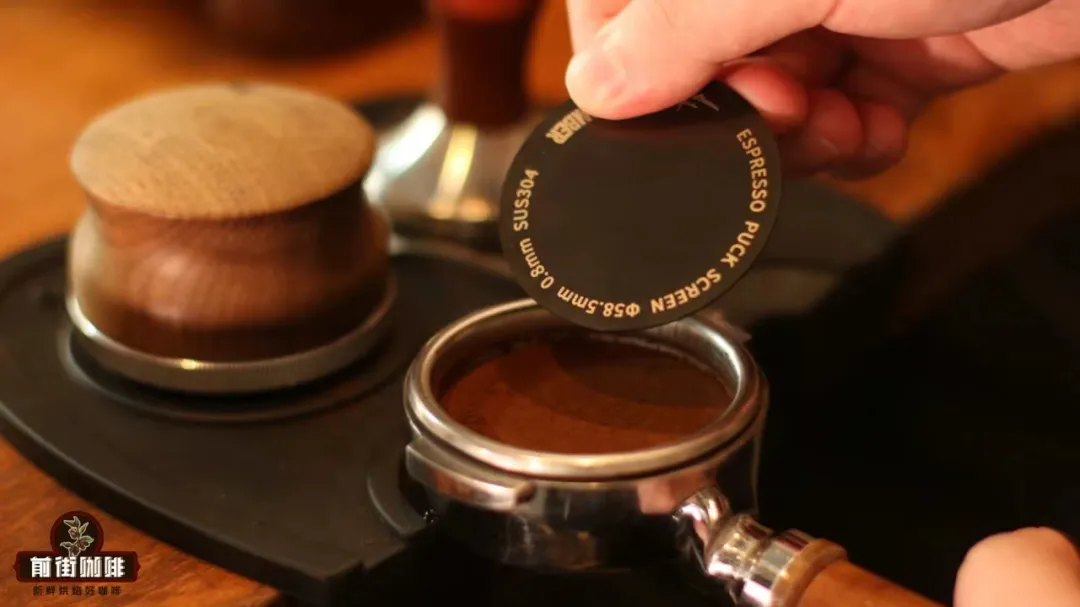
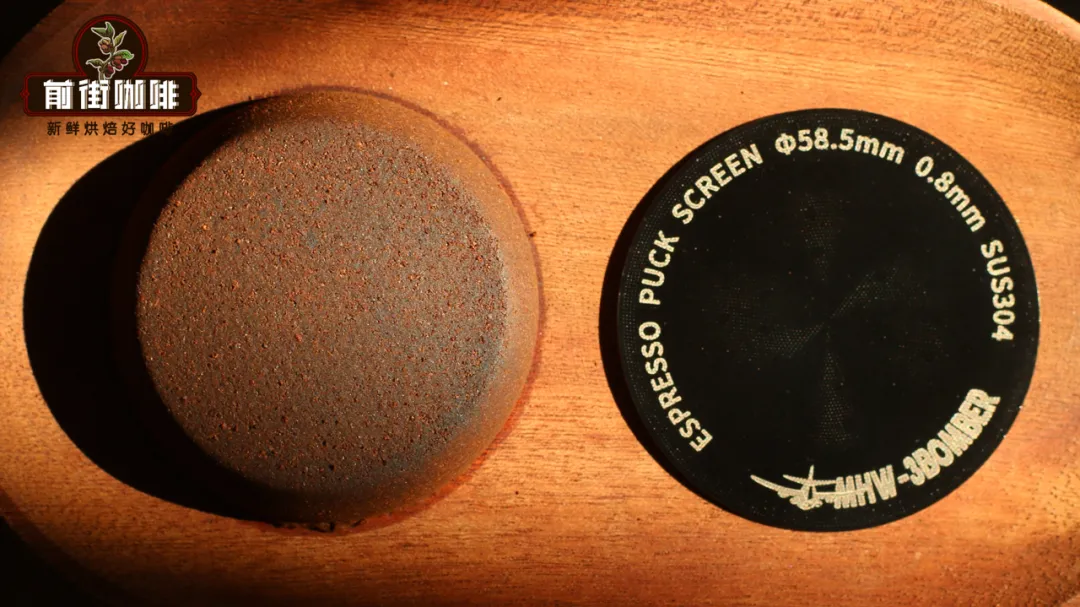
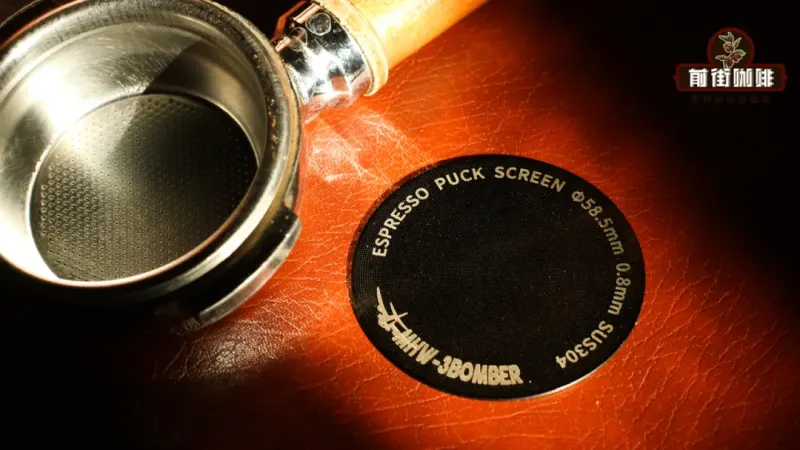
Structurally, the secondary dispersion screen is placed between the portafilter basket and the group head, and it mainly serves two roles: first, it allows water to be distributed more evenly; second, it reduces direct contact between the group head shower screen and the coffee puck. Many enthusiasts report that after installing it, water pooling on the surface of the puck is somewhat alleviated, and the success rate of knocking out an intact puck also increases accordingly.
So how exactly should the problem of wet, shapeless pucks be addressed? Front Street Coffee believes that you should first check whether the grind is too fine, whether the dose is insufficient, and whether pressure release after extraction is normal. The secondary dispersion screen can provide some auxiliary improvement, but it is not a universal solution. If the basic parameters are not dialed in well, it is very difficult for a single metal disc to fundamentally turn the situation around.
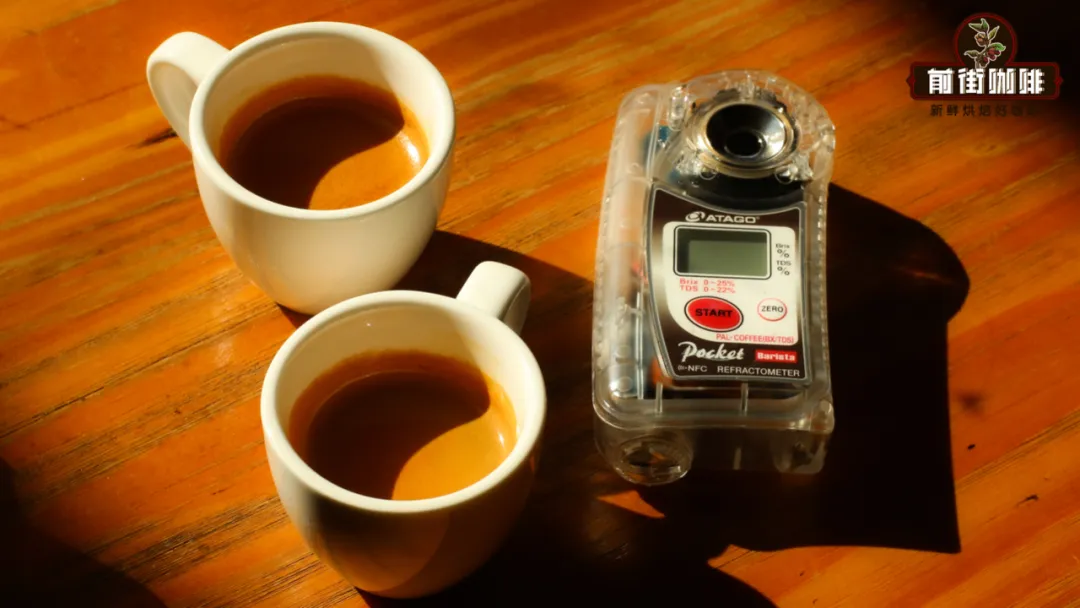
As for the secondary dispersion screen launched by Bomber, Front Street Coffee found in actual testing that its workmanship is fairly neat, and its thickness and hole diameter design offer good compatibility with most common baskets. After installation, the extraction flow rate is relatively stable, and the dryness of the puck also shows a visible improvement. However, different machine models have different amounts of clearance at the group head, so before buying, it is advisable to confirm whether the size matches, to avoid situations where it cannot fit or affects sealing.
Overall, the secondary dispersion screen is a small tool worth trying, especially suitable for coffee enthusiasts who have already adjusted their grind and dose but are still troubled by wet pucks. Front Street Coffee suggests treating it as one part of the optimization process, rather than a shortcut to replace basic adjustments.
The above content is compiled by CoffeeHunters, a coffee news website.


