







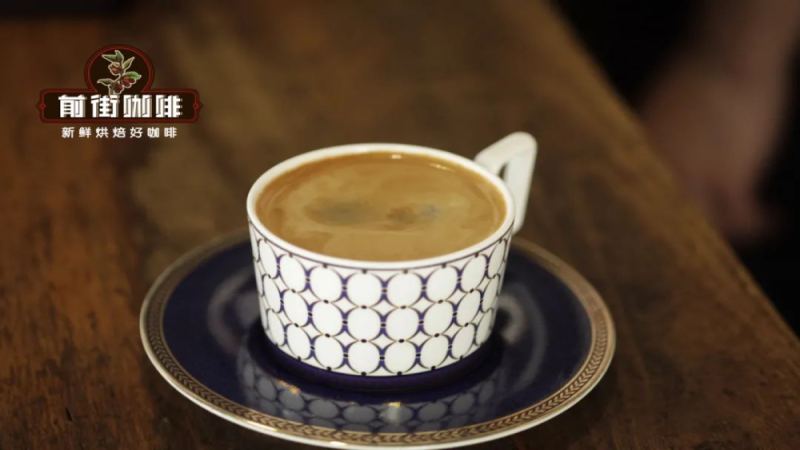
Americano is one of the best-selling categories in coffee shops—quick to make, affordably priced, and able to perk up tired office workers. What flavors and mouthfeel does it actually have? Is hot Americano really that bitter? What effects and benefits does drinking Americano offer? From Front Street's perspective, this article first sorts out the historical origins and basic definition of Americano, then explains its brewing methods and the sources of its taste and mouthfeel, with a focus on analyzing how blended beans and SOE single-origin beans affect flavor. Afterwards, for friends who want to try it at home, Front Street uses its own bean list as an example to recommend several blended and single-origin coffee beans suitable for making Americano, and offers practical advice on fresh roasting and extraction, helping you find the cup that suits your taste.
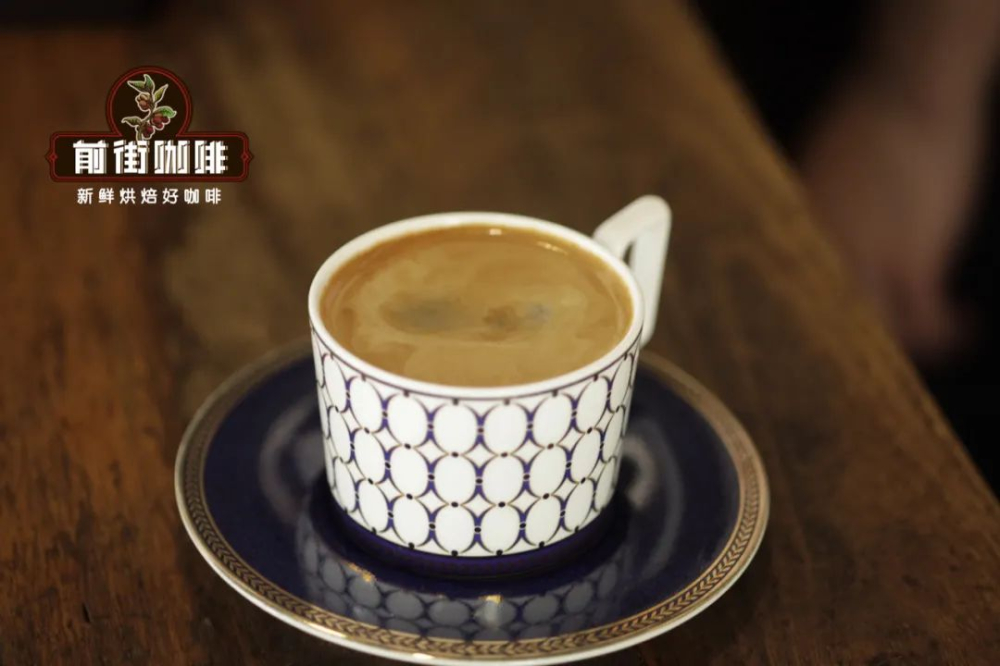
On coffee shop menus, Americano is almost always one of the top-selling options. It's quick to serve—in just a few minutes you can have a cup of aromatic coffee—and its pricing is relatively friendly, making it quite practical for office workers who need a pick-me-up. So what flavors and mouthfeel does Americano actually have? Let Front Street chat with you about it below.
The Origins of Americano
Judging by the name alone, espresso is naturally associated with Italy, while Americano easily brings the United States to mind. The popularity of Americano goes back to the eighteenth century.
At the time, the American public was deeply resentful of the British government's high import tax on tea, which led to the Boston Tea Party in 1773, and the public turned to drinking coffee instead. After that, the number of coffee shops in America continued to grow, and the coffee industry rapidly expanded there. By the 1880s, about one-third of the world's coffee beans were being sold to the United States. During World War II, U.S. troops consumed large amounts of coffee every day, both to spice up the dull military life and to boost soldiers' spirits. However, American soldiers couldn't get used to the intense bitterness of espresso, so they diluted it with water to a concentration they could accept. Later, when Italians ran coffee shops in America, they accommodated this habit and introduced coffee made by adding water to an espresso base, which turned out to be hugely popular.
What Is Americano?
Americano is a type of black coffee, made by extracting espresso with an espresso machine and then diluting it with water, without adding any other ingredients.
To make it, the coffee beans are first ground into powder, then extracted at a 1:2 ratio to make espresso, which is then diluted with water in an appropriate ratio. The Americano served at Front Street's Dongshankou location uses the Sunflower Warm Sun blend: take 20 grams of coffee powder and extract 40 grams of coffee liquid, then add 240 grams of 88°C hot water at a ratio of 1:6, determined after repeated testing by Front Street—and a cup of hot Americano is ready.
To make an iced Americano, replace the hot water with 120 grams of ice cubes plus 120 grams of room-temperature water. It tastes best when drunk before the ice has fully melted.
The Taste and Mouthfeel of Americano
From the brewing method described above, it's easy to see that whether a cup of Americano tastes good depends on the coffee beans used. Americano in coffee shops usually uses a dedicated espresso blend. The one used at Front Street's locations is Sunflower Warm Sun, a blend of Ethiopian natural Red Cherry coffee and Honduran Whiskey Barrel-aged Sherry coffee in a 3:7 ratio. Made into an Americano, it offers rich wine aromas, vanilla cream, the sweet-tartness of berries, and roasted nut flavors. If you use this espresso as a base for a hot latte, it presents a sweet, smooth chocolate mouthfeel.
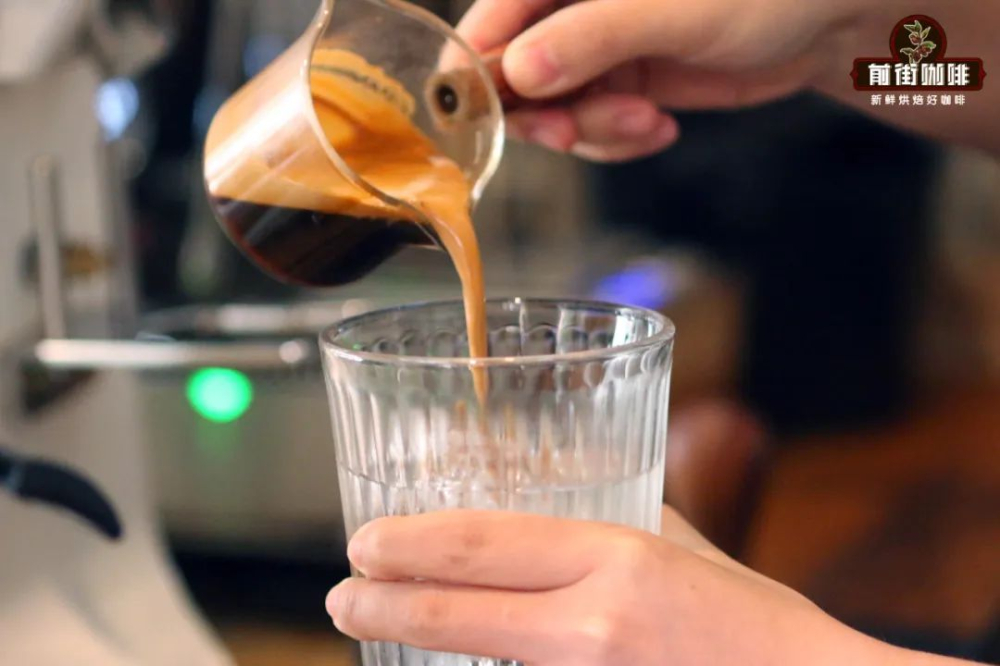
A high-quality blend can harmonize and complement the flavors of different beans, highlighting the aroma while balancing the character of each bean, which is why medium-dark roasts are often used. The espresso extracted this way has high concentration and is less prone to sharp acidity or thin flavors, with better extraction stability.
Besides blends that emphasize balance, Americano can also use SOE, which is espresso made from single-origin coffee beans. As specialty coffee culture continues to spread, high-quality single-origin beans originally used for pour-over have also been introduced to espresso, usually roasted not too dark, so they can express the distinctive flavor profile of their origin.
What Coffee Beans Make a Good Americano?
Many friends have coffee equipment at home and want to make a cup of Americano themselves, so they come to ask Front Street what beans to choose. Front Street's view is that no matter how you extract it, the first thing is to pick a bag of high-quality coffee beans you genuinely like: first, the quality must be up to standard; second, the flavor type must suit your taste. Below, Front Street uses its own bean list as an example to recommend several beans in different styles, making it easy for everyone to choose by taste. In addition, Front Street suggests using freshly roasted coffee beans, as this makes it easier to extract aromatic flavors. Therefore, the coffee beans Front Street ships are all within 5 days of roasting, so they arrive right in their optimal flavor window.
Blend Recommendations
Front Street's bean list includes four espresso blends. Besides the Sunflower Warm Sun mentioned earlier, there are three more blends that are equally good value:
1. Front Street Coffee - Specialty Blend Coffee Beans: Colombian washed coffee beans (30%) + Brazilian semi-washed coffee beans (70%), presenting flavors of nuts, dark chocolate, and caramel.
2. Front Street Coffee - Commercial Blend Coffee Beans: Robusta washed coffee beans (10%) + Colombian washed coffee beans (30%) + Brazilian semi-washed coffee (60%), presenting flavors of nuts, cocoa, and caramel.
3. Front Street Coffee - The Espresso Beans Recommended by Many Baristas - Front Street Black Cocoa Blend Coffee Beans: Yunnan washed small-bean coffee (30%) + Brazilian semi-washed coffee beans (70%), presenting flavors of gentle fruit acidity, caramel, and nuts.
SOE Single-Origin Coffee Recommendations
If you use single-origin beans to make espresso, since it goes through high-temperature, pressurized extraction and the coffee powder is ground very fine, it's easy to get harsh flavors if you don't find a suitable extraction range, and the difficulty of extraction increases accordingly. Therefore, Front Street suggests choosing single-origin beans at a medium roast or darker.
1. Front Street Coffee - Brazilian Queen's Estate Coffee Beans: After this medium-dark roasted bean is made into SOE, the espresso has a rich crema, and made into an Americano it carries aromas of roasted nuts and hazelnut cookies, along with dark-chocolate-like richness and a caramel finish.
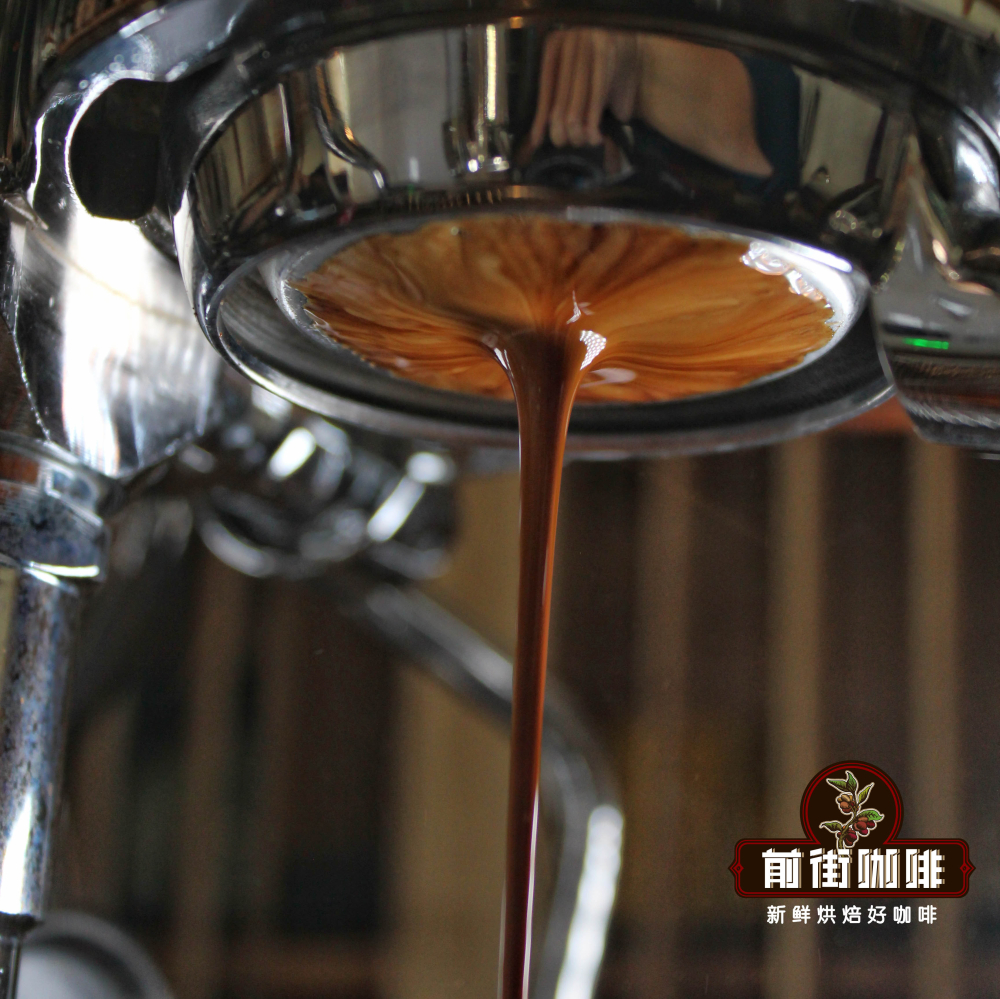
2. Front Street Coffee - Costa Rican Mozart Coffee Beans: Mozart coffee uses a honey process and has very high sweetness. Made into an SOE Americano, it has the sweet-tart taste of raisins and berries, and after swallowing, a rose aroma lingers in the mouth—very delightful.
3. Front Street Coffee - Ethiopian Natural Red Cherry Coffee Beans: Natural Red Cherry is made from ripe, plump coffee cherries and has very high cleanliness and sweetness, making it equally suitable for espresso. The crema on the espresso is delicate and pale yellow; diluted with water into an SOE Americano, it has the sweet aroma of berries, with sweet-tart berries interwoven with caramel and a quite clean mouthfeel.
For professional coffee knowledge exchange and more coffee bean information, please follow Coffee Workshop (WeChat public account: cafe_style)
For more specialty coffee beans, please add the private WeChat of Front Street Coffee: qjcoffeex
The above content is compiled by CoffeeHunters, a coffee news website.


